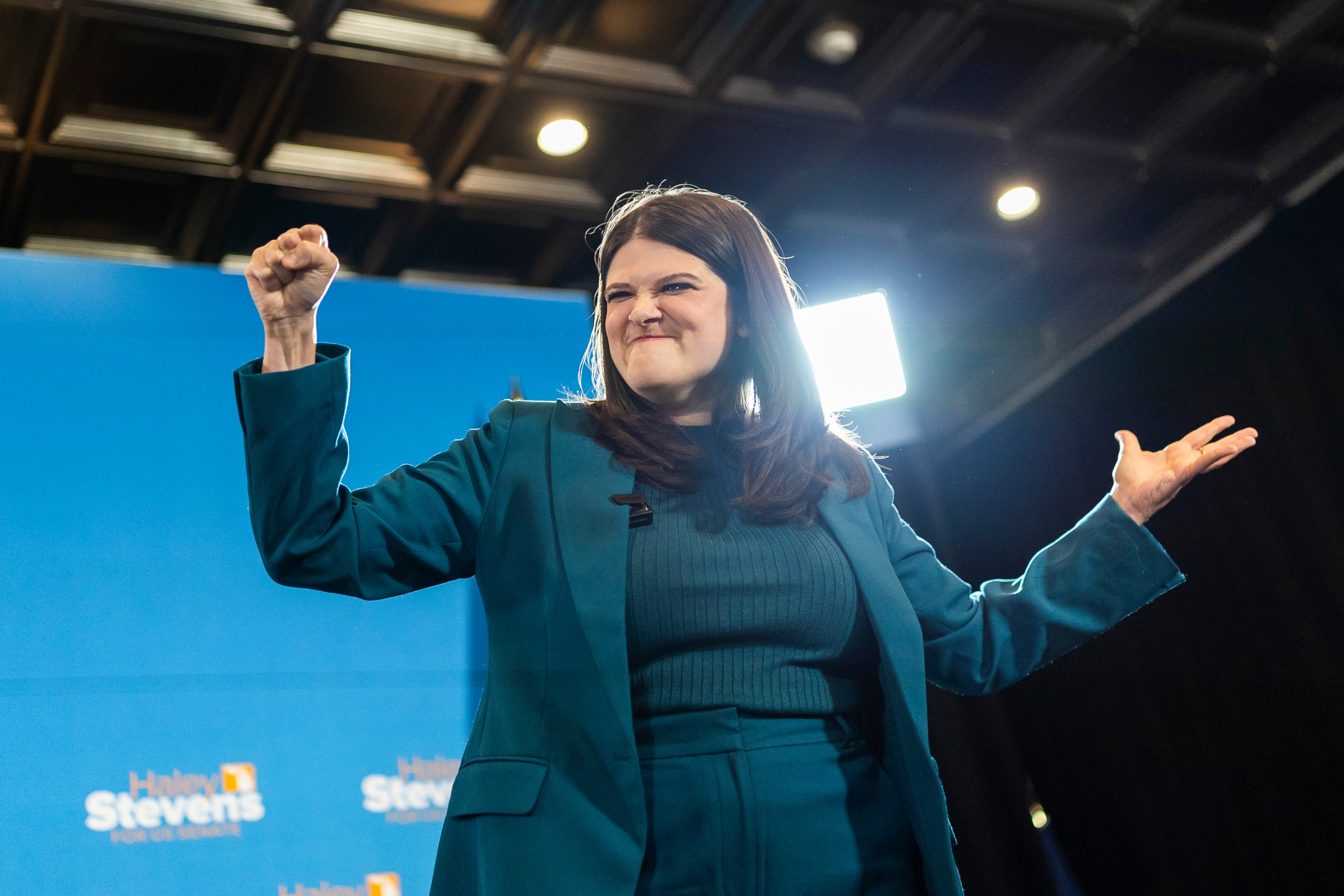

It started quickly, with Georgia's Senate race being called for Jon Ossoff 18 minutes after polls closed, and never let up. One by one, precincts returned blue. The map was bluer than you've ever seen. Places went blue that haven't gone blue in a lifetime. It was bluer than a Lenny Bruce set. By the time it was called in Michigan for Abdul El-Sayed at 1:00 a.m. ET and Steve Kornacki was propofol'd and dragged off air for the night, both the House and the Senate were firmly in the hands of the Democrats, a blue wave not seen since the post-Watergate midterms of 1974, and for many of the same reasons.
If a race held any uncertainty, it broke left. The long-held dream of blue Texas is here, and resoundingly. The North Carolina House, redistricted last year by Republicans to safely go 11-3 in their favor, is going to end up something like 10-4 Dems. Washington, D.C., elected a democratic socialist mayor. Michigan elected the nation's first Muslim Senator, New Hampshire our first openly gay man. It is hard to overstate how complete and far-reaching this blue tsunami was. Alabama elected a transgender woman to the House. One Maryland county's Democratic candidate for sheriff barely campaigned—he says he hates public speaking, and bought no ads—and won.
Democrats largely stayed on message and campaigned smartly on the real things people care about—the economy—but that Maryland sheriff race best illustrates what was actually being voted on. This was a nationwide referendum, on Republican rule and on Donald Trump. And it turns out that while voters may be prone to touching a hot stove, they will not keep their hands on the burner for ever.
"Pretend I'm on the ballot," the President said, and voters did. It's not a surprise that two years of Republicans crashing the economy and starting a useless war in the Middle East was not popular—it's sort of what they do, historically. But Trump took things further, stretching the conscience of the nation to and past its breaking points, and it made people sick. Endless cruelties, to settled and harmless immigrants, and putting bullets in the head of Americans protesting it. Vicious persecution of trans people for no reason other than that they were vulnerable. The most openly venal administration in history without even offering a pretense to the contrary, to the point where even his supporters had to recognize it.
There's more, or less. Firing off tariffs like Yosemite Sam fires off six-shooters, to settle personal grudges at the expense of the American consumer. Hiring a bunch of anti-social losers to gut the machinery of government. Threatening to invade allies. Renaming geographic features on mad-king whims. It turns out that "own the libs" can be a workable campaign strategy but not one for legislating, and Republicans, with the trifecta and the Supreme Court, had no ability or willingness to actually govern.
And where was Trump as the inexorability of a midterm blowout became ever clearer? Making weird noises at rallies, ranting about Jon Husted's muscly ass, and, in his final speech before the election, crowing about his botched renovation of the Reflecting Pool, then musing that he should rename it after himself. Meanwhile Trump's loudest online supporters, including official government accounts, spent Election Day making Anakin Skywalker memes and lusting over a gender-swapped Harry Potter character.
I think even pollsters doubted their own numbers, given how hard the lurch leftward appeared, and with some rough polling performance in recent cycles. But given what they were up against, it should have come as no shock that significant numbers of voters ran as far the hell away as possible from Donald Trump and the party that supported him, or even just stood by and let him ruin the country's reputation. And did the party's leader and moral center take any responsibility for the blue wave? He did not. "I wasn't on the Ballot," Trump posted on Truth Social, "and if I was, we would have won IN A LANDSLIDE!"
The U.S. is not really a nation of protestors, not compared to some others. We believe (charmingly? naively?) that voting is the best way to change things. This is a frustrating tendency when one side constantly and institutionally rigs the game through gerrymandering and intimidation and anti-voter bills, so that the other side's votes count for less or are harder to cast. But sometimes the protest vote is so loud and urgent that it can overcome the obstacles placed in its way. That's what happened Tuesday: The nation said as clearly as it could, Here is what we want, and here is who we don't.
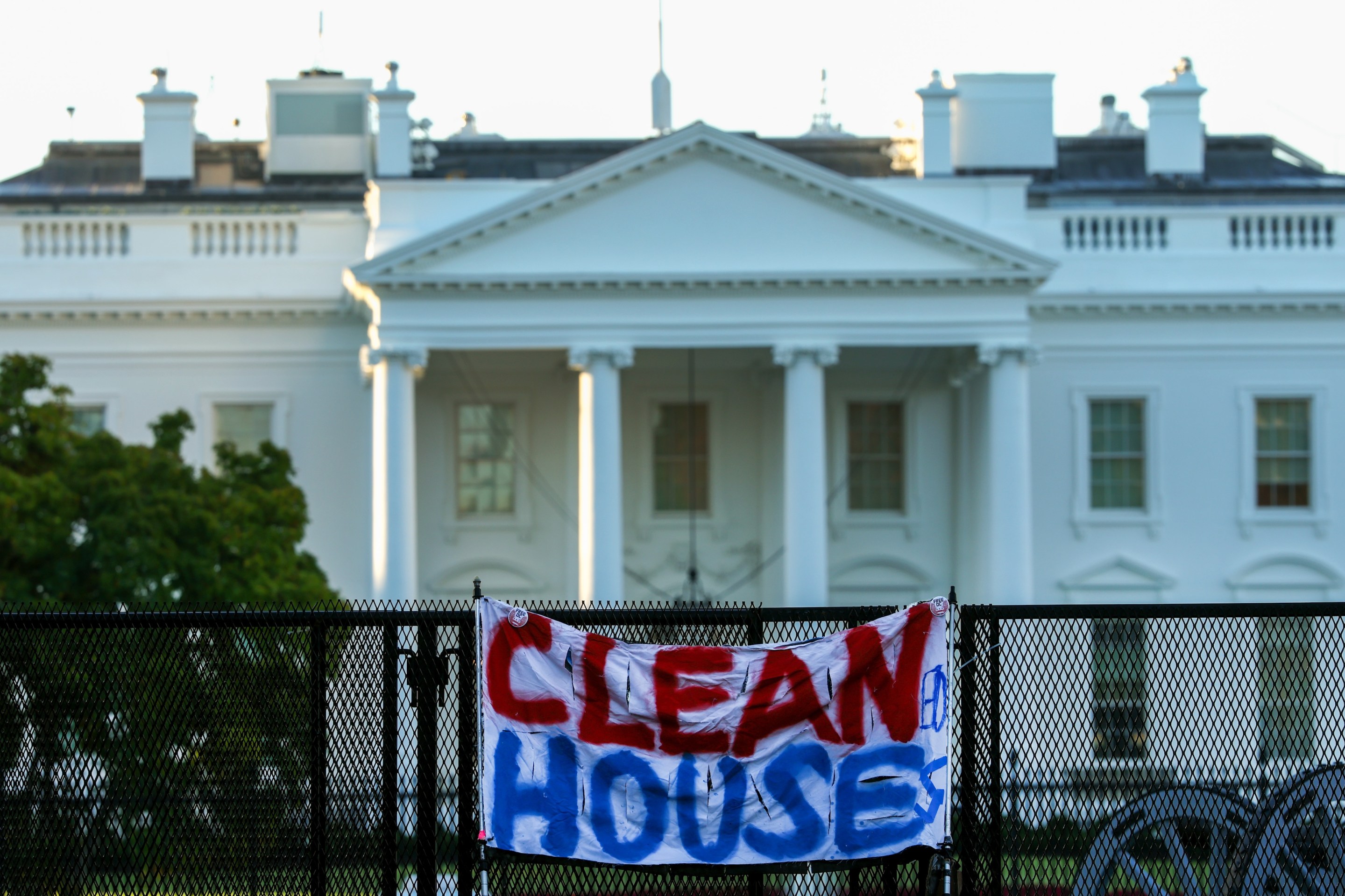
What now? A day to bask in the glow of a gleeful rout, to be sure. This is a real victory: a bicameral power to prevent Trump from doing more legislative harm, and the congressional humanpower to launch investigations, hopefully with real consequences, into the worst of the worst of the Trump administration. Yesterday was nice, but it won't be truly satisfying until some evil fuckers suffer for what they've done. And then it will be onto the work, of delivering on the things Democrats talked about in their campaigns—making life more affordable, safer, actually prioritizing the American people over foreign donors and wealthy power brokers. The work of governance, in other words. Somebody's got to do it.