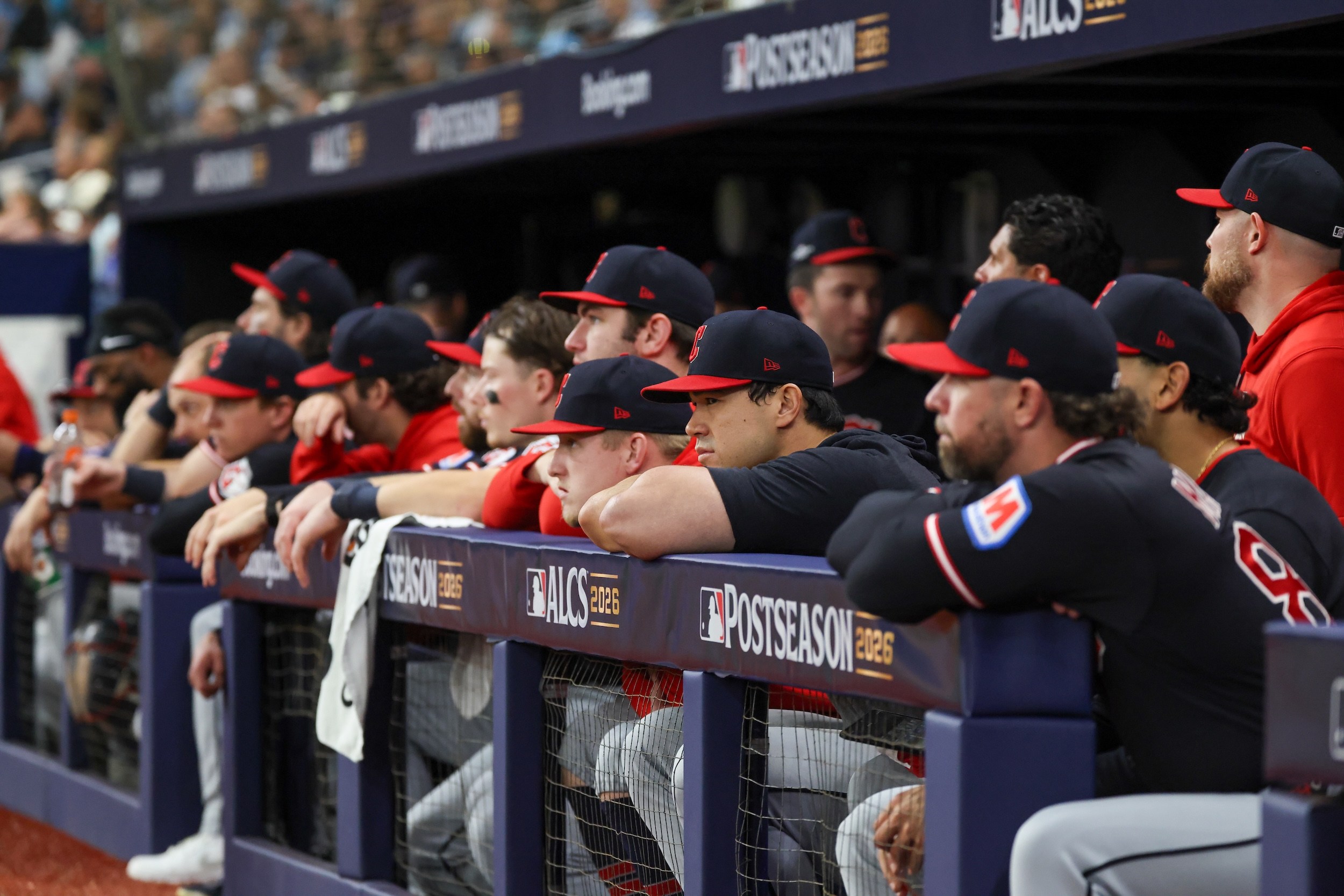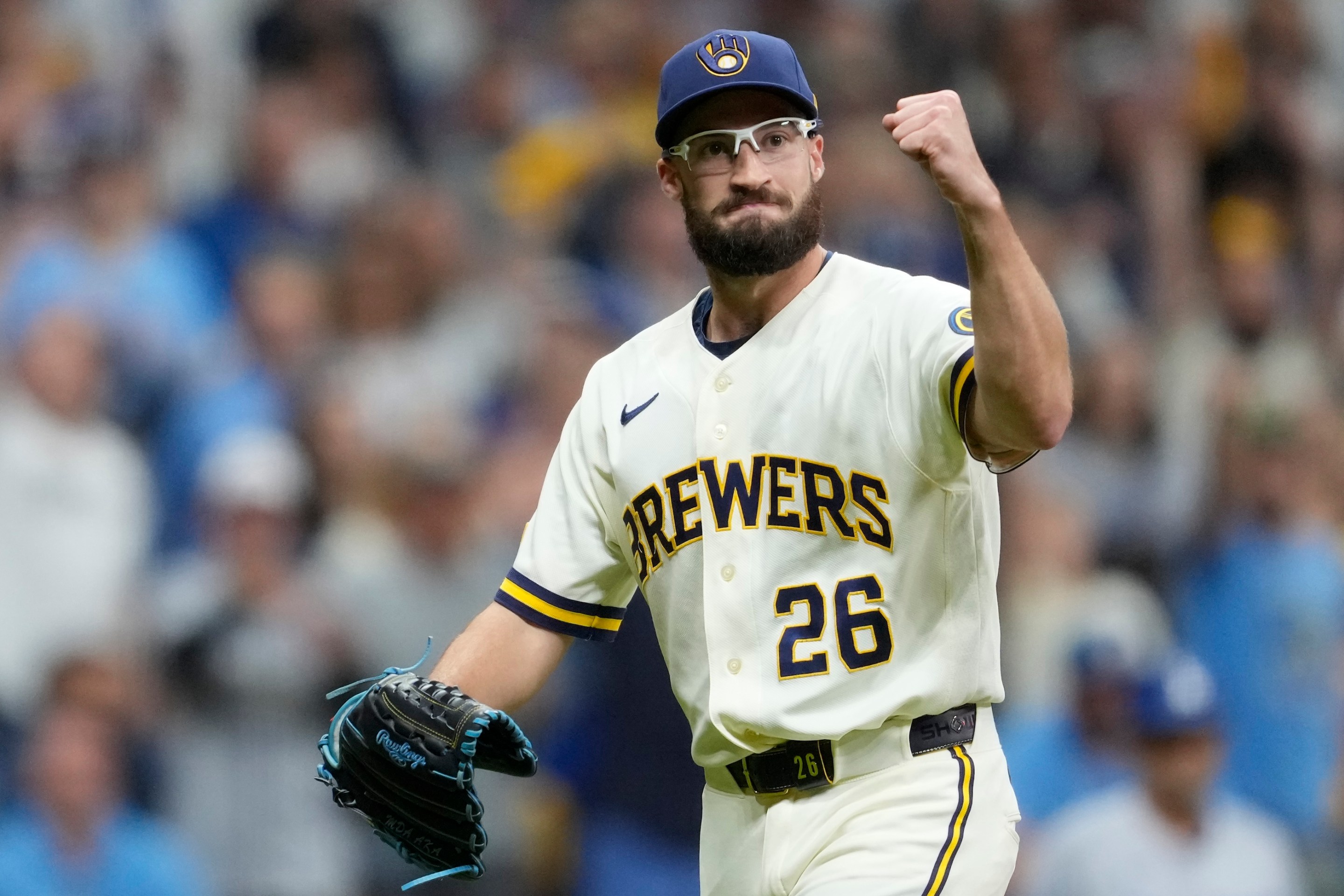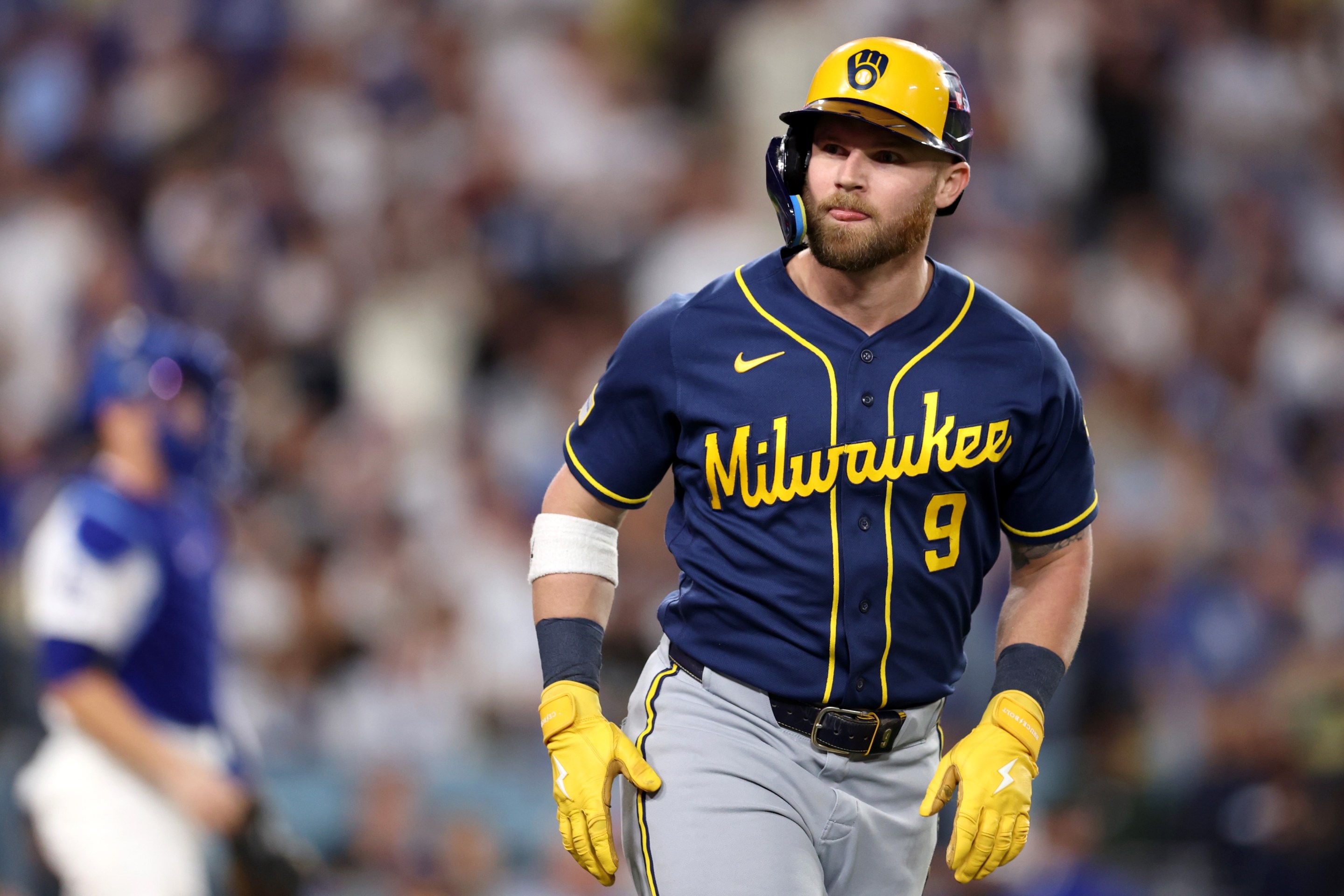


Like a tuna fish sandwich, quaint has a shelf life. Also like a tuna fish sandwich, it's definitely shorter than four days. All the charms of two teams meeting in the World Series that have never won a championship before have played themselves out in the time between the last playoff game and the next one. The amusements that come with two lower-half payrolls making baseball's radicalized reigning billionaires look like the amoral sludge smugglers they are are pretty much done, too. To put it as simply as possible, our culture doesn't have four days of anticipation in it before boredom starts to creep into emotional ennui. Replacing all that abstracted fussing with some actual baseball is a good deal for all involved.
The World Series starts tonight, and the field has been cleared of distractions. The Tampa Bay "Once Again" Devil Rays and Milwaukee "Used To Be Seattle Pilots" Brewers are now down to work, and those games will constitute a final plebiscite on How To Play The Game. The Rays and Brewers have made use of defense and speed and even bunting in ways that have lately fallen out of fashion. It's as if they found a dusty box in the attic with some ominous scrolls in it, but so far the incantations have worked like a dream. They are thin on power but generate plenty of runs; they both are pitching-rich, and make deft and still slightly unconventional use of the when-in-doubt-use-an-opener maneuver that dominates postseason baseball.
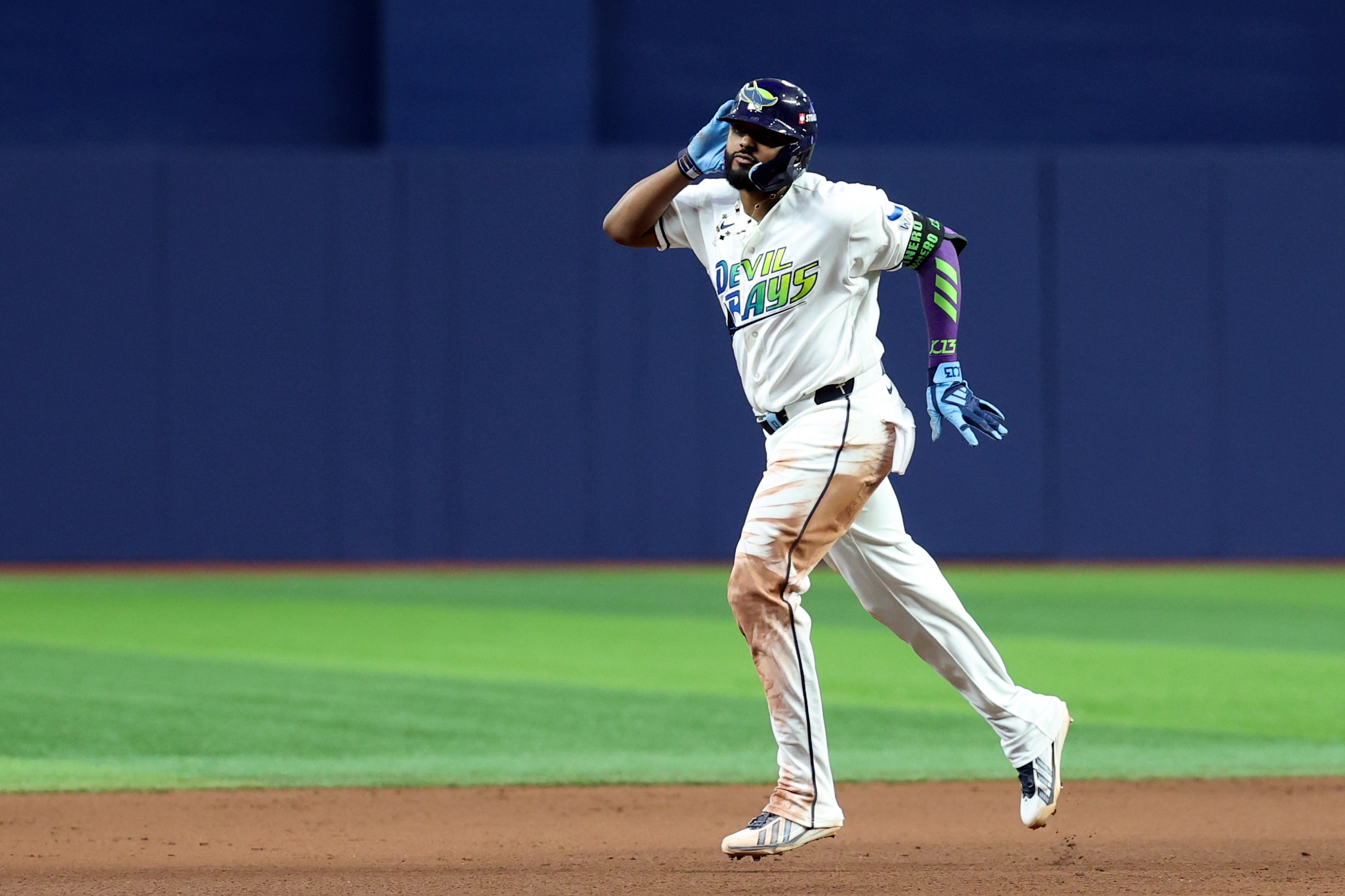
In other words, they will give the baseball public all the things it says it wants: movement, dexterity, the art of the game, pitching changes and discussions about pitching changes, not being the Dodgers or the Mets or any of the other high-payroll teams, and also not being the teams that don't try and don't want to. The element of novelty is all well and good, and the styles-make-fights aspect of the matchup suggests that these games will also offer something for the purists and true heads. If you're lucky, Pat Murphy might say something pithier than "Goddamnit, Merrill," and a Junior Caminero home run moonwalk might take three minutes. Now the issue becomes whether that—crackerjack baseball played by people whose names even most casual fans might not know—is actually what you want. That, ultimately, is between you and your landlord.
This is the Everyman series, and not just because these teams' owners so value thrift. It is because, in a game that has otherwise homogenized itself into a dull gray paste (or whatever it is the Los Angeles Angels are doing), the Rays and Brewers make such clever and practical use of all the stuff a team can use—ancient small-ball arts, but also the manifest benefits of contemporary analytics. They are multi-tiered, and each got here in part by ratcheting up the pressure on their opponents while not making any notable mistakes themselves; this means you can wait for the game you want if the one you're getting isn't currently satisfying you. In making their respective ways through October, both have found a way to make the game a full-service experience, with the reward being that you can treat it like the buffet line it is meant to be.
As to market size and quality, well, here are two guiding principles. Both teams have 26 players, and that's all the market size you actually need to care about. German food and Cuban food are equal in the eyes of the nation's cardiologists. There are no particular cultural rivalries involved, no notable political axes to grind, no cute pregame features that either resonate or matter. There are no worthwhile/interesting/recognizable celebrity fans for Fox to jam through our retinae, though that surely won't stop the network from trying, and certainly none that would be more interesting than a game between new players with new backstories. To be fair, if Fox doesn't make us sick of Jake Bauers after his first two at-bats, the broadcast isn't doing its job, but this is a World Series that does not need a single stray Dodgers reference at all, and therefore cannot be ruined by the endless Dodgers references that will come anyway.
This is a series that will stand or fall on what is being done more than whoever is doing it. It is the logical extension of the troubling bolshevik idea that not everything must always rest on the tyranny of the star system or be marked to the market. Even then, the series doesn't have to make a stand for or against anything, or to become a boiled-down sociological experiment or even a refried referendum on gambling. It's just the baseball, and the possibility that we will get a moment even more culturally resonant than "Goddamnit, Merrill" or Junior wobbling around the bases on his hands. It's just the good stuff.