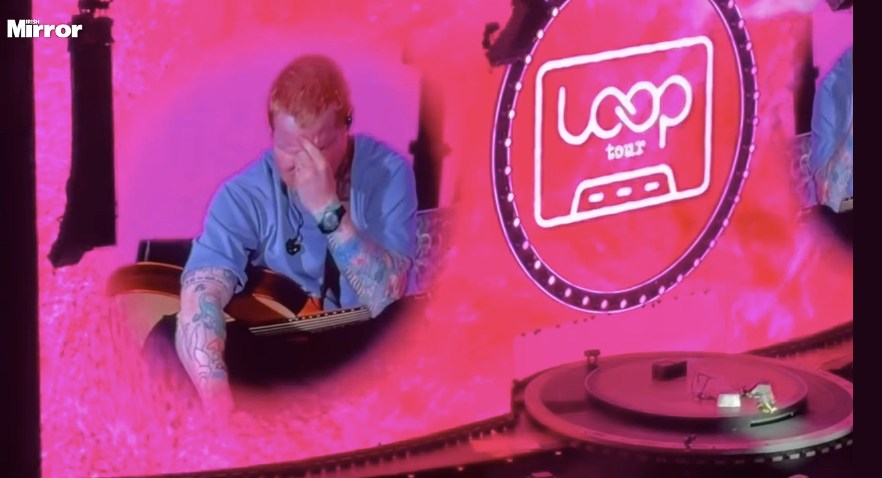

SAN FRANCISCO — Charli XCX had a cold. You could only tell after five songs and one costume change, when the backup dancers and full backing band briefly disappeared so she could perform "Track 10," the furthest she reached into her back catalogue. Alone, she sounded a little shredded, and would occasionally let the backing track sing for her. Probably this would sink other would-be headliners, or at least meaningfully affect the performance, but no, whatever mild illness Charli was contending with gave her a slightly plaintive warble, one that was coherent with the show and further shaded its grand thematic ambitions.
Her headlining set this past Friday night at the Outside Lands festival, coming weeks after the release of Music, Fashion, Film, was so much more than pressing play on the new stuff and the old stuff and pleasing her massive new fanbase. It was a monument to art, mortality, and fame, and the ways those three do and do not square the contradictions of each other.
Two years after the final sunset of Brat Summer, Charli finds herself in one of the trickiest and least forgiving positions any pop star could occupy. Brat was a world-destroying phenomenon, a meteor that struck at exactly the right moment to launch Charli out of pop's impossible middle class and into the rarified stratosphere of mainstream fame: seven movie credits, a sold-out arena tour, none other than the Democratic National Convention prostrating itself before her green glow. Charli achieved escape velocity because Brat was both sonically and lyrically an immediate, defiant album, an album about continuing to party and have fun and try stuff after turning 30, set to A. G. Cook's best work synthesizing a decade of the bloghouse era for the generation that arrived 15 years too late for MSTRKRFT.
The pop star's true medium is attention, and in Charli's choices to drop a (great) remix album—Brat and It's Completely Different but Also Still Brat—just months after Brat and star in a mockumentary about the all-consuming phenomenon of the album, you can see how she works within the medium: with self-awareness and the spirit of eternal collaboration, obliterating the irony-sincerity barrier in the process. She was smiling through it all; she could believe this was her life.
You can also see an acknowledgement of the fleeting nature of the sudden wave of attention. There may have been a Brat 2, but the wave would eventually crash. How would she move forward in its wake?
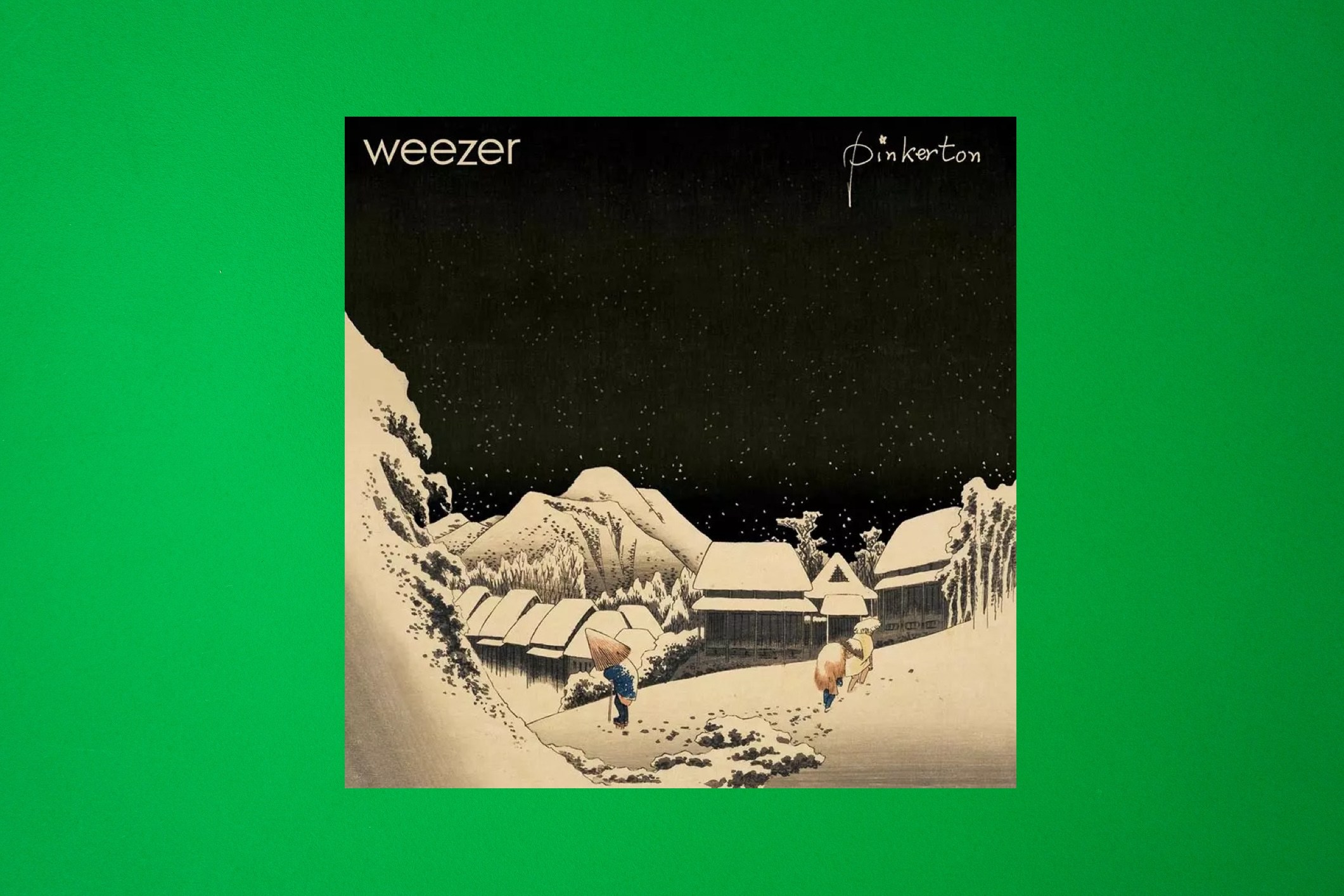
Music, Fashion, Film answers that question in its opening stanza: "I think the dancefloor is dead/So now we're making rock music." Unsentimental. The album feels casually assembled and deadpan, which is a compliment given how smart and subversive it ends up sounding. Charli, Cook, and Finn Keane got together last autumn during Paris Fashion Week and made the album in the maelstrom of the art and fashion world's biggest week, and the hedonism therein. It's slimmer, meaner, and thornier than Brat, a reinvention that acknowledges the limits of reinvention, a synthesis of both Daft Punk and the rock kids. It's an album that revels in the premise of rock and roll—We Are Young And Will Never Die—only to tear it down piece by piece. "Nothing's gonna save us, not music, fashion, or film," she sings on "SS26." The album ends with a David Cronenberg monologue about death and the fallacy of "immortal artists," because nothing lasts forever.
It's one thing to make such a left turn, another entirely to turn something as unsparing into a festival-headlining show, yet Charli pulled it off at a frankly stunning level. The first thing to discuss is the design element. At her 2024 Sweat Tour, co-headlined with Troye Sivan, she would begin her first run of songs after constructing the BRAT prism.
The joke was that she'd recreated the Kaaba, which, as a metaphor, is oddly apt for the Brat phenomenon. Brat was the object of an intense collective focus, distinguishable from worship only on the particulars. That's what made it special, and what made Charli in particular an interesting artist to be the subject of such focus, because she and her collaborators have always approached the broader Charli XCX project with an unflinching self-awareness that subverts the pop-star form. The Brat prism was the physical manifestation of that level of focus, and of the transcience of the moment. It was there to be admired, to be revered. It was also nonfunctional, and it disappeared quickly.
Her stage at Outside Lands transcended the Brat prism, as she built on the form of the prism and constructed a ziggurat with a huge speaker on top. I went to the show with a friend who is a designer and architect, and he pointed out that the ziggurat is distinct from the traditional and more famous sheer-sided pyramid, which emphasizes the impossibility of its apex, elevating it aloft and making it unreachable as it extends to the heavens. A ziggurat is a social pyramid. The tiers of a ziggurat are for doing stuff. Charli began her set with several Music, Fashion, Film songs, backed by the most traditional drum, bass, and guitar setup on the second level of the ziggurat, though she explored every level.
The third song she ripped was "Apple," one of the most straightforward songs on Brat and one that lent itself best to the band setup. The best pop music is simple, or rather presents as simple. This might lead the cynic to miss what's special about the form. When I listen to the best stuff Charli's made, I get the uncanny sensation that, despite pressing play for the first time, I've heard it before. This isn't entirely inaccurate. Creating pop music is less a matter of inventing something new from the ground up, and more about pulling together various strands that already exist and braiding them together. The trick is maintaining simplicity in the weave.
When I first listened to Brat, I didn't fully get it. I'm not a lyrics person, but I thought I had to draw the line before "I wanna dance to me, me, me, me/When I go to the club." Turn it over in your head 100 times, however, and it feels different. There's a beauty in its straightforwardness. When I am old and weathered, I think I will still be able to hum the seven-note synth intro from "360." Like she sings on the remix album, "I'm exactly the same but I'm older now."
The best Music, Fashion, Film song Charli performed, just before a long run of classics and Brat cuts, was "Card Declined." She'd ditched the band for a couple dozen women wearing T-shirts reading "I ♡ Pink Diamond" or "I ♡ Fact Checking," and strutting up and down a catwalk extending into the crowd. If "Apple" was an old song played in the new style, this was its inverse, a Brat-ified version of a new song. "Card Declined" sounds like Dry Cleaning trying to make a song that would fit in Daft Punk's Human After All, and in it, Charli deadpans about trying to consume her way into "A personality/A whole backstory/... A whole new life," which is impossible.
She was beginning to croak a little bit, another of the many layers to the performance: Here was a song on her reinvention album, reinvented in the image of her smash hit world-destroying album, performed under the circumstances of time passing.
This set the tone for the rest of the show that followed, which featured several of the remixed tracks from Brat 2. Rather than sing over Lorde or Billie Eilish or whoever, Charli would dance along. Here she was subverting a pop music myth, that of the untouchable singular genius who floats above the world. Everything she does is openly collaborative, which is part of what drew me to her in the first place. Also, "party 4 u," which is like the best song ever made. Listening to that song feels like opening a door into a hidden chamber, where a large crystalline object of mysterious power is rotating slowly.
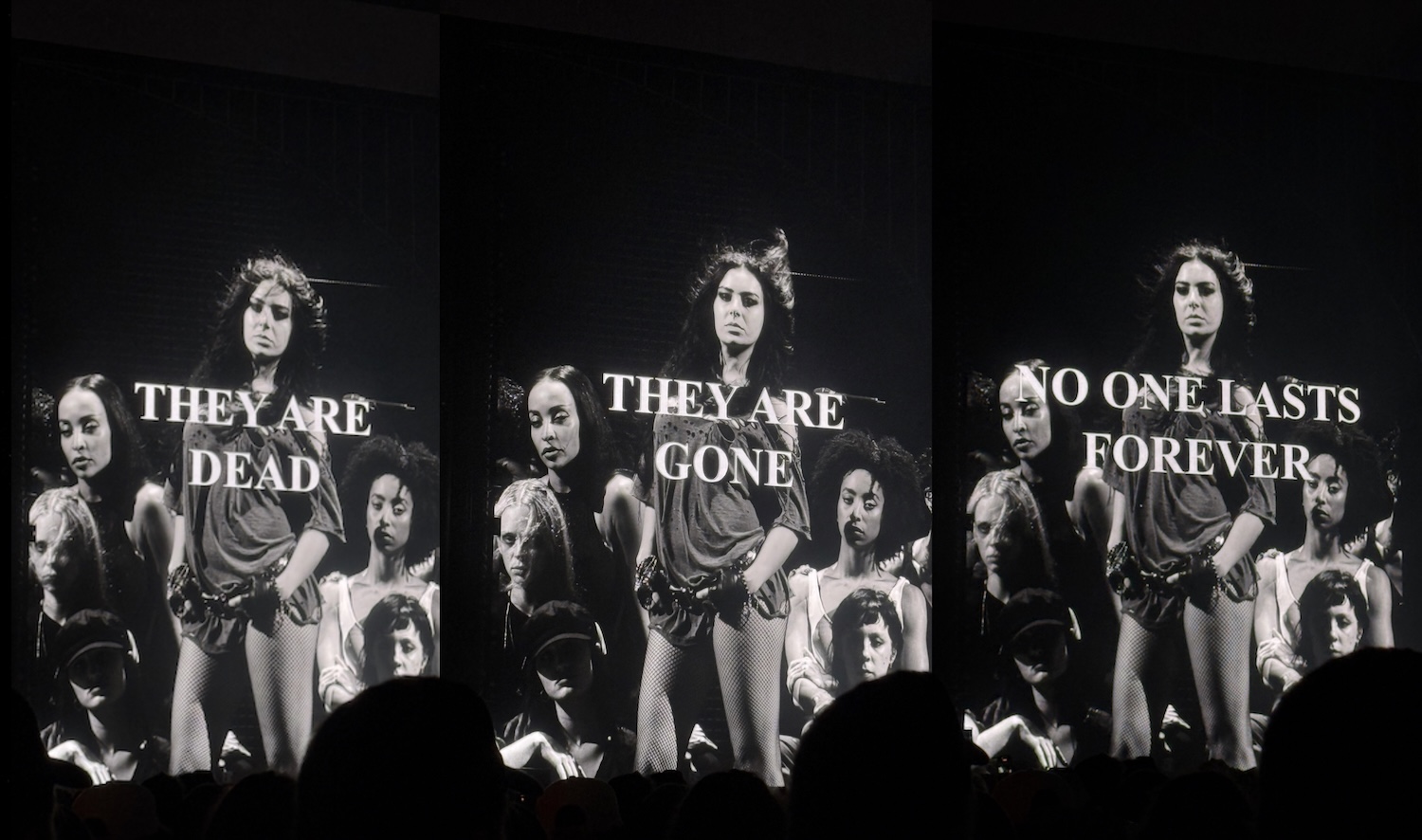
Having put together such a show, how would Charli end things? It was the best part of the night, as Charli performed "No One Lasts Forever," the final song on the new album. After performing the three verses, Charli positioned herself as a statue alongside her dancers and band, and let the Cronenberg monologue offer the thesis statement of the album, and of the show:
And it—it can turn out that, yes, some artists have created art that has really survived thousands of years. And that's fantastic, but experientially, for them, they are dead, they are gone, they are not experiencing that. These are true things, and thank goodness for them, I really feel. And you hear me assuring you that oblivion is freedom.
This was a real anvil to the head, and an incredible way to end the show. Impermanence, the unstoppable passage of time—all that was on offer, but also liberation through acceptance. As she sings just before the first "No One Lasts Forever" refrain: "And I know deep down that it's here and now." Here we all were, the gathered thousands, at the ziggurat. Nothing, not even Brat Summer, could last forever. What a beautiful thing.