
Tom Dundon and the Portland City Council remain in a standoff. In early August, the city approved a $120 million expenditure of public money for renovations of the Blazers' longtime home arena, located in the city's Rose Quarter entertainment district. The city's proposed terms included a new 20-year lease, a $3 million annual payment to the city (compensation for property taxes the team avoids by playing in a publicly owned arena), and for the team to commit to using unionized labor. Dundon's response, as delivered by underlings at a July public meeting, was a resounding Hell no. Portland is too crummy a town, says Dundon, to expect those kinds of compromises. It is beset by a "stagnant business climate, high income taxes, and [a] divisive political environment," and Portland's civic leaders need to get serious about what constitutes a "market-rate deal" for such a place.
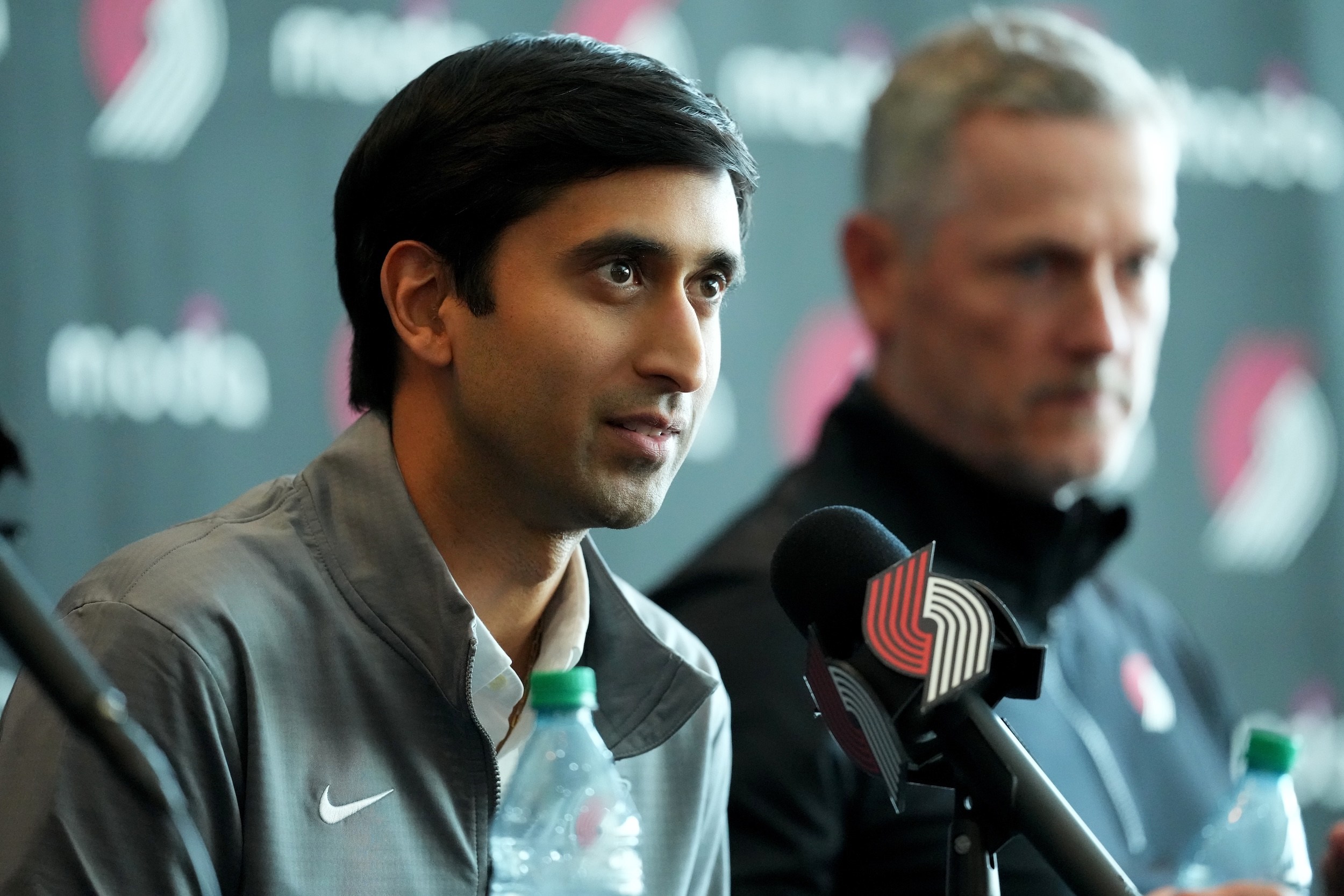
Dundon's title is "controlling governor," and he is the face of the team's new ownership group, which bought the Trail Blazers in March 2026. But he is not the all-powerful franchise owner in the way we tend to think about sports owners. In order to purchase the team from the Allen family, Dundon had to pull together a team of investors and pool their resources, and as a consequence of that arrangement, there are only so many things he can do unilaterally. Defector spoke last week with a Blazers source familiar with the ownership group's decision-making process and was told that on the matter of, say, relocation, there would be a vote of governors, and in that process Dundon's vote would count the same as anyone else's. Dundon puts a Darth Vadery countenance on decisions made by this group of governors, but he is not absolutely empowered to dish vengeance on the city for opposing him too strenuously in arena negotiations. For that, he would need the support of at least two of his four fellow co-owners.
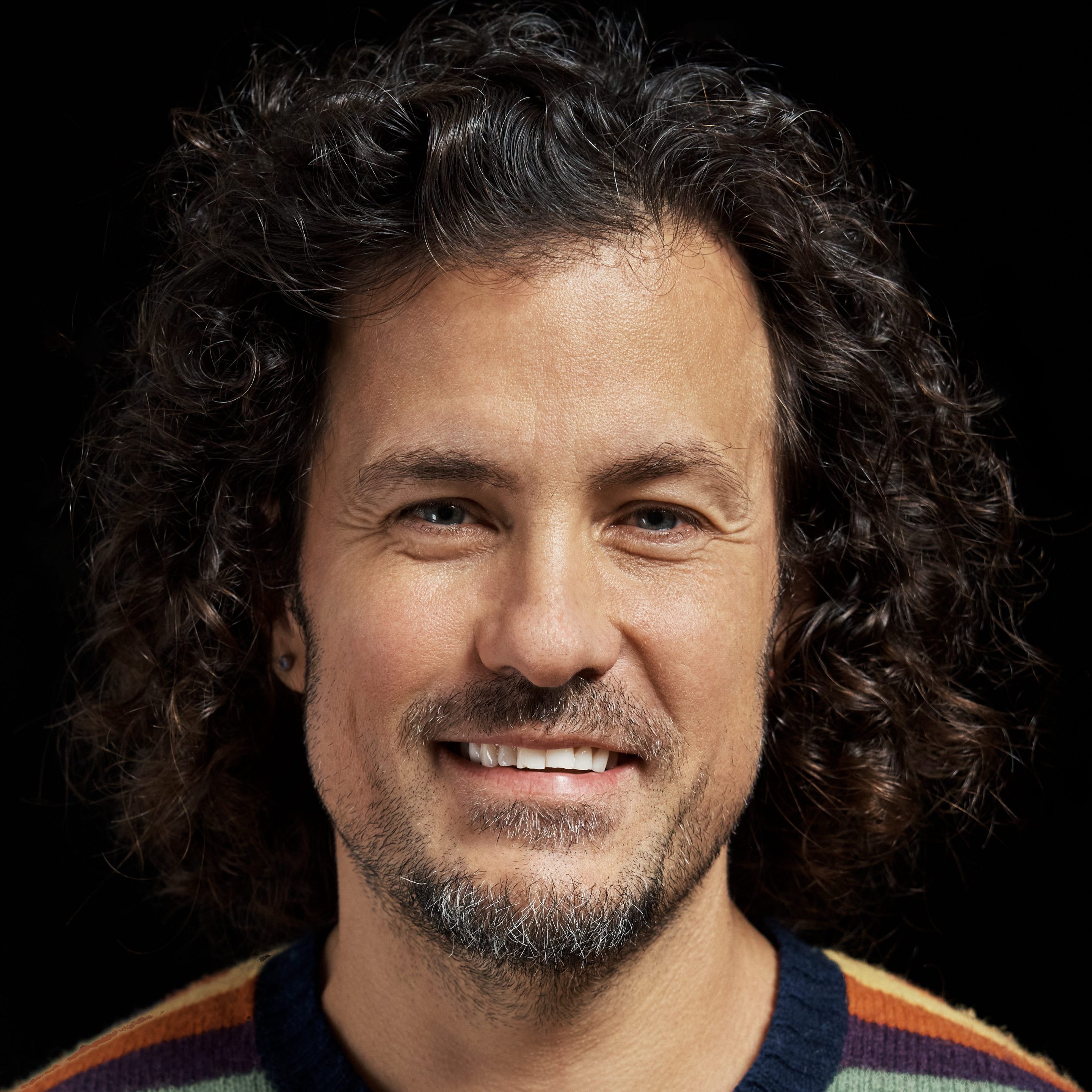
That is probably encouraging to Blazers fans, especially because there is another guy out there, with the job title of "alternate governor," who is putting a different kind of face on the new ownership group. His name is Sheel Tyle, and in a profile in The Athletic published back in early April, when the ink on the team's bill of sale had not yet dried, Tyle is depicted as a happy-go-lucky, hoops-loving, regular-type Joe, who lives in Portland and is friends with Damian Lillard. Better yet, he is described in the profile as a "local Blazers co-owner" and as "one of the only Oregonians to own a share of the team," one whose "local presence" will "give Portland a voice" if Dundon ever broaches the topic of relocation.
Back in April, the profile read as a mildly annoying puff piece written by a journalist allowing himself to become overly enamored with a member of the ownership class just because he's young and seems normal. Now, months into Dundon's rhetorical campaign against Blazers fans and the city of Portland, it naturally raises some questions about what Tyle has been up to this whole time.
Blazers fans might be wondering today how this alternate governor's loyalty to Portland, his personal friendship with a local icon, and his "understanding of how deeply the Blazers matter to Oregonians" all square with what is taking place in arena negotiations. Surely Tyle, a local, supports Portland's civic leaders when, supported by every credible study ever published on the matter, they work to offset the risk of using public money for sports arenas by securing protections and guarantees from billionaire franchise owners. Surely Tyle is losing his mind when Dundon's deputies trash his beloved city and describe it as basically unsuitable for hosting an NBA team, while refusing to sign a lease that would guarantee the franchise's commitment to Portland. After all, that is how everyone else in Portland is feeling right now. Surely Tyle's bonds as a local outstrip by far his personal commercial interests; surely that is exactly why Portlanders are supposed to be comforted by his presence in the ownership group.
It's possible to be confused about all of this because no one has much heard from Tyle since he spoke to Jason Quick of The Athletic for that glowing profile. The reason for this, says Defector's front-office source with the Blazers, is because the new ownership group is wary of politicians twisting their words, and the five co-owners have decided together to hold their fire as much as possible until after the completion of negotiations. But rest assured, says our source, that all five members of the ownership group are in absolute lockstep about all of the following: that they purchased a deeply distressed franchise, one in need of just the sort of painful "right-sizing" that has made headlines since the transfer of ownership; that the deal they are offering to Portland, such as it is, is as good as anyone has any right to expect; that their share of arena expenditures is covered absolutely by the terms of their purchase of the franchise; that anxiety about negotiations is crescendoing among the public largely because of reporters and politicians; that delays in the completion of this arena deal are the fault of the city council; and that Dundon is doing a terrific job.
Tyle, reached by Defector on Aug. 25 in London, declined to comment on the record, and did not provide answers to a list of emailed questions.
Tyle's silence might be enough to change a reader's evaluation of Quick's profile from "mildly annoying puff piece" to "ridiculous propaganda," especially when considered next to some other facts about Tyle. For starters, his connection to Portland is tenuous at best. He moved to Portland in 2024 around the time that his wife, Dr. Sejal Hathi, was appointed director of the Oregon Health Authority, which happened in January. The estate of Paul Allen announced that they were in the process of selling the Blazers in May of 2025, and they reached a tentative agreement with Dundon's ownership group, including Tyle, in August of that year. At the time that he began endeavoring to purchase a share of the Blazers, Tyle had lived in Portland for something like 16 to 21 months.
Prior to moving to Portland, Tyle had lived in many other places but never in Oregon, and in fact his venture capital firm, which invests in startups all over the country, is run out of New York. Hathi resigned her public post in July, effective Aug. 1, and is currently listed on LinkedIn as an attending physician and assistant professor of medicine at Stanford University School of Medicine. Tyle's cell phone number has a San Francisco area code. A public records search revealed two addresses associated with his name, one in Texas and the other a PO box in California. This was somehow enough to get him described as a "local" several times by Quick.
It is perhaps a mark of Portland's insecurity that they would consider it worthy of celebration that someone who bought a high-profile, multi-billion-dollar business in their town actually lives in their town. Once upon a time that was pretty normal, even in small markets: Marge damn Schott lived in Cincinnati. They are selling local status mighty cheap in Portland if they are granting it to someone for living in town for a year and a half before buying a basketball team.
Portland's city council is meeting again this week. Negotiations with the Trail Blazers are not currently listed on the agenda, although the council will discuss developments adjacent to the arena. Locals are invited at the beginning of each session to bring their own concerns to the council, in person or via written testimony, even from all the way in London.
Whether or not Tyle still lives in Portland, now that Hathi's job is out-of-state, should not matter to Portlanders as much as this: Nothing that Dundon and his minions are getting up to is done without the approval of the team's other governors. The messaging might be gruff in Dundon's case, or sharp-edged when it comes from his deputies, but it reflects the shared views of the investors who bought the team, wherever the hell they happen to maintain a residence. That's an important lesson: In the same way that suburbia is a consistent culture and environment capable of spanning vast distances, sports owners are members of a tribe. Their interests are aligned. Sports ownership has become wildly inaccessible to used-car-dealership kingpins and local media magnates, the sorts of overstuffed natives who once upon a time might've had loyalties that would theoretically accrue in favor of their team's fan bases. If a sports franchise owner is to be trusted nowadays—and they are not, just to be clear—it should be for what they do, not for what they say, and even less for where they're standing when they say it.