

It was Sunday night in Los Angeles, and the streets of the city legendary for its traffic sat empty. Even Trader Joe's—the beloved grocery chain known as much for its tiny parking lots as its low prices—had plenty of spaces. For once, as the Clueless joke goes, you really could get anywhere in LA in 20 minutes. The reason? Mexico was playing England. In the World Cup. In the knockout rounds. In the vaunted home of El Tri, Estadio Azteca.
Well before I arrived at my local soccer bar, an hour before kickoff, I had resigned myself to being among those who had to stand outside. As I positioned myself the best I could for a view of the TVs, just another person clad in the signature green, white, and red of El Tri, I announced to no one in particular, "Oh thank God, the television is on Telemundo."
I have been far from alone in this sentiment. For the Mexico match, Variety reported that 21.7 million people watched on Fox—while 23.2 million watched on Telemundo. More than half of the total audience watched the broadcast in Spanish.
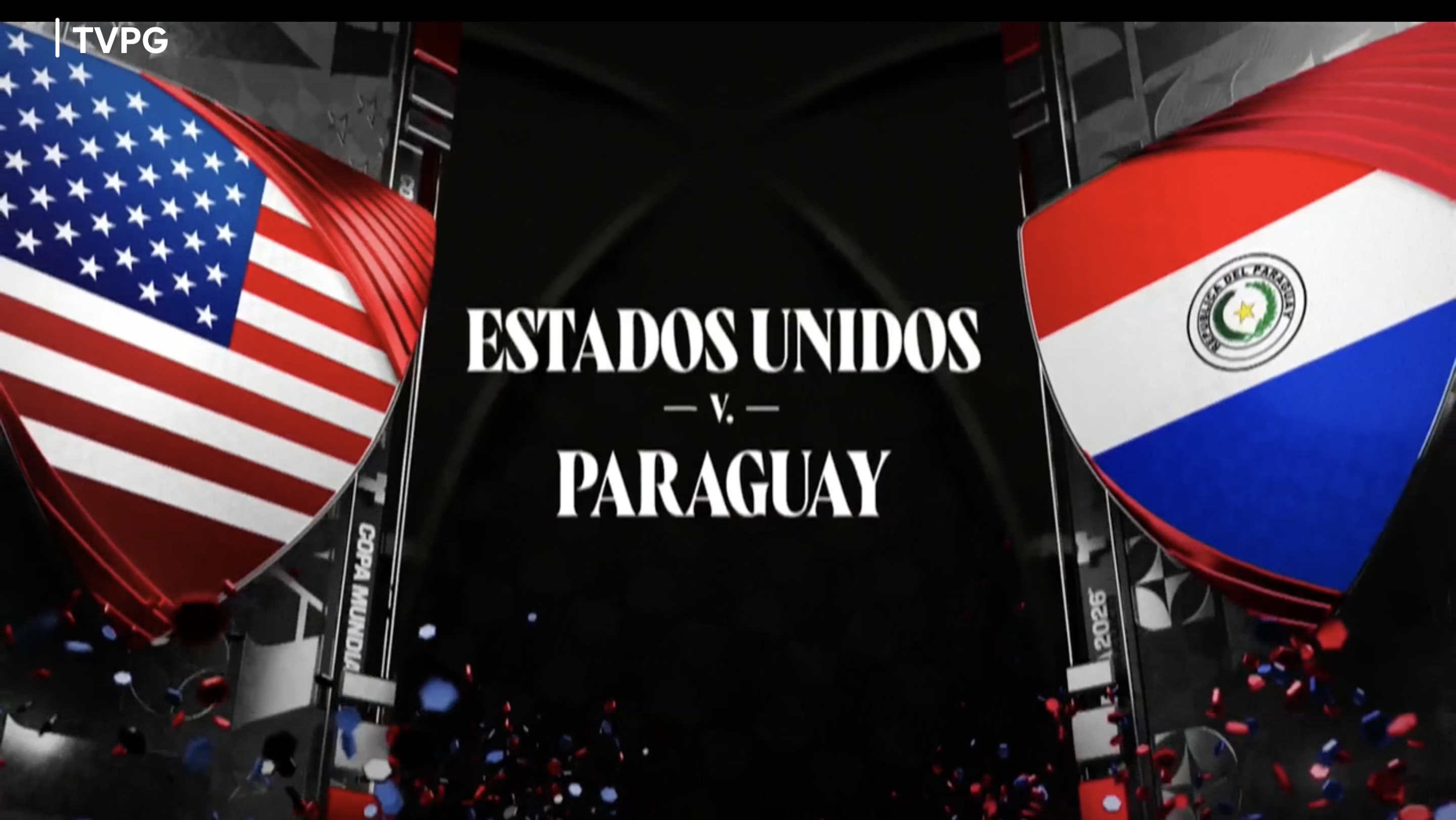
You might say, Oh, well, that was a Mexico game. Surely it was different when the United States played. And it was, but not by as much as you would think. For the following day's match, the U.S. versus Belgium, Front Office Sports reported Fox averaged a bit more than 37 million viewers—while Telemundo averaged 12.9 million. Those numbers mean that more than 25 percent of the viewers for a game with no direct connection to Latin America still watched in Spanish.
About 20 percent of the U.S. population identifies as Hispanic or Latino. In 2019, about 13 percent of the population over the age of 5 reported speaking Spanish at home. If this were just about ethnicity or language proficiency, Telemundo should be carrying, in theory, a much smaller percentage of overall viewers.
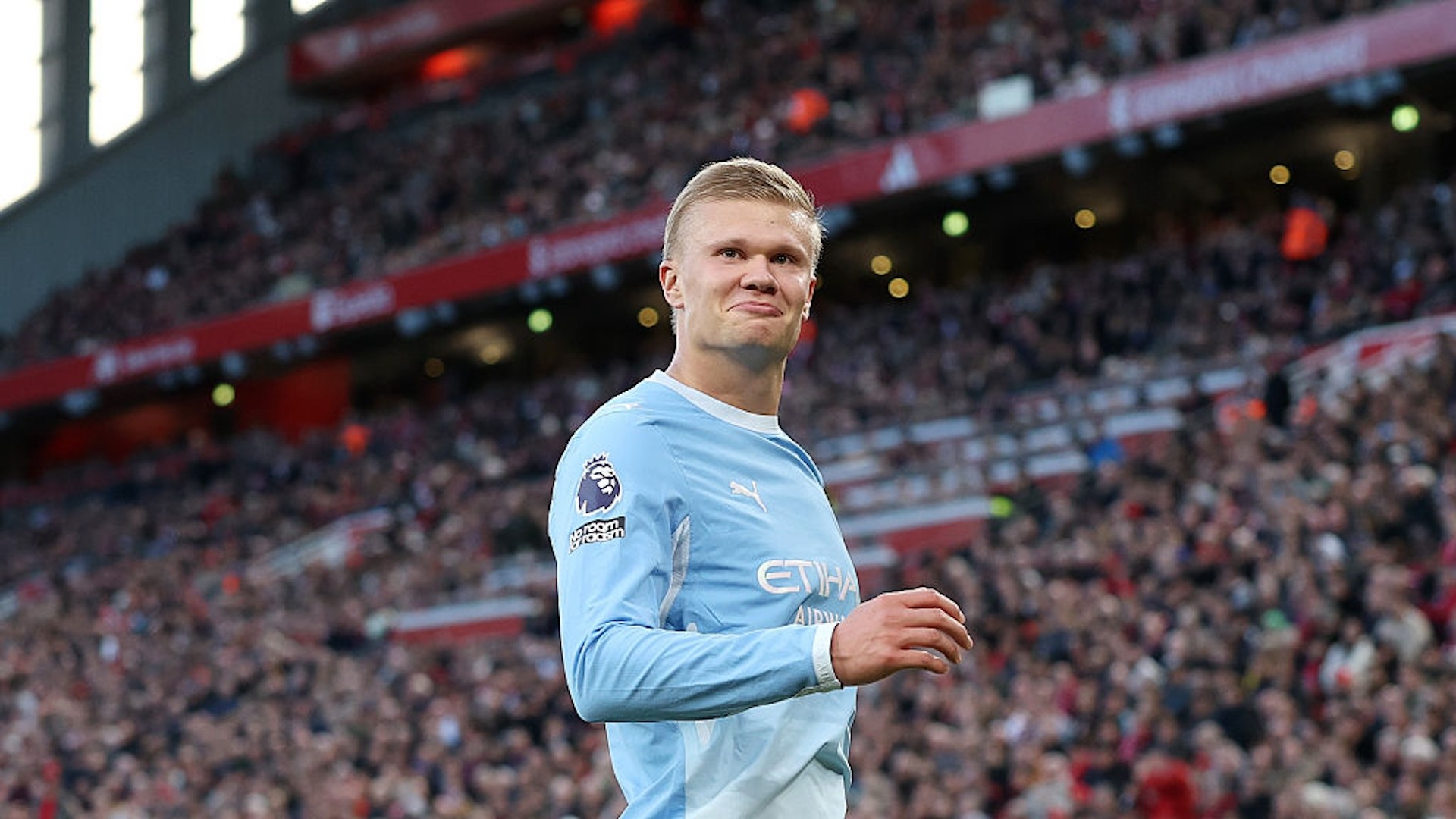
Instead, they're blowing way past that expectation because primary English speakers, like myself, are making the switch. Officially, this is the World Cup of Norway striker and breakout meme celebrity Erling Haaland, England's own young superstar Jude Bellingham, and the overwhelming excellence of pretty much every player for France. But unofficially, here in the U.S., this is the World Cup of Telemundo.
Most reporters and critics agree there are four key reasons why people are turning to Telemundo. People feel the broadcasts are more enjoyable and higher quality. The network doesn't cut to commercials during water breaks, a.k.a. pausas de hidratación. For those streaming the games, Peacock, which includes Telemundo's soccer broadcasts, costs a little more than half as much as FoxOne ($10.99for Peacock, versus $19.99 for Fox One). And then there's Fox's undying loyalty to former USMNT player turned soccer analyst Alexi Lalas—once described by our Ray Ratto as a "reliably egregious foof."
Take it all in, and the switching makes sense. The English-language option costs most to stream, won't show you everything happening on the field, doesn't get you live access to the most famous soccer narrator in North America (that's Andrés Cantor and his iconic goooooooooooool), and instead gives you a guy whose own co-hosts seem to dislike his commentary.
As William Kennedy, who lives in Miami, put it to the Associated Press: "When the American commentators are doing the game, I don't know what game they're watching. I just don't. I'd rather get the excitement in Spanish because essentially what happens is they're talking, and then they're talking really, really fast, and then they're getting loud and your brain is just like, 'Oh, something's happening—even if I don’t know what's happening.'"
On Telemundo, even the score bug is better. It always includes two dots to show what colors each team is wearing. For example, they showed a red dot for Norway (who wore red) and a white dot for England (who wore white) on Saturday. This way, even if a viewer joins late, they can immediately determine who's who on the field.
Fox sort of does this on its score bug with colored bars, but I find those less effective. It's a small detail, but it speaks to the intense preparation and professionalism Telemundo brings to their soccer broadcasts.
I am far from the first person to notice this phenomenon. The Associated Press has reported on people making the switch. So has NPR. Dan Shanoff, a managing editor at The Athletic, said he was hooked on the Telemundo broadcasts. There's even a running joke on Threads about picking up the long-running telenovela El Señor de los Cielos, regularly advertised by Telemundo during games, once the World Cup ends.
Comedian Trevor Noah has been watching the games on Telemundo for his live World Cup shows on YouTube because, as he put it, Telemundo has "the best coverage in town."
Telemundo knows this and is leaning all the way in. During France-Sweden, one of the broadcasters thanked all the non-Spanish speaking viewers for joining them. Miguel Lorenzo, senior vice president of sports content and production for NBCUniversal Telemundo Enterprises, recently told Variety the the feedback is more than just people prefer soccer in Spanish. They're reacting to the overall higher quality of broadcast.
"It's been really surprising to see people call out very specific things that we planned for in our strategy, whether it's the hydration breaks and not going to commercial and staying on the feed once the clock starts, so that everybody can catch every single moment," Lorenzo said. "We've even had people comment on our graphics package and how great it looks."
FIFA, it appears, has also noticed. The global soccer organization, which sells the World Cup broadcast rights, is reportedly looking to make its next rights deal for the men's World Cup in the U.S. with one company that will broadcast in English and Spanish to "help eliminate some tensions between rival media companies airing the same games."
That report, from CNBC's Alex Sherman, suggests that such a package could make it hard for Telemundo to keep the Spanish-language broadcast rights. Its parent company, NBCUniversal, already pays billions to air various sports. And NBCUniversal's parent company, Comcast, has said it intends to spin out NBCU. Netflix could be in the mix; the streamer already has the rights to the next women's World Cup in English and Spanish.
I am likely in the minority on this, but if that does happen, I will miss getting to evangelize for the church of soccer on Telemundo. Though I will be happy it's still available in Spanish. Watching my fellow Americans learn to love the beautiful game en español, which I discovered as a child growing up in South Florida, reminds me of the fluidity that, to me, has always made the Americas the Americas.
Of course one of the best USMNT players is a guy who grew up in London with Nigerian parents but was born in New York City. Of course LA, where downtown sits less than 150 miles from Tijuana, shuts down for Mexico games, half the city clad in El Tri jerseys, some just bought off street vendors the day before. Of course Andrés Cantor called every USMNT and every Argentina game, making his hoarse call of goooooooooool for Lionel Messi's key strike via Egypt (less than 24 hours after also narrating the U.S. game) all the more moving.
After Mexico's loss on Sunday night, as our disheartened mass began to disperse, a group of England fans spotted me in my Mexico jersey, pointed, and said, "It's one of those Americans who roots for Mexico, haha!" My new friend (we had just met at the start of the game) yelled back at them. I just stood there in confusion. I didn't get it. What's so weird about me supporting Mexico? Then I thought, meh, those Brits definitely watch Fox. They'll never understand.