

In the lead-up to an inevitable springtime lockout, Major League Baseball has revised the salary cap-and-floor plan it first proposed back in July. The significance of these details is different from sports leagues that already have salary caps, where the numbers are the point. In MLB the fight concerns whether a salary cap will exist at all, with ownership offering up version after version of what a cap could resemble, and players ostensibly declining, baseball bat in hand, until the basic yes-or-no question has been answered.
The latest version, proposed by MLB on Nov. 3, would delay the implementation of a cap from 2027 to '28. This is less a concession to players than it is to teams, giving them a full offseason to prepare rather than launching into a cap system immediately after a lockout. The new numbers offered by MLB are projections, contingent on league revenue, which presumably will change dramatically in '27 depending on the duration of the lockout.
To simplify, the proposed, projected cap would sit at $258.2 million, and the floor at $180.2 million, or at about 70 percent of the cap. This would, in theory, work out to players receiving a 50-50 percent split of league revenue. But like all cap systems, the finer details are contingent on how revenue is collected and how spending is defined.
It would be highly uncharacteristic for a class of billionaire owners—many of whom have shown little interest in the definition of a "competitive baseball team" or "winning" across the past decade—to propose a system that would cost them money, just for the sake of competitive parity. A salary cap and floor would use the same system as current payroll calculations, which include the costs of benefits. As noted in Jeff Passan's breakdown of the current proposal, owners wish to deduct stadium costs from the pre-split revenue, which would significantly cut into any theoretical players' share. MLB also counts amateur signing bonuses for drafted players and international amateur free agents, expected to total $550 million this year, toward the players' revenue split; for players in the majors to cumulatively make more next year than this year, that number would have to be slashed by hundreds of millions of dollars.
According to the MLBPA, players already receive over 50 percent of league revenue, and the cap would slash players' salaries by $500 million. Guaranteed salaries, as they currently exist in MLB, would also change under this proposal: MLB has suggested that up to 10 percent of players salaries be held in escrow, which could potentially be clawed back should the players' share of revenue exceed 50 percent.
Other parts of the proposal are not, in a vacuum, tied to the existence of a salary cap, though the owners will attach them as a negotiating tactic. These include raising the minimum salary to $1 million—itself a bit of a misleading figure, as that value includes a new $100,000 bonus provided only for players with less than two years of service who have played a full season and spent less than 50 percent of it on the injured list—and providing earlier access to free agency.
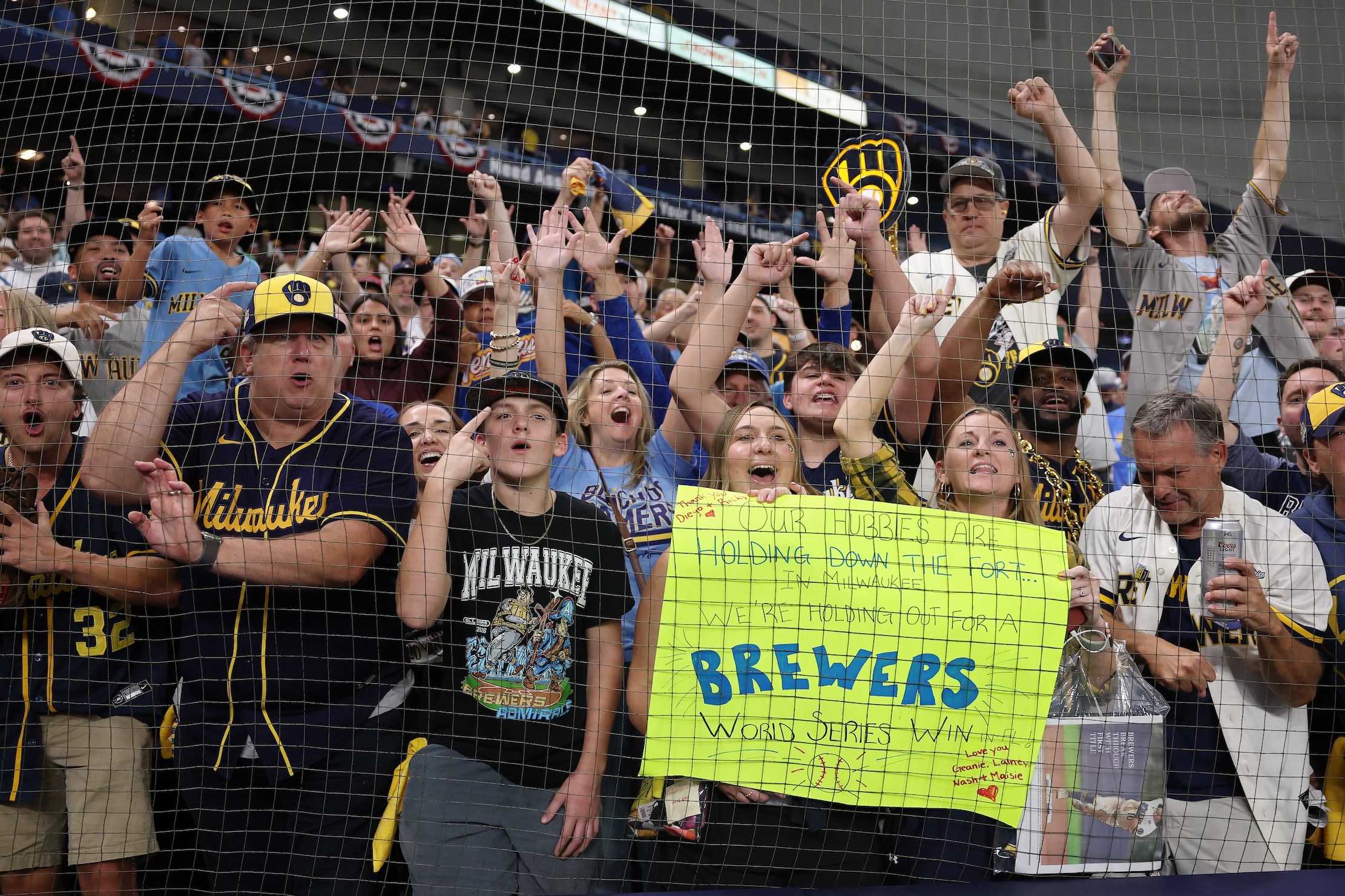
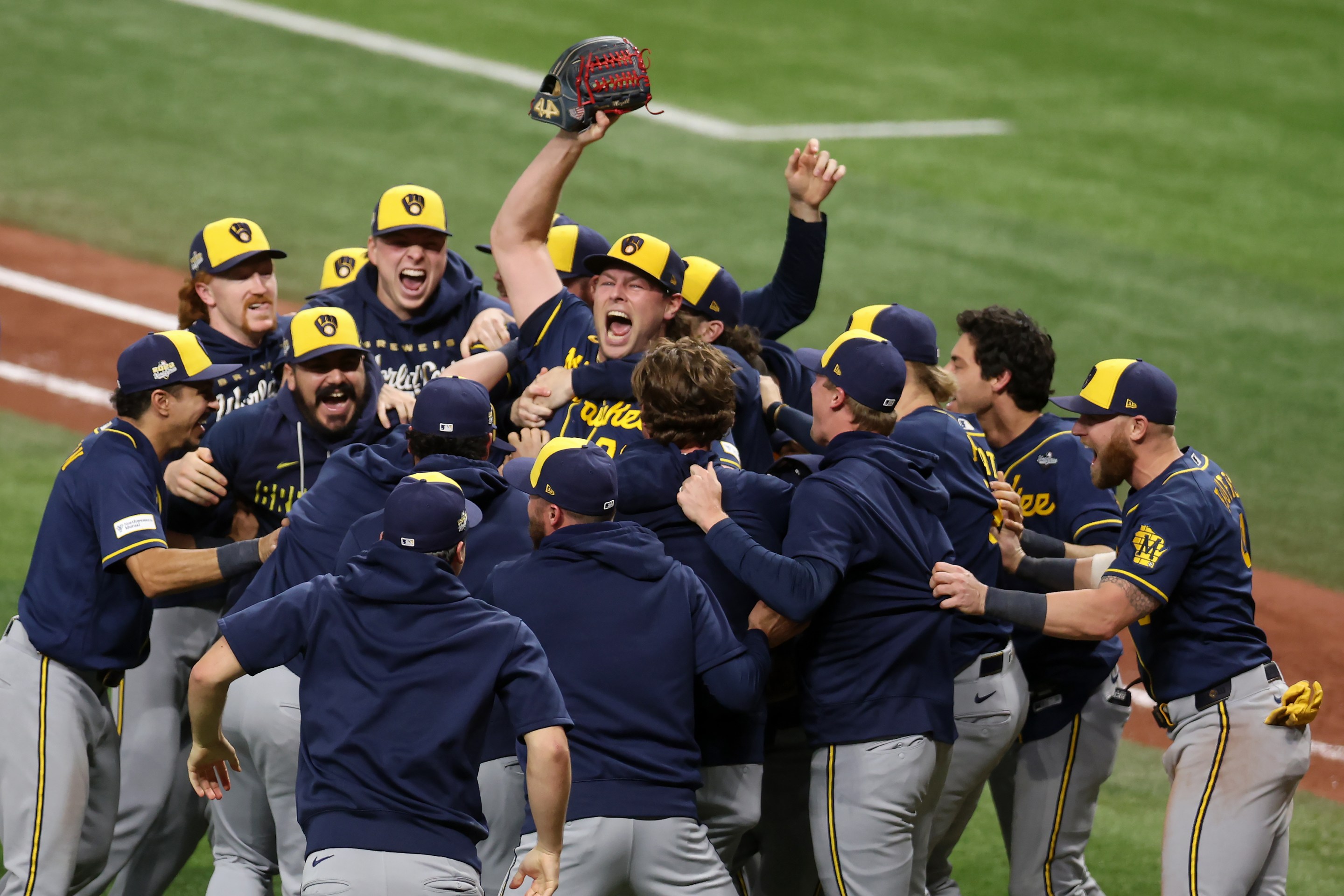
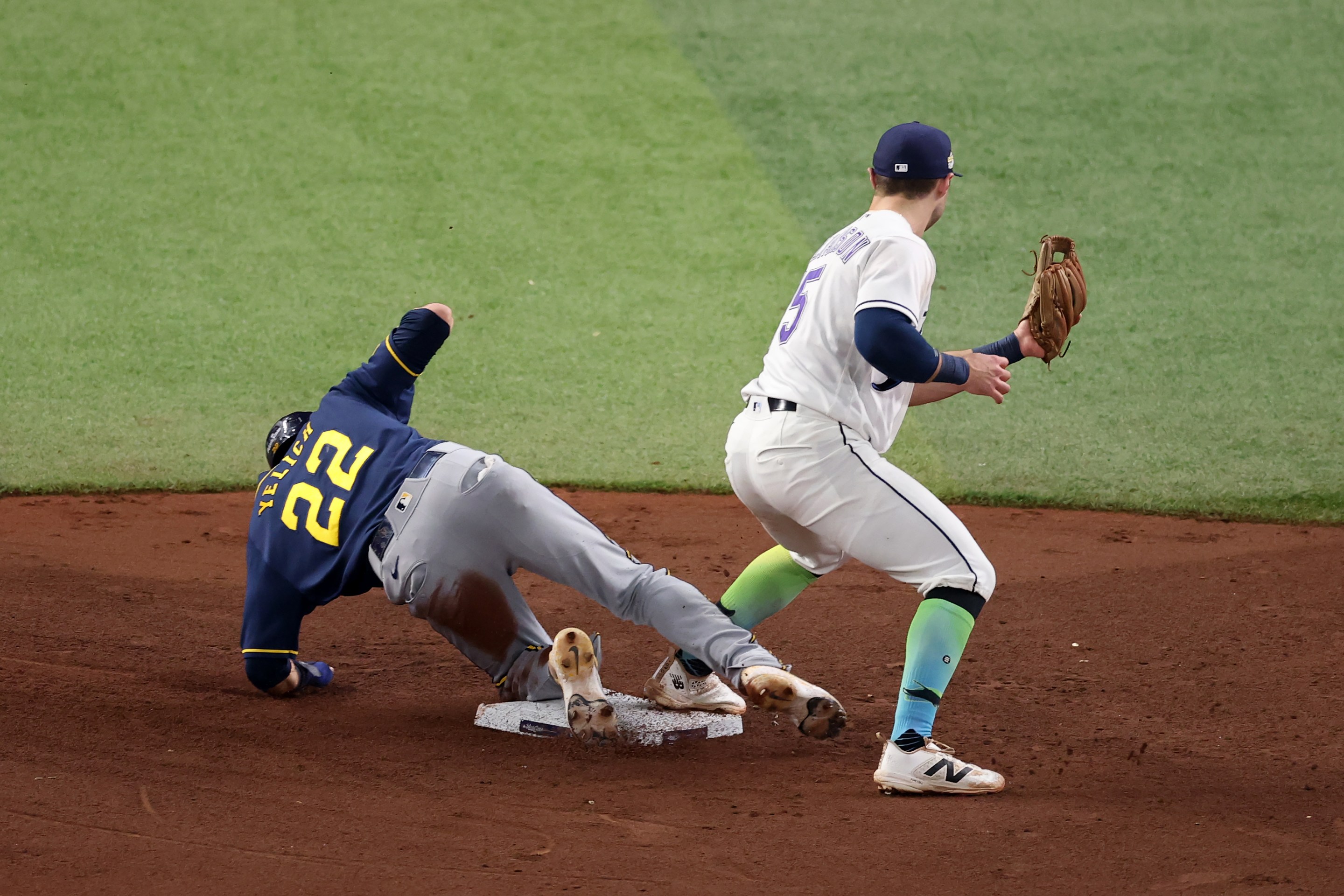
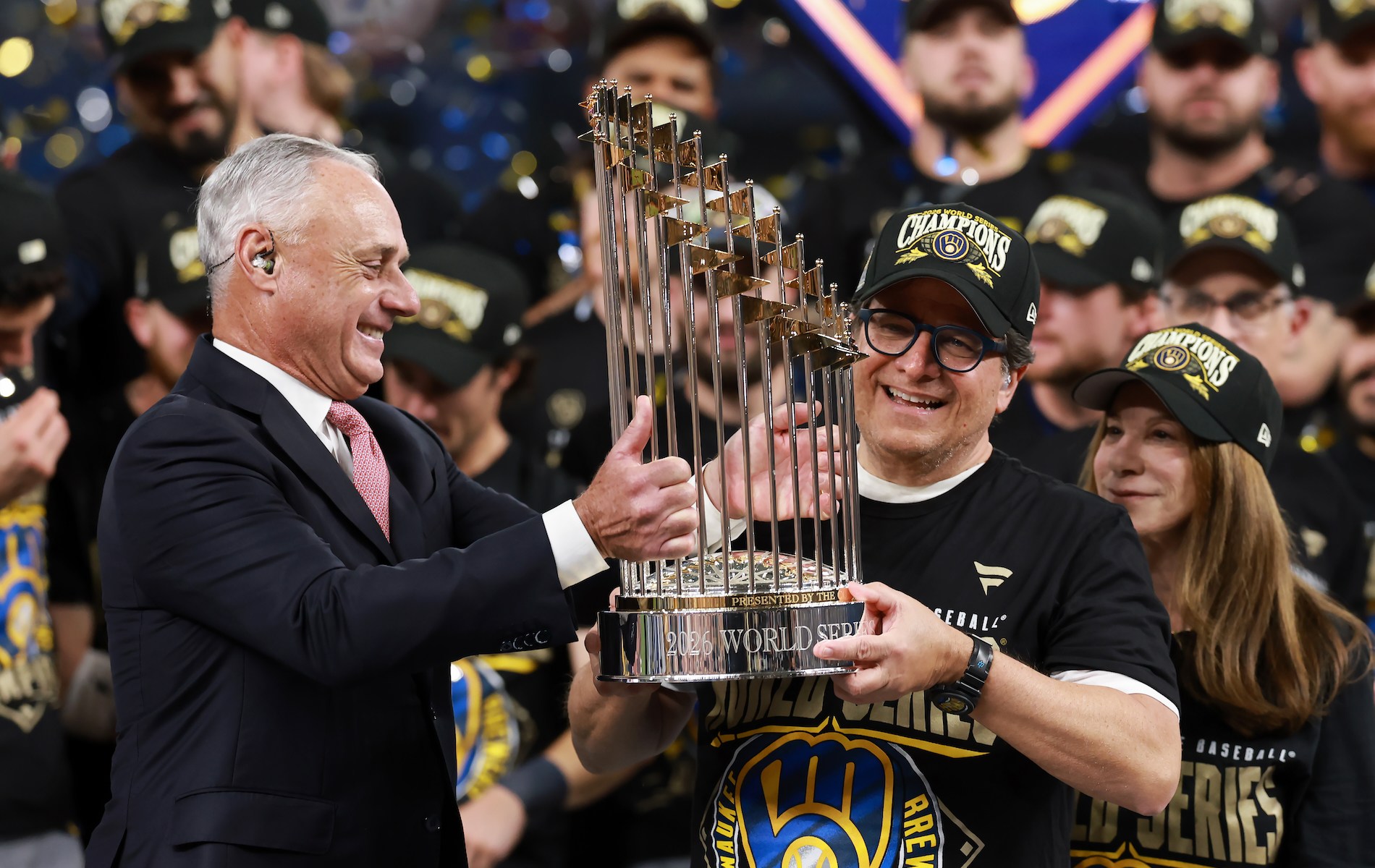
Competitive balance, too, does not necessitate a salary cap, nor is it simplistically guaranteed by a salary cap. The Milwaukee Brewers are the best team in baseball and newly crowned World Series champions, after all. Even a mandatory injection of hundreds of millions of dollars, meanwhile, will not save the Colorado Rockies.