

The Tampa Bay Rays have been dogged in their pursuit of excellence without extravagance, a process that is now two decades along and which has been hugely successful, provided your wall calendar is missing the months of October and November. They have mastered the technique of buying low, selling at an advantageous price, then rebuilding by buying low again so fully that they have convinced many of the league's other owners that theirs is the one true path. They have beaten baseball's mythical salary cap by staying below whatever it would be through simple discipline—as in, refusal to pay market-rate big-league salaries—and industry-leading player development. Good for them; they win a lot of ballgames most summers, and the owners meeting every winter. The ring for that must be enormous.
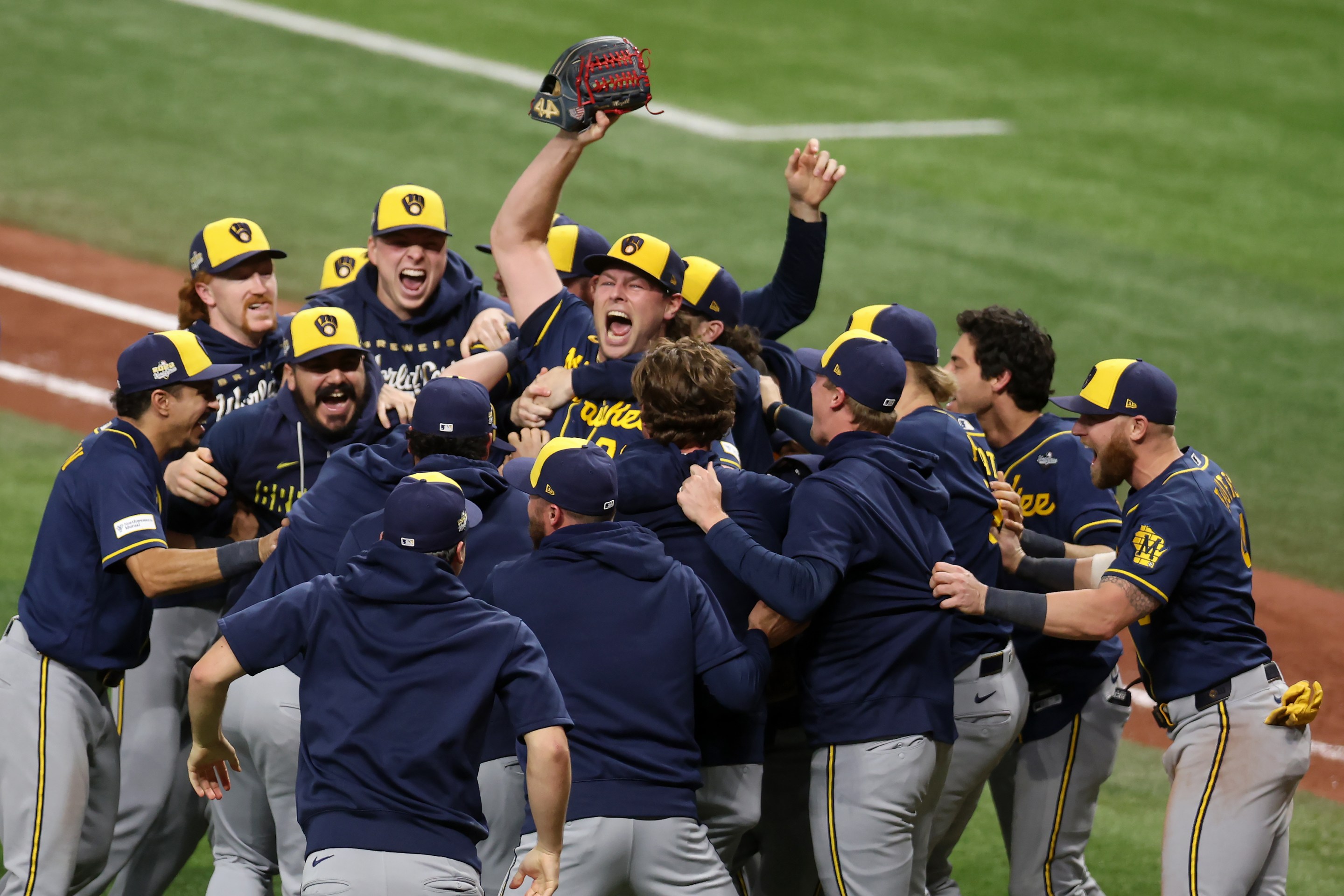
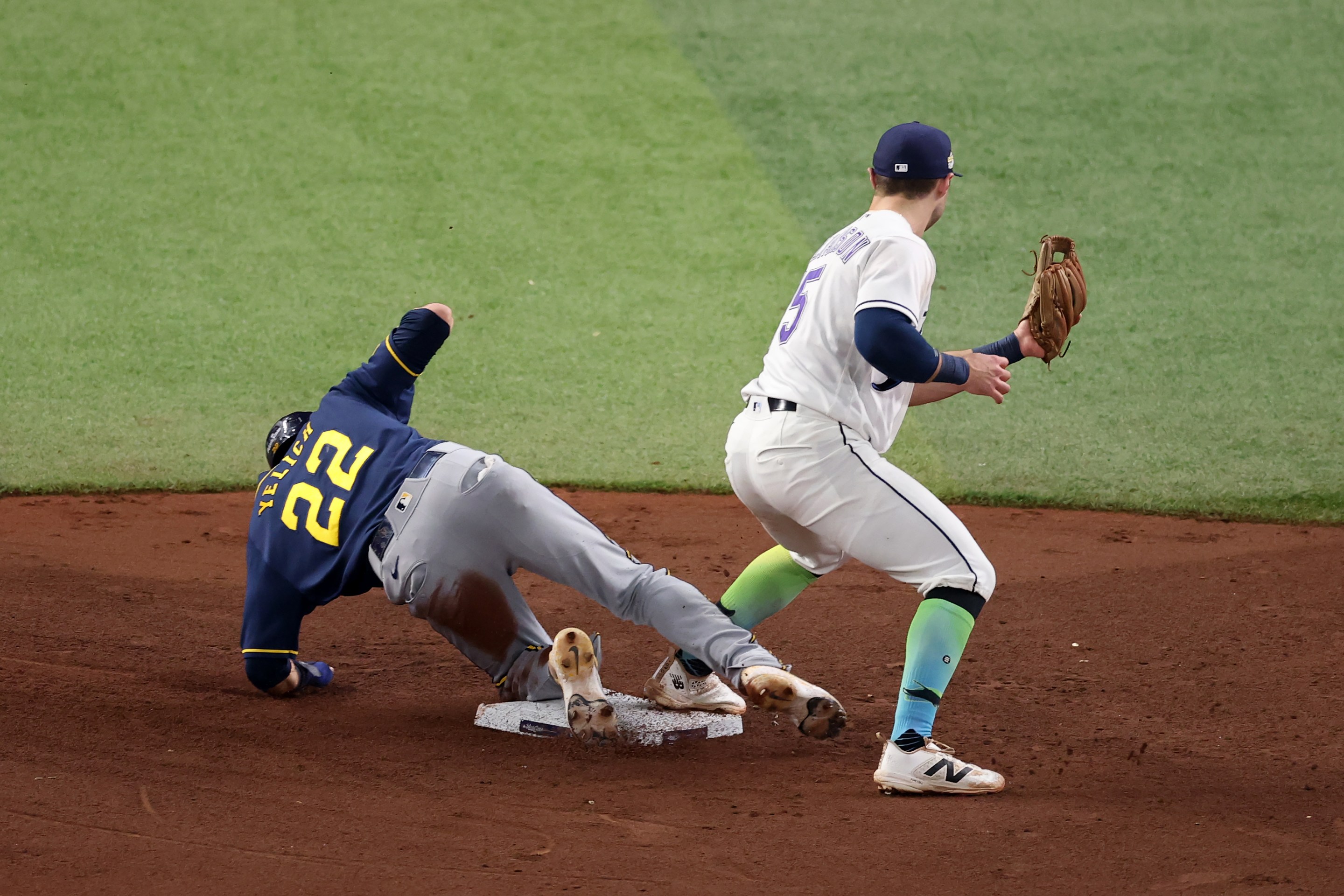
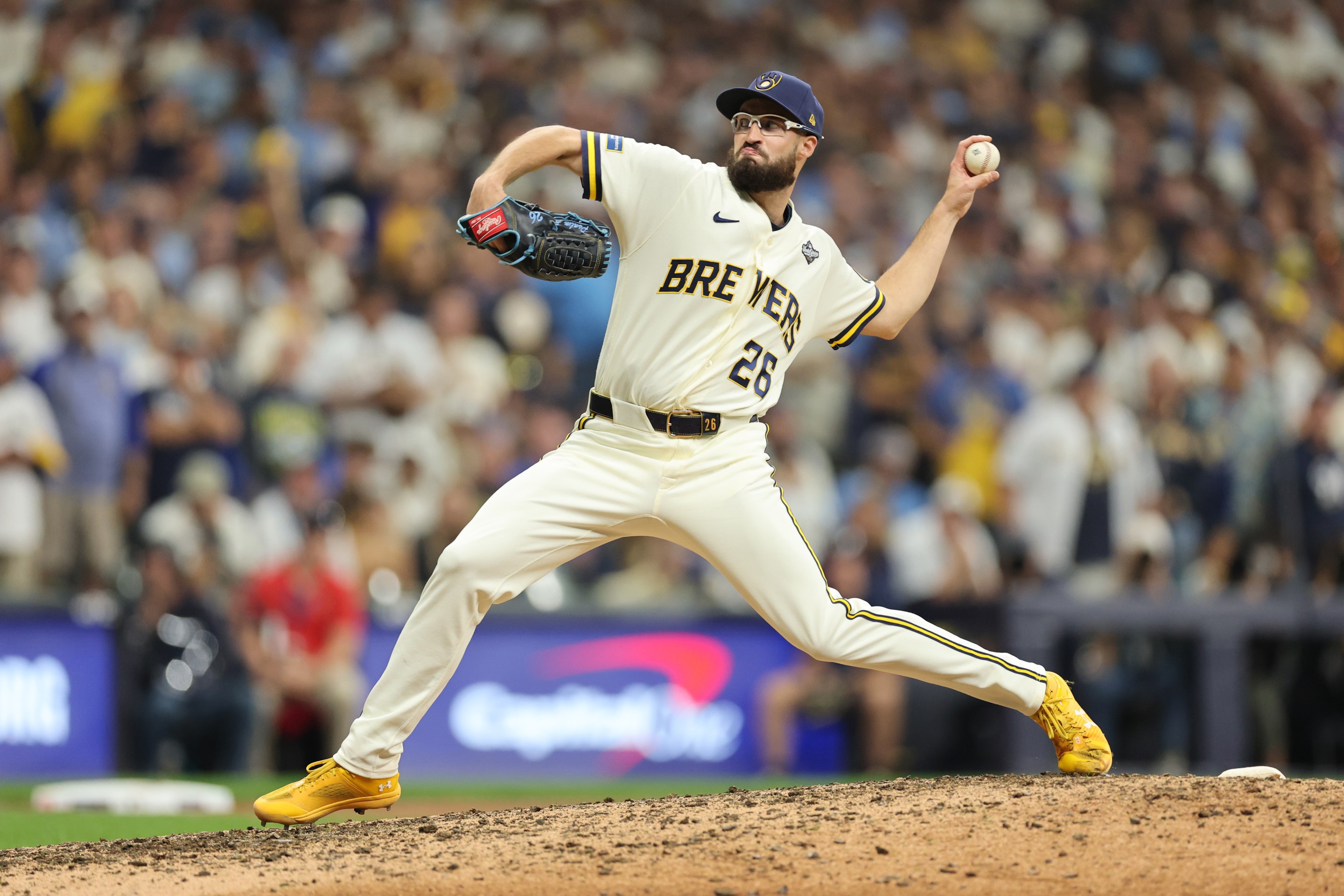
But the Rays received a harsh education in this World Series, and not merely by being eradicated in five games by the Milwaukee Brewers. Other than the 12th inning of Game 4, the Rays left no footprint on the series; in every inning played before midnight in the Eastern Time Zone, they were the inferior team. They were overwhelmed by the Brewers' superior bullpen, the off-brand heroism of Cooper Pratt and Sal Frelick, and the more predictable heroism of William Contreras and Jackson Chourio. The difference between the best team in baseball and the best team in the American League was exactly as advertised.
That's not the problem the Rays face today, though. There is little shame in losing as they did, because the Brewers were the better team when the series began as well as when it ended. Someone finishes second every year. We know this. We checked.
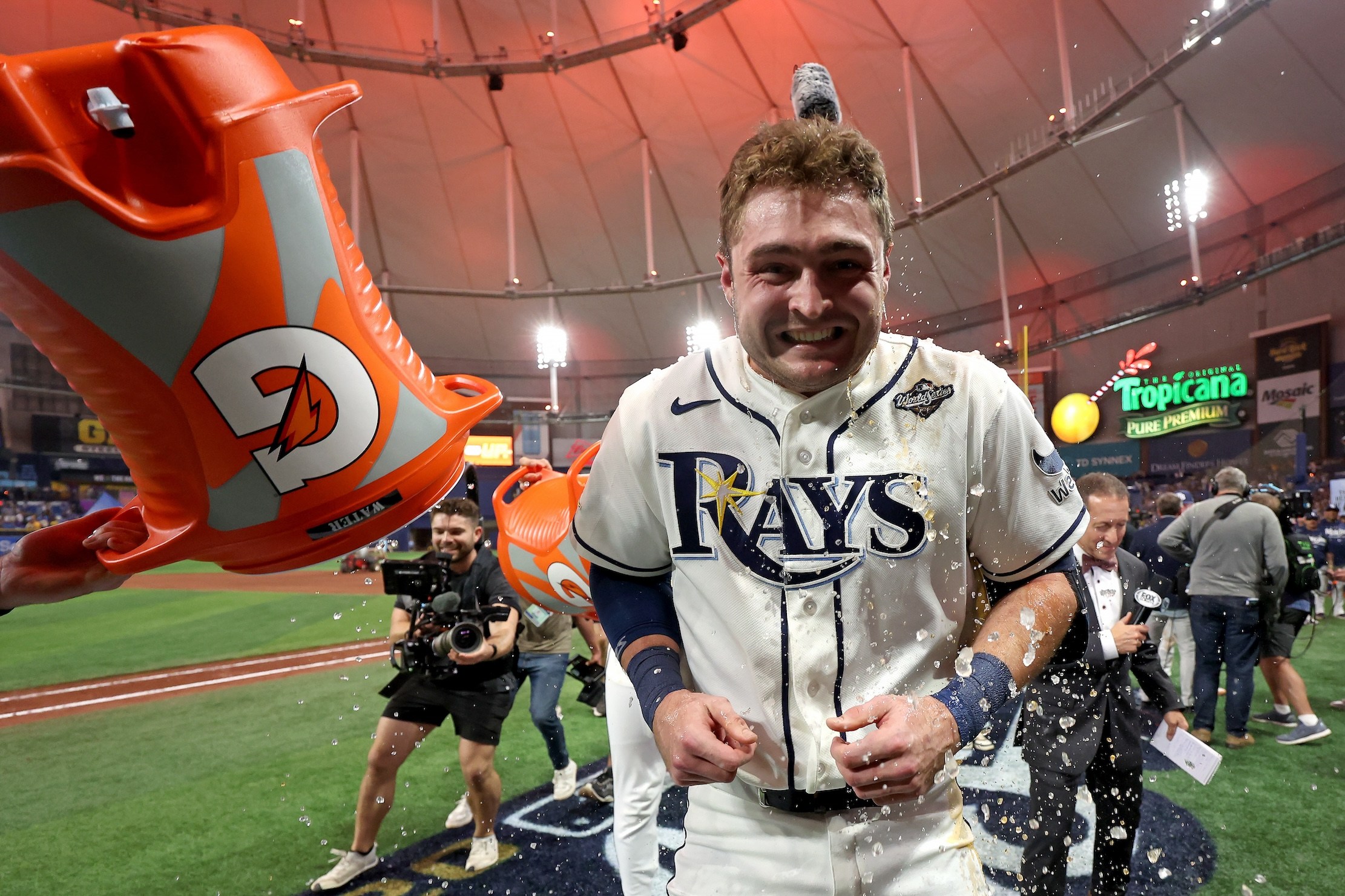
The soul-searching comes now, when Rays management must consider the more ethereal matter of civic ambience. The Rays were as unlikely a Series participant as the Brewers, and their story was just as compelling insofar as they too were looking for their first-ever championship. They had briskly rinsed the spendiest team in their league to get there, just like the Brewers. They benefited from the same broader narrative as the Brewers, too, and it is one that we as a culture purport to love: the plucky underdog that escapes the plucking of others, the little guy who comes up big.
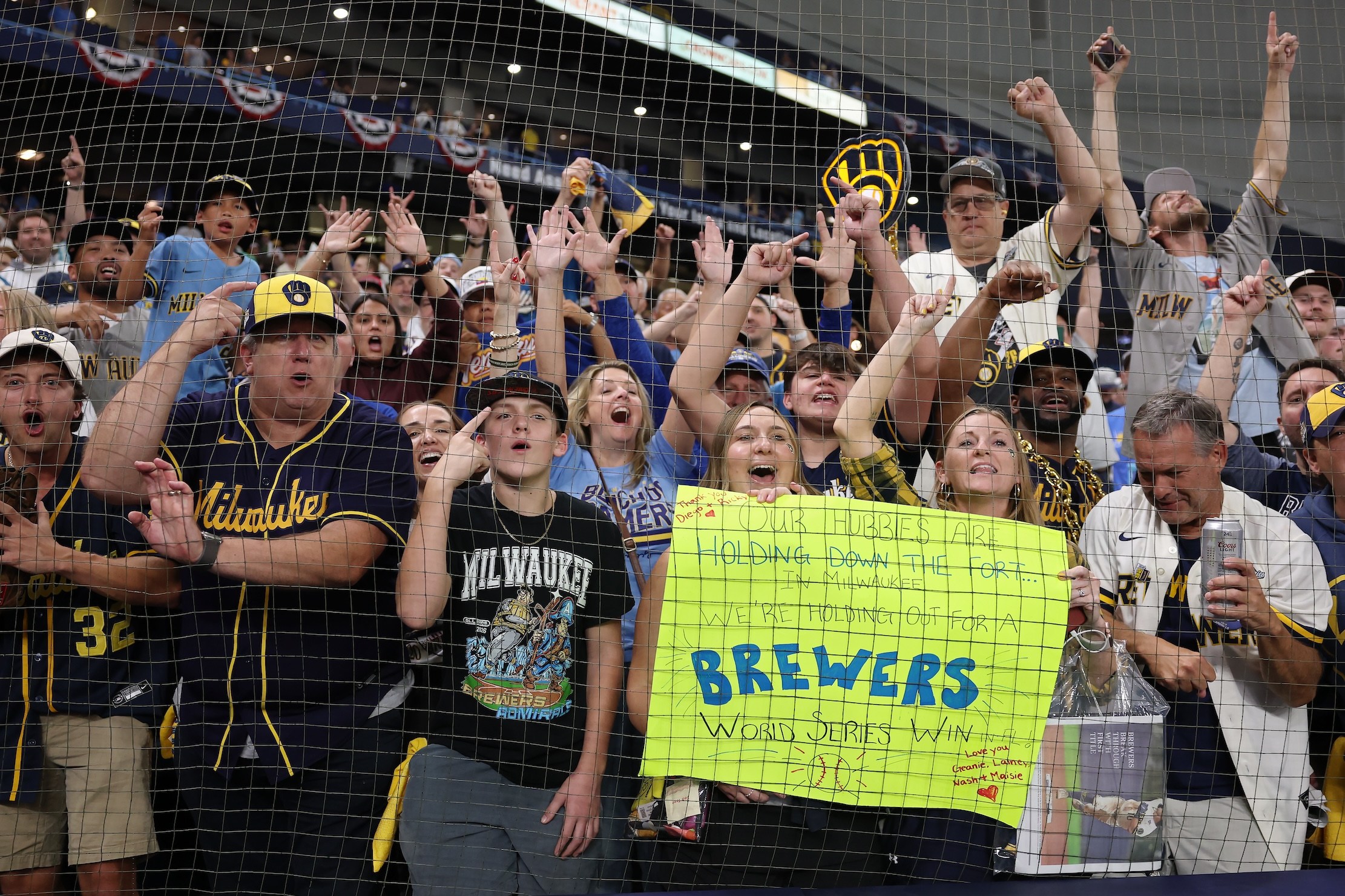
And yet the Rays played all five of their World Series games in front of strangers. Tropicana Field was, by even the most modest estimation, half-filled with Brewers fans willing to pay the same amount of money for tickets as their Floridian counterparts before adding in some millions on airfare, gas, and hotels as their own personal fan tax. Milwaukee fell in love with this Brewers team and the broader Brewers story and then turned up to prove it, damn the cost. Florida's Bay Area did not. In one of the biggest moments in the two franchises' histories, the Brewers resonated and the Rays did not. And in the case of the Rays, the "not" can be embellished with the damning adjective "still."
Before you start purpling up, this is not proof that Wisconsin's baseball-loving citizens are inherently better people than Florida's. That is patent nonsense. In fact, if you're going to a Rays game, you clearly care in ways that Dodgers fans or even Brewers fans do not, because you're not riding a wave of hometown sentiment along the great vibe highway to the ballpark. You care irrespective of peer pressure, and good on you. You earned that beer.
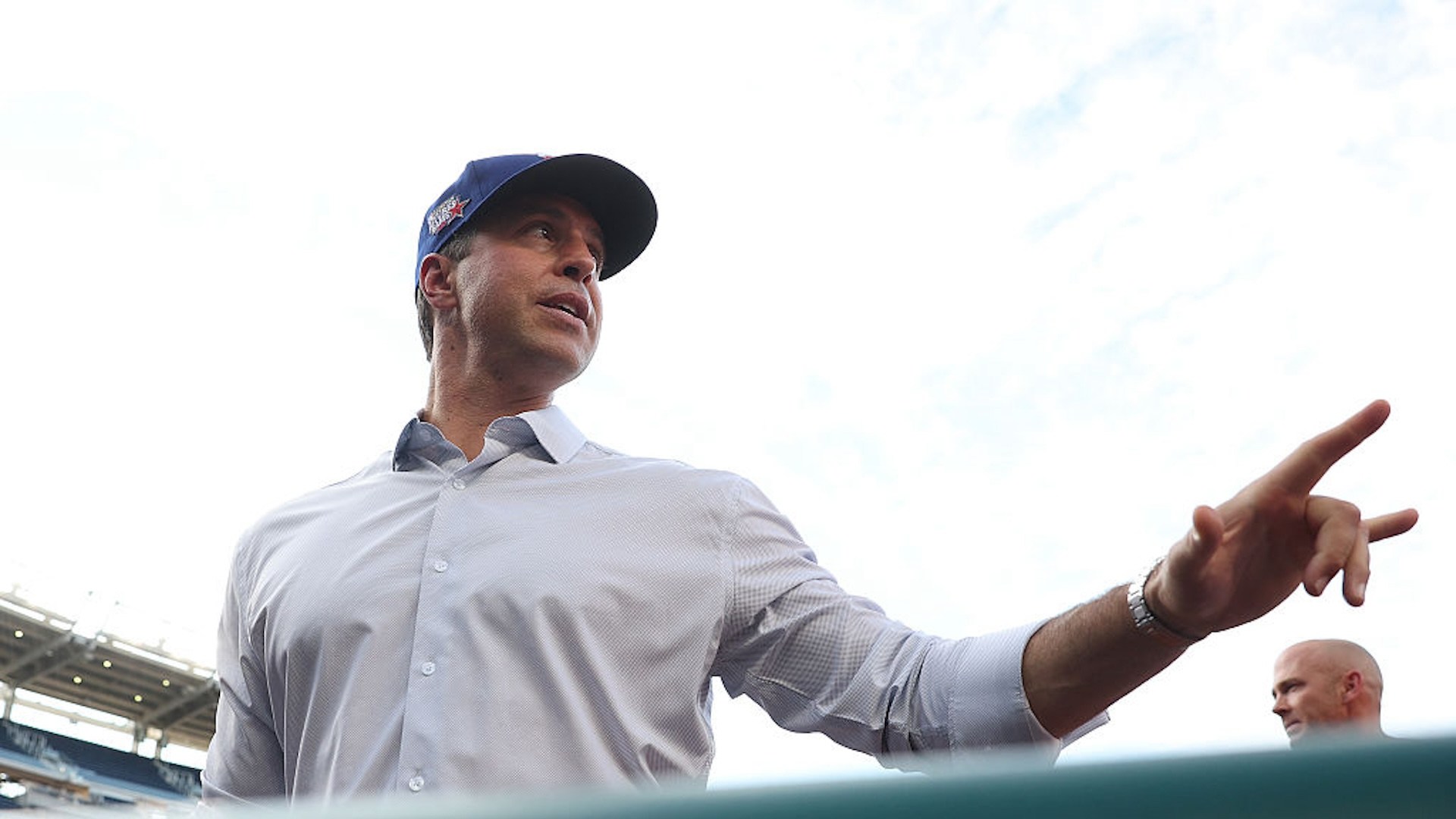
But it does suggest that over the 18-year span going to back to 2008, when both teams enjoyed demonstrable highs—Milwaukee's first playoff appearance since 1982 and Tampa's first playoff appearance ever, and fairly frequent returns thereafter—the people who own the Rays, first Stuart Sternberg and now Patrick Zalupski, Bill Cosgrove, and Ken Babby, have failed at arguably the most important job an owner has, which is to convince the customers to consume the amusement they present.
Making the money and acquiring the real estate is the easy part; all that requires is a weak civic government and an understanding of who greases the wheels and how they get greased. Creating the sort of civic bond between team and town that the Brewers have and the Rays do not is something different, and harder. While owning a sports team is a great business, we judge not by mere obscene profits but by maximizing those profits. The appeal of owning a team lies in large part in the unique power those properties have when it comes to the love and ancillary fortunes of your neighbors.
The matter of the Rays' ballpark and its location is not a reason for fans to be unmoved by a World Series. As an argument, it resonates as a day-to-day matter, because the Trop is not in Tampa, and people who know the region will tell you that Tampa is where the park should always have been. But as an owner/entrepreneur, you're selling the World Series as that rarest and most satisfying perk for fans' years of forbearance (and tax dollars). If that doesn't work, what else do you have to offer in exchange for their money? What exactly are you in this for?
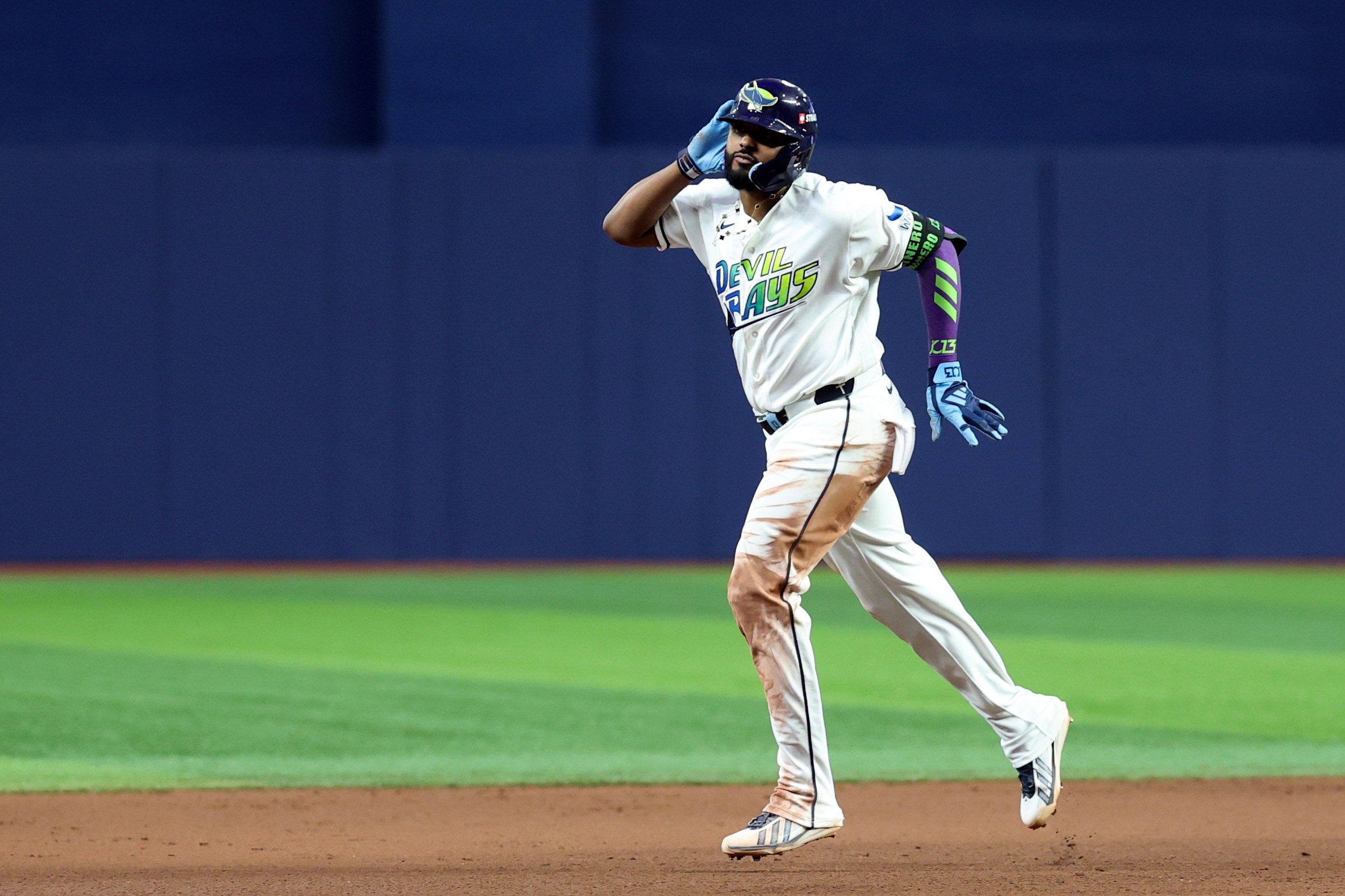
Did the Brewers' energy in the Trop change the Series? No. This is not a competition issue. The Brewers got to use Aaron Ashby, and the Rays couldn't find ways to use Bryan Baker. Chourio hit .458, and Junior Caminero hit .211. The Brewers had Jacob Misiorowski on regular rest, and the Rays had Drew Rasmussen on short rest. The baseball was the baseball, and it went the way it went. The Rays were a very good team that ran into a better one. That happens.
But it is hard not to wonder what the new Rays owners will take from this series. If their answer is, "We'll have a new ballpark, in a better place, and then you'll see," the implication is that Rays fans are just in it for better parking and wider concourses. Maybe they're right, but it does still raise the question: Is the World Series worth more than three or four extra dates at the park? That's not a question they're asking in Milwaukee.