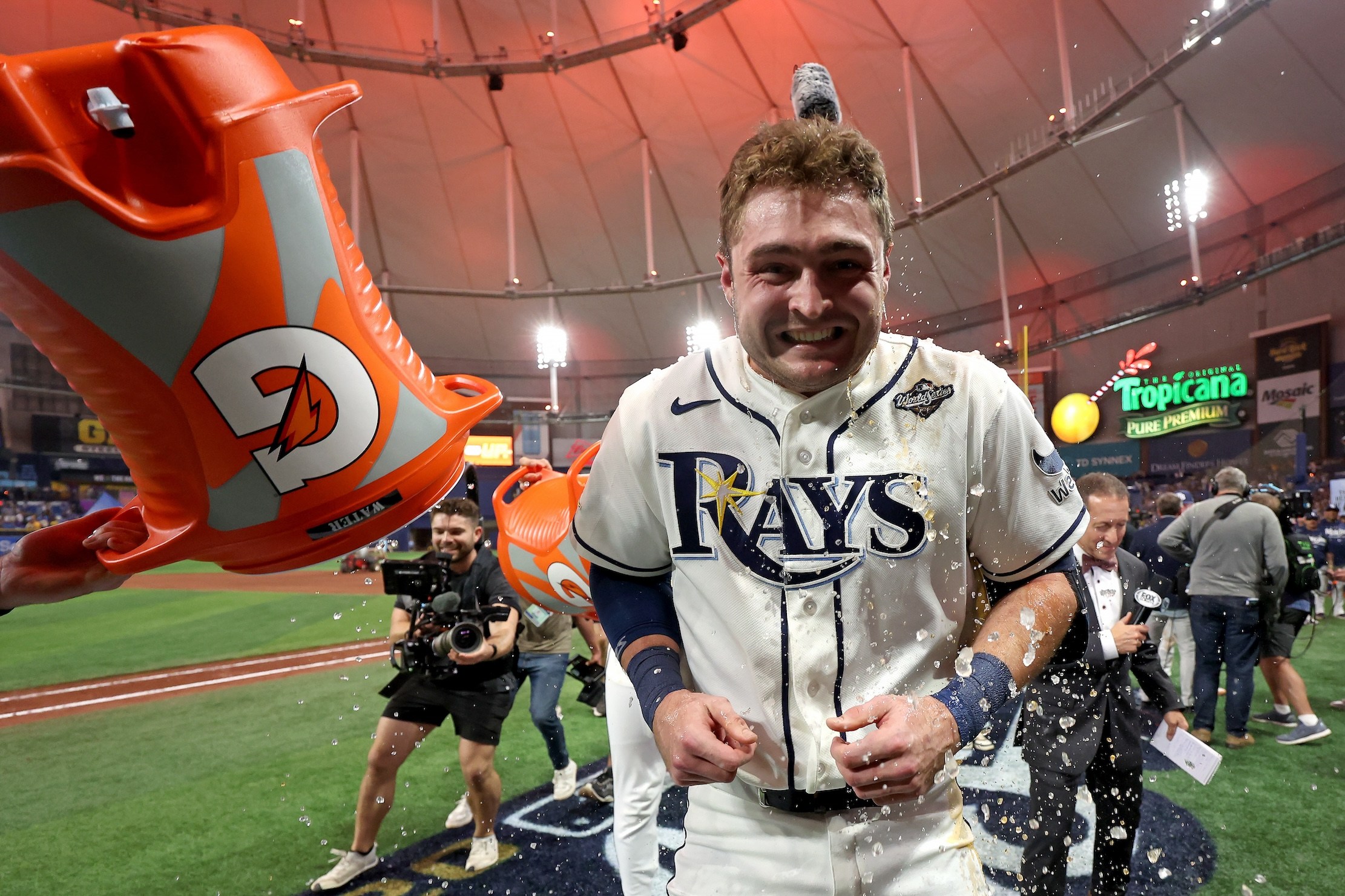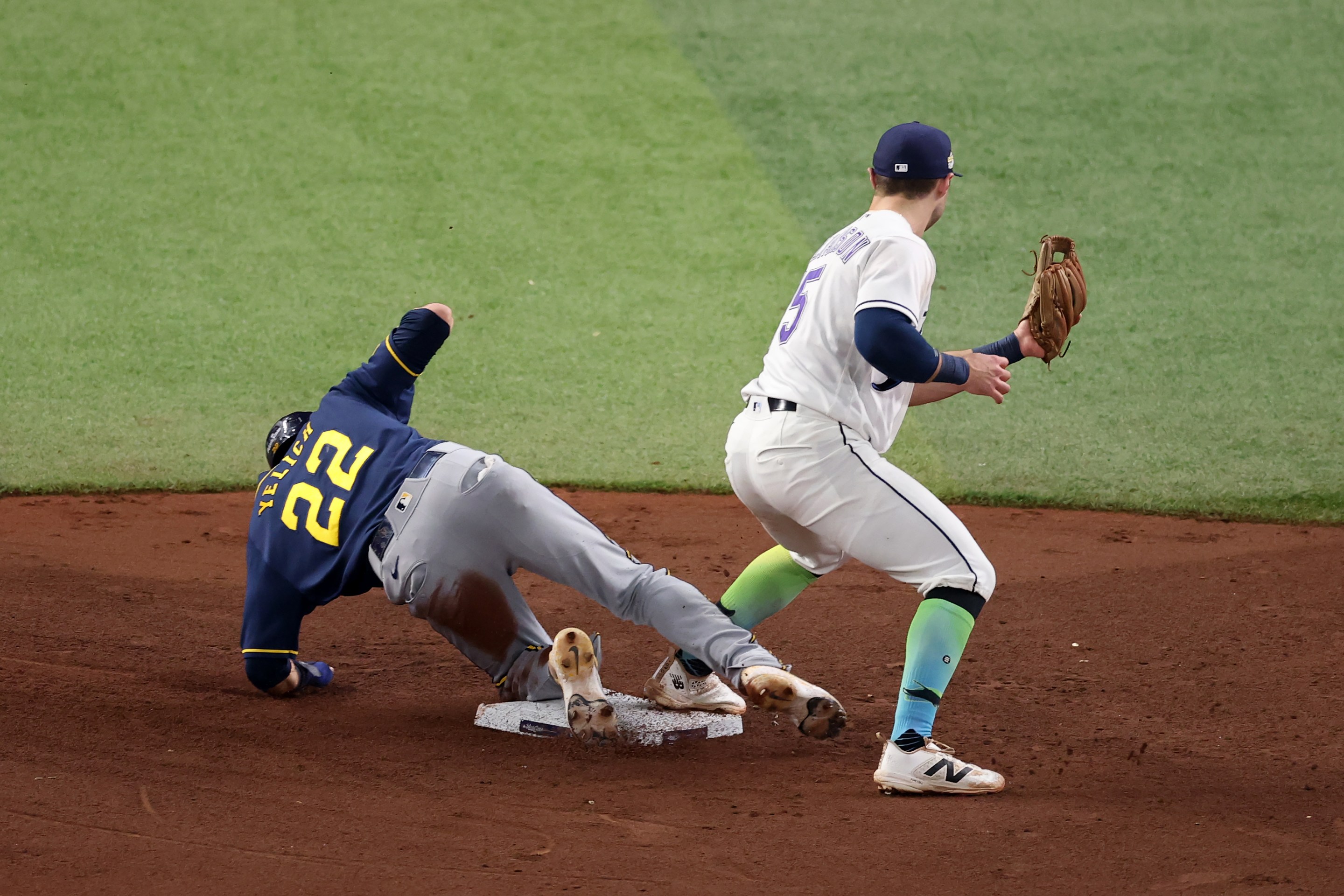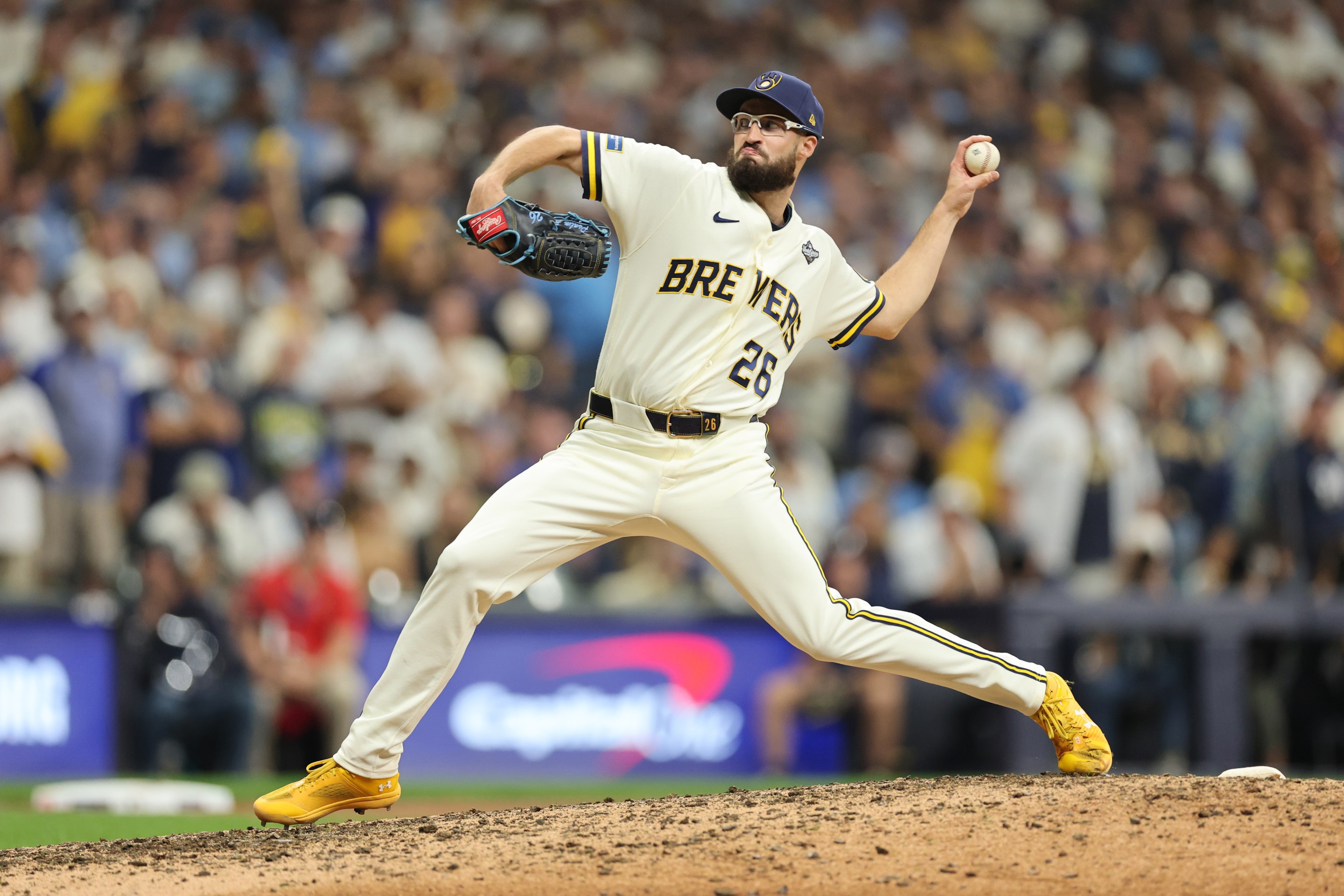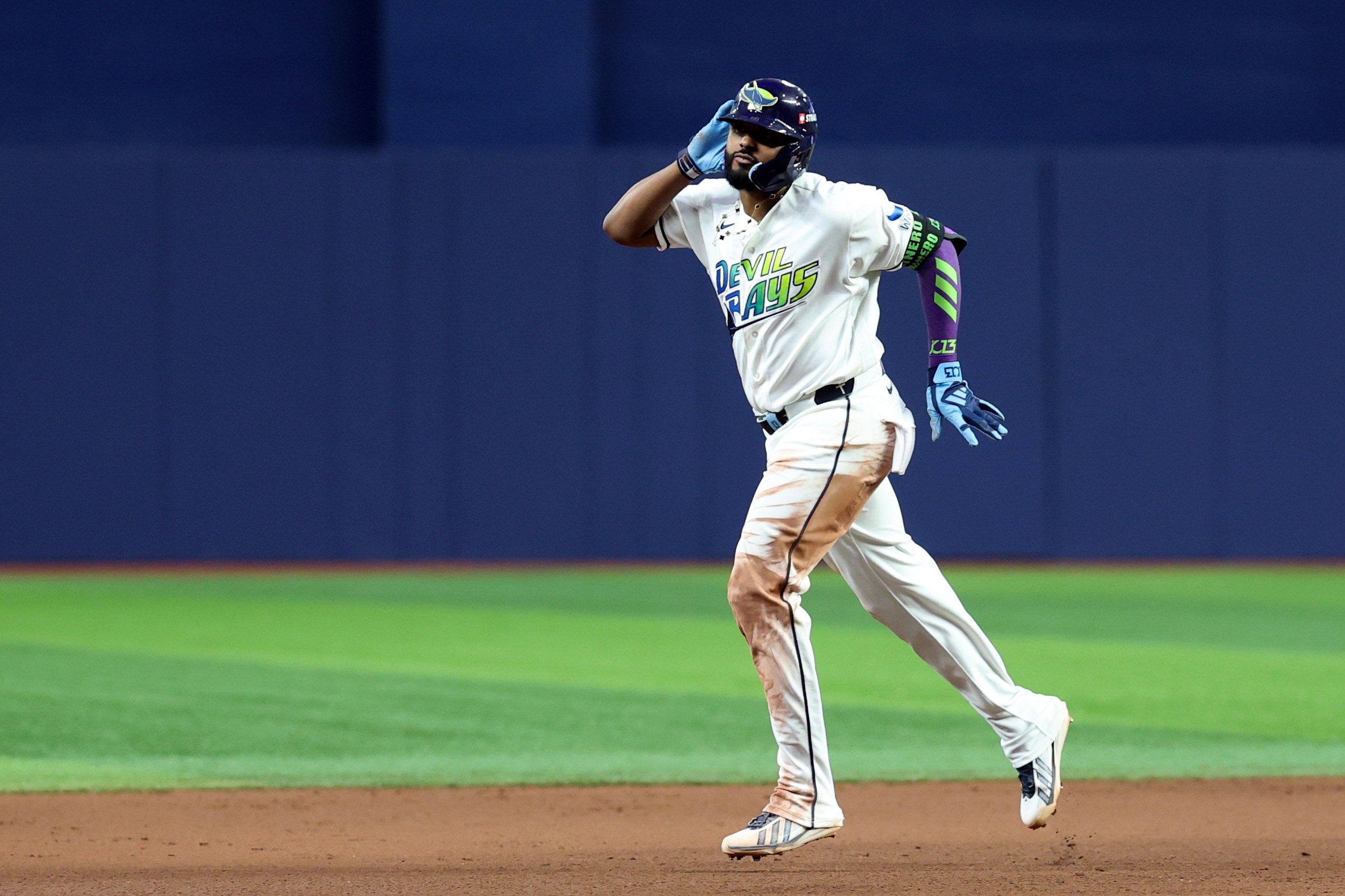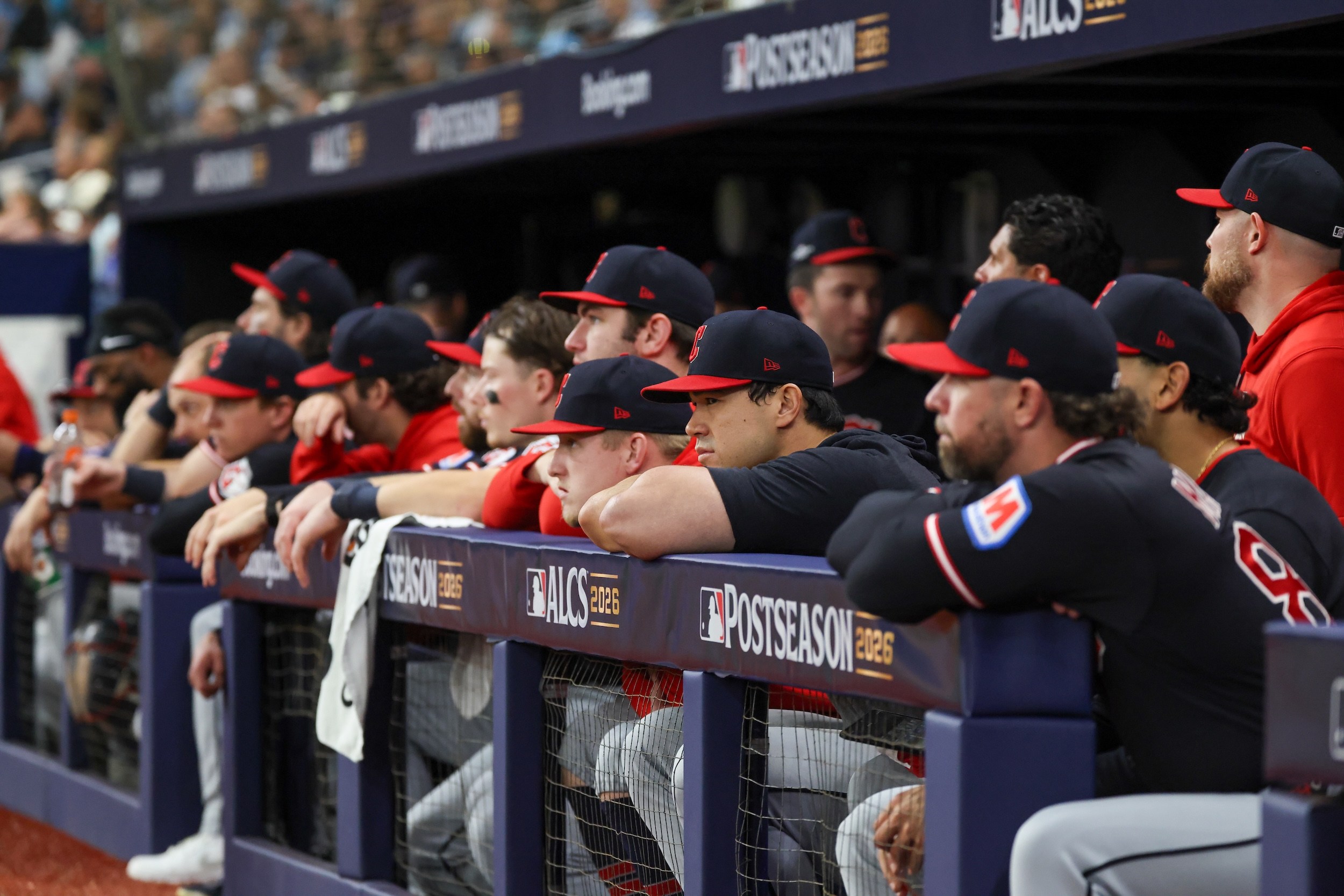


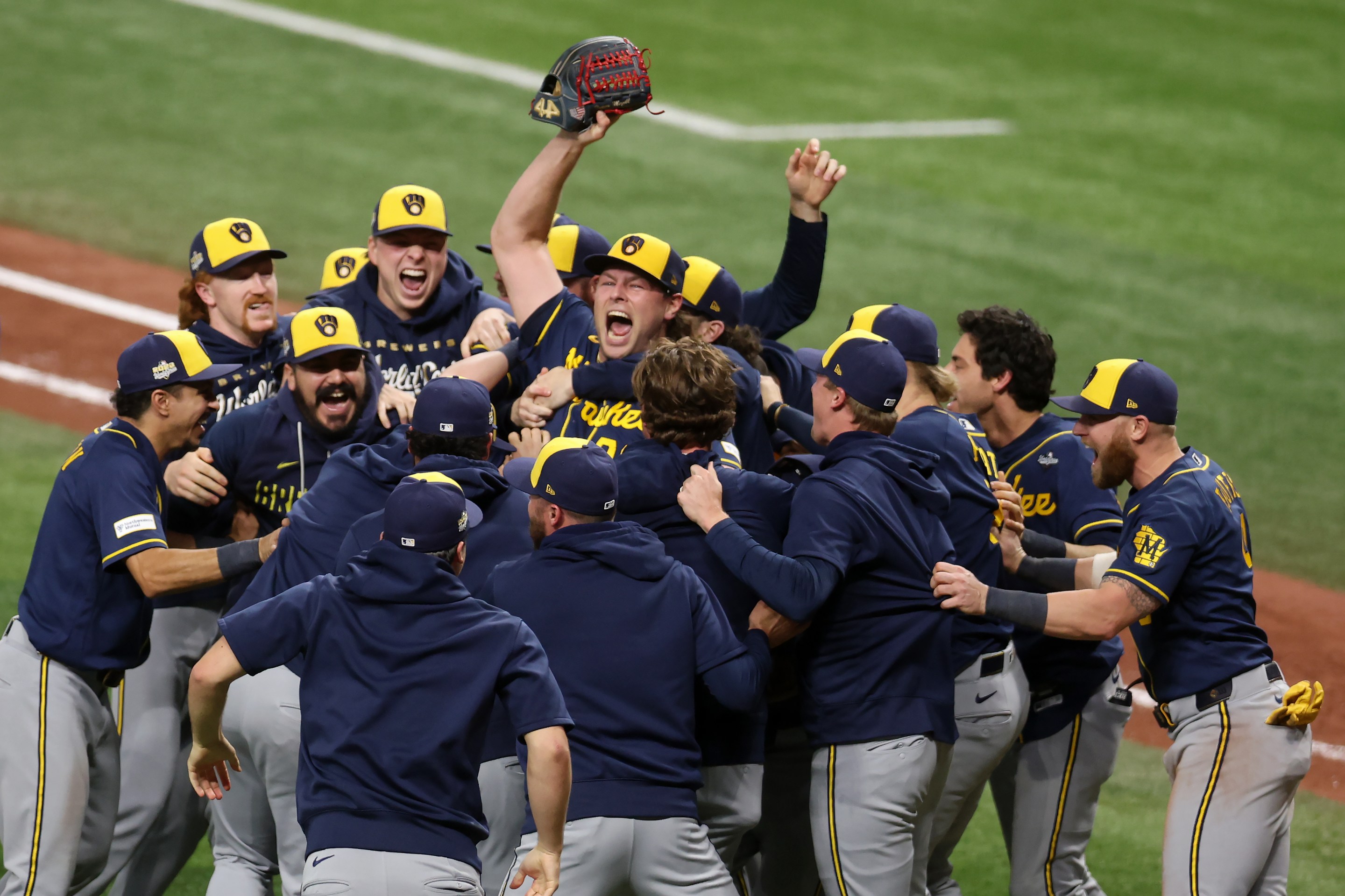
It is difficult to encapsulate the Milwaukee Brewers' first World Series victory, because for all the limiters and qualifiers that suggest they had done the implausible—the payroll, and the market size, and facing the Los Angeles Dodgers, and the "first World Series victory" of it all—they had, in all reality, done the very probable.
The Brewers had the best regular-season record in Major League Baseball, with 103 wins. By many metrics, they had the best starting pitcher in baseball, with Jacob Misiorowski. They were rested coming into the World Series, and though no one could know this until the first game in Tampa, they were playing with a seven-game home-field advantage. They swept the Dodgers and then won the World Series in five; for good measure, they also nearly won the one game they lost. It is insulting to the broader picture that the Brewers failed to sweep. No team down 0-3 in the World Series has ever forced a Game 6. If the Tampa Bay Rays ever got close, it was in the manner of one of Zeno's paradoxes: closing in by halves to the possibility of making it an interesting series, and never getting there.
However, it would be incorrect to state that the Brewers had only done the very probable, because in an MLB postseason, achieving the very probable is very, very difficult. Even the best bullpen in baseball, never mind the third-best, will experience bad days. Hits dry up. Everyone makes an untimely error one time or another. Winning in baseball is one thing, but making it look totally controlled is hard work. Just ask the Los Angeles Dodgers, world-beaters for a decade or so, who failed to beat the world more times than not. On the most recent occasion they did, it required the intervention of several magicians, or at least Miguel Rojas and Andy Pages.
In Game 5, the Brewers found a one-run lead off a single by Game 4 almost-hero Cooper Pratt in the second inning, and then extended that to two with a single by David Hamilton in the fifth inning. In the sixth inning, they got run number three off a William Contreras double, and number four off a sac fly from Pratt. Before the remaining three-and-a-half innings were played, the World Series was already won.
For that same reason, it was not a dramatic World Series. Though the first two games were close, and Game 2 especially excellent, Milwaukee's bullpen was ultimately too dominant to allow for intrigue. In a very Brewers manner, even the memorable moments—that eight-run inning!—were defined more by relentless team effort than by huge homers. Pratt's home run in the 12th inning of Game 4, which briefly seemed as though it might seal the Series for Milwaukee, was the closest thing, and then the Brewers went and lost.
The Fox broadcasting duo of Joe Davis and John Smoltz, who waffled between sounding sour and sounding medically dead, contributed to the sense that this was a series without drama. Ditto the Rays, whose home crowd was too thin to play a role, and whose roster had experienced so much turnover that only Yandy Diáz could provide any continuity from the last time the team won the pennant.
But narratives are for writers and historians and losers, and the Brewers were entertaining victors, a zippy team of scrappy immortals who you better kill dead twice, and then maybe double back to check the pulse and make sure it stuck. And all of those statements about how the Brewers were always in control require a hefty qualifier: They feel less and less true the stronger one's investment in their team.
In Game 5, it was when the Brewers were at their closest to winning the World Series that the task was at its most daunting. When Trevor Megill reentered the game in the bottom of the ninth, going for the six-out, not-quite save, precision was no longer a possibility. He threw curveballs in the dirt, and get-me-over fastballs down the middle of the plate. He took lengthy, heavy pauses between each pitch, occasionally taking issues with the baseballs thrown back to him.
After Chandler Simpson doubled off an inside four-seamer, driving in Liam Hicks to make the score 4-1 with one out remaining, Contreras and pitching coach Chris Hook visited Megill on the mound. After Megill threw a curveball in the dirt against the next hitter, Richie Palacios, who was 0-for-8 in the series, World Series MVP Contreras carefully took his time putting his helmet and mask back on. And then, on the fourth pitch of the at-bat, a Palacios grounder to second delivered the issue from Megill's hands to those of Brice Turang, who made the easiest and scariest play of his life, fielding and throwing to first for the final out. In other words, it was a hard-fought victory, because it is always hard.