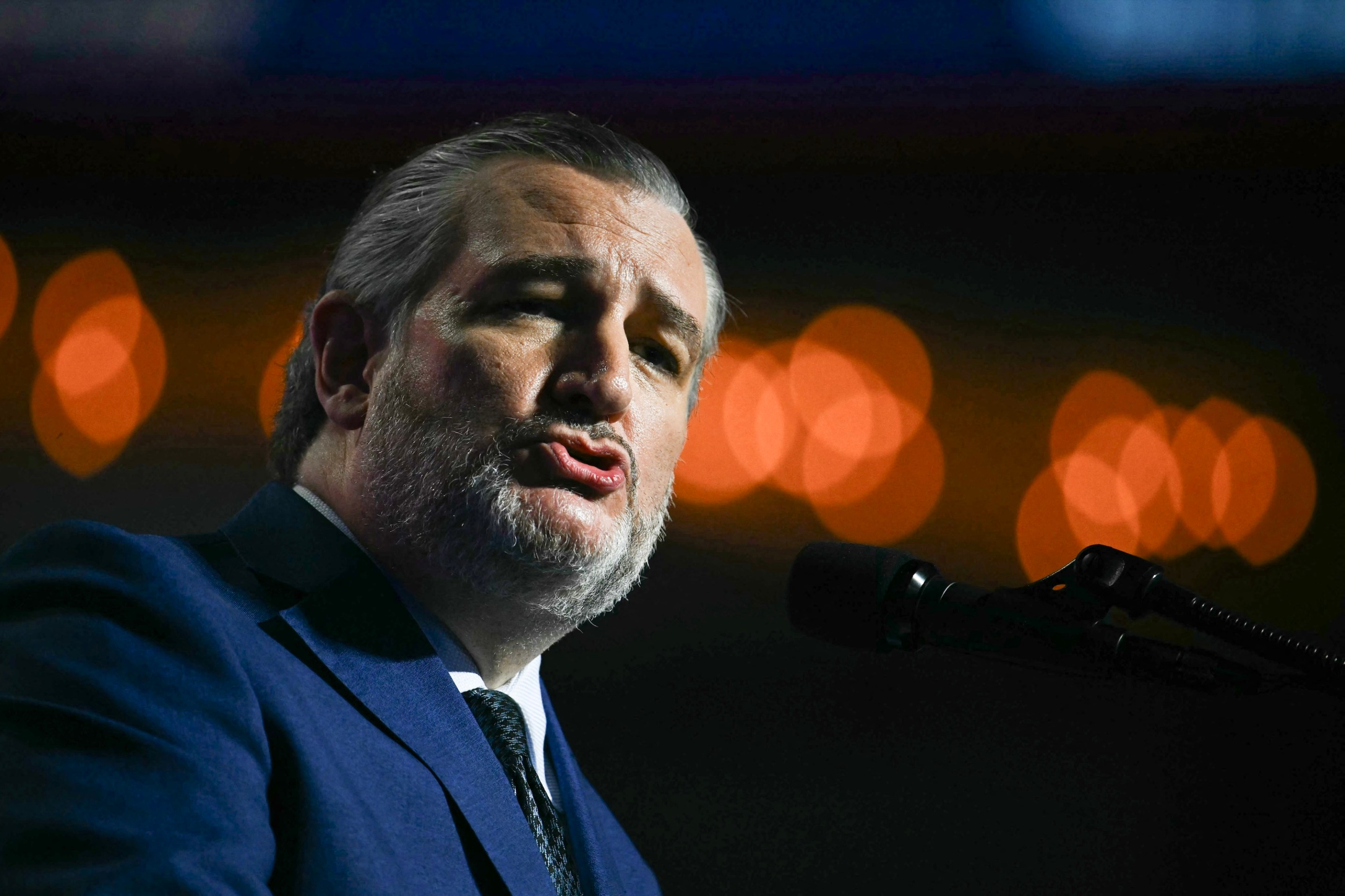
College football fans who tuned into ESPN's College GameDay this Saturday were forced to encounter the alarming visage of Texas Senator Ted Cruz. To make matter worse, he monopolized nearly 10 minutes of airtime in order to stump for the Protect College Sports Act (PCSA), a bill that is like a lot of things Ted Cruz stumps for, in that it is explicitly designed to make workers' lives worse.
Proponents of the PCSA rely on a familiar set of talking points when hyping up their pet bill, which could be voted on by the Senate this month. They are quick to point out that college sports are in "chaos," and they have plenty of material to support their case. They can point to the ludicrous number of player transfers that happen every offseason, constant conference realignment, ballooning NIL budgets, an endless flow of lawsuits, Lane Kiffin trying to bring ex-NFL players onto his team, and the NCAA barely being able to prevent a quarterback who bet on his own team's games from staying in the sport. Take a quick glance at the current headlines about college sports, and it's hard to argue that there is not indeed some level of chaos present.
None of this chaos arrived by itself, of course. Any sense that college sports are suffering from a lack of control is down to the fact that the NCAA refuses to accept its own obsolescence. After decades of successfully cheating college athletes out of enjoying any share of the billion-dollar industry they make, the organization has been doing nothing but getting its ass kicked in court. Every problem that the PCSA claims to be a solution for is downstream of the fact that ever since O'Bannon v. NCAA, Charlie Baker's boys haven't been able to find a judge anywhere in the country who will agree that the restrictions they've long placed on players' eligibility and earning power are anywhere close to legal. That's how you end up with the NCAA agreeing to pay $2.7 billion to the athletes it defrauded, with Kiffin going shopping for players in the NFL bargain bin, and with Brendan Sorsby only being prevented from returning to the field by his school's late-arriving sense of shame.
All of this illegality tends to go unmentioned by the PCSA's boosters, as does the bill's true purpose: to arrest college sports' chaotic journey toward a more equitable model by robbing the players of their leverage and bargaining power. It has been difficult to track what exactly is in the PCSA as it has evolved throughout its proponents' so-far-unsuccessful attempts to get it to the floor, but the big-ticket item is an antitrust exemption for the NCAA, which would allow the organization to determine athlete compensation and eligibility without fearing future lawsuits. It would also foreclose the possibility of collective bargaining, which is the best remaining pathway for college athletes to finally gain their fair share of the revenue pie while also bringing some much-needed structure to big-time college sports. It is a bill designed to fuck over college sports' labor force for the sake of preserving a sclerotic cartel that has been allowed to operate illegally for decades.
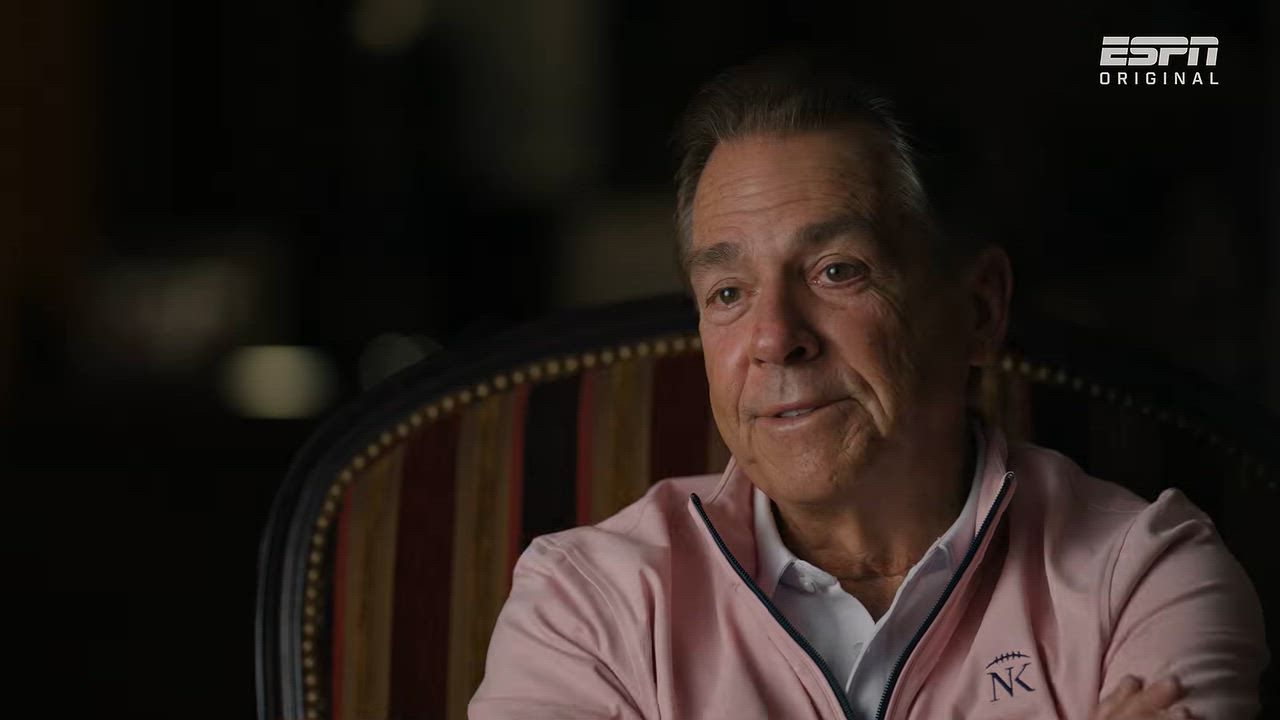
The bill faces bipartisan opposition, the likes of which prevented its predecessor, the SCORE Act, from ever reaching the floor for a vote. That's heartening, but you never know how these things will go, and the propaganda campaign launched on the bill's behalf has taken on a new intensity in recent weeks. ESPN, which has a lucrative business partnership with the NCAA and its conferences, has more or less turned itself into Pravda for the golf-shirt class. GameDay panelists Nick Saban and Pat McAfee have both previously stumped for the bill's passage while on air, and the network dedicated more time to its segment with Cruz on Saturday than it did to an interview with Texas head coach Steve Sarkisian ahead of his team's game against Ohio State. ESPN has been joined in its efforts by a lobbying group calling itself Saving College Sports, which has produced a $10 million pro-PCSA ad campaign featuring Saban and Colorado head coach Deion Sanders. The level of money and coordinated messaging on display is worrisome.
Which brings us back to Cruz. Any fears I have that the the PCSA will one day become law are based on the possibility that the propaganda efforts coming from the likes of ESPN and Saving College Sports will provide the bill with a thick enough sheen of legitimacy to convince enough conviction-less legislators that voting for it will make them appear wise and sensible. This is a PR war like any other, which is why Cruz's appearance on GameDay was such an unexpected boon for opponents of the bill. Millions of people who previously may not have held a very strong opinion about the current state of college sports or the PCSA will now, thanks to GameDay, associate the bill with a disgusting guy who sucks. Sure, you could try to explain to the average college football fan why the PCSA is bad because of the blow it would strike to one of the biggest labor forces in sports, but it's much easier to just point at Ted Cruz and ask, "Why would you ever want to be on the same side as this pile of shit?" You could see scores of football fans answering that question for themselves in real time during Cruz's interview segment, which was all but drowned out by boos and chants of "Ted Cruz sucks!"
ESPN had Ted Cruz on 'College GameDay' in a conversation with Rece Davis for nearly 10 minutes. Cruz was heavily booed by the crowd -- and heard "Ted, you suck!" chants -- in Austin.
— Awful Announcing (@awfulannouncing.bsky.social) 2026-09-12T14:21:12.607Z
Cruz's embarrassing segment seems to have caused more harm than good, as the backlash to it has earned opponents of the PCSA some of the much-needed attention that ESPN has previously attempted to deny them. The network has been roundly criticized for not providing equal time to an anti-PCSA voice, and has been challenged by the NAACP to give their president air time to argue against the bill.
Here's hoping we'll look back at this as the moment when the PCSA was truly put on the ropes. If the bill should die, properly remunerated college athletes of the future may have to thank Ted Cruz for his service.