

Tuning in for the season-opening Australian Grand Prix on Saturday night (Sunday afternoon in Melbourne), I was expecting many things. I was expecting Aston Martin to retire from the race early in order to avoid causing Fernando Alonso and Lance Stroll physical harm. I was expecting a few other retirements from the race due to reliability issues and the jankiness of the new cars. I was expecting a George Russell win, and a comfortable one at that. All of those things came true, more or less. Hilariously, both Alonso and Stroll looked to be retiring only to come out miles behind to do some on-track testing; the graphics team surely had fun writing "+12 laps" there. Because I am a fool and a Ferrari fan, however, I did not foresee a vintage dose of Ferrari strategy shenanigans, which only made their traditional appearance on race day all the more demoralizing.
Before getting into that, I do have to apologize to the new regulations, for I was not familiar with their game. Right from the start of the race, after the new five-second pre-start procedure, it became clear that these cars had some real racing juice in them. This is not to say that they are faster than last season's—they're not—or easier to drive—they're not—but wheel-to-wheel racing is a lot more viable, as is close following of the car in front of a driver. Thanks to Charles Leclerc absolutely bodying the start of the race—the Ferrari might not have the Mercedes's raw power on straights, but it's a monster in its own right off the line and in corners—the presumptive George Russell stroll to P1 was delayed thoroughly.
This is how the frantic race start unfolded in Albert Park! 🙌💨#F1 #AusGP pic.twitter.com/2vRc65bD7d
— Formula 1 (@F1) March 8, 2026
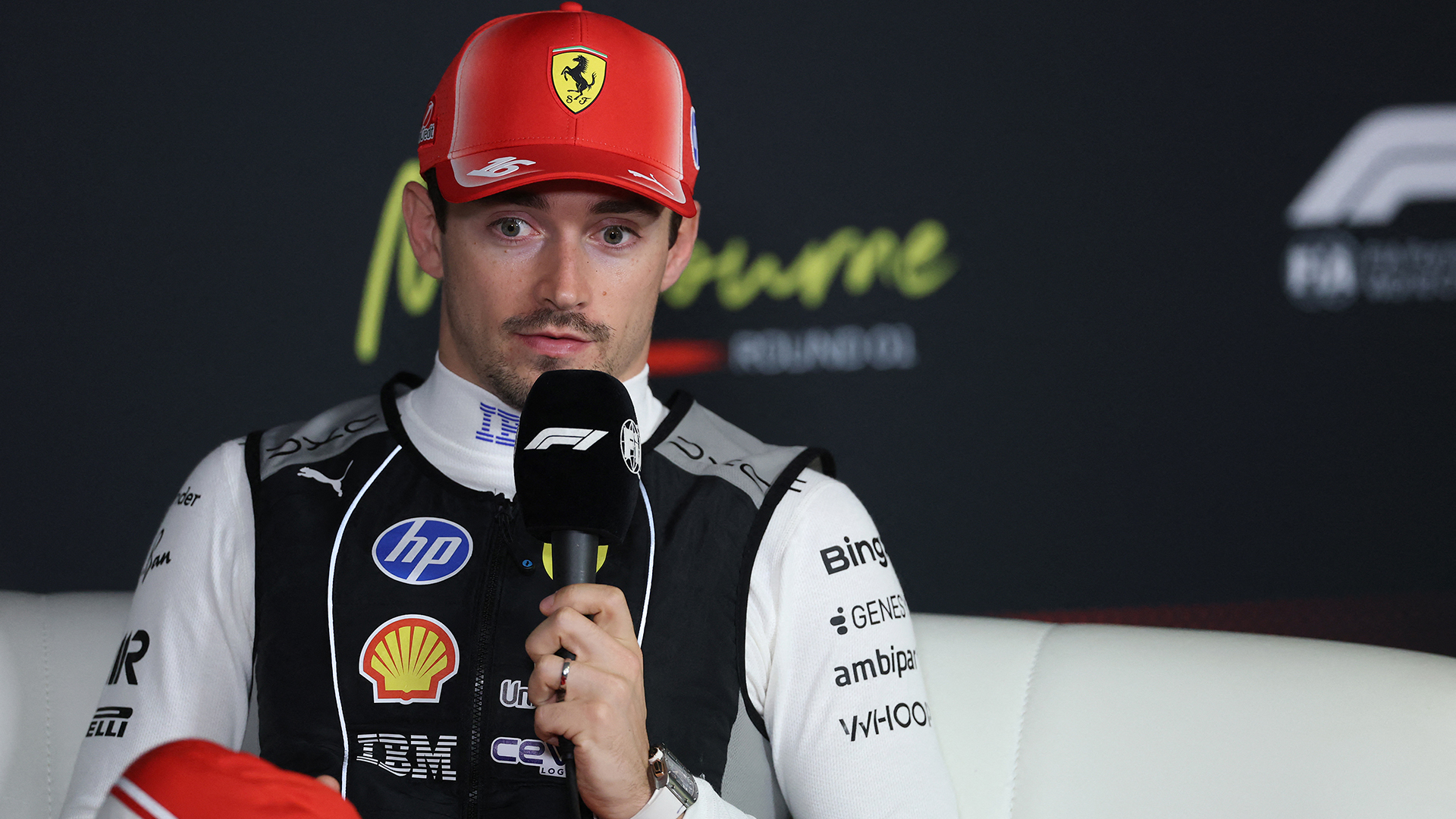
Leclerc zoomed up from fourth to first before turn one, thanks to a perfect start and some clever weaving past Isack Hadjar and Kimi Antonelli. Once ahead of Russell, Leclerc used his car's superior cornerning to hang on to the lead for longer than I would have expected, and even when Russell hit the overtake battery and zoomed by, Leclerc just passed him right back on the next lap. This happened six times in the first nine laps of the race, with both drivers pushing their respective cars' strengths at the right time to retake the lead. Once the overtaking parade stopped, Leclerc came out ahead, with Lewis Hamilton also jumping up to a close third behind Russell. There were some thrilling moments of three-way racing in the laps to come, and it was glorious to see. Then the virtual safety car came out and the whole thing fell off a Ferrari red cliff.
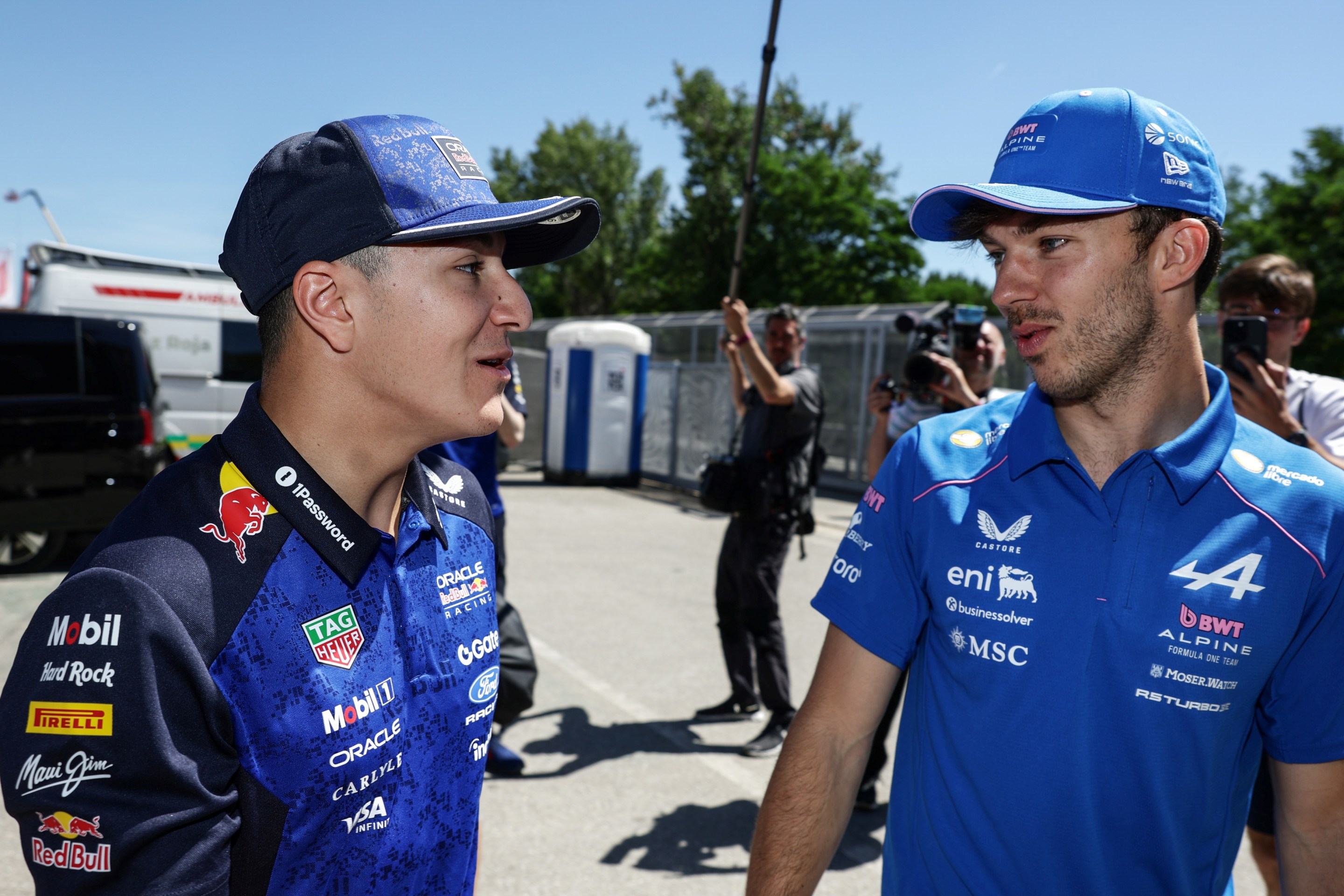
The cause of the VSC was the first engine blowup of the season: On lap 11, Hadjar's Red Bull simply gave up on a fast-speed section of the track, and the sophomore driver, who had been impressive all weekend in the cursed second RB seat, pulled over to the left off the track. Because he didn't stall on the track itself, a VSC was enough to slow the pack down and remove the car, rather than requiring a full safety car, and the slowdown allowed almost everyone to take a cheaper pit stop (10 seconds lost rather than 19). I say "almost" because Ferrari, in its infinite uh wisdom, decided not to pit either Leclerc or Hamilton. The latter voiced his confusion, and I have to side with the seven-time world champion here: Given that Mercedes has the fastest car in clean air, why not pit at least one of the Ferrari drivers when both Russell and Antonelli did, in order to keep the pressure on and hope to keep the Mercedes cars behind, where they can't unleash their full power?
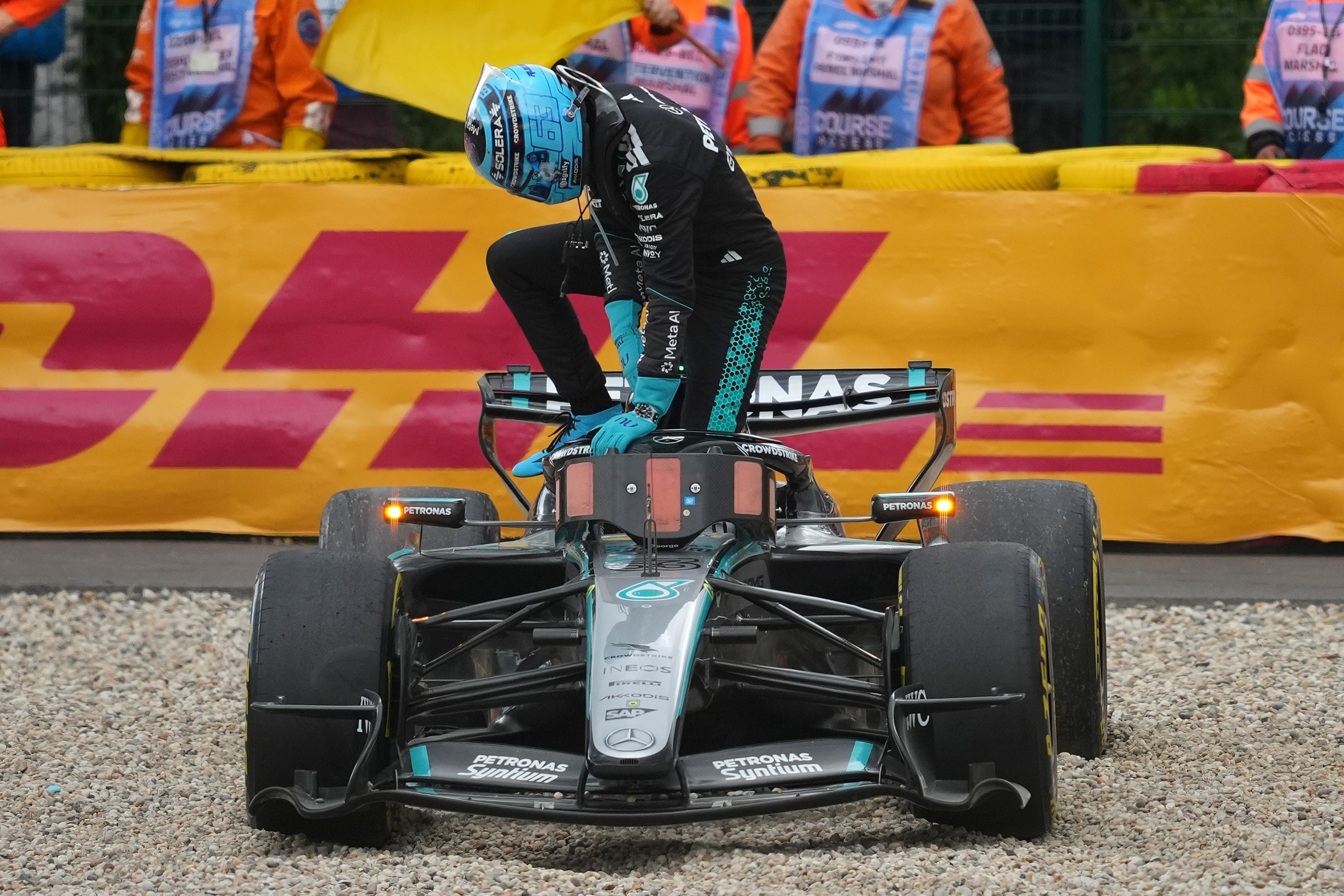
The one way this Ferrari choice makes sense is an assumption that another VSC or even a full safety car would soon follow. This was not a bad assumption. These new cars are a mess, as everyone expected from such a radical regulation change. By the end of the race, six drivers didn't finish (Hadjar and Valtteri Bottas were joined, eventually, by Alonso and Stroll while both Nico Hulkenberg and Oscar Piastri, who crashed into the wall on the recon lap to the grid, technically didn't even start), and so I could understand why Ferrari chose to risk it and stay out on the starting medium tires, which were still performing well. However, this left the team's races up to chance, and chance bit them directly in the ass a few laps later.
Bottas, of the new Cadillac team, had an engine issue of his own at the end of his 19th lap, and though he managed to get off the track, he had to do it right before the pit lane entrance. This would come into play shortly: After a handful of cars pitted, the pit lane entrance was closed so that Bottas's car could be safely moved out of the way. Ferrari had passed the pit when the VSC was deployed and by the time that both drivers came back around, the pit was closed. This is unlucky, yes, but it's also what can happen when a team doesn't take the relatively free pit stop when it is first offered.
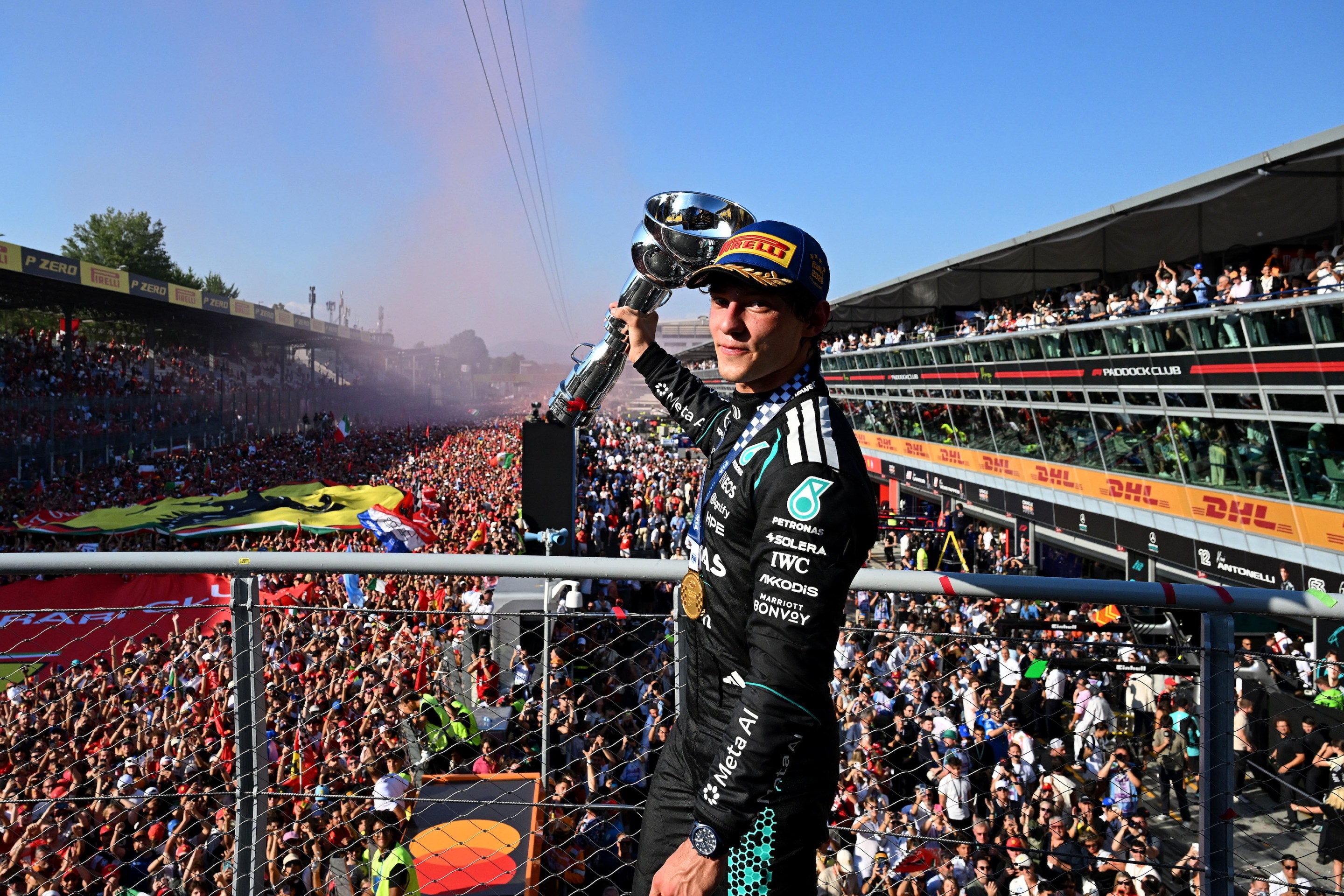
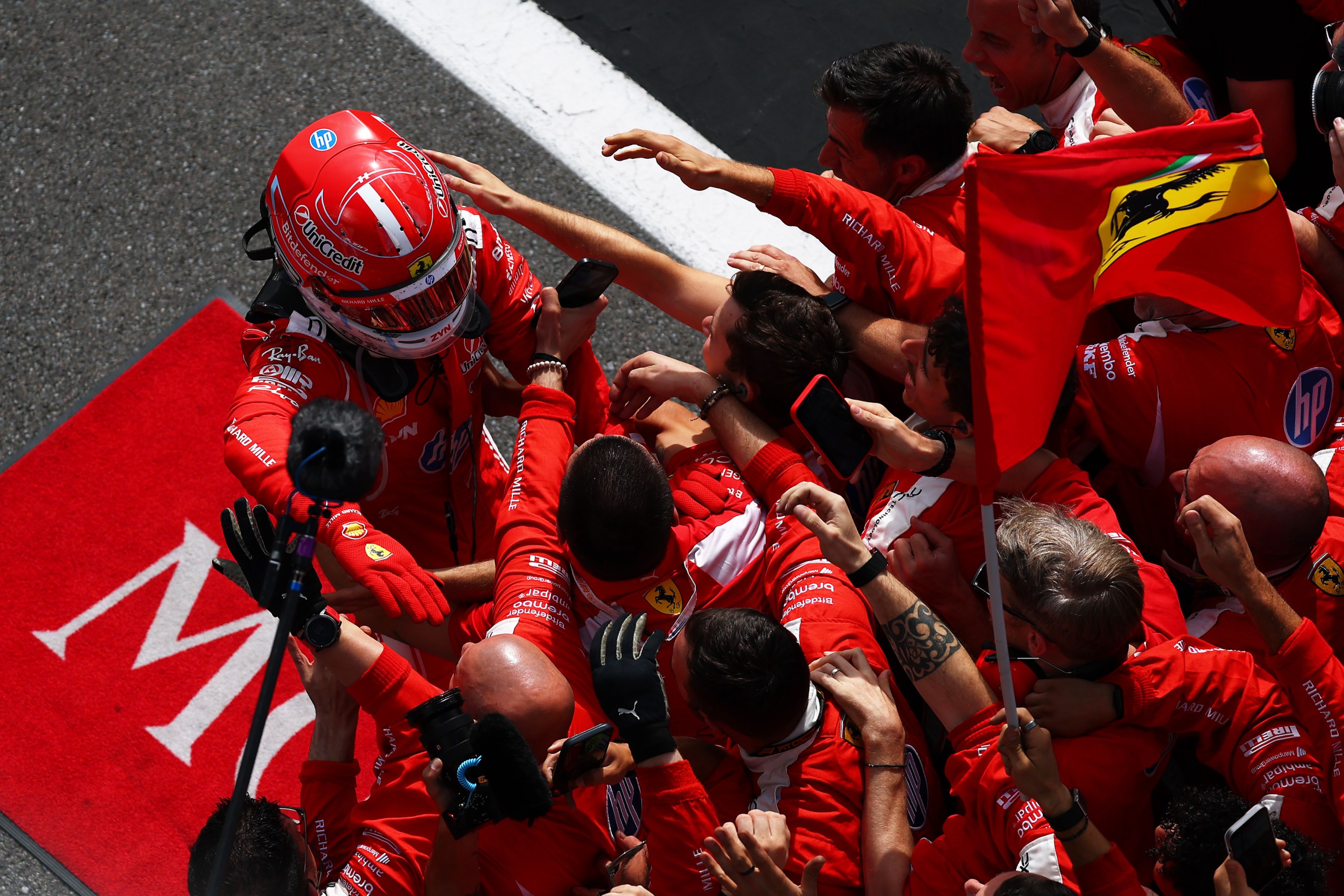
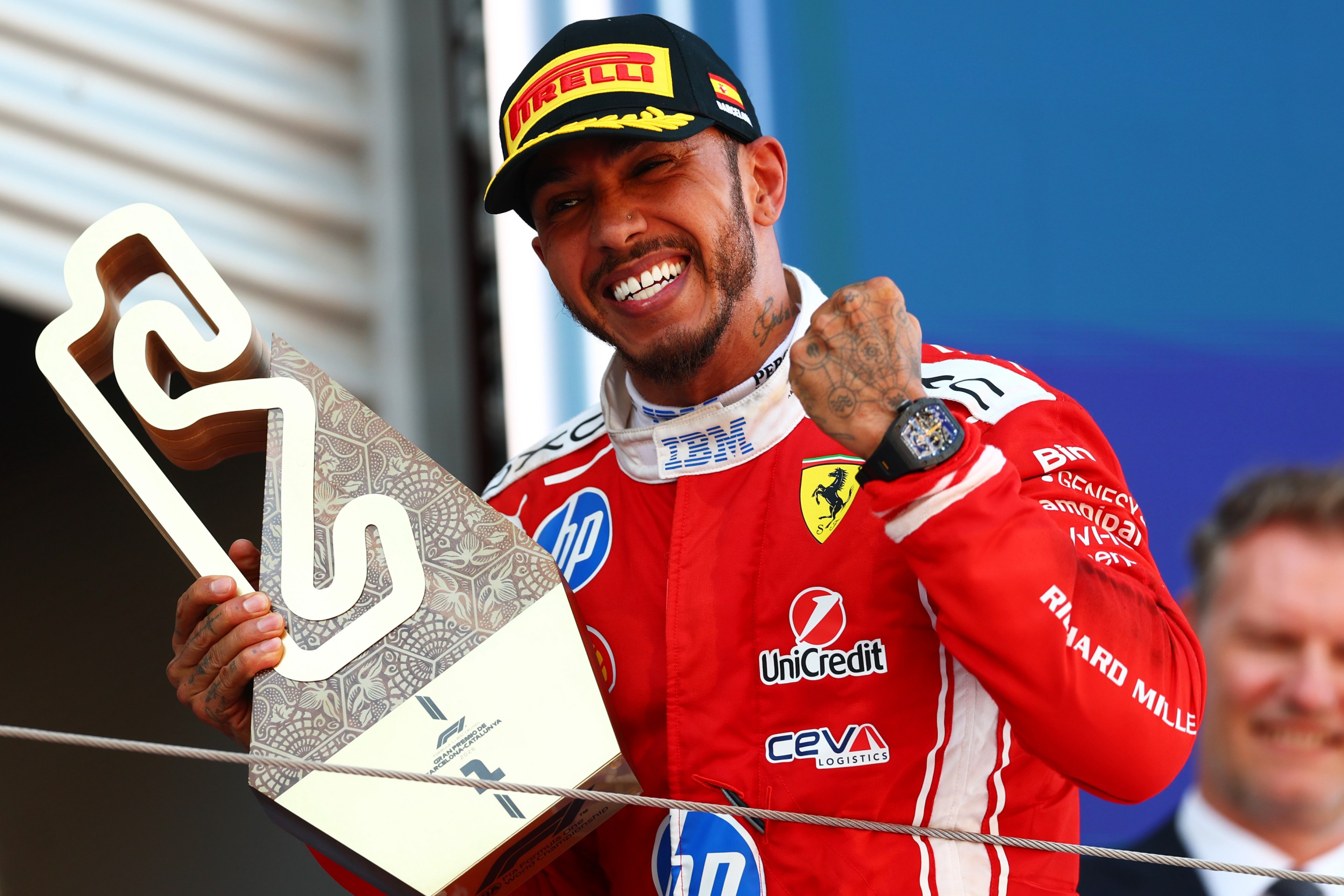
That would end up dooming Ferrari's chances at a win and maybe even a double podium. (Post-race, Leclerc stated his belief that third was about as well as Ferrari could do, but it's hard to tell if that is true or if that is Leclerc once again being a company man.) After the Bottas-induced VSC, there were no more safety cars of any kind during the race, and eventually both Ferraris had to pit under normal conditions. Leclerc pitted first and Hamilton, after trying to slow down Russell for a couple of laps, followed soon after. By the time both drivers came back out, Russell had built about a 16-second lead to third place, and Antonelli had about eight seconds of cushion to Leclerc in third. That gap would never really narrow, best exemplified by how little both Mercs were shown on the F1 TV broadcast in the back half of the race. They simply took a nice Sunday drive straight to the top spots on the podium, while Leclerc took third (had there been a couple more laps, Hamilton would surely have passed his teammate; he finished in fourth just 0.6 seconds behind).
So, there are positives to be taken from the 2026 Australian Grand Prix as it pertains to any sort of title fight. On any track with easy overtaking and fast speeds, like Australia, Mercedes should be a beast, and doubly so if Ferrari continues to make the strategic errors that it is well known for. But! Leclerc's incredible start and his effective defending of first place for most of the first third of the race bodes well for tracks with harder overtaking and more corners. A couple of great starts and some more defending should lead to Ferrari wins this season, more so if they can figure out how to qualify right next to the Mercedes cars. Even though Leclerc, Hamilton, and the entire Scuderia will rue the mess they created for themselves in Melbourne, I think that the team, and fans both of Ferrari and of any sort of drama at the top, might feel encouraged by how winnable this race could have been, had Ferrari not Ferrari'd things up.