

The concept of "1966" is purely theoretical for almost anyone who wasn't alive then, 60 years of human history separating us from that singular point in time. Sure, the point of history as a field is to educate us about what was happening in, say, 1966, but I barely remember what it felt like to live through most of the years I've been around for, let alone those that came so long before. However, there is one subset of people who might soon get a taste of what 1966 was like, and that is fans of England, who have been waiting since then to lift the World Cup trophy a second time.
Folks, it might be coming home.
A rule of thumb at a World Cup is to not overreact to a team's first game. As examples, Spain won the whole thing after first losing 1-0 to Switzerland in 2010, and Argentina did the same after losing to Saudi Arabia in 2022. But while it's good not to overreact negatively after one bad game, it's a little different when the first impression is a positive one, especially against serious opposition. Aside from a few shaky moments in defense, England's 4-2 win over Croatia made for a remarkably positive first impression against very serious opposition. It's not too much of an overreaction to now consider England amongst the real contenders alongside France, Spain, and Argentina.
The surface-level statistics all back up that notion. England outpossessed Croatia and outshot them 22 to 10 (a ridiculous 12 of those 22 being on target). England was particularly impressive in the second half. The Fox broadcast noted that Croatia goalie Dominik Livakovic's block of a Jude Bellingham shot in the 49th minute was the game's first save, even though the score was already 3-2. Over the next 10 minutes, England forced Livakovic—who was truly massive in keeping this two-goal England victory from spiraling out of control—to make seven total saves, a relentless onslaught that should have sent shivers down the spines of pretty much every one of the other 47 teams.
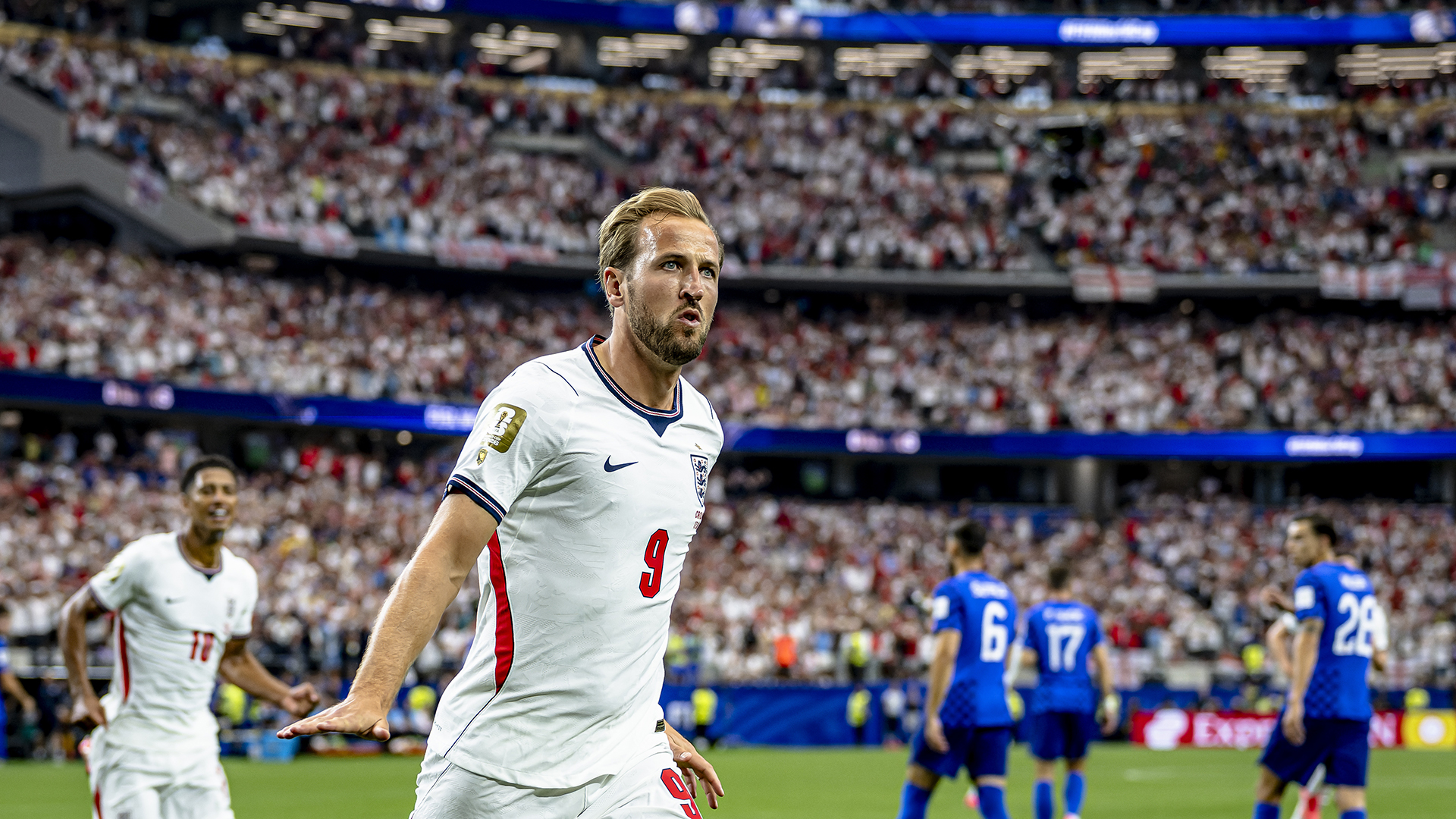
But let's rewind for a second. The goals didn't start with Harry Kane exactly, but he definitely opened the floodgates. It was actually his opposing superstar that set the gears into motion. In the ninth minute, Luka Modric, just the third outfield player to take the field at a World Cup after turning 40 (Roger Milla in 1990, and Cristiano Ronaldo a few hours earlier; I promise Ronaldo did in fact play, despite what it might have seemed), mistimed a clearance attempt, his foot whiffing on the ball and instead whacking Noni Madueke in the box, gifting England an early penalty.
Up stepped Kane, with the English World Cup goalscoring record in his sights—he entered Wednesday's match with eight, two behind Gary Lineker. In what felt briefly like the latest in a long string of English World Cup mishaps, Livakovic saved Kane's low shot to his left. Unfortunately for Livakovic, he had jumped a millimeter beyond the goal line before Kane shot, the cruelest mistake a goalie can make in a penalty save, and a painful reminder of how unfair these things are for goalies. Thus, the penalty had to be retaken.
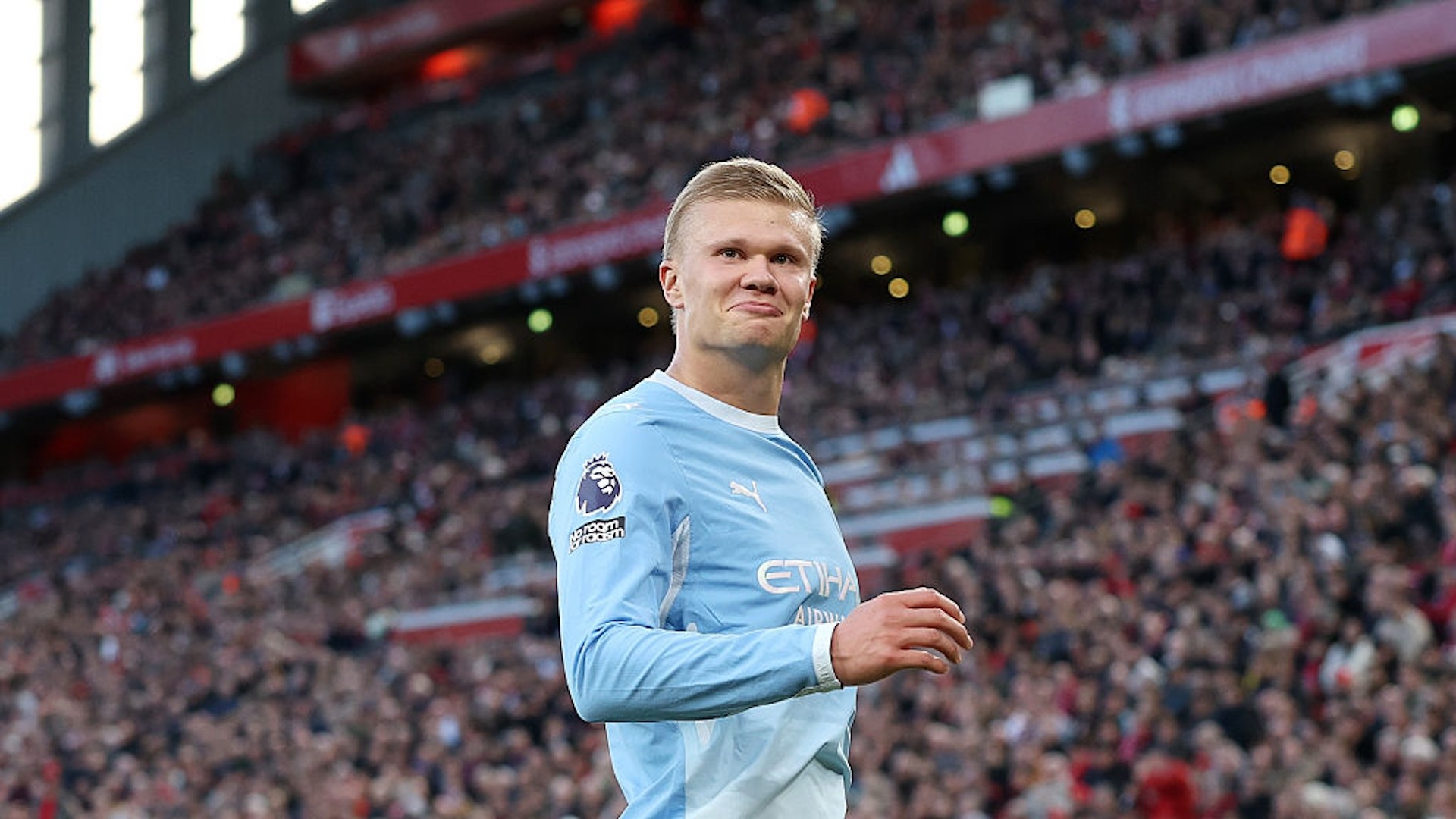
Kane made no mistakes with the second attempt, because he's Harry Kane, and you just can't give him two bites at the same apple. Similarly, you just can't leave England's top overall scorer in history wide open in the box for a header, especially off a Declan Rice corner kick. (For all the shit the Premier League's non-Arsenal fans gave Rice and his team for their set-piece dark arts this past season, I'm sure many of those same fans are thrilled to have that weapon available for the Three Lions.) Kane isn't quite as inevitable as, say, Kylian Mbappé or Lionel Messi, but he's still the best and most complete striker in the world, so of course he scored a brace in what is becoming a riveting race for the Golden Boot. (Erling Haaland also had a brace in his World Cup debut, as did several other less-heralded names, including the USMNT's Folarin Balogun.)
Credit to Croatia for weathering both of those Kane goals well enough to enter halftime tied at 2-2. First, Martin Baturina rocketed a ball through Jordan Pickford's outstretched hand in the 35th minute for his team's first equalizer. Then, on the brink of halftime, Petar Musa leveled things again by finishing a lovely move with a goal. But the second half shows what can happen when England plays to its immense talent, something that has been rare since that World Cup triumph 60 years ago.
If there's one English player who best represents that usual gap between English talent and its fulfillment in an England shirt, it's Bellingham. The Real Madrid midfielder is one of the most purely gifted players in the world, a 6-foot-1 machine of kinetic energy who can overpower any opponent on his day. He wasn't exactly at his very best on Wednesday, but he was still good enough to give England a third lead two minutes after halftime. Latching onto a long ball from Nottingham Forest's Elliot Anderson, Bellingham simply outran everyone before hitting a cool shot to the far post, a perfect distillation of the danger he poses in the open field.
Credit here must also go to manager Thomas Tuchel, who didn't hesitate to make some changes even with this lead, and especially after the 10-minute barrage on Croatia's goal that followed Bellingham's strike. In the 72nd minute, Tuchel removed Anthony Gordon, the only English attacker to disappoint on Wednesday, in favor of the man Gordon is replacing at Barcelona, Marcus Rashford. Tuchel also swapped out Madueke for Bukayo Saka, who was fine, and Rice for Morgan Rogers, who was the best player on the field in the final 20 minutes. But it was Rashford who struck next in the 85th minute to end the game with an exclamation point:
Again, aside from a couple moments at the start of the game and during Croatia's two beautiful goals, this was a complete performance from England, one played at 120 miles per hour. The defense might be missing that one star stopper that top international defenses tend to rely on—think France's William Saliba, Argentina's Cristian Romero, or the Netherlands' Virgil van Dijk—but it held up well against an older but highly experienced and still dangerous side. There were many impressive performances in this first round of games, from the United States' steamrolling of Paraguay to Messi's divine showing, but no one passed a harder test with as much aplomb as England. So in spite of the dangers of overreacting, I feel confident in saying that England is legit, and if it manages to shed the weight of 60 years from its shoulders, the nation that brought soccer to the world might finally get to party like it's 1966.