

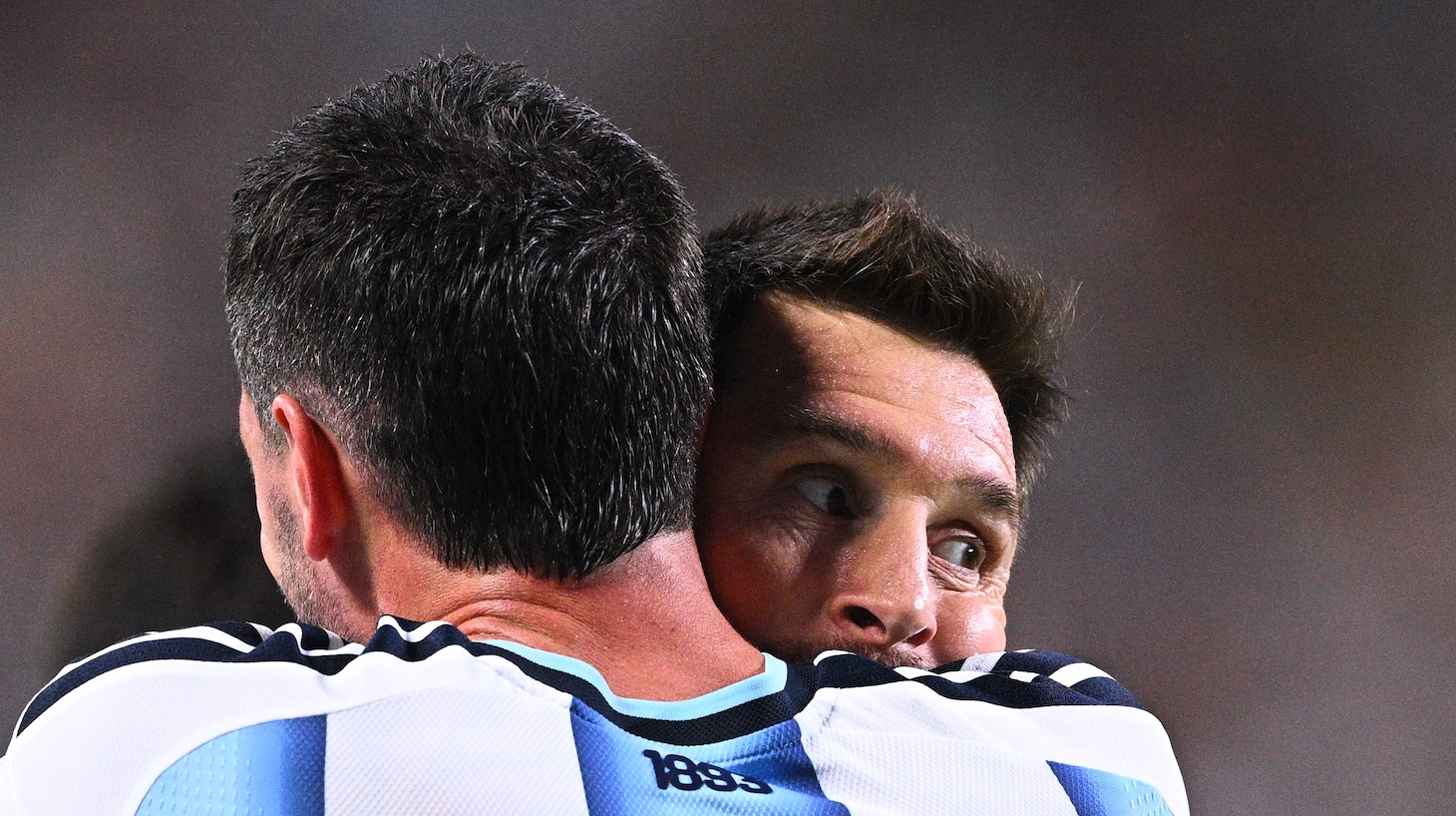
It's impossible to think about Lionel Messi's sixth and presumably final World Cup without those thoughts immediately acquiring the sepia tint of romanticism. On the cusp of his 39th year, 20 years to the day since his simultaneous introduction and eruption onto the world stage, Messi returns to the site of both his greatest heartbreaks and most definitive triumphs. He's here for a last dance, an epilogue to what has already been one of the greatest stories sports has ever told, a send-off less about putting his career in any new light and more about celebrating all that has come before. Messi himself seems to think about this Cup along similar lines. "I can't ask for anything more," he said after Argentina's tournament-debut victory on Tuesday. "God gave me too much, now everything is just to enjoy."
Now, all this romance is well and good, but it's important not to let the easy narratives of fading greatness and curtain calls occlude a simple fact: Even though Messi is older and slower and less electric than you remember, he remains the absolute best at this soccer thing. If you'd overlooked that fact coming into the tournament, Messi's hat trick Tuesday night should've made it crystal clear: He's not just here to take a bow. He's here to win.
It's really crazy how we've been watching this guy score just the exact same types of goals for all of 20 years now. All three from Tuesday's 3-0 Argentina win were vintage Messi: The first demonstrated his dead-eye shooting and his invisibility superpower which allows him, always the singular focus of the entire opposition's defensive gameplan, to somehow become undetectable when drifting into space between the lines; the second, his insatiable hunger for goals that drives him to constantly put himself in position for passes and rebounds; the third, again the positioning sense, again the shooting. Speaking of potentially misleading narratives, the global nature of Messi's talent at times threatens to take attention away from what is his most defining characteristic, which is his scoring. It's funny how the now mostly defunct Cristiano Ronaldo vs. Messi debate often pitted Ronaldo's purportedly superior scoring against Messi's more expansive game. Putting aside everything else, if there's one thing I think you can say definitively about Messi, it's that no player in history has been more ferociously obsessed with getting into scoring position, nor has been better at then making sure the ball finds the net. Pep Guardiola knows what he's talking about.
The historic nature of Messi's hat trick was deservedly the talk of soccer after the game. That night, he joined Miroslav Klose as the World Cup's highest scorers ever with 16 goals, surpassed Pelé as the player with the most World Cup goal involvements (24), and became the oldest player to score a World Cup hat trick. The stats make for stunning reading, but it's present concerns that most intrigue me.
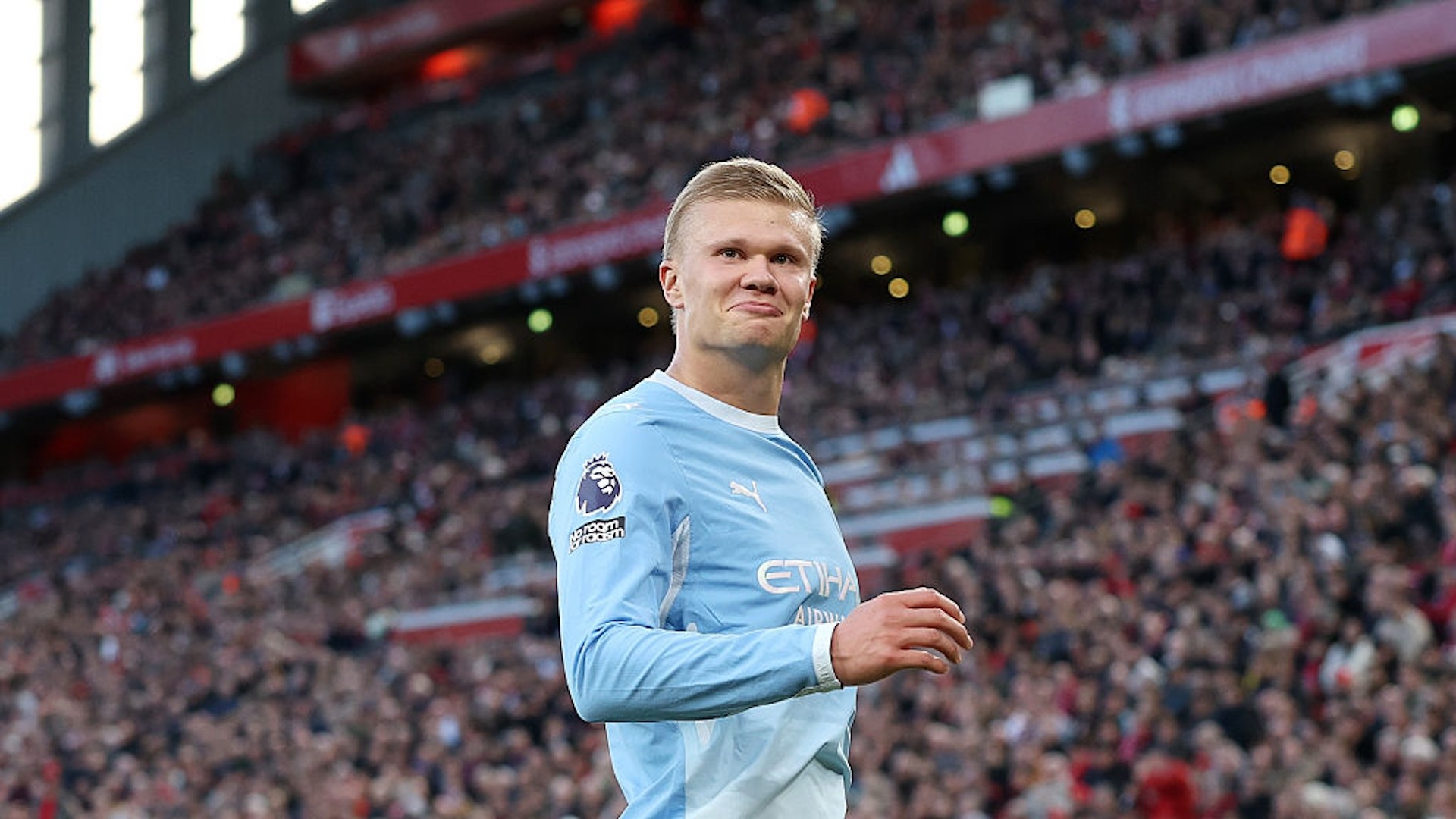
Tuesday was the best day of the World Cup so far. Even more than in the club game, international soccer is a star's affair, and yesterday trotted out some of the biggest we have, each of whom did their best to lay an early claim to this tournament as their own. Things started with France-Senegal and Kylian Mbappé, who scored a brace in an overall ho-hum performance that more than anything showed how lethal he is even when he's not at his sharpest, and that no matter what Messi does over the next month or so, the all-time World Cup scoring record will eventually belong to him. Next up was Iraq-Norway and Erling Haaland, long considered along with Mbappé the heirs to the Ronaldo-Messi duopoly. Making his overdue debut at the World Cup, Haaland matched his generational peer with a brace of his own in Norway's 4-1 win. But if the pair of French and Norwegian forwards have for years been cast as foremost symbols of the changing of the guard, of Gen Z taking over for the aging Millennial generation represented by Ronaldo and Messi, then Messi's one-upping of them proved that at least one member of that old guard isn't ready just yet to lay down arms—weapons that he still wields with deadly effect.
At 38 years old, it's hard to consider Messi physically robust enough to compete with your Mbappés and Haalands and Lamine Yamals for the title of world's best player, at least on the long, grueling, year-spanning terms in which that designation is best confirmed. However, in just eight potential matches across a month and a half, you could argue that there is still no more decisive force in all of soccer than Messi. He in fact made the most convincing case for that argument on Tuesday. Surrounded by an ideal cast of supporters who excel at putting him in the positions where he is still the best, there's no reason to think he won't continue that argument for the duration of the summer. So while it's nice to treat this World Cup as something like an extended acknowledgement of a legendary career, it would behoove you and all of Argentina's opponents to remember that the lifetime achievement award might not be the only trophy Messi takes home with him.