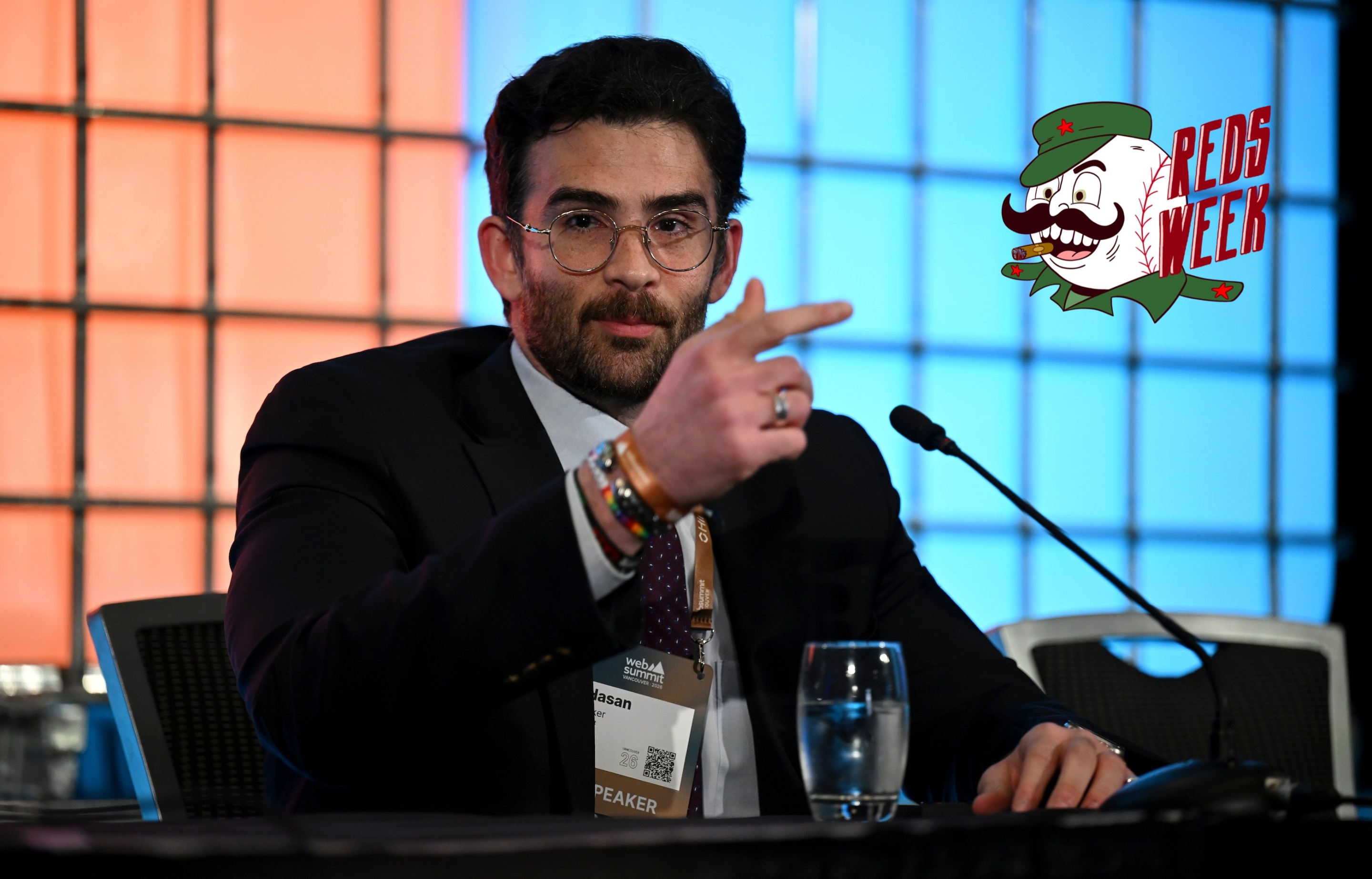
Have you checked under your bed recently to see if a member of the Democratic Socialists of America is there, waiting, with a pamphlet on taxing the rich clenched between their teeth and the glint of revolution in their eyes? Can you say, with real certainty, that a card-carrying socialist or one of their fellow travelers with a stick-and-poke tattoo is not crouched behind the mailbox, preparing to read you a list of the reasons why it is time for the government to get rid of Immigration and Customs Enforcement? Yes, he is physically large, but are you sure that Hasan Piker is not hiding behind the gardenias?
In the last two months, left-leaning candidates have won a number of crucial primary races in the run up to this fall's midterm election. Abdul El-Sayed, who is not a socialist, won Michigan's U.S. Senate primary against the more moderate Rep. Haley Stevens, and actual Democratic socialists have won primary races for House and Senate seats in New York, Pennsylvania, Colorado, Michigan, and Florida, as well as primary races for mayor in places like Seattle and Washington, D.C.
It is not difficult to understand all of this. The country is currently being reshaped, often in literal physical ways, by a soggy-brained authoritarian who is out to enrich his family and allies while the rest of America braces for stagnation and decline. It turns out that a mass of voters have realized that they will not benefit from any of that, and do not like it.
This is a story that naturally benefits the Democrats, if only because they are the national political party without Donald Trump's stink on them. Instead of going with that moment, that party's operators and thinkers have spent recent weeks pushing against it. More specifically, they have aligned themselves with reactionary media in asserting that resurgent leftists have become a dangerous problem, and that the (winning) candidates making a case for more vigorous state intervention on behalf of working people could jeopardize the electoral prospects of other, more sensible Democratic candidates. How else do you get to a take that claims that El-Sayed could theoretically "cost Democrats Michigan," or that Angie Nixon's campaign could threaten Democrats' chances on the ballot in Florida?
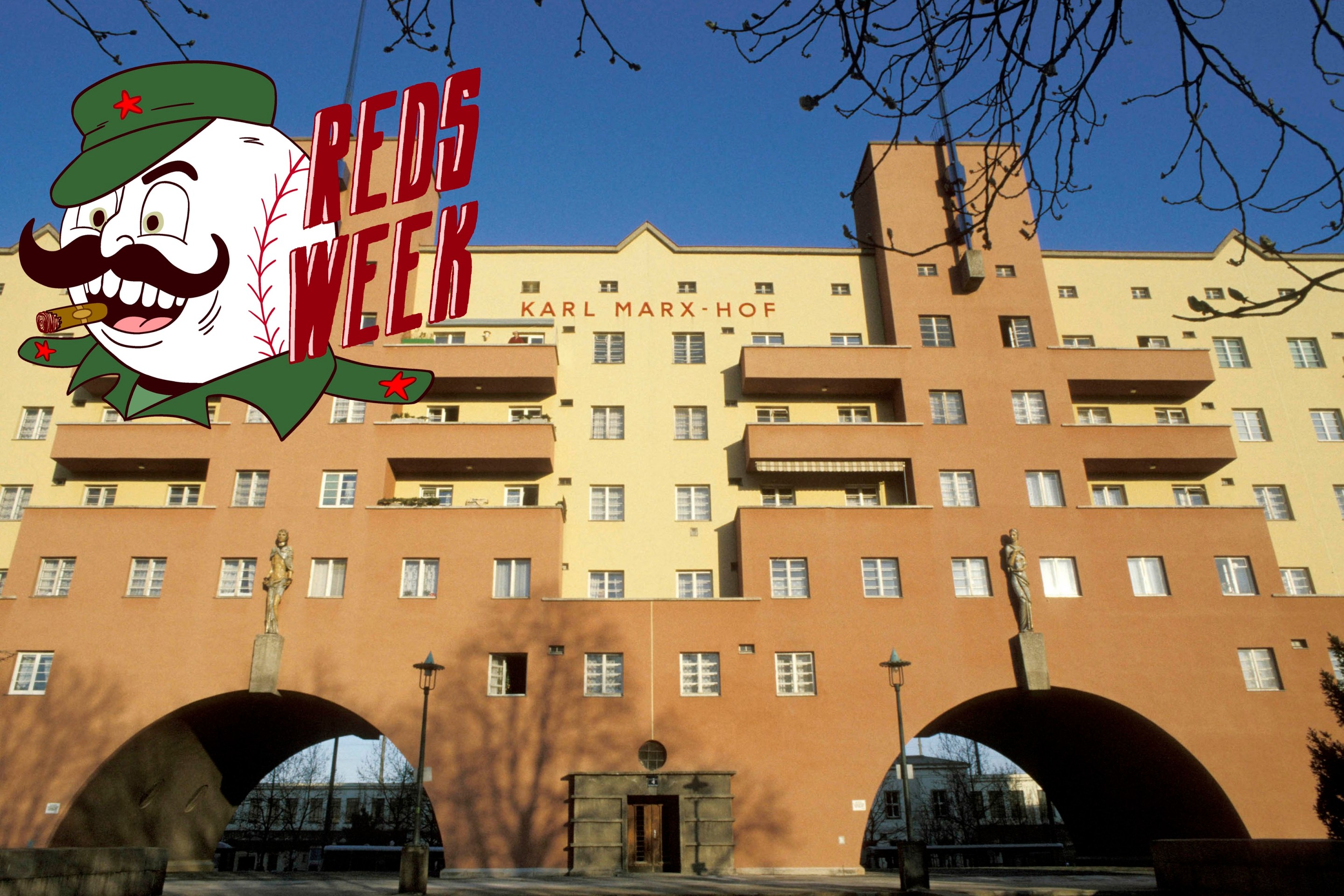
We are in an incredibly dumb age of red-baiting, one that was kicked off last year by Zohran Mamdani's resounding win in New York's mayoral election. The New York Post has been dining out on this ever since, or more accurately going hogwild on a fatty diet of reactionary socialism panic and good old-fashioned Islamophobia. They have kept at it even as the mayor has revealed himself to be less of a sinister authoritarian and more of an affable high school principal who wants the cost of living to be 30 percent cheaper; these two realities run on parallel tracks, with Mamdani governing as a high-energy pragmatist in the reality that New Yorkers actually inhabit, and as a sneering tyrant in the one the Post has sought to spin up. Maybe this is why the panic has now reached silly season, as reporters—first in the Post, but then in the New York Times—have breathlessly raced to out DSA members for being rich kids playacting as class traitors.
It's not a convincing performance, but it is a vigorous one. A tired and mostly captured media sounds the alarm about a creeping wave of socialism, advanced either by dues-paying members of the DSA or other upstart leftists, that threatens Americans with ideas and policies that may sound inviting—fair wages, universal health care, an end to state sanctioned killing abroad and at home, that sort of silly stuff—but are in fact a cynical smokescreen around a campaign to erode our institutions and the liberal hierarchy. As Jonathan Chait writes in The Atlantic, "the DSA’s slew of police-abolitionist, Hamas-apologizing candidates" represent nothing less than an existential threat to Democrats:
Even to conceive of the DSA’s entry to the party as mainly an electoral setback, as some glum liberals appear to be doing, is to miss the deeper significance of the group’s influence. The costs of an alliance with the DSA are moral as well as political. The Democratic Party is waging an existential struggle to save democracy, the rule of law, and liberal norms. The DSA’s vanguard does not merely believe that its defense has faltered. It holds those values themselves in contempt as resistance-wine-mom frivolity.
For Chait and the others decrying socialism as chic, or even infantile, the Democratic Party as currently constructed represents the adults in the room, both the rightful stewards of fixing the mess that Trump has made and the tough-but-fair arbiters of what it is and is not responsible for voters to want. This, of course, denies the party's lackluster record at winning elections and governing, and elides—or caricatures, through deft phrases like "Hamas-apologizing"—the problem presented by Democratic elites' unyielding loyalty to Israel and its lobbying arm, AIPAC. There are real reasons why voters might want to eliminate an agency that's menacing and killing their neighbors, and also why they might be unwilling to let Palestinian lives be rendered meaningless in an ongoing genocide; it makes sense that people who have correctly perceived the danger of this moment might reject calls to Be Realistic when it comes to adopting conservative arguments on turning back climate change, or hawkish posturing on immigration. By the same token, there are reasons why voters might choose candidates who seem to take those positions seriously, as opposed to ones who regard them as fundamentally dangerous or foolish.
This jump to defend the Democratic Party also requires some useful amnesia. These are the same corners of the internet and entrenched media that were quick to diagnose the party's problems as being too woke, or too beholden to immigrants and trans people, or too bent on defunding the nation's police departments. Since the shock and shame of the 2024 election, elites within the party and commentators like Chait have repeatedly told Democratic voters that the answer was moderation and centrism, which is to say reruns—Gavin Newsom and Rahm Emanuel making the old arguments in newish language.
Focusing on infighting or loyalty tests aimed at finding just the right kind of moderate liberalism is a failure to read the current circumstance accurately, or to approach it with the appropriate seriousness. It's hard to take these people at their word when so many of them are still fighting the last election, engaged in the tyranny of small failures as the president advances plans to restrict voting rights before the midterms. All this circular factionalism happens as our food sources seem to get more contaminated by the day, and as the safety precautions of childhood vaccines vanish further, and while an unending line of trade wars and actual wars have left many Americans with an inescapable truth that the devastation is already here. How is it surprising that voters are looking for any defense against our plight somehow becoming worse? How can a future, slightly more socialist society be more terrifying than our present?