It's always good when the NBA tells you when it plans to do something it has already decided to do. You can think of the NBA's all-but-announced expansion gambit as a hamster wheel. Not as a piece of exercise equipment for indentured rodentia, but as a consumer product—you get the wheel either because you already have a hamster or because you're going to purchase one in about 10 minutes, since you're already at the pet store (nobody really dabbles in rescue hamsters). Either way, it's not an impulse buy.
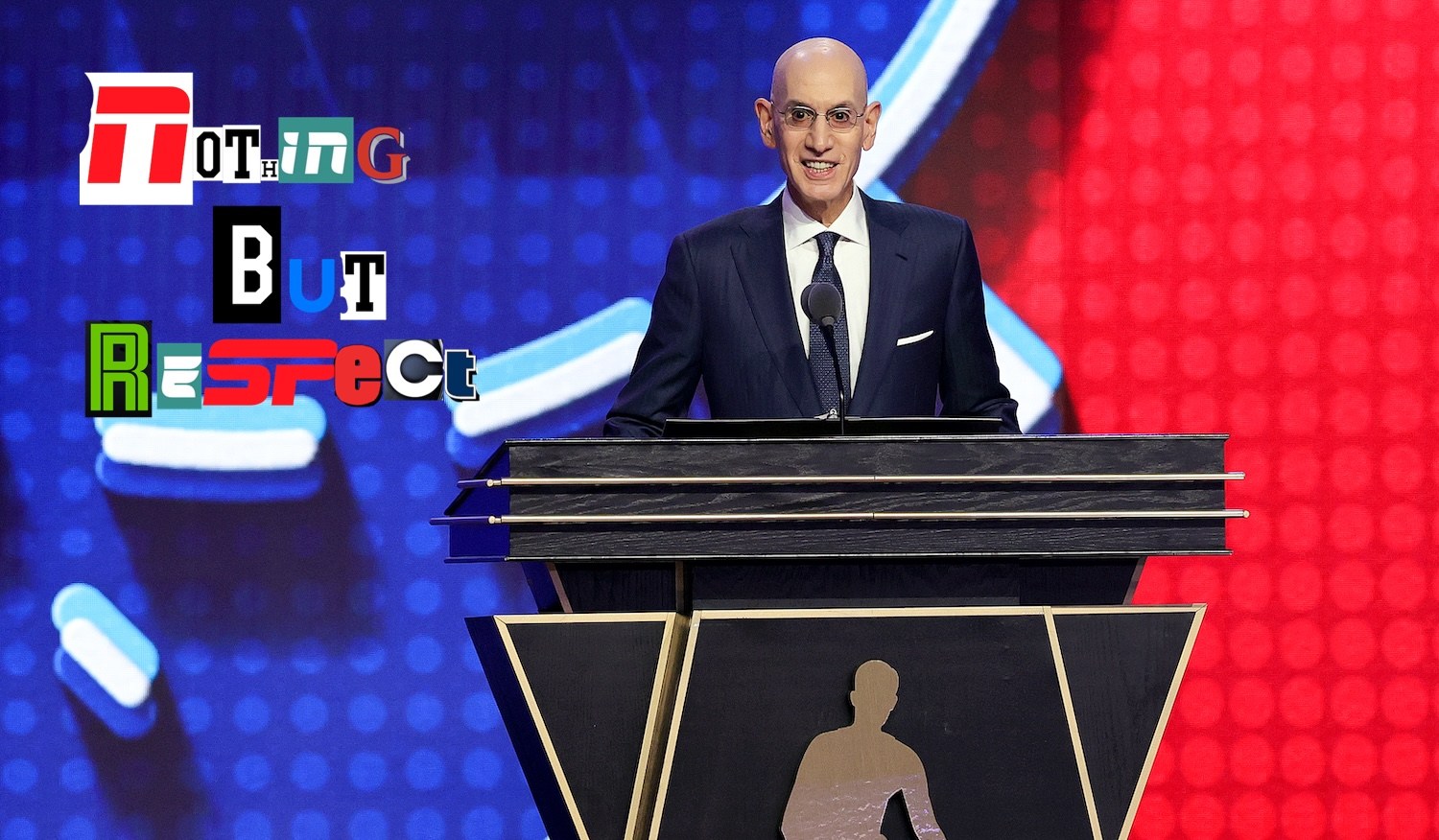
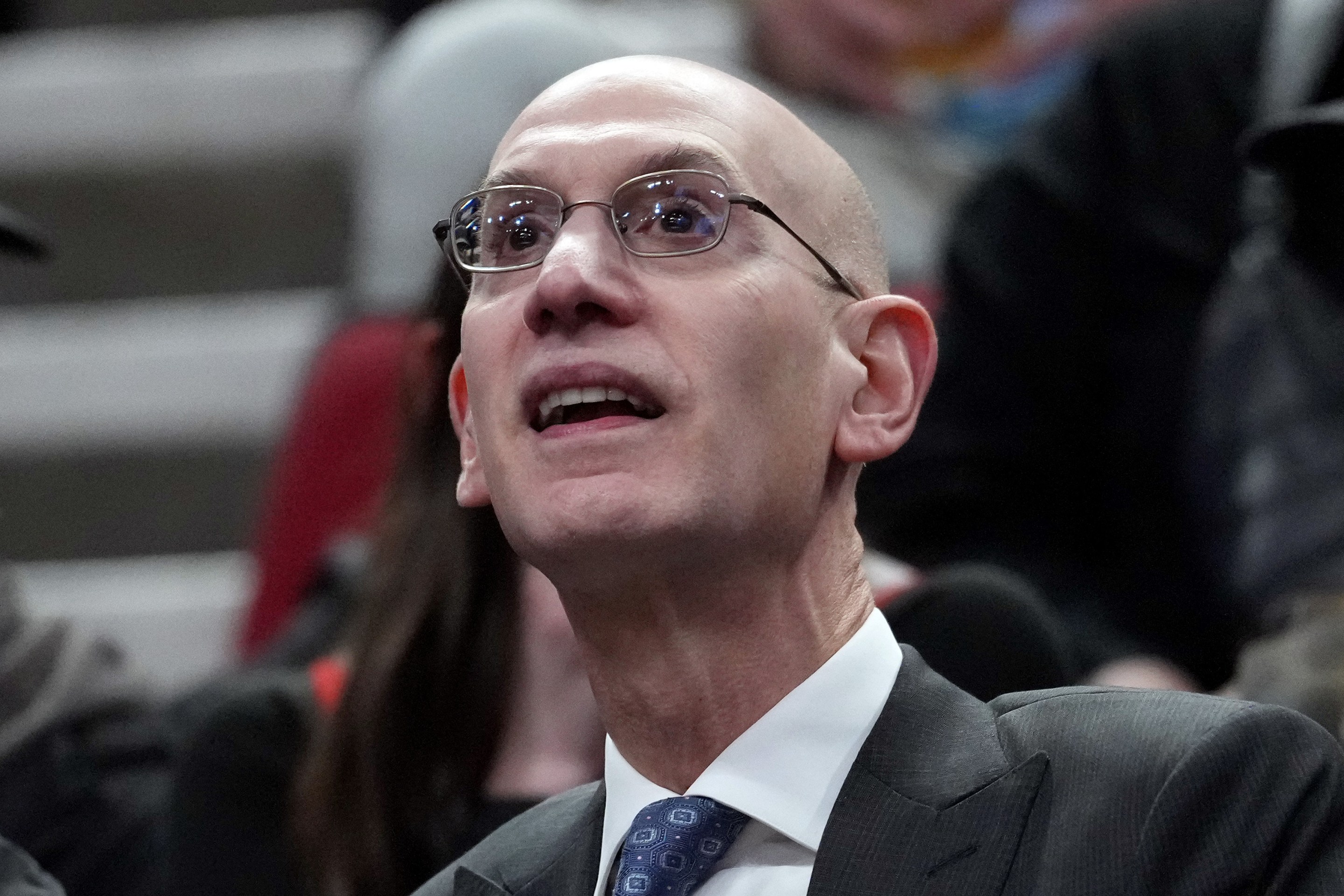
So it is with NBA commissioner and astigmatic cadaver impersonator Adam Silver's declaration that the NBA Board of Governors—that's BOG, as opposed to GOB (Gang Of Billionaires)—is going to meet next week on the topic of expansion, almost certainly to Seattle and Las Vegas. This raises some obvious questions, none more obvious than whether the league has enough talent to expand when it already has eight to ten teams currently doing everything they can to avoid winning. And the obvious answer to that obvious question is "What the hell does basketball have to do with the NBA's business?"
Expansion is one of the few topics that could get people's minds off the NBA's plethora of perceived shortcomings, because it is something new in a continent full of what's old. Or sort of new—everyone that pays attention to the league has known the two expansion cities involved for years without ever actually being told, proof that just because a league is secretive doesn't mean it can't still be transparent. Las Vegas will be the more expensive of the two franchises—think not of the $7-10 billion proposition quoted by insider sources (whoever they are), but likely well past $10 billion. This is only because Golden State is valued at $11 billion by Sportico, Forbes, and CNBC, the highest-ranking troika of organizations in the industry of pulling numbers out of thin air. Team ownership is a status game, and the competition between bored billionaires will be fierce enough to raise the price to one that would make a billionaire's heart rate quicken. Don't forget, after all, that Snoop Dogg once offered a billion to lead a consortium to buy the Ottawa Senators, for Christ's sake, currently ranked 29th of the 32 NHL franchises, an indication of the intoxicating nature of sports ownership even as the rest of the planet becomes a charnel house.
Whatever you may think of Silver's performance viz. tanking, load management, the draft, the state of the game, and so on, it's worth remembering that none of those are within his actual job purview, and those furrowed brows of his are mostly performative. They're important to the product that the league sells, but less so to the team owners who are Silver's only bosses; the people who pay him don't want him to spend company time on non-company tasks. Silver's job is the care and feeding of franchise valuations present and future, and if pumping $20-plus billion into the pockets of his 30 existing clients in exchange for goosing the league's cover charge an extra six percent, then that is what Silver must do. Worrying about the potential impact on quality of play or the number of comparatively underqualified superhumans who will fill those new rosters is not really his concern.
His concern instead is less about diluting the population of stretch fours in the league and more a question of how many qualified billionaires there are in existence. Not the number of billionaires—Forbes' real-time list for today puts the number at an even 3,356. No, we mean the number of billionaires interested in enhancing the NBA product and everyone's capacity to enjoy it while making the same traincars of money they are making now. And that number currently isn't even 30 within the league itself, based on the level of dissatisfaction among the present owners. The challenge is less finding someone rich enough than finding a rich person normal enough to want to own a basketball team, and with the attention span and commitment to do what that entails. You know, like customer service.
You can find members of the hoop mediocracy who love grousing about the amount of negativity surrounding the NBA game; excessive as it might be, their arguments tend to end up as variations of "Stop talking mean about my favorite toys." Things can't be that great in the league if 30 percent of the membership is actively fetishizing the virtue of abject failure; adding two Franken-teams to a bottom-heavy league might be good business, but it's hard to imagine it doing much good for the actual entertainment product the league sells.
And those bad teams being worth $12-plus billion because Las Vegas is still considered the Xanadu of entertainment despite the Raiders playing there is still worthy of notice—and maybe some concern as well. At that price, assuming that not even billionaires are stupid enough to expend half their net worth in A.J. Dybantsa futures, there are actually only 124 qualified billionaires—that is, with a net worth $30B or more—who could splash in that water without taking on partners, and at those prices, partners are just pains in the ass with Trump-issue shoes. Take out the four folks above that line who already own NBA franchises, and you can see a bit more of Silver's conundrum. He can barely corral the numpties he already has, and now he's got to find and vet more like them? Now we know how he actually earns his money, and why it's much harder work than it seems.
So yes, the game will be marginally worse off for the additional teams, even though fans in Vegas will finally have an alternative to the Lakers and fans in Seattle can finally stop pining for or grousing about the Thunder. Las Vegas's team will join a crowded field in what is essentially a town built on transients, while Seattle is rewriting history that never should have been written, so there's the intoxication of civic retribution involved. And let's not forget the NBA's interest in colonizing Europe, either with more teams or an NBA version of Eurobasket; that's a longer horizon goal, but let's be fair here—Memphis ain't got doodley on Madrid. Keep that in mind while you lower yourself into the NCAA Tournament over the next three weeks. There are more NBA-quality players on earth, and maybe just in the Big 12, than there are owners devoted to the future benefit of the game and its customers. Those owners can turn a profit, though, especially given the share of every tab that taxpayers invariably pick up. If you can buy the Vegas Inside Straights for $12B, you are already imagining how, after a few years of 15-67 and a rich new league TV deal, you might flip that investment for a cool 20 percent profit.
This all seems like a massive drag on the fun that hoopers in Vegas and Seattle will have once they are invited to the big kids' table. We get that. Expansion is supposed to be a happy occasion, as Monty Python 's Michael Palin reminded us before the wedding of his daughter that ended with everyone being slaughtered in The Holy Grail. There are few things as cool as a new team in town, at least until you find out that season tickets costs the equivalent of lakefront property, and the joys of undamaged fanhood represent the rare clean slate. Before these teams become investment products for the unconscionably rich, they could be anything, and so really are fun to dream about. That's how this grift works, but it does work. You should enjoy it for as long as your conscience will allow.
But do take care to remember that your chances of getting the next Victor Wembanyama in Vegas or Seattle are significantly better than your team being owned by someone who prioritizes the reason you'll want to see the team in the first place. That's the real trick with expansion: The universe does gift us a Wembanyama every century or so, but it is much stingier with minimally competent, vaguely civic-minded billionaires. Las Vegas fans, more than any other, should know the odds, and know that they've already beaten them by having the NHL's Golden Knights become the best-run/most successful/luckiest expansion team in history. They are the absurd exception that codifies a much more dispiriting rule. To quote the prophet, "Buyer, meet beware."