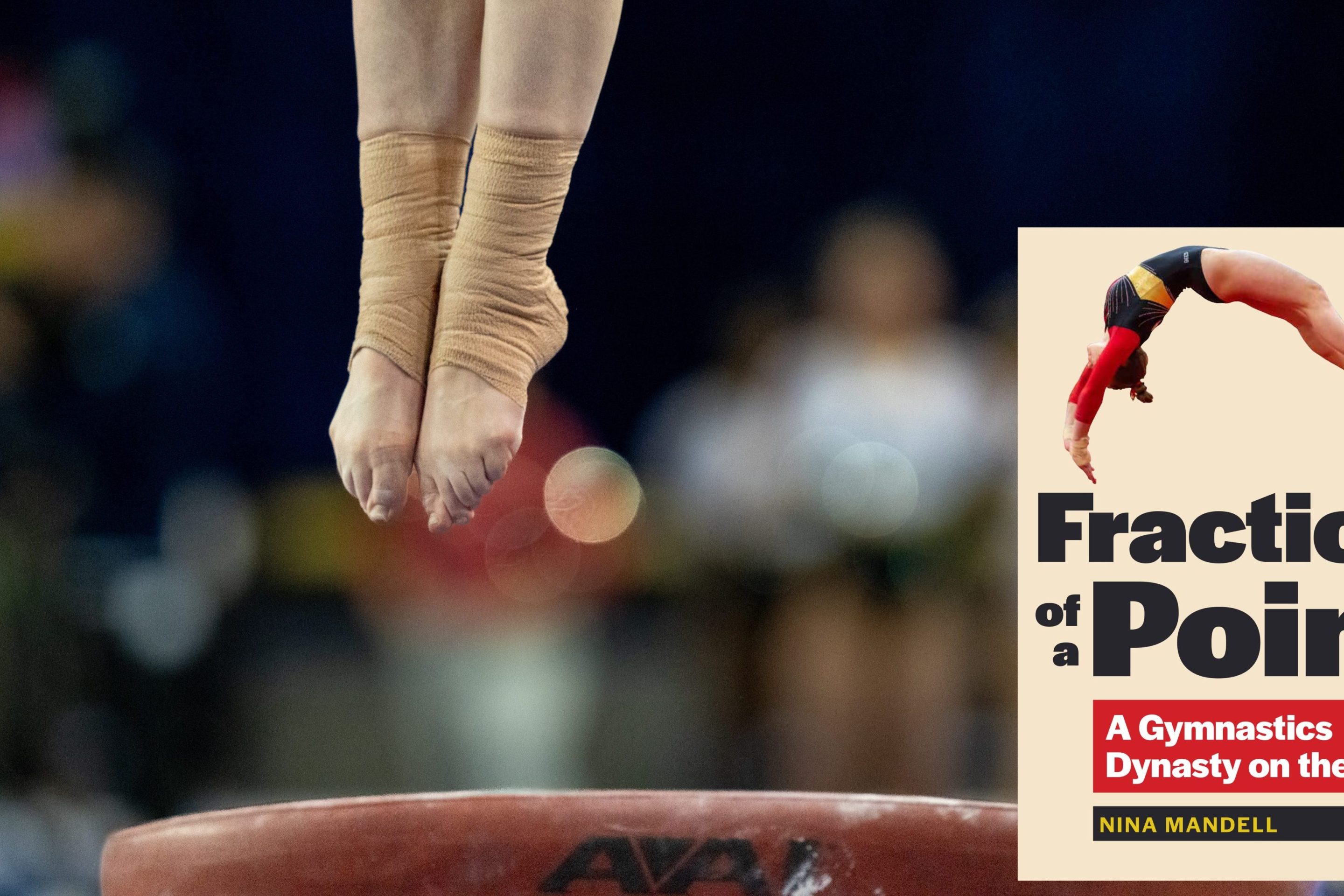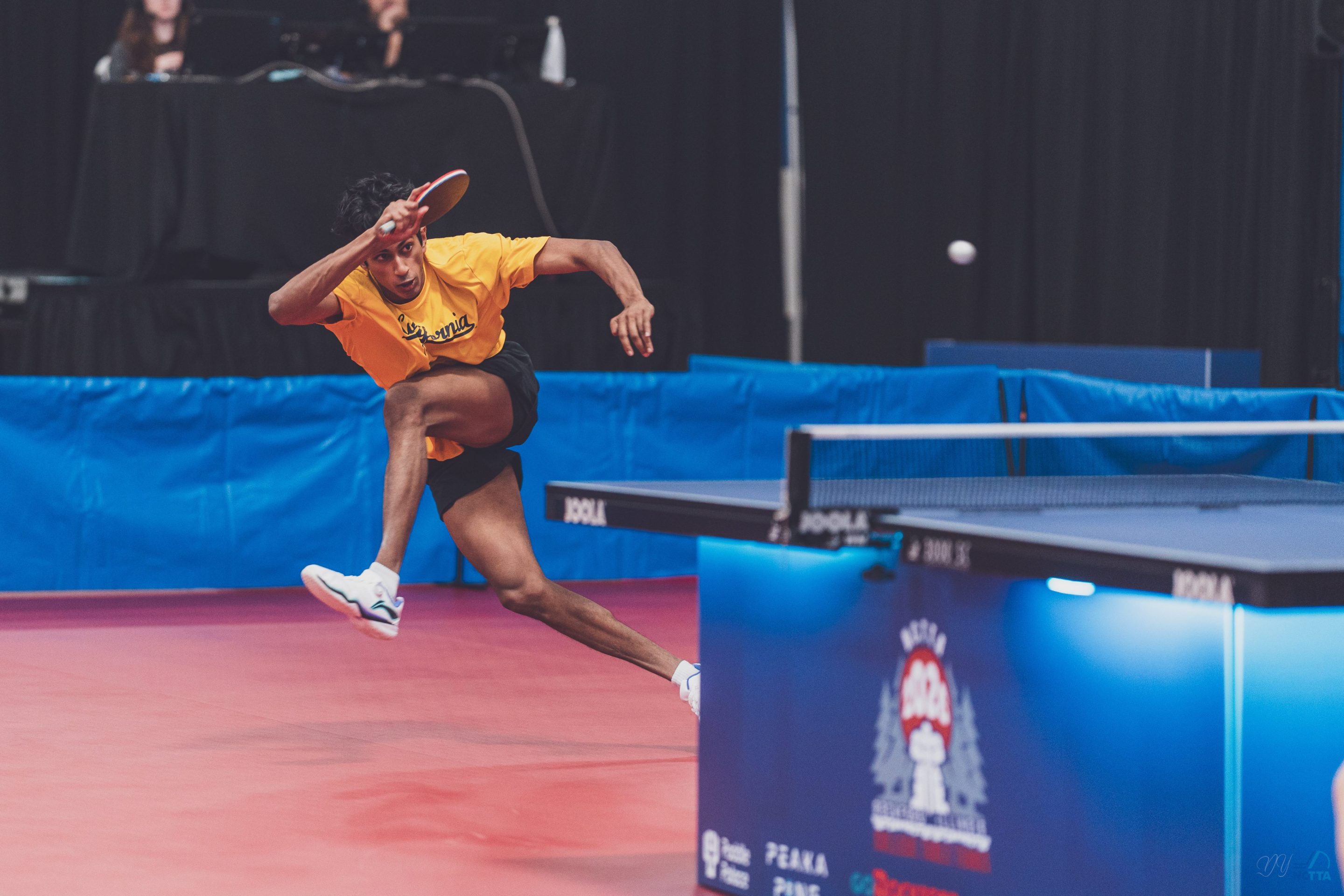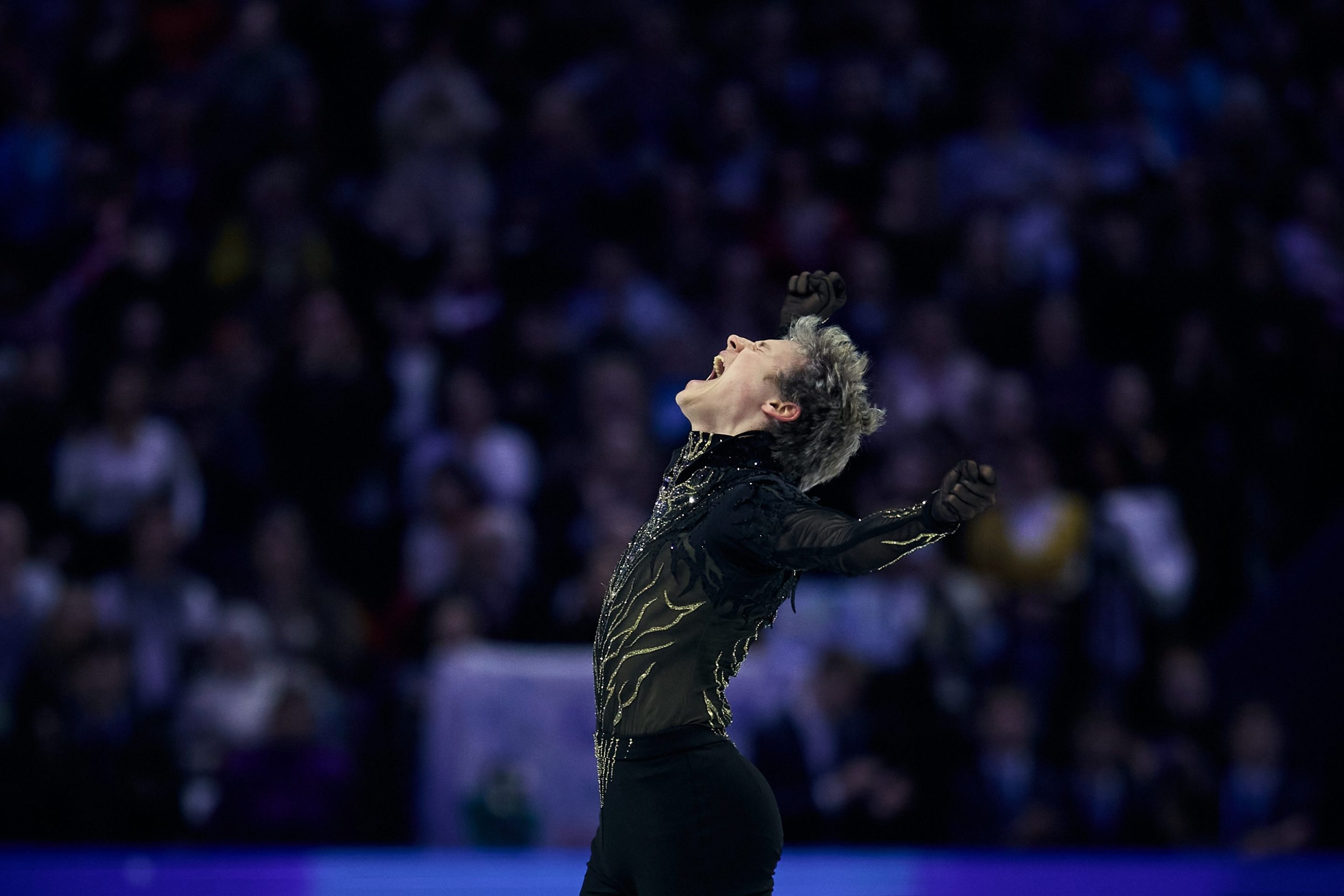

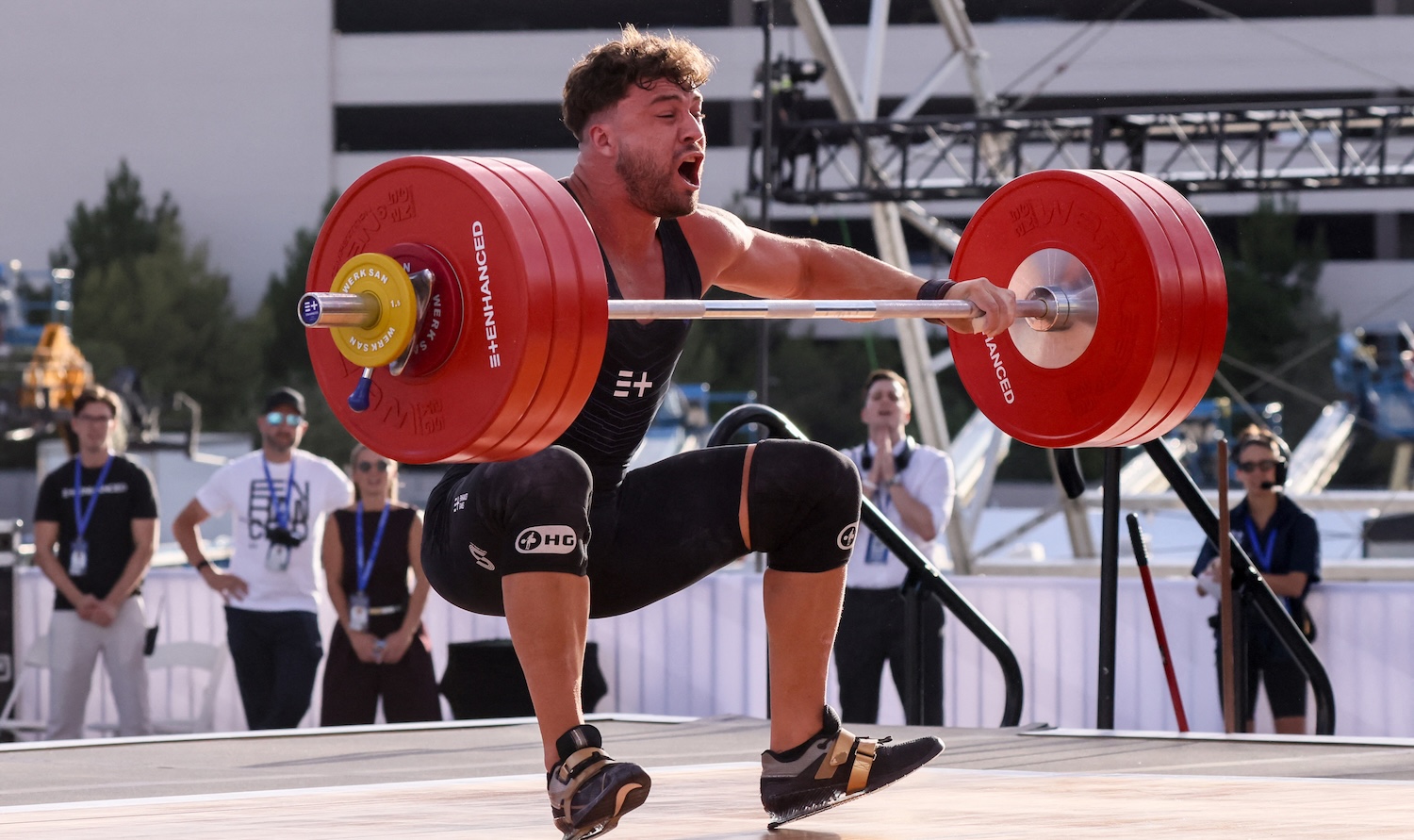
The Enhanced Games, a marketing stunt for direct-to-consumer steroids dressed up in a thin Olympic disguise, were held this past weekend, on the far north end of the Las Vegas strip. The event was a miserable failure on every front it supposedly contested, serving as neither an effective marketing stunt nor a worthwhile athletic competition. If anything, it was a testament to the limited power of steroids.
The pitch for the Enhanced Games (TEG) was that allowing athletes to dope as much as they wanted would facilitate the mass shattering of putatively clean world records, proving in the process that human physiology and talent were ultimately less important for athletic performance than pharmacological enhancement. Is an athlete a body, or are they the sum of their inputs? In an attempt to prove the latter, TEG attracted a decent crop of Olympic-level athletes in pure performance sports (i.e. nothing with a skill element, which you can't dope your way into), thanks to a massive prize pool and the support of investors like Peter Thiel and Donald Trump Jr.
TEG is open about its intentions, which are to sell testosterone, peptides, and more right-coded versions of the stuff you can find on any direct-to-consumer telehealth service. "What I'd like to be remembered for is not bringing the Enhanced Games to life, but bringing the enhanced age into existence," founder Aron D'Souza—who has been credited with piloting Thiel's anti-Gawker legal strategy and also runs an AI-based media bias detection company—told the Wall Street Journal's Josh Robinson last October. "Who would want to be a Human 1.0 when you can exist in the world of Humans 2.0?"
The problem is, Human 1.0 kicked ass this weekend. In the 100-meter race, two-time Olympic medalist Fred Kerley dusted the field to win with a time of 9.97 seconds. Kerley is currently serving a two-year ban for missing drug tests, though he competed at TEG clean, beating a field of dopers and talking shit afterward.
"I'm here to disrespect the field," he said. "I'm not here to be buddies. There's money on the line. I'm here to disrespect the field."
Two other non-dopers won their events, with Barbadian sprinter Tristan Evelyn taking the women's 100-meter race and American Olympic gold medalist Hunter Armstrong winning the men's 50-meter backstroke. All three of those athletes want to compete in the 2028 Olympics in Los Angeles and raced without doping in Las Vegas, to preserve their ability to take part in real events and also make a ton of money while doing so.
This really damages the efficacy of the marketing stunt. Make the prize pool big enough, and you'll attract clean athletes subject to the same financial burdens, related to the public's merely quadrennial interest in their sports, as the dopers. If those athletes then go on and win, doesn't that prove that steroids don't really matter that much?
Many people probably harbor the ultimately comforting fantasy that anyone can be molded into an elite athlete with the right doping regimen. Sure, EPO and other performance enhancers are bad for you, but they fundamentally work, opening the door to imagine oneself riding in the Tour de France or sprinting in the Olympics with the help of medicine. This was the rough premise of the 2017 documentary Icarus, though that project was serendipitously derailed when filmmaker Bryan Fogel's partner in his doping experiment, Russian chemist Grigory Rodchenkov, turned whistleblower on Russia's state doping project.
But these aren't miracle drugs. Even very good swimmers and runners can't cheat their way past the best in their sports. One world record was supposedly broken at TEG, with Greek swimmer Kristian Gkolomeev completing the 50-meter freestyle in 20.81 seconds thanks to an extensive doping program and a buoyant swimsuit forbidden in non-TEG competitions. That is 0.07 faster than the legitimate mark set by Australian swimmer Cameron McEvoy in March, though some people have hand-timed it several hundredths of a second slower than McEvoy's time.
So uninspiring were the competition's juiced performances that TEG eventually turned to bragging about world records almost being broken:
Ben Proud finishes just 0.05 off the world record.
— Enhanced Games (@enhanced_games) May 25, 2026
22.32 on the clock. $250K for first place. pic.twitter.com/uCP9P2EzO7
What an embarrassment. If you held now rapidly declining Enhanced Group Inc. stock or were a fan of mass steroidification in sports, it was probably a rough Sunday for you. But if you are someone who likes sports and cares about talent, performance, and the triumph of the human body and spirit, the Enhanced Games were amazing. Thank you to these guys for proving that there are no shortcuts to being a world-class athlete.