

I am sorry to report that despite the FIA extending the program yet another year, the Monaco Experiment is still a failure. The battle between engineers trying to "make cars fast" and "let cars pass" has, at least in Monaco, resulted in racing that allows for neither and resists outside intervention. Last year's double pit stop experiment proved futile; this Sunday showed that the new regulations and slightly smaller cars still could not provide for better racing. If there is entertainment, it needs to come from racing so atrocious to watch it loops right back around to "fun," or other sessions, or, depending on your media diet, inane celebrity hullabaloo. This is why I propose we rename the Monaco Grand Prix to something more apt. The Monaco Qualifying Prix, perhaps. More like Monaco Grand Penalty Sunday. I'll work on it.
Street races make for great qualifying viewing because the boundaries are so obvious; in other words, they make it easy to demonstrate how good Formula 1 drivers are at their jobs. In Monaco, the barriers, which have the faintest give, need to be kissed in order to maximize pace, providing a demonstration of the absolute limit. The margin between pole position and the wall is, as Charles Leclerc knows after heartbreak after heartbreak in his home race, very narrow.
And despite Mercedes dominating from the start of the season, qualifying was any of the top three teams' game. While Driver's Championship leader Kimi Antonelli was strong, his teammate George Russell never had the pace to contest for pole. The Ferraris performed very strongly across the three practice sessions, and Leclerc topped Q1. Both Red Bulls looked pacier during the weekend, with Max Verstappen topping Q2. Verstappen looked just about on track to win pole position as well, holding the provisional place with a time of 1:12.094 before Antonelli took his final flying lap. Sector 1 and Sector 2 passed, with Antonelli notching personal best times, but no purple sectors, the indicator that he had beaten the rest of the field. Then Sector 3 passed, absent once again the telltale purple, but it was just enough: Antonelli squeaked by Verstappen by 36 hundredths of a second into pole position, and Leclerc hit the wall on his very last attempt to close out the session.
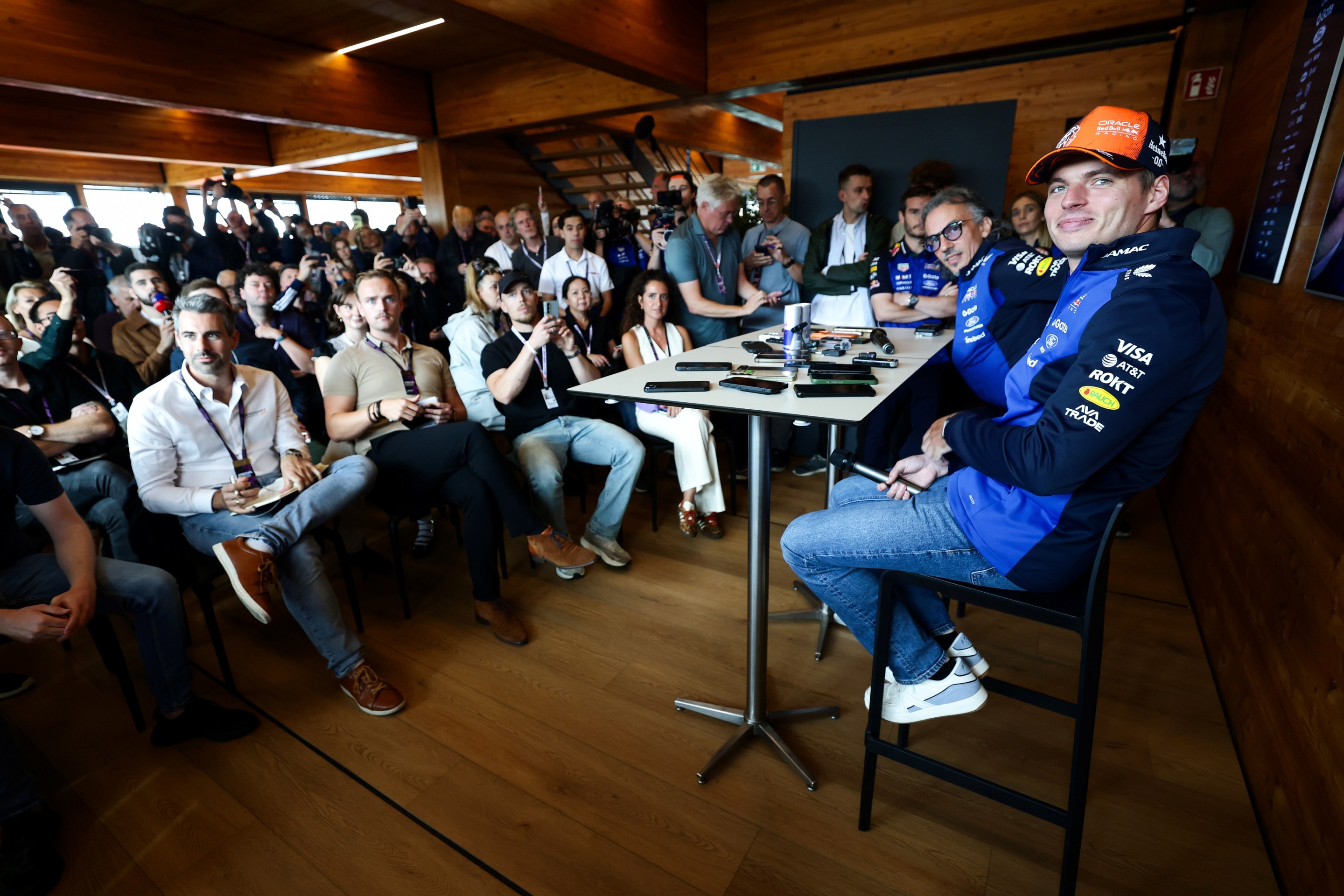
It is good that qualifying was entertaining because it is the most important part of Monaco; barring a 2021 Valtteri Bottas wheel nut incident, the starting grid and the subsequent start off the line pretty much define the end result of the race. Verstappen, who was starting P2 on the grid, offered Antonelli some advice for the start in the post-qualifying press conference: "When the lights go out, wait one second." Sir Lewis Hamilton, who was starting P3 on the grid offered Antonelli an additional tip: "When the lights go out, wait two seconds."
So the Monaco Qualifying Prix officially ended on Lap 1, when the lights went out and away the cars went—or didn't. One second, as it turned out, would not have been enough for Verstappen, whose Red Bull could not get off the line after his power unit—allegedly the best on the grid—failed, and he was forced to finish watching the race from his own home. Antonelli got a clean start off the line with both Ferraris behind, and began to cruise off steadily into the distance while his teammate Russell languished, stuck behind the Red Bull of Isack Hadjar, which also started to suffer power unit issues partway through the race.
Perhaps the true result of the Monaco Experiment was a revelation: If overtakes can only take place at race starts, why not start the race two-and-a-half times? And if we need one more complication, why not pile on as many penalties as possible? Where the Monaco Qualifying Prix ended, the Monaco Grand Penalty Sunday officially began. As cars made their first pit stops, penalties for speeding in the pit lane rolled in. Monaco has a slower pit-lane speed than most race weekends, at 60 kph instead of 80 kph. Driver after driver pressed the pit speed limiter button on their steering wheel, and—thanks to software, a likely story this year—driver after driver received a five-second penalty for speeding in the pit lane by a meager .1 kph, including two at the front of the race in Hamilton and Russell.
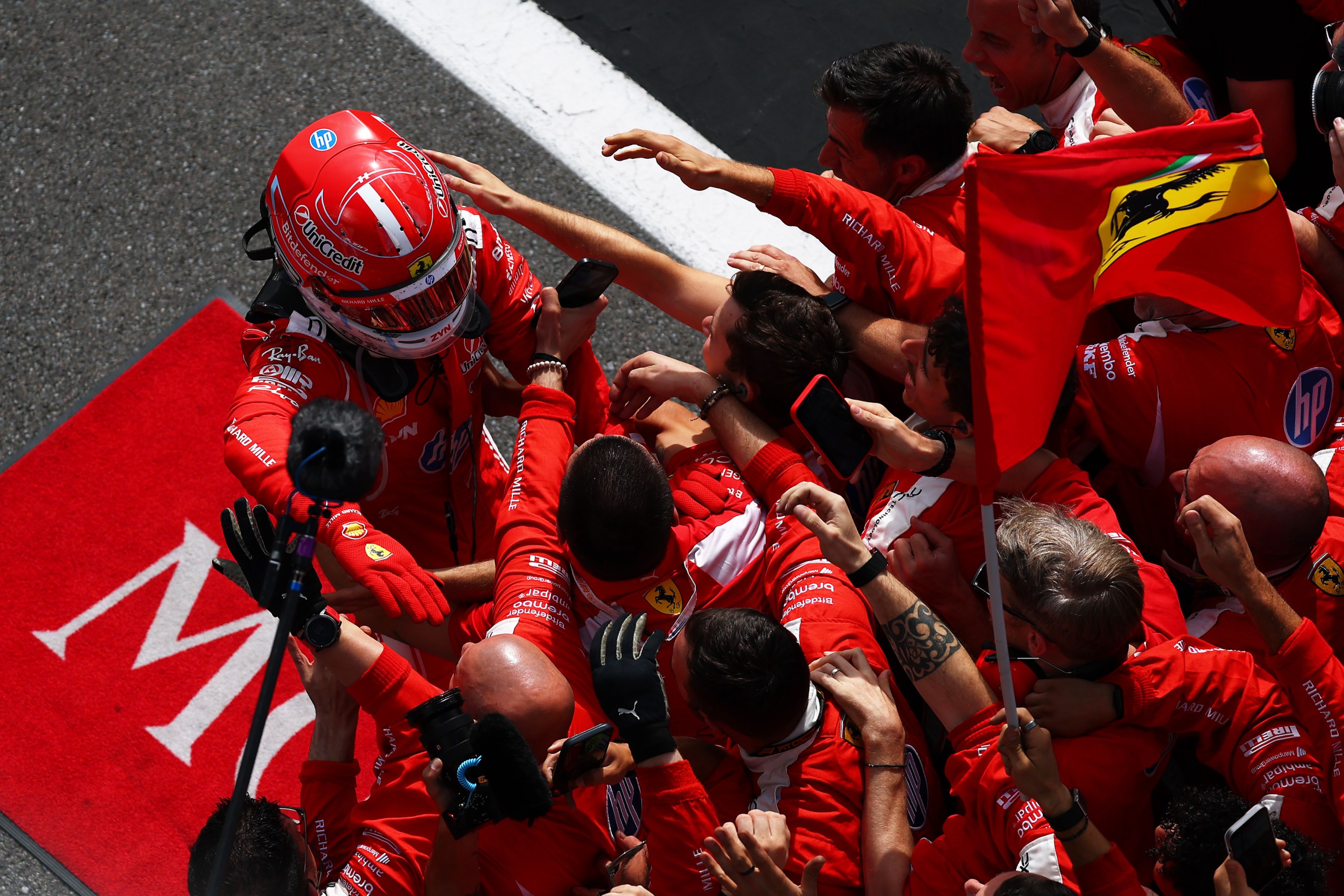
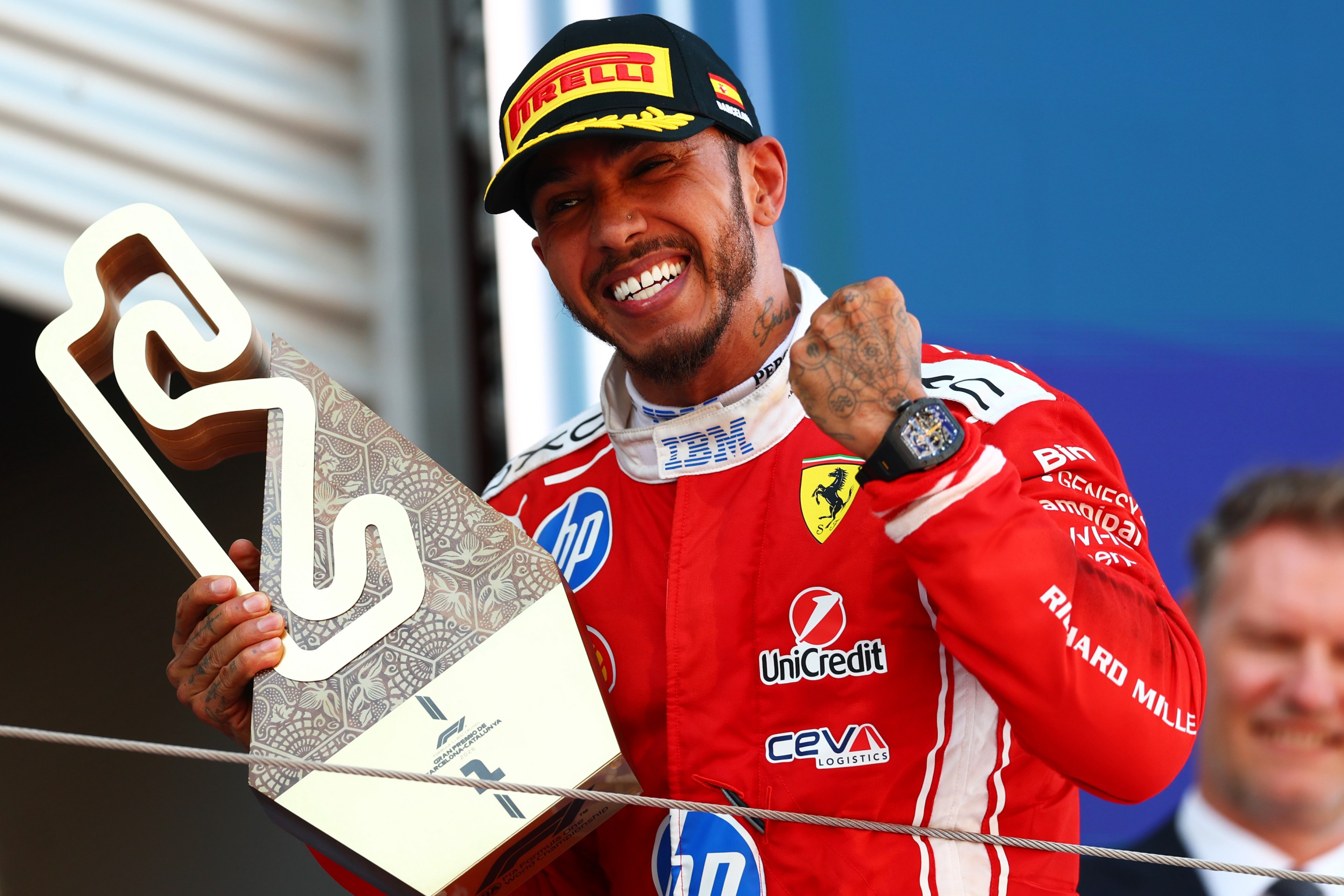
The penalties came into play when the race really started to pick up on lap 61 of 78 (ah, Monaco), after Lance Stroll crashed into the wall. At the time, Antonelli was leading the race 41.9 seconds ahead of Hamilton, who was himself 4.3 seconds ahead of Leclerc, who was over a minute up on Russell. Hamilton's penalty would ordinarily have put him behind his teammate, Leclerc, but Ferrari called both cars in at once. Hamilton served his penalty in the box while Leclerc was forced to wait a bit behind him, effectively nullifying Hamilton's punishment. Leclerc was distraught as to why the team hadn't just left him out one more lap (the details of timing safety-car pitting are a bit odd, due to how the cars get bunched together).
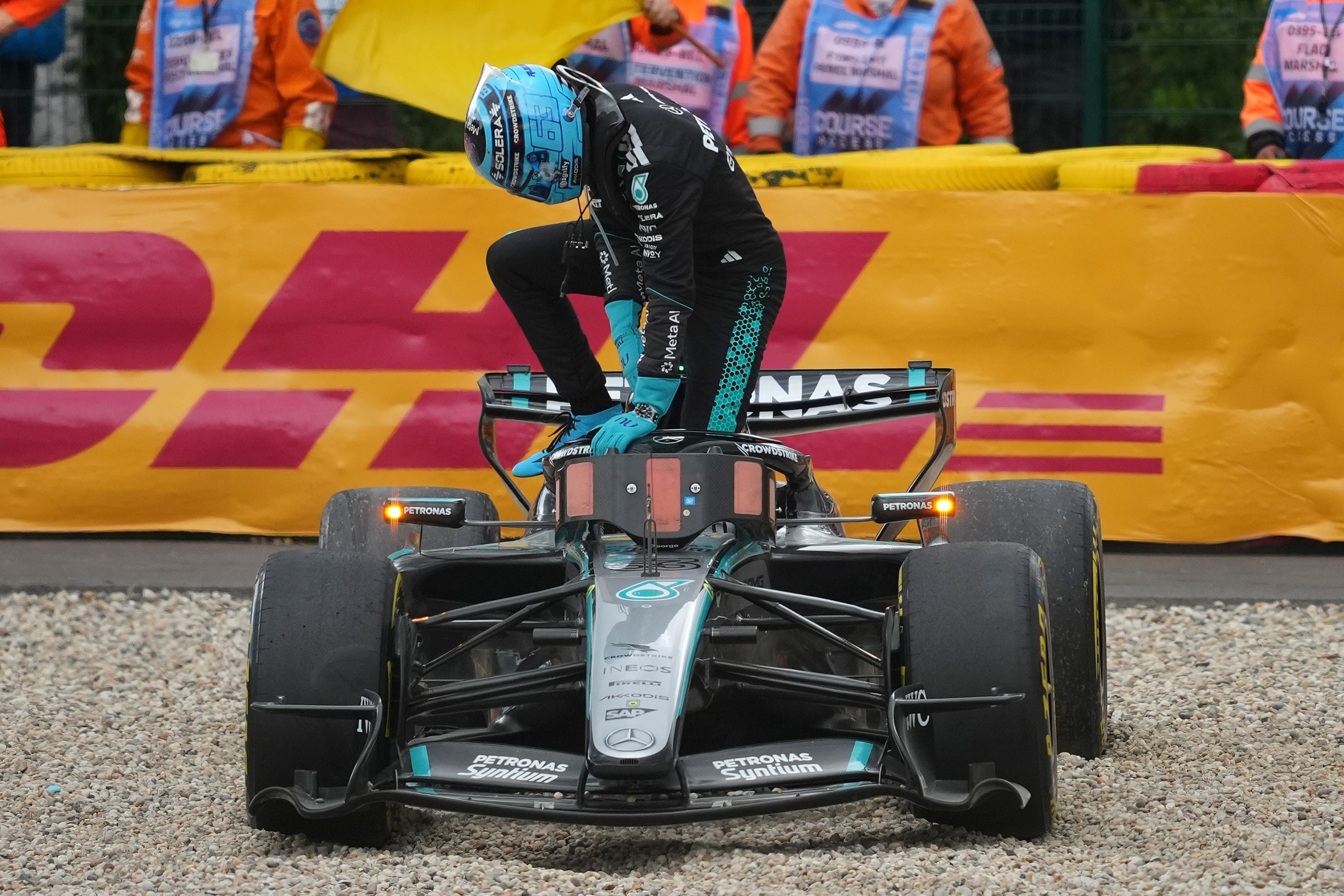
It is hard to say who, between Leclerc and Russell, wound up finishing the race worse. On one hand, Mercedes forgot to serve Russell's mandated speeding penalty during the safety car pit stop, which saddled him with an additional drive through penalty and ultimately pushed him out of the points. On the other hand, upon the safety car restart on lap 66, Leclerc crashed into the wall at the same place Stroll had. Leclerc's distress continued on the radio. "Honestly, I'm not even going to take the fucking blame," he said. "These fucking brakes!"
The race director red flagged the race in order to inspect an ugly gash that had formed in the asphalt—though Leclerc focused on the brakes, there was likely some blame to go around—in the corner where both Stroll and Leclerc crashed. It was deemed safe enough to start, and so Antonelli had to face his final hurdle of the race: yet another start against a rapid Ferrari. Apple and F1 TV commentator Alex Jacques acknowledged the terms of Monaco well as the lights went out, declaring, "For the race win!"
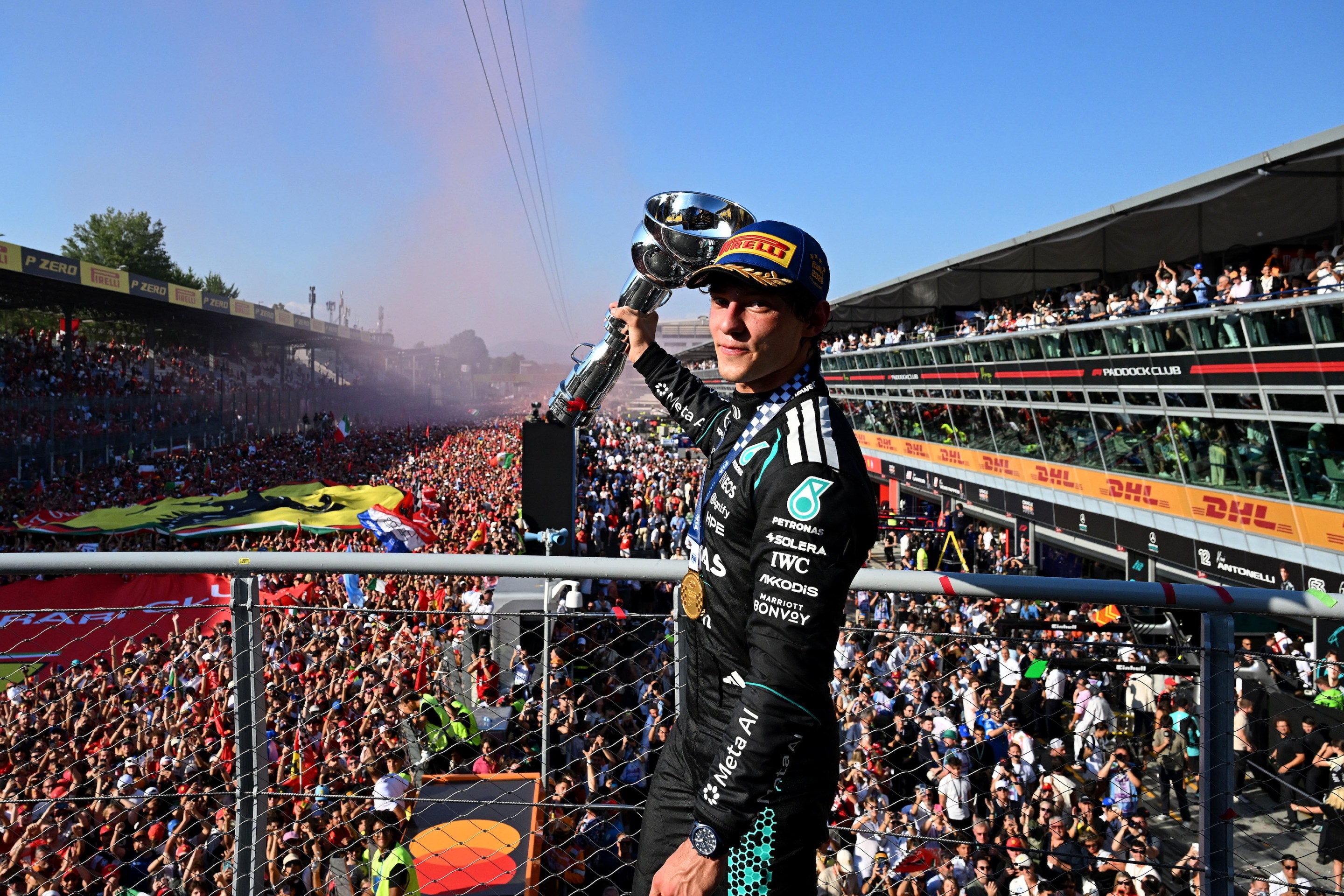
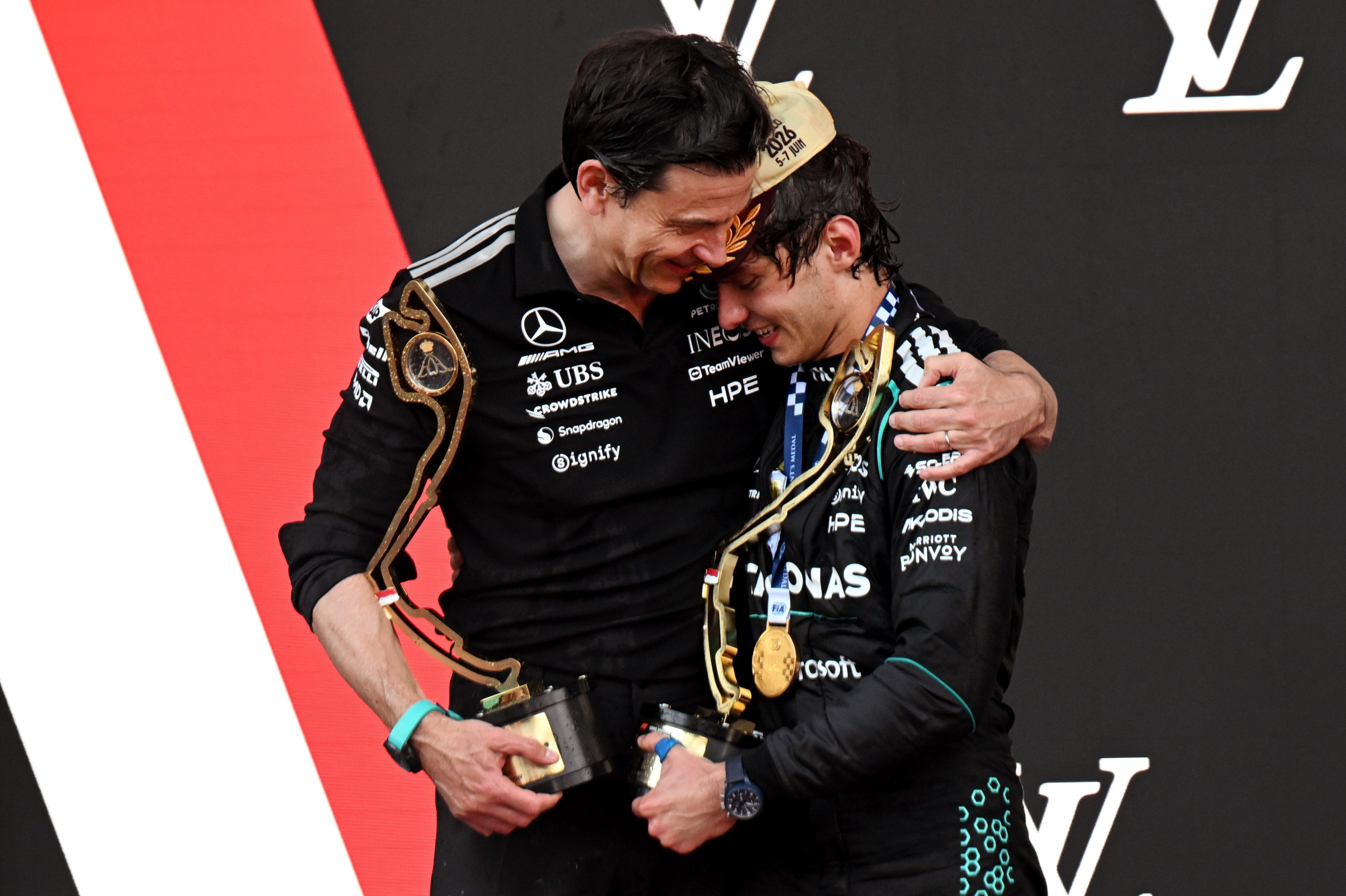
Well, Antonelli fended off Hamilton to win the race, succeeding thrice (or twice point five?) in the area where he has appeared most vulnerable this season. And his teammate and primary competition this year, Russell, lamented his poor luck after the race, sliding down to P3 in the championship standings behind Hamilton, his former teammate. As well he might; the horrors of the previous race were enough to buy at least a month's worse of bitterness, even if Russell were never in a position to contend for the win all weekend. Somehow, while Mercedes engines have been struggling with reliability issues, Antonelli has managed to come out of each weekend unscathed. Is that fair? Is that lucky? Maybe yes, maybe no, but if Antonelli could learn a thing or two from the GOAT just behind him in the standings, it's that champions tend to have luck fall in their way more often than not. Or, in other words, #Blessed.