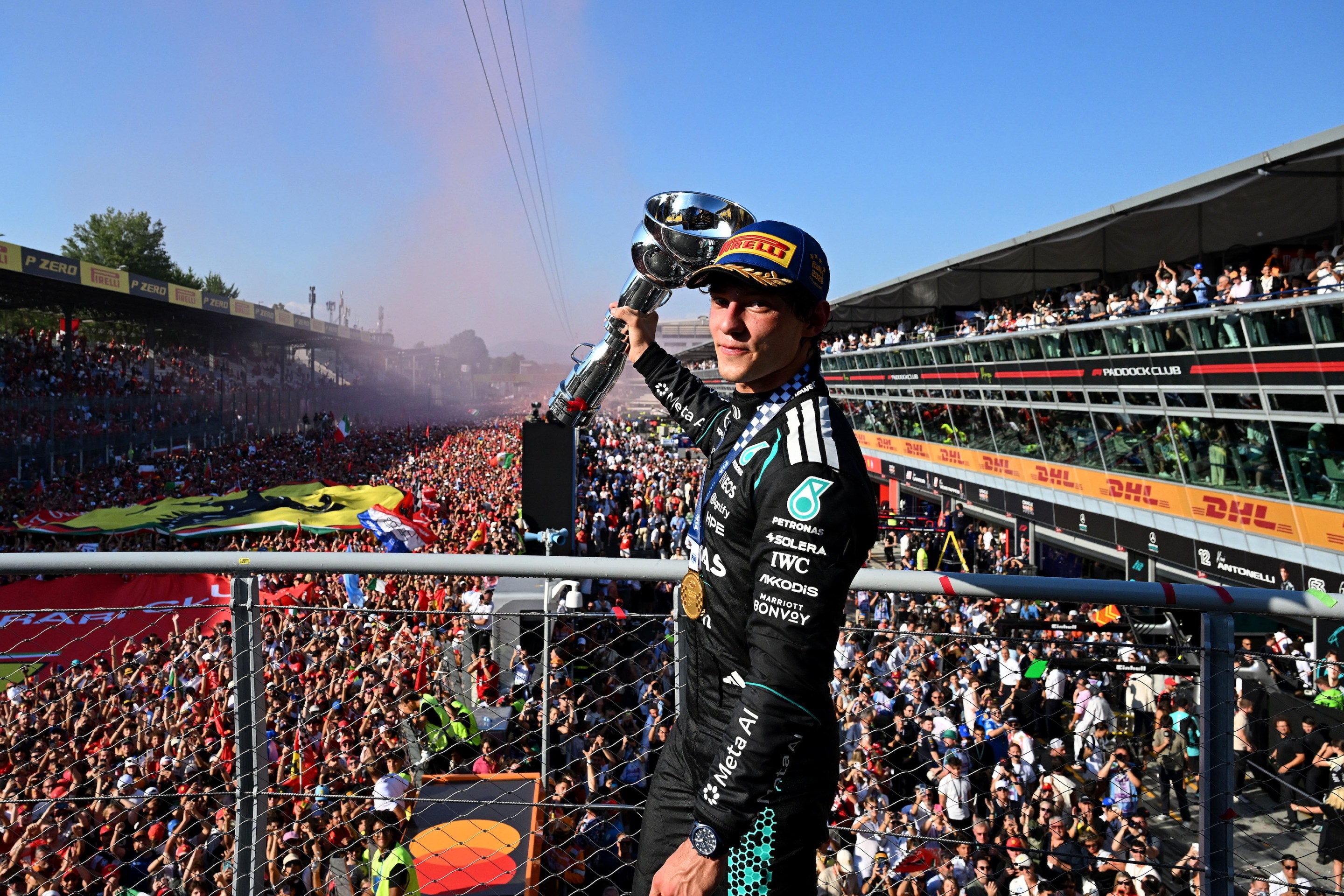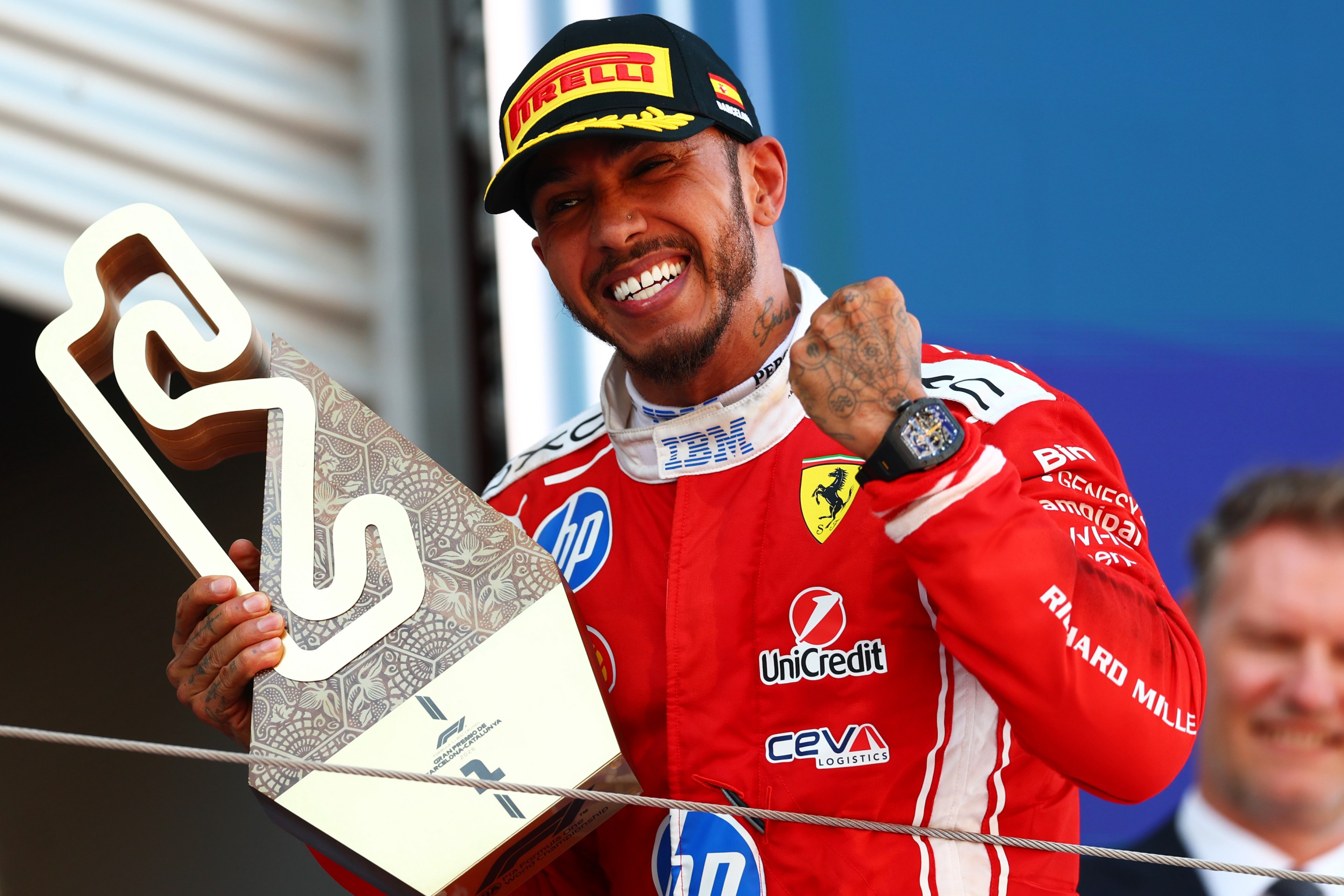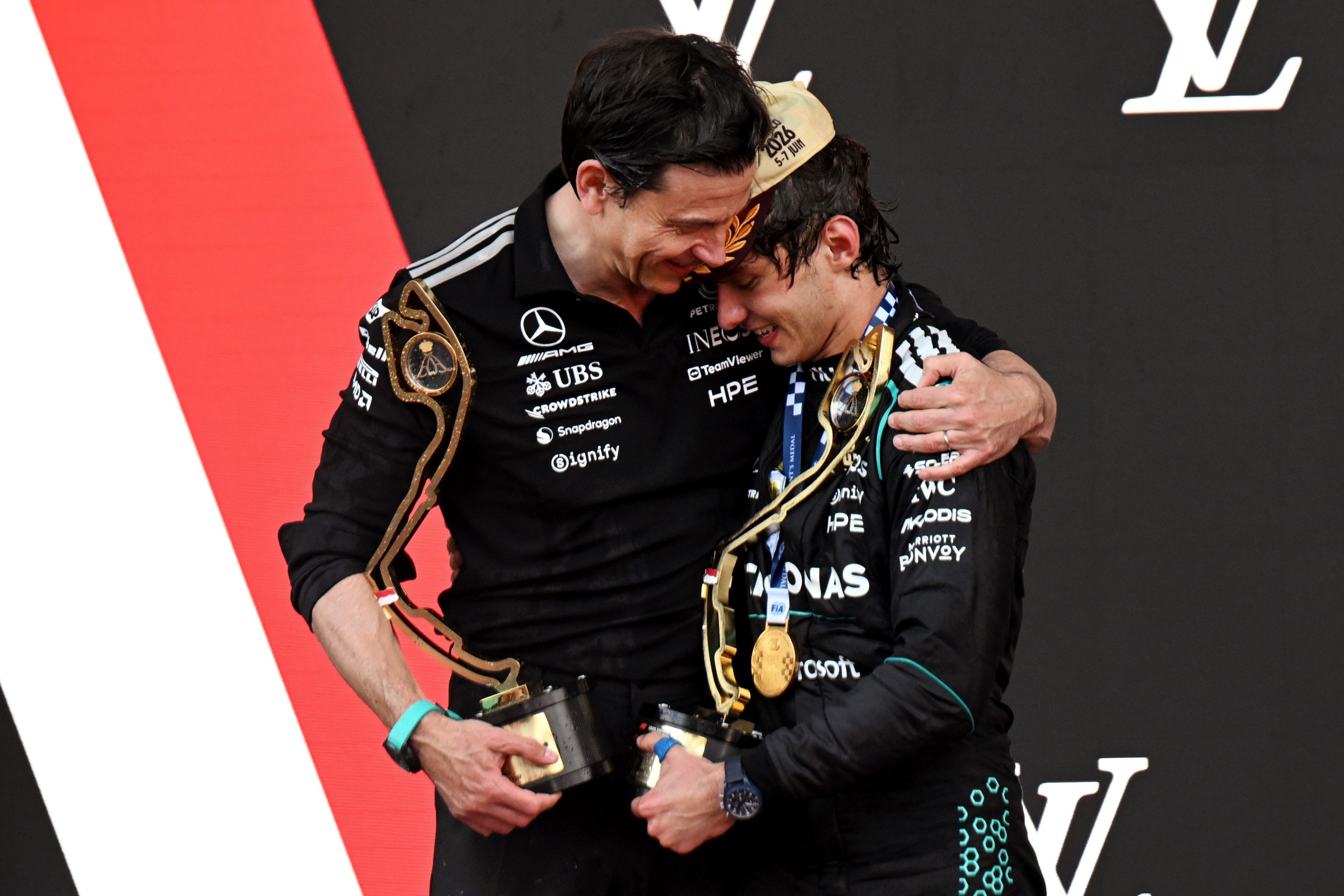
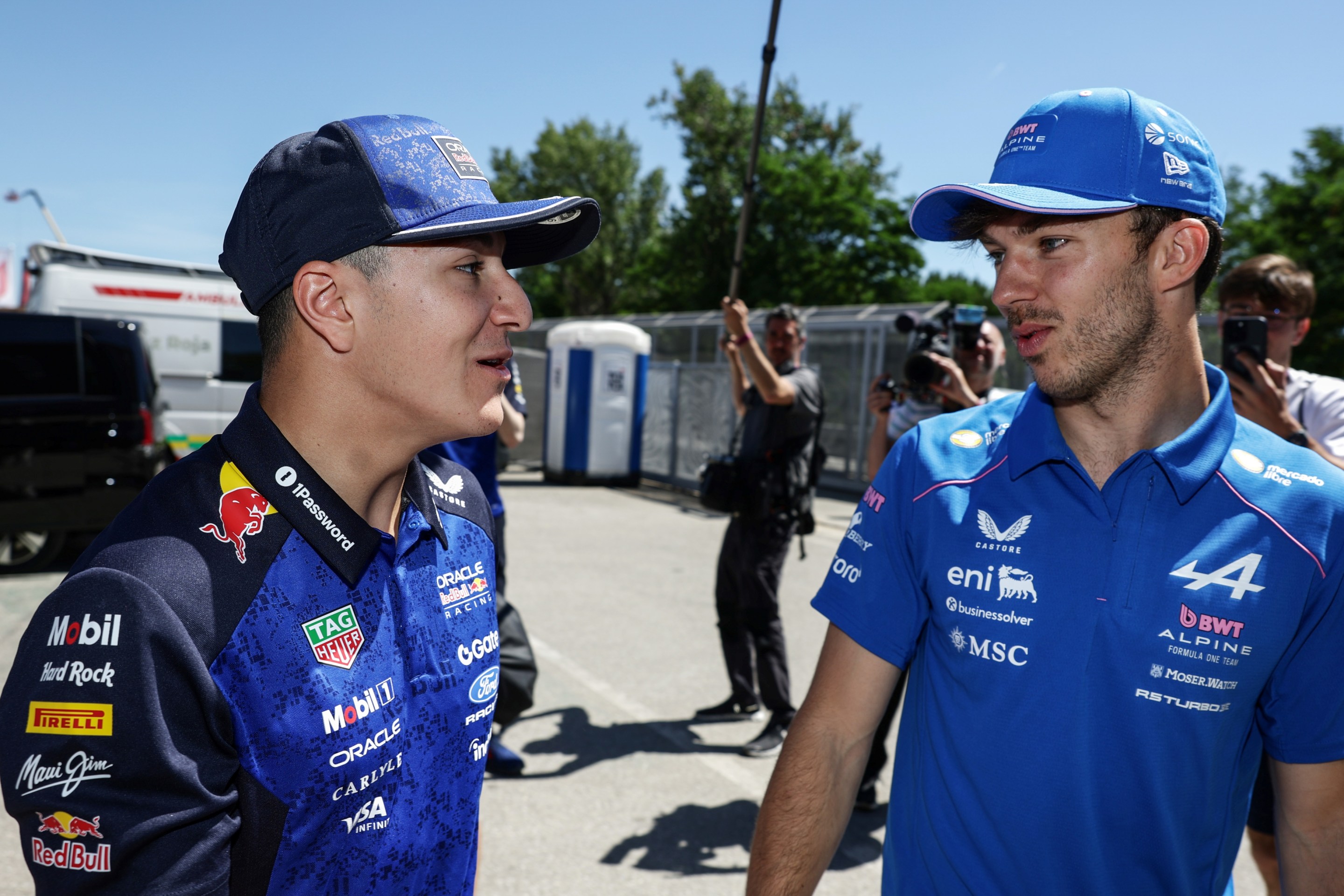
On Sunday in Monaco, Alpine's Pierre Gasly received pit-lane speed penalties totaling 10 seconds, which demoted him down to P7; on Thursday, Formula 1 reporter Chris Medland reported that Alpine's appeal for a review of those penalties had been deemed admissible. From that point it was obvious shenanigans would abound, no matter the review's result, and here shenanigans have arrived: On Friday, the stewards confirmed that the penalties had been incorrectly given, and rescinded them, promoting Gasly back to the podium place, P3, in which he'd finished the race. As a result, Red Bull's Isack Hadjar has been demoted from the podium back into P4.
To start from the beginning, the Monaco Grand Prix saw five drivers from four different teams receive penalties for speeding in the pit lane. All five drivers were held to have exceeded the speed limit by 0.1 kph, and Gasly, who received two penalties, also exceeded it by 0.4 kph the second time around. This proved to be one of the most dramatic and pivotal factors in the race. Left unclear was how so many teams wound up making the same error with the pit limiter, to the point where the stewards queried race control after the third penalty.
Well, the answer, as provided by the stewards in the Gasly decision, was that Formula One Management, the Official Timekeeping Supplier (sick position) of the formula, just seriously botched it. FOM stated prior to the race that the length of the first timing zone in the pit lane—where every single speeding penalty occurred—was 2,692 cm, accurate to the centimeter, but LIDAR scans found that the actual distance was 2,615 cm, or 77 cm shorter than initially stated. This then led to the 60.1 kph speeding penalty that all the drivers received.
The stewards' decision is worth reading in its entirety, just for all the minutiae about how pit-lane timing functions and how Alpine officially proved that Gasly had not sped in the pit lane. But the most relevant portion is the conclusion and its consequences. The stewards rescinded Gasly's penalties and only Gasly's penalties, which means that after he crossed the line believing he'd earned a podium, only to have his heart broken by his team over the radio, he actually did get the podium, just in the messiest way possible and without a celebration.
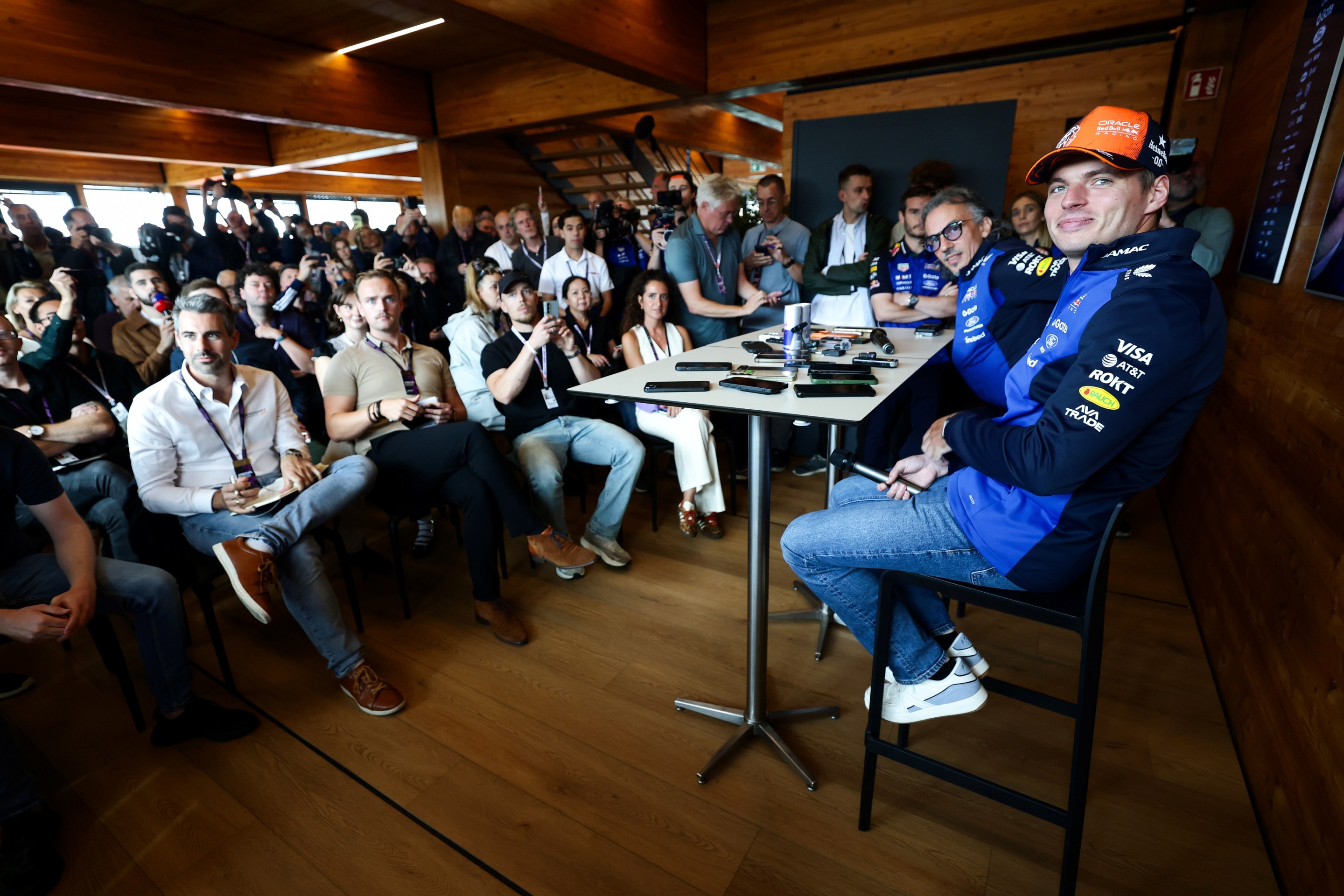
Meanwhile, spectators should feel glad that at least Hadjar got his maiden F1 podium out of the way last year with Racing Bulls, so that he only had his maiden podium as a Red Bull driver litigated away. What is most interesting about Red Bull's defense of Hadjar is the acknowledgement—corroborated by McLaren—that pit-lane speed calculations are always imperfect, and that teams know this and adapt accordingly. Gasly had been warned by his team to slow down in the pit lane before he received his second penalty, when he exceeded the speed limit by a greater margin; no other driver or team received two, which does imply a level of dysfunction specific to Alpine, whose second driver, Franco Colapinto, also received a speeding penalty. That said, the timing error in Monaco was obviously an outlier compared to other races.
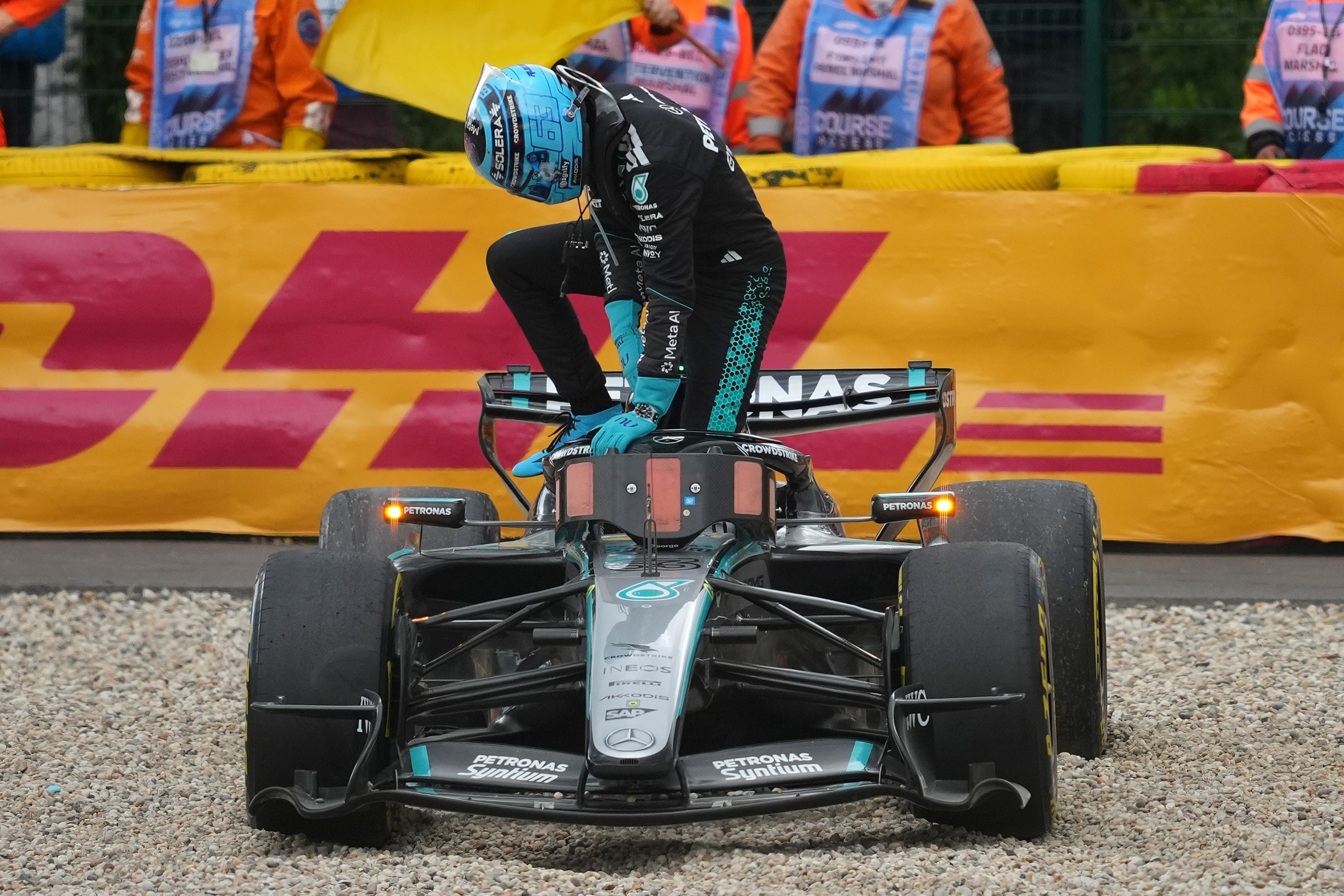
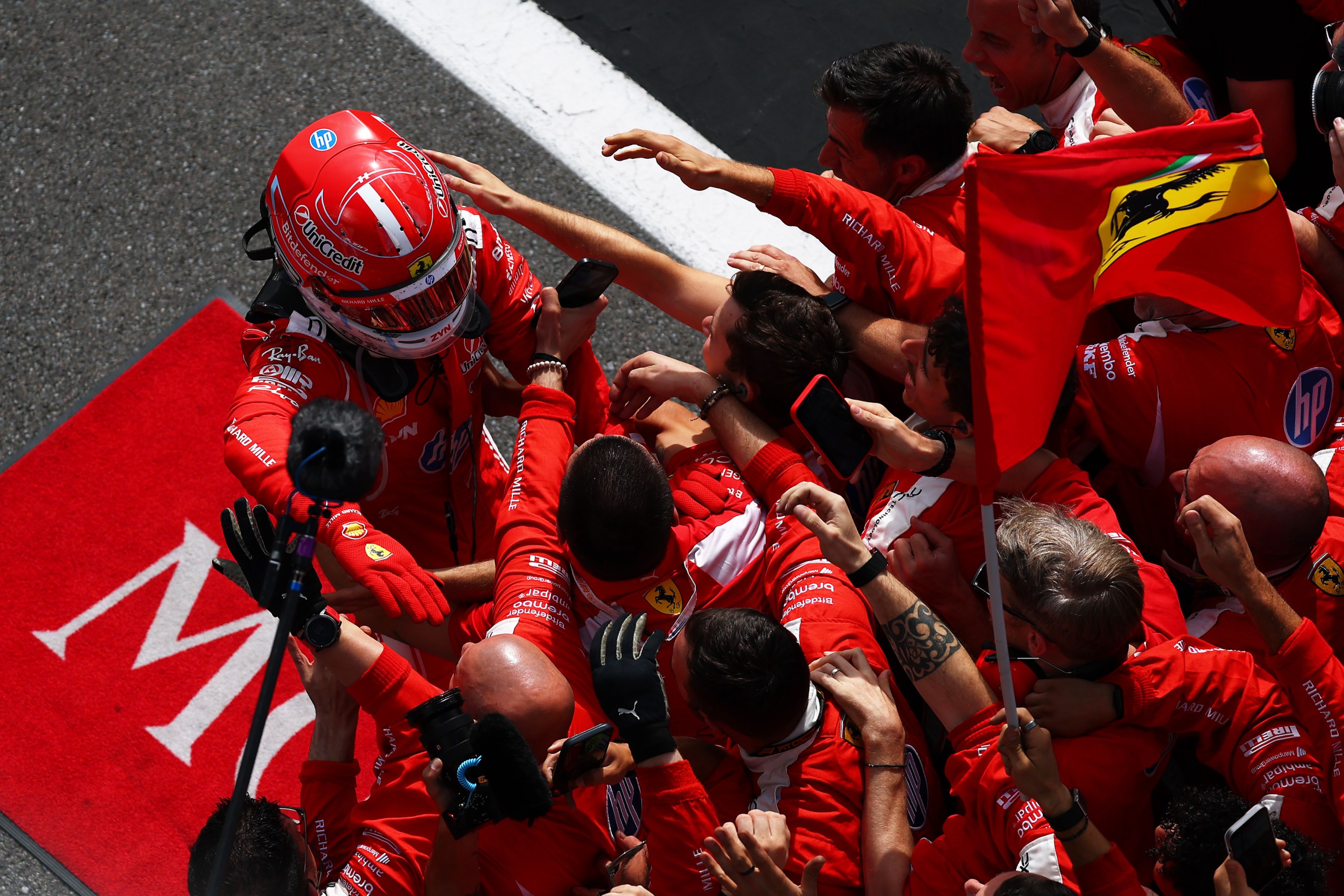
This decision raises some philosophical questions as to how other drivers' penalties should be managed. Speaking of team dysfunction, Ferrari saved itself a headache, nullifying Lewis Hamilton's penalty by making his teammate Charles Leclerc also partially serve it. But McLaren driver Oscar Piastri finished less than five seconds behind Gasly, and had served his own speeding penalty earlier in the race. Most significantly for the championship standings, Mercedes driver George Russell failed to serve his five-second speeding penalty after pitting, which led to an even more significant drive-through penalty that knocked him out of the points entirely.
The stewards had this to say about why they were not reversing those penalties:
The Stewards note that in relation to other cars that were penalised, some served their penalty and this regrettably, impacted their race strategies and therefore their race result. There will undoubtedly remain questions as to whether those breaches were genuine. There is no regulation that gives the Stewards the power to "undo" a served penalty. In any case, it is impossible to imagine how such power could be applied. Notably, no other party petitioned for a Right of Review within the allowable time frame.
The stewards found a somewhat easy logical out: Alpine was the only team who even tried to review the penalty, and so they were the only ones to have the penalty reversed. Putting aside the philosophical correctness of this decision, it is pretty funny. Serious drama as a result of technical minutiae remains the best part of F1 racing; in that light, perhaps this year's edition of the Monaco Experiment was actually a success in the end.