In the sixth episode of Apple TV’s Imperfect Women, the soft-spoken housewife Mary (Elisabeth Moss) nervously awaits the judgment of her writing group. She is sharing a work of autofiction titled “Mary,” which revels in the narrator’s secret affair with her dissertation advisor’s husband.
“Takes real bravery to depict yourself as such an amoral person,” one participant comments. “Amoral, yes, and just unlikable!” another adds. The group pushes her to emphasize a different character, to “lean into the mystery, and the thriller!”
Mary is quietly crushed: If you can’t be the main character in your own work, where can you be?
The scene is clearly intended as a clever meta-moment, since Mary’s writerly aspirations hardly feature in the twists and turns to follow. Imperfect Women is telling you how to read it, as do all novels and shows. But the execution here is clumsy, almost insulting, as the viewer is conflated with these insensitive ambulance-chasers. Mary bristles at their advice, even as the show proceeds to follow just what the focus group—excuse me, writers’ workshop—advises.
Imperfect Women is the latest in a string of limited series that could all just as easily have borrowed the same title: Sirens, All Her Fault, The Perfect Couple, Disclaimer, The Undoing, and Fleishman Is in Trouble, a bait-and-switch “imperfect woman” drama that poses as a nice-guy dramedy. Imperfect-woman shows share some themes with shows about flawed women (Fleabag, Nurse Jackie, Vladimir) and ones about the justifiably heinous things women must do to survive (Bad Sisters, Big Little Lies, Yellowjackets). But the imperfect-woman genre stands apart by being, fundamentally, stories about stories, circling the casual language of sexism and the unspoken social and emotional pressures women bear.
A pointed turn from prestige drama and its “difficult men” antiheroes, the imperfect-woman series looks deeply but quickly (in a single season) at how women are unfairly drawn up as vamps or prudes, and how much pleasure the public receives in disciplining them. The woman in question is not an old-school femme fatale, though that may be in the mix. Instead, she is a cold customer who also runs hot, closed off while also being too emotional, a hustler who is, at the same time, not ambitious enough. Or at least that’s what people say. She’s, well, the Barbie monologue.
The imperfect-woman miniseries often begins with a filthy-rich family, residing in a beachfront property that will be underwater in 10 years. Cut to a matriarch with a secret or two, and, if she’s Nicole Kidman, a wig of variable quality. Someone is murdered, goes missing, or otherwise becomes the victim of some sort of criminal plot. The aforementioned imperfect woman faces off against law enforcement and a tabloid ecosystem, while rocking a brocade blazer, a pristine sheath dress, and/or a dramatic evening gown. This woman may be a writer herself, or the muse of a writer (male) who wants to tame her but never will.
The imperfect woman is both an odd duck and a rare bird, a fact which stands out when she is placed in opposition to the Ann Taylor-wearing lady cop who offers a stern, budget model of femininity. (This cop may be a woman, but she might as well be another species. In The Perfect Couple, she is played by Donna Lynne Champlin; in Imperfect Women, Ana Ortiz wears the mantle.) Still, Officer Sensible Shoes comes off better and less appalling than almost any male character we meet. These husbands, fathers, sons, and former flames range from weak to sociopathic, undeserving of these messy damn angels.
Imperfect Women has seen all the shows I’ve seen, lifting many of their conventions and aesthetics. But it didn’t take their best or truest points to heart. It hates the women it purports to exonerate, almost as much as the characters in the show mistrust one another. It leaves you wondering who this show is for and what purpose it serves, apart from background noise for folding laundry and googling your perimenopause symptoms.
The opening credits of Imperfect Women provides a tasting menu of the show’s flavors: suspenseful piano soundtrack; projections of a city bridge and the waves lapping against a sandy shore; three women’s faces, carved into marble, their eyes closed in pain or repose. As the music plays, liquid gold crawls through the cracks in the antique relief. Anyone who follows the secular “good news” of mindfulness will get the reference. Kintsugi, the ancient Japanese art form of repairing a ceramic object’s fissures with gold, has become an operational metaphor for female-focused self-help speech. Fix yourself up, honey, but don’t forget: It’s your flaws that make you beautiful.
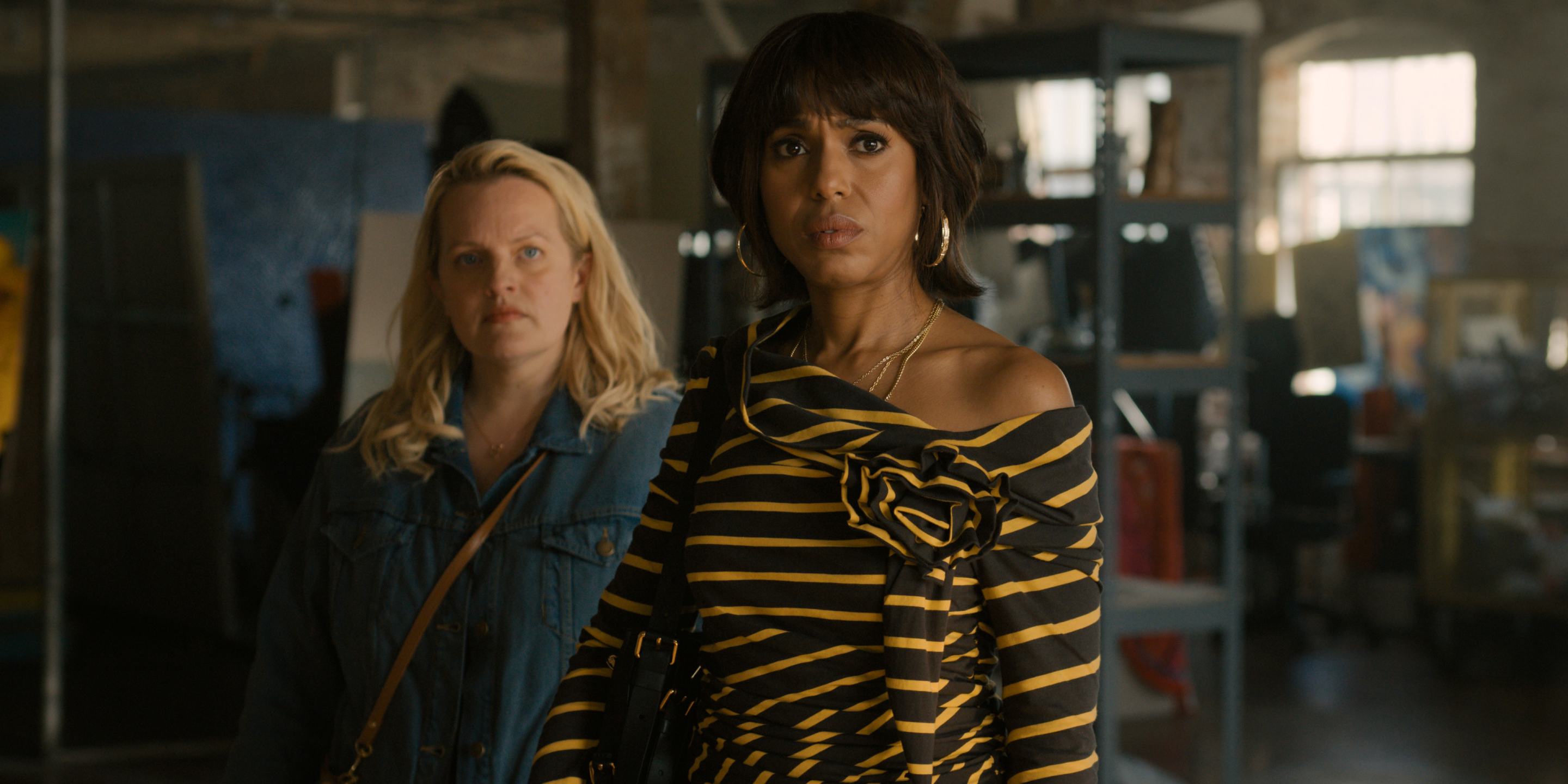
Enter the three beautiful, flawed women of the title. There is Mary, the writer turned stay-at-home drudge; Eleanor (Kerry Washington), the charismatic trust funder with a bad picker; and Nancy (Kate Mara), the trophy wife from the wrong side of the tracks. Having become friends in college, they are now women in their 40s who meet on rooftop bars to flirt with bartenders and have exposition-heavy conversations about whichever one is in the ladies’ room. When Nancy winds up dead, the television news portrays her as a vapid society lady. “She wasn’t always a socialite,” Eleanor says to Mary. “She had a life before [her husband].” Mary, of course, already knows this, so really this is for our benefit.
As the victim, Nancy is afforded the most interesting backstory, though Mara is the only lead not credited as an executive producer. But all of them read as types, a shame considering that these actresses have spent years proving how much more they can handle. Eleanor is the most glamorous of the bunch, mourning and fretting behind the chicest aviators ever designed. But the character’s fatal flaw—her undying devotion to Nancy’s husband, Robert (Joel Kinnaman)—reduces her to a whiny cautionary tale. In a moment of stress-induced honesty, Mary tells Robert, “I never knew what [Nancy] saw in you,” which is a fair observation: Kinnaman’s portrayal is wooden, if in the service of presenting him as a textbook snoot.
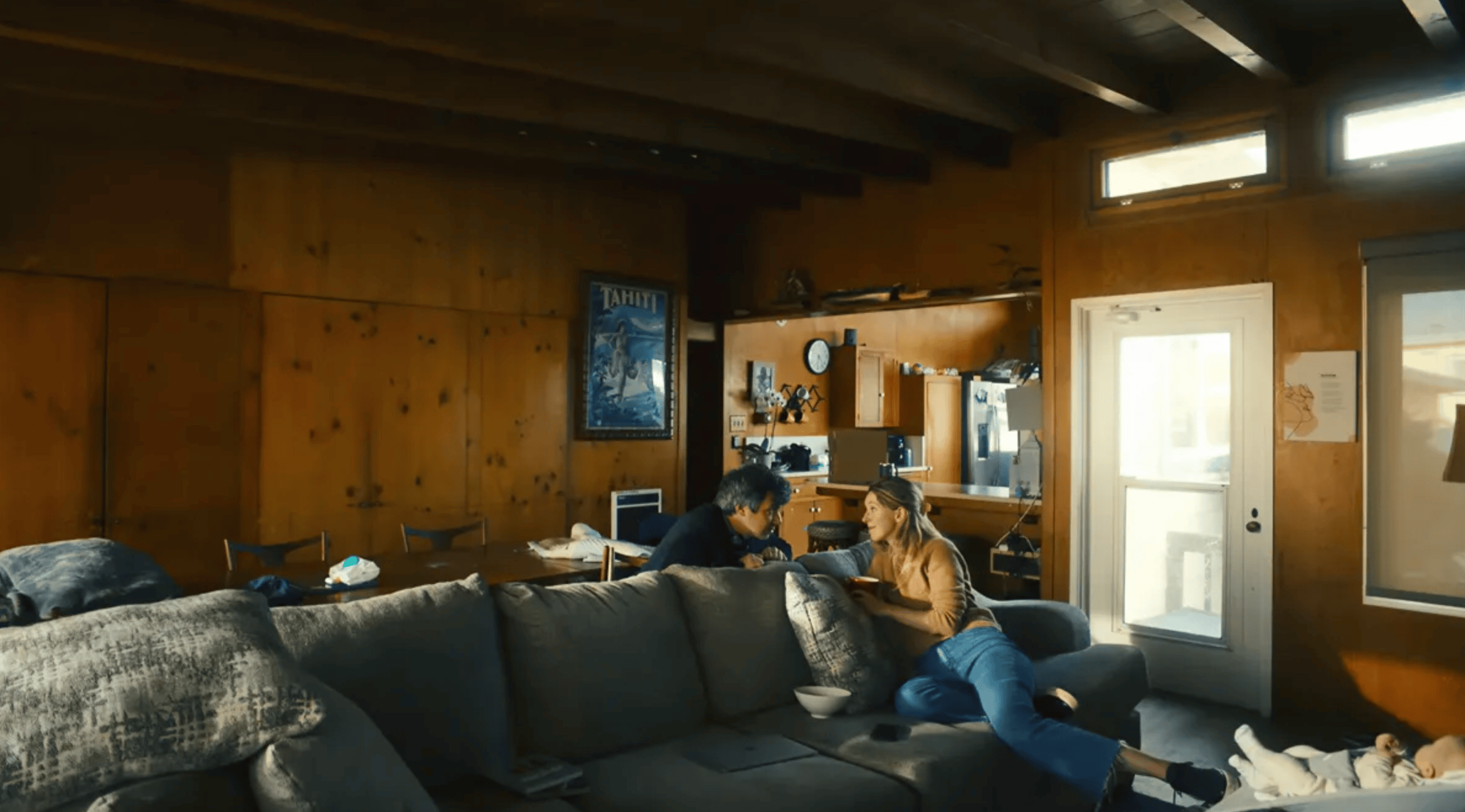
But Mary is hardly a rich, layered character herself, with her over-the-top eye twitch, a woman who talks about her kids with such frequency and force that she could tank the vibe at the tensest PTA meeting. Her husband, Howard (Corey Stoll), is introduced as a prickly academic who stands aloof at Nancy’s New Year's party. If this doesn’t mark him as an insufferable prig, his line—"Does it make me a bad father if I want to catch the 35mm print of Red Shoes?"—should cement it. Besides it being a line that no person would ever say, any elitist would know it’s "The Red Shoes." This, the show would have you know, is what you get when you steal another woman’s man.
In impeccably moody lighting, these imperfect women share the same predilection for having slo-mo sex with other people’s husbands. In our post-peak TV moment, adultery is one of the most familiar sins. Sure, these women lie, and yes, there’s a bit of pill popping, but philandering dully occupies center stage. It will make you wish that they committed more shocking violations. What if, instead of running a non-profit, Eleanor was an eco-terrorist? What if Mary used AI to write her debut novel? What if Nancy stashes her MAGA hat at the back of her spacious Republican closet?
The most compelling thread of the show is the whodunit: Who killed Nancy? For the first half or so of the series, each episode ends on a cliffhanger, floating a new suspect. This aspect of the show felt especially influenced by The Undoing, as actors take turns going dead-eyed, so that we ask, “Wait, is it her? No, it’s … him?” By the time the show reveals the killer, you’ve stopped being invested in any of them, except possibly the dead one, who inexplicably narrates one of the episodes in a Desperate Housewives throwback.
“This … thing. What the three of you had?” Ortiz’s Detective Ganz states calmly. “I’m not even sure what to call it, but … it wasn’t a friendship.” The same could be said of the show, which is devoid of affection. At its best, the imperfect-woman series imagines a world without men, one in which a compassionate, platonic connection between women thrives in the absence of patriarchal authority. The final tableau of All Her Fault, with two working moms drinking wine as their kids play, is one example; the illuminating encounter between Devin (Meghann Fahy) and Michaela (Julianne Moore) at the end of Sirens is another.
When men leave the frame, these cultural scripts of long-suffering husbands and shrewish wives, career women and the men who babysit their own kids, float away on the expensive ocean breeze. It is telling, then, that Imperfect Women ends not with the (surviving) women in one place, celebrating one another, but paired off with men. Their ultimate romantic fates remain in question: fodder, perhaps, for a second season? Let’s hope not. Such an imaginative shortcoming is not just imperfect—it’s impossibly boring.