

The Atlanta Braves are not the best team in this postseason, but there do seem to be more of them than anyone else. Manager Walt Weiss has appeared blithely unconcerned by the math that demonstrates that the more pitching changes a team makes, the greater the likelihood that some of them will turn to shit.
And yet Weiss persists, because these are the tools that have been provided for him. After the attrition of the regular season, he has at his disposal three discernible starting pitchers; the best of those, Chris Sale, already had to close out one game against the Phillies in Atlanta's wild-card win, and has not yet started in the team's NLDS. In a more normal environment, this "all hands on deck" strategy would be pointing toward a very predictable outcome: a mutiny by the crew.
But Sunday was the acme of that plan to date. The Braves beat the Dodgers, 3-2, in Game 2 of the National League Division Series, because of stellar work by a 32-year-old ultra-journeyman whose career has been dominated by surgery rehab, and a 21-year-old puppy who fetches whatever is thrown his way because that's what 21-year-olds get to do this time of year. More or less everyone in the Atlanta bullpen was called upon to contribute to the team's most important game of the year so far, and more or less everyone did.
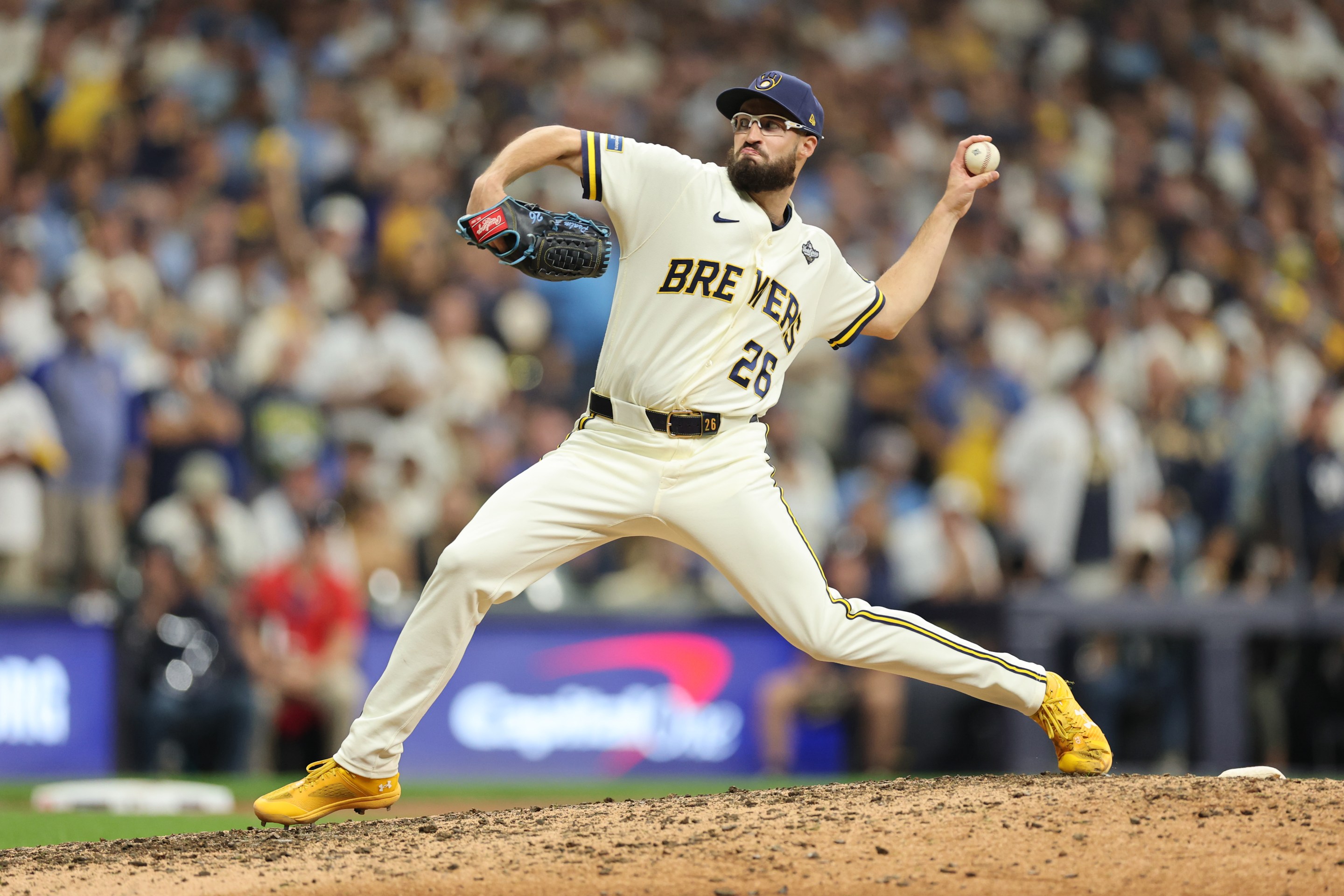
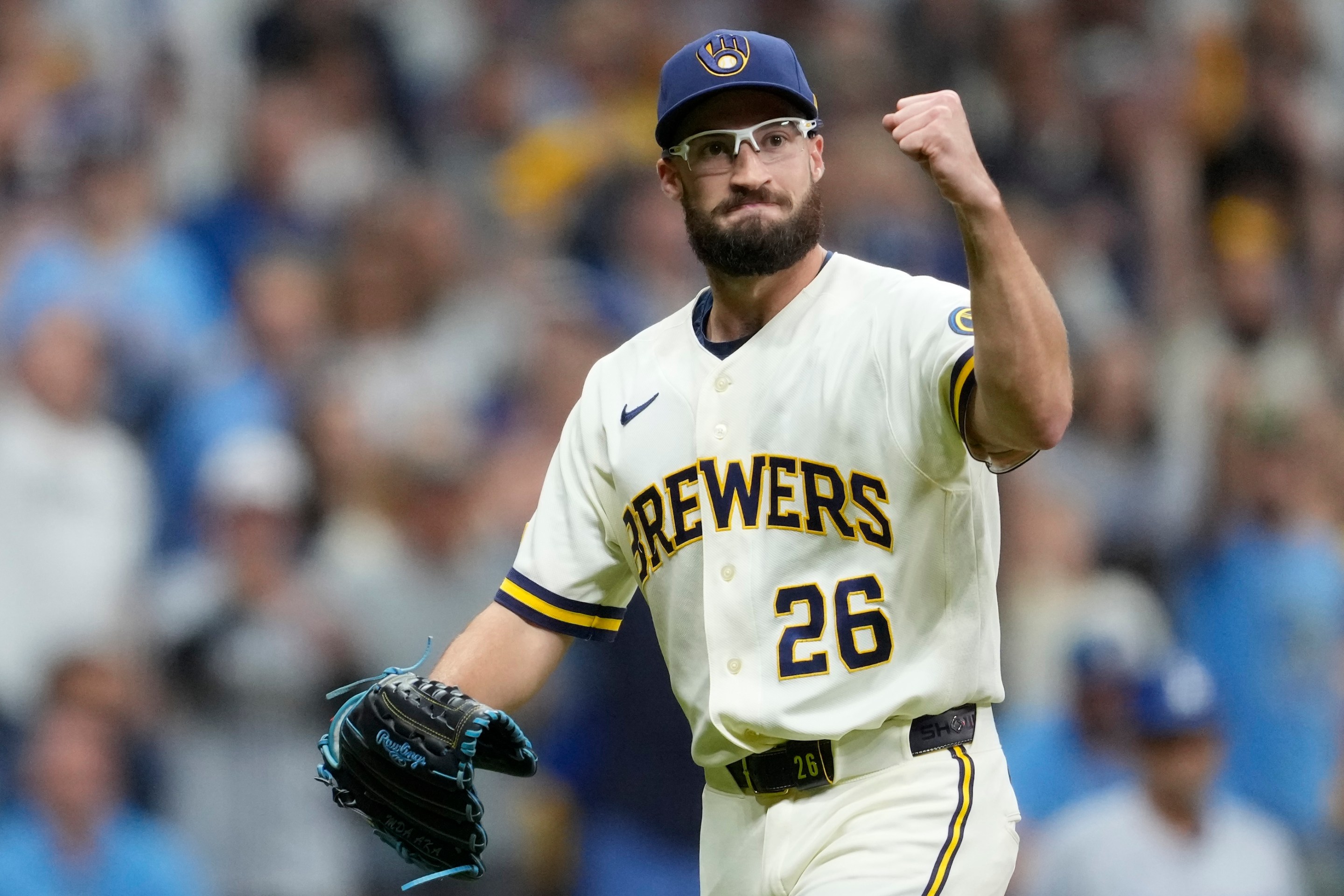
Of the two mentioned above, the elder is Ray Kerr, who started the clinching game against Philadelphia and Game 2 of this series. This has made him the proud owner of two quotes—"Just another Thursday" after the first, and "Just another Sunday" after the second—which seem innocuous unless placed aside each other in this specific context. Two days between starts is the sort of thing that last happened with any regularity during the Coolidge administration, but also Kerr is not really being asked to do a starter's work. He's essentially a long reliever aiming to get the Braves to the fourth inning, or as close as possible, without setting the dugout on fire. At that, he has been remarkably effective.
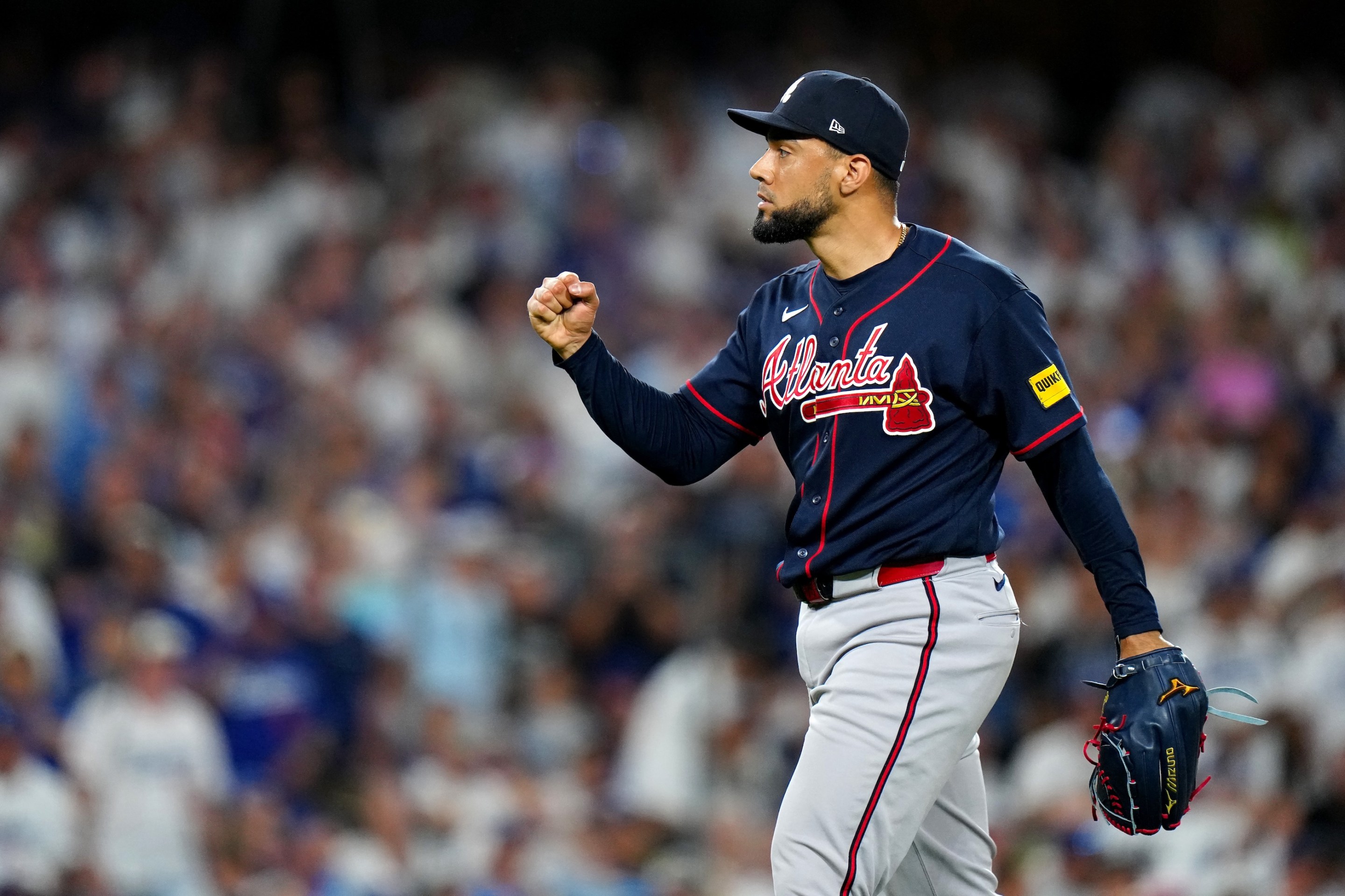
The other anonymous main contributor to Sunday's win, Didier Fuentes, has been chasing the stick in nearly every game so far, with only moderate success. He possesses perhaps the liveliest arm in the Braves' bullpen, but has nevertheless spent much of his big-league career on the hittable side of the dial. The four games he has pitched in this postseason have been no exception, there. He gave up a two-RBI triple to Phillies catcher J.T. Realmuto in the first game of the wild card series that nearly cost Atlanta the win, and Alec Bohm's game-winning homer in Game 2.
By the old rules, Fuentes would have been used only in emergencies, but "emergency" has a more flexible definition in October. And so it was that he was handed the sixth inning of Game 2 against the Dodgers and asked to hold a 2-1 lead for as long as possible. This request came after Weiss had already chewed through Kerr, Grant Holmes, Dylan Lee, and Robert Suarez. Fuentes was the only remaining logical option before closer Raisel Iglesias, or somehow reacquiring Craig Kimbrel.
He was the best Didier Fuentes he has ever been. His fastball was faster than normal; he is normally at 97 and was routinely topping out at 99. And the result was almost metronomic. Fuentes got 11 consecutive outs before he left a full-count heater in Max Muncy's zone with two outs in the bottom of the ninth that cut the Braves' lead to one. At that point Weiss decided, properly, to use Iglesias for the final out, and Atlanta redeemed the decision to use an opener—Kerr, then Dylan Dodd, then Kerr again—for the third consecutive game to take the series to Georgia at even.
Those 3.2 innings got Weiss off the hook for the moment, after using Sale to close out Game 3 of the Phillies series and thus eliminating him from starting last night; using a 37-year-old career starter three times in six days is clearly contraindicated. Instead, Dodgers manager Dave Roberts is being hounded for starting a deeply ineffective Blake Snell in Game 2 instead of Yoshinobu Yamamoto; he has been criticized for this because, as has been covered elsewhere, the postseason is mostly about trying to contrive reasons why your manager is a dope. It works roughly as well at manufacturing ways to make fans say, "Our manager is a genius."
In fact, a manager's moves are largely defined by what has just happened, and plans are just things they do to kill time between games without having to leave the office. Kerr was a choice, albeit one made under pressure. Fuentes was an act of desperation.
But both worked, and so Weiss looks like a mastermind for having preserved Sale to start Game 3. He looks this way only hours after looking like a jackwagon for using Sale in the wild-card clincher. One would expect him to pitch into the seventh on Tuesday, because that is what Chris Sale does. Neither manager has named a Game 4 starter, but Roberts has Tyler Glasnow, a fearsome giant with postseason pedigree, and Weiss presumably will trot out former Red, Twin, Ranger, and Giant Tyler Mahle. In other words, it's advantage Dodgers, unless you hear Ray Kerr say the words that make all Dodgers and their fans quake in terror: "Just another Wednesday."