
ATLANTA — Five games into the Finals, it felt odd that we’d yet to watch the game where one team makes everything. The Atlanta Dream and Golden State Valkyries do both take great pride in their defenses, and their offenses do each have certain limitations. Golden State’s heavy diet of threes, for instance, leaves them prone to variance. But that means, you know, that the shooting numbers should vary—not be resolutely bad for two weeks.
After Game 2, when the sludge of Game 1 appeared to carry over and the Dream tied the series, a reporter asked Valkyries head coach Natalie Nakase why she thought it had been such a struggle for these teams to score. Nakase didn’t take the question too seriously. “What’s our identity?” she said, panning the room, the impatient teacher in front of her class. “What? You guys should know this.”
Two of the league’s top defenses, sure. Even so, the numbers were really bad. The reporter pressed Nakase again.
“Girl, what did I say?” Nakase said, all in good fun. “What did I say? We are a defensive-minded team.”
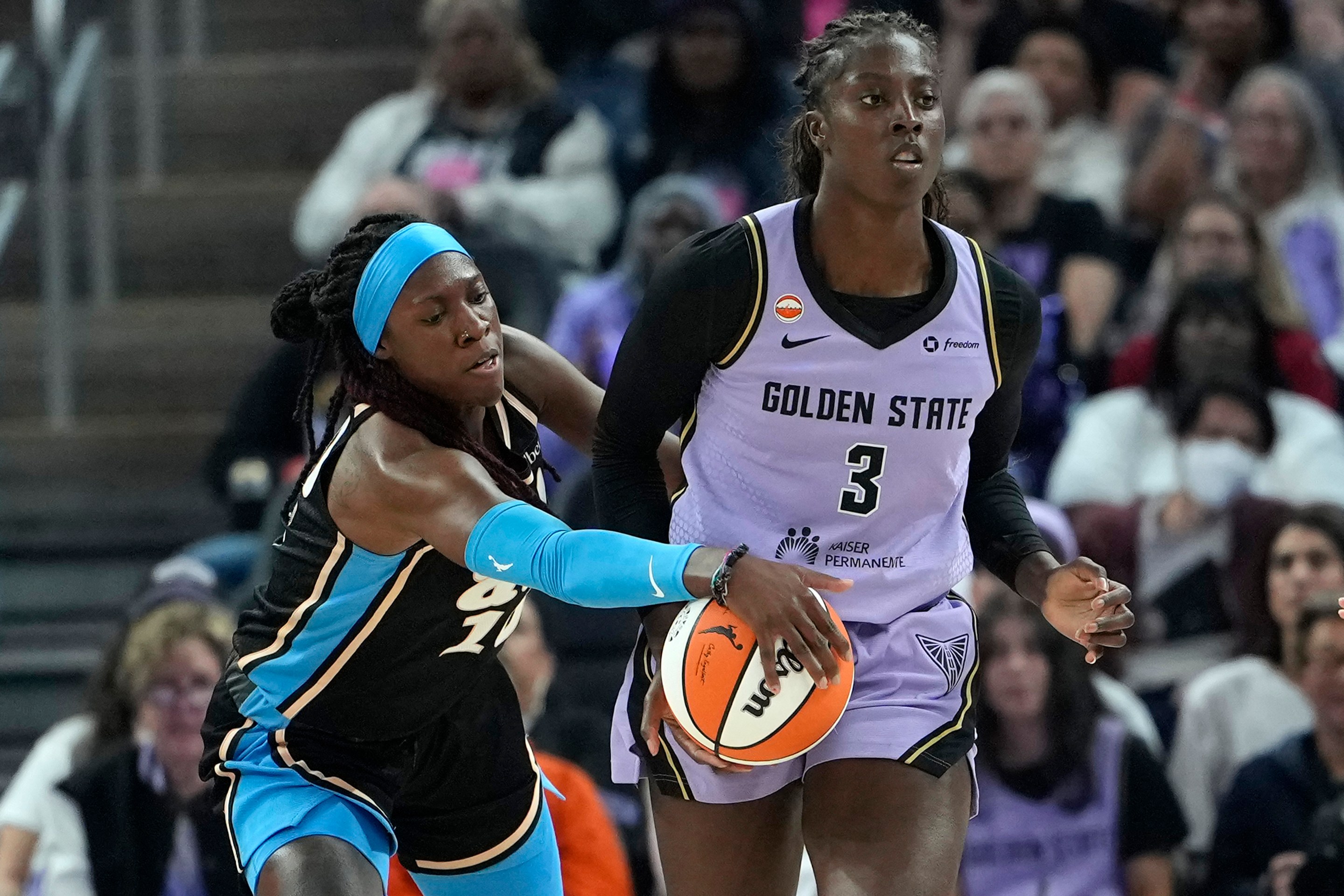
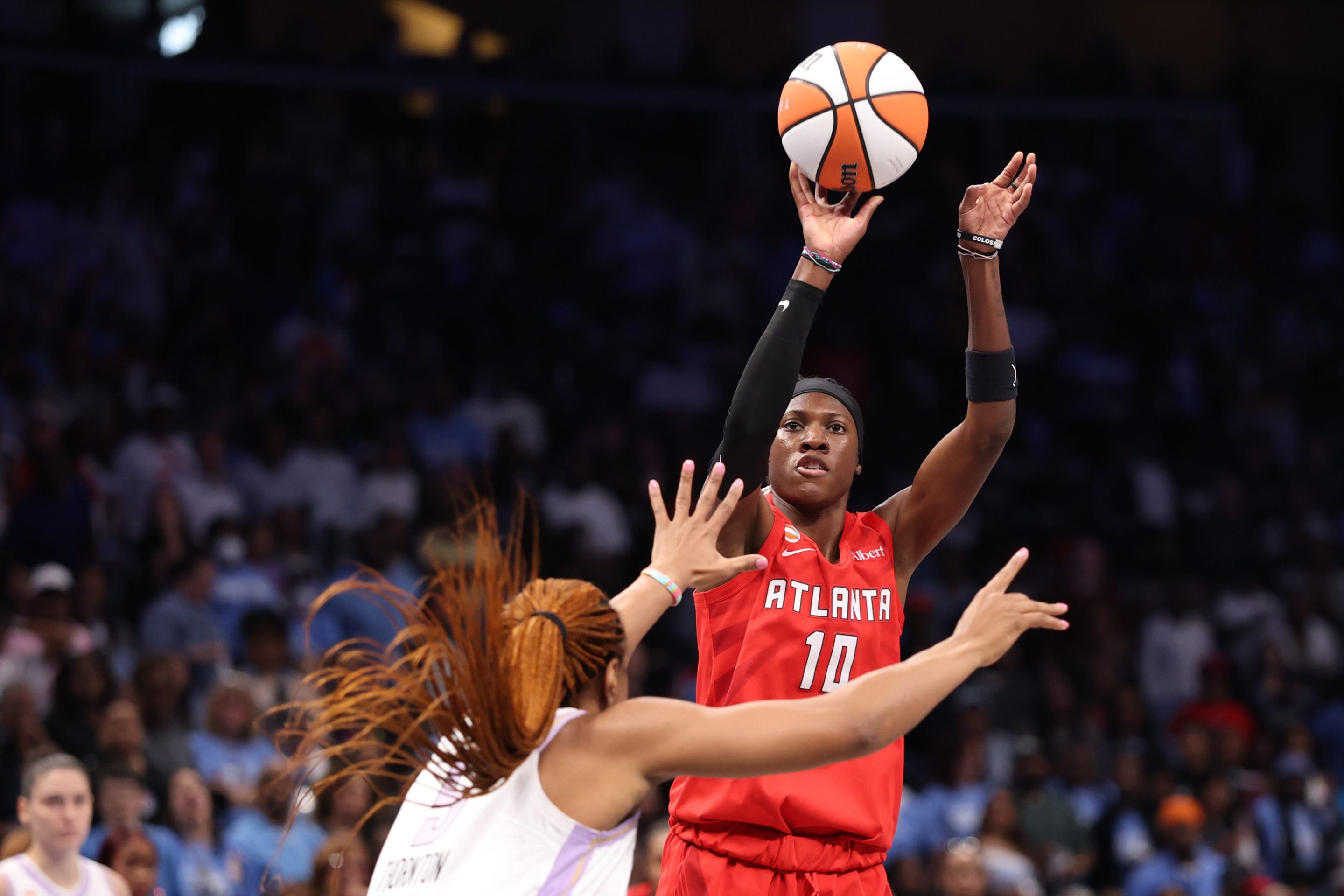
Girl, what was their identity in the first quarter of Thursday afternoon’s Game 6? This season and this series, the Valkyries have played stellar, disciplined team defense. They’ve fought over screens, they’ve switched in sync, or they’ve put each other in position to make defensive plays. But they weren’t above a 10-minute lapse. Allisha Gray’s first three-point attempt of the game, a chance created in the split second she’d caught Tiffany Hayes off guard, bounced up off the front rim and then against the backboard before it fell in. Finally: It was Atlanta’s day.
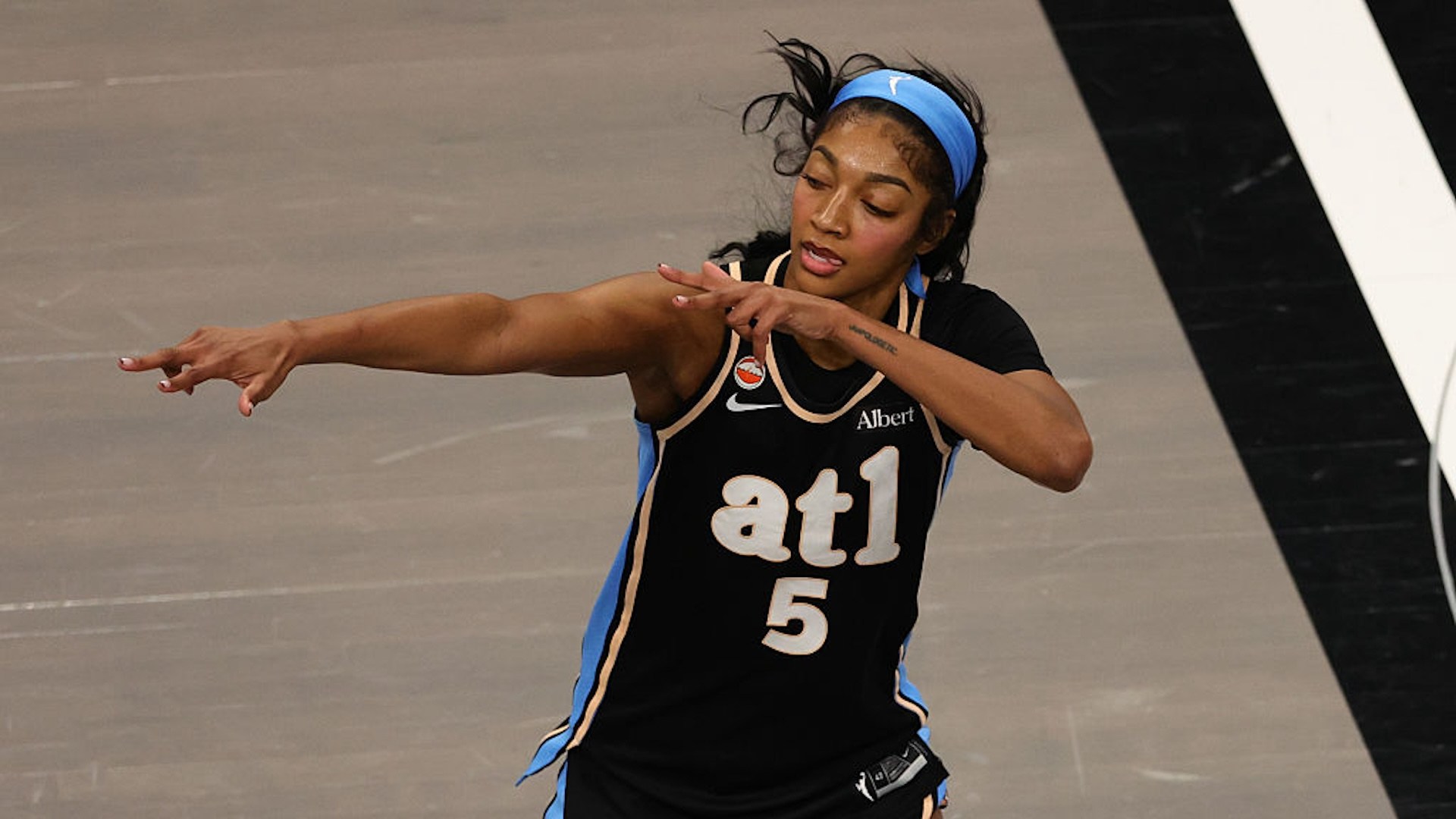
The Dream tilted the game early, shooting 11-for-15 in the first quarter of an 80-69 win. They played at a pace that Golden State’s Sixteen Seconds Or More offense couldn’t hope to answer. In Game 5 on Monday, the Dream limped into halftime with just 22 points. On Thursday, they finished the first quarter alone with 32, more points than the Valkyries have allowed in any quarter this postseason. “Unacceptable, our poor start,” Nakase said postgame. "You could definitely tell we got our swagger back," said the Dream's Angel Reese.
Two things about this game should frustrate the Valkyries. Not only did that quarter run counter to their identity, but it belied what was for the next three quarters a pretty competitive, hard-fought game. The Dream, who led by as many as 25 points, were outscored in the second half but still won Game 6 by 11 to tie the series. The teams will play a Game 7 in San Francisco on Saturday night. (That's right: night.)
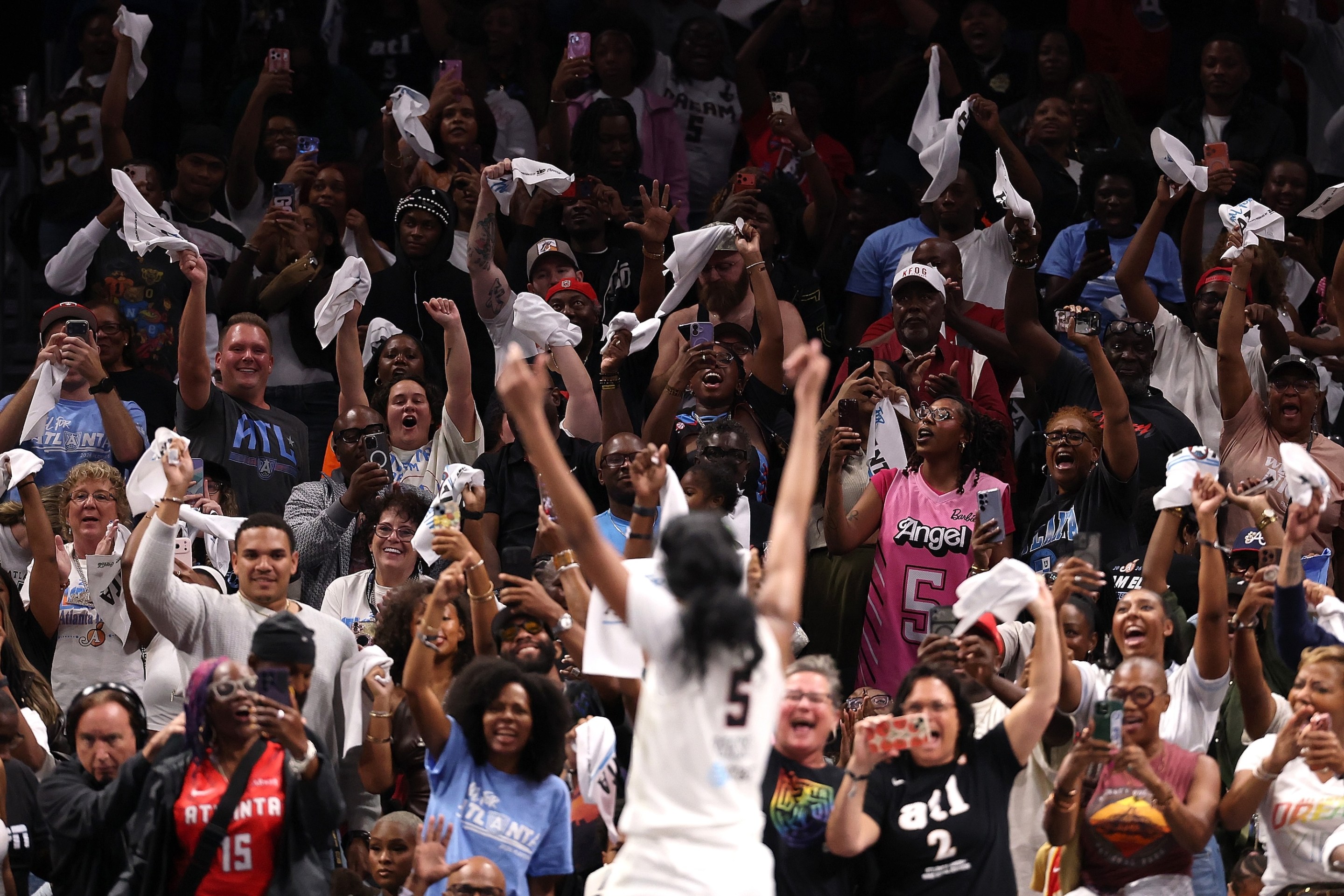
It isn’t wrong to think the Valkyries looked like a team playing basketball at 9:30 a.m. their time, since they were, on account of a league and team scheduling snafu. Having, myself, no idea what hour of day or day of the week it is, 15 days and four cross-country flights into these WNBA Finals, I would’ve accepted the excuse. But the players wouldn’t make it. “They played at the same time as us, right?” a terse Gabby Williams said after the game. Otherwise, there was nothing much sleepy about it. Despite the fanbase's late-arriving reputation and also America's culture of employment, the place looked completely full when the game tipped off a little after 12:30 p.m. ET.
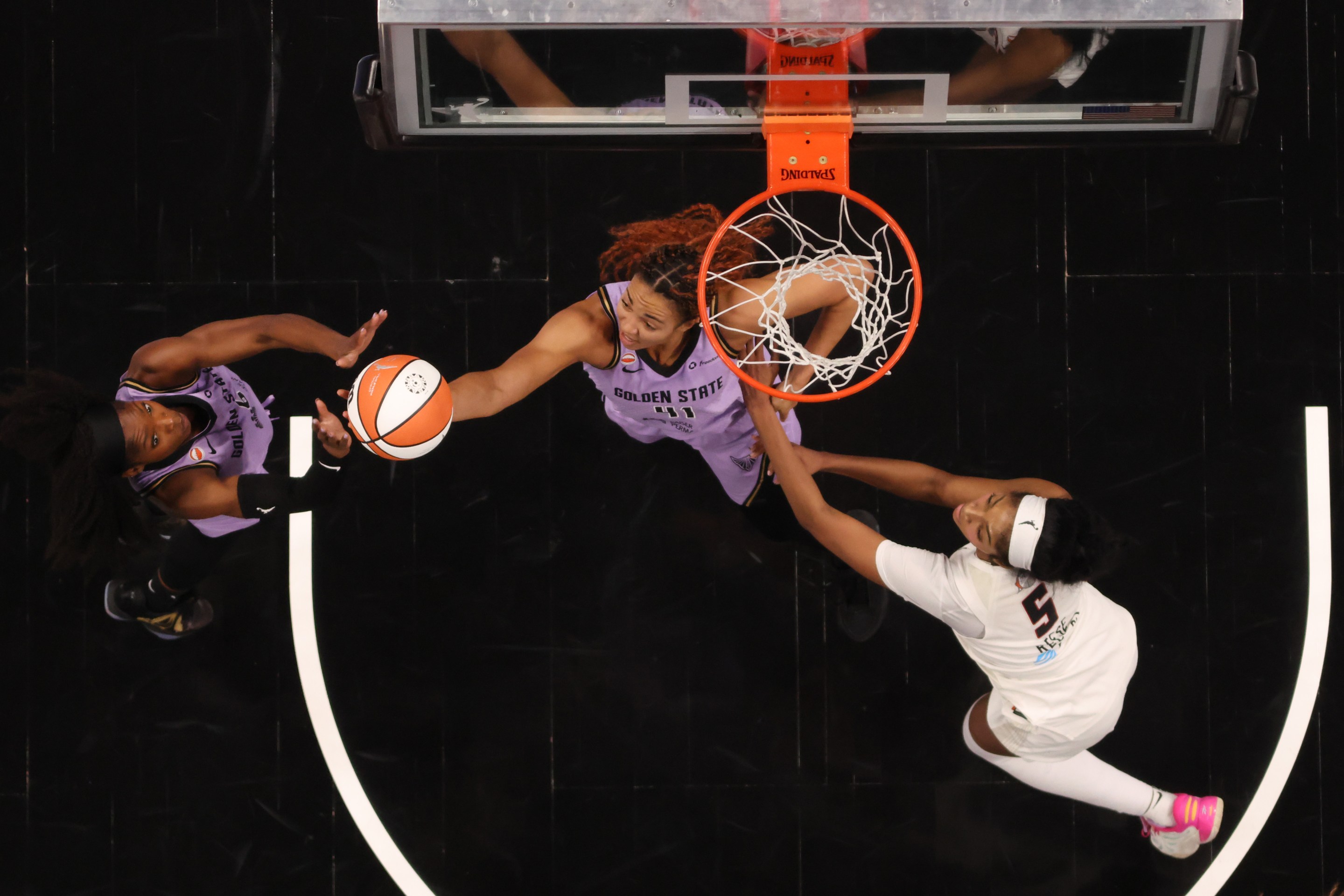
For people inclined to distill every basketball game into possession battles (me), this series has so far been an edifying experiment in the relative importance of basketball’s four factors. Atlanta earned its first two wins of this series by forcing more turnovers than they gave up and getting to the line. When Golden State can hang on to the ball and pull down offensive rebounds, they’ve come away with the win. This afternoon, though, Golden State got to the line more, turned the ball over less, and out-rebounded Atlanta on the offensive glass. This one came down to the most important factor: field goal percentage. The Valkyries biffed layup after layup and were 7-for-27 from behind the arc. On similar volume, the Dream hit six more threes.
Six of those came in that first quarter, after which the Valkyries did seem to click back into place. The series we'd watched for five games resumed, both teams tussling to play the game at their preferred pace. Crashing the boards and far more energetic in the second half, the Valkyries gave the Dream a few mild scares late, but Gray seemed to make her threes exactly when her team needed an extinguisher.
After the win, Reese recounted a conversation she'd had with Gray on the flight back to Atlanta. "I told her it's going to be a mental game," Reese said. "Act like a superstar and always be a superstar, and we fall in right behind you." Gray would finish with 23 points and five stocks, and her reemergence in the offense alongside Rhyne Howard's bodes well for the Dream in Game 7.
The Valkyries, for their part, didn't sound totally discouraged. When they spoke to reporters, they continued to locate their problems in that wild first quarter. To win a title, they'll have to sustain their energy for a full 40 minutes. The Dream have shown they need just 10.