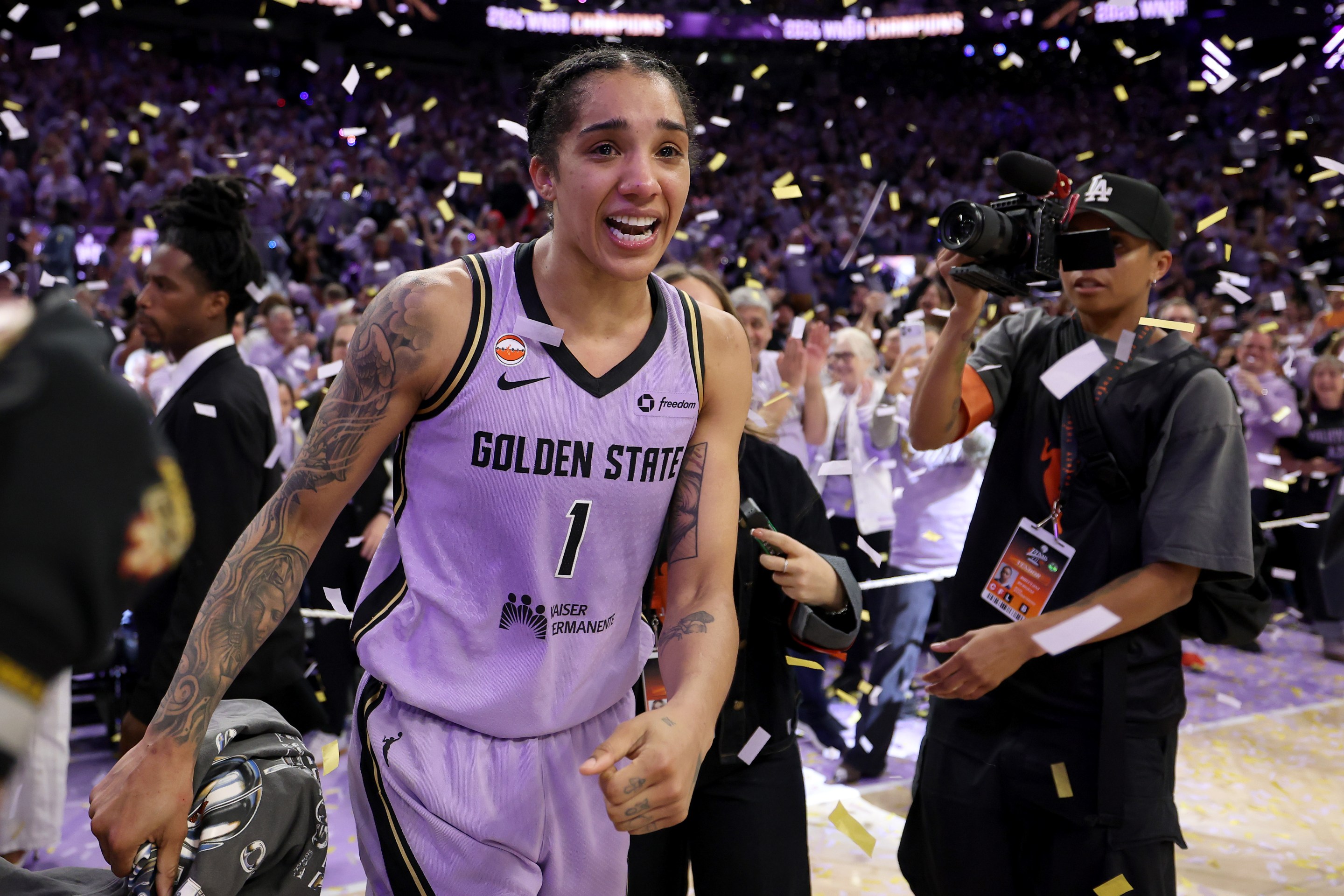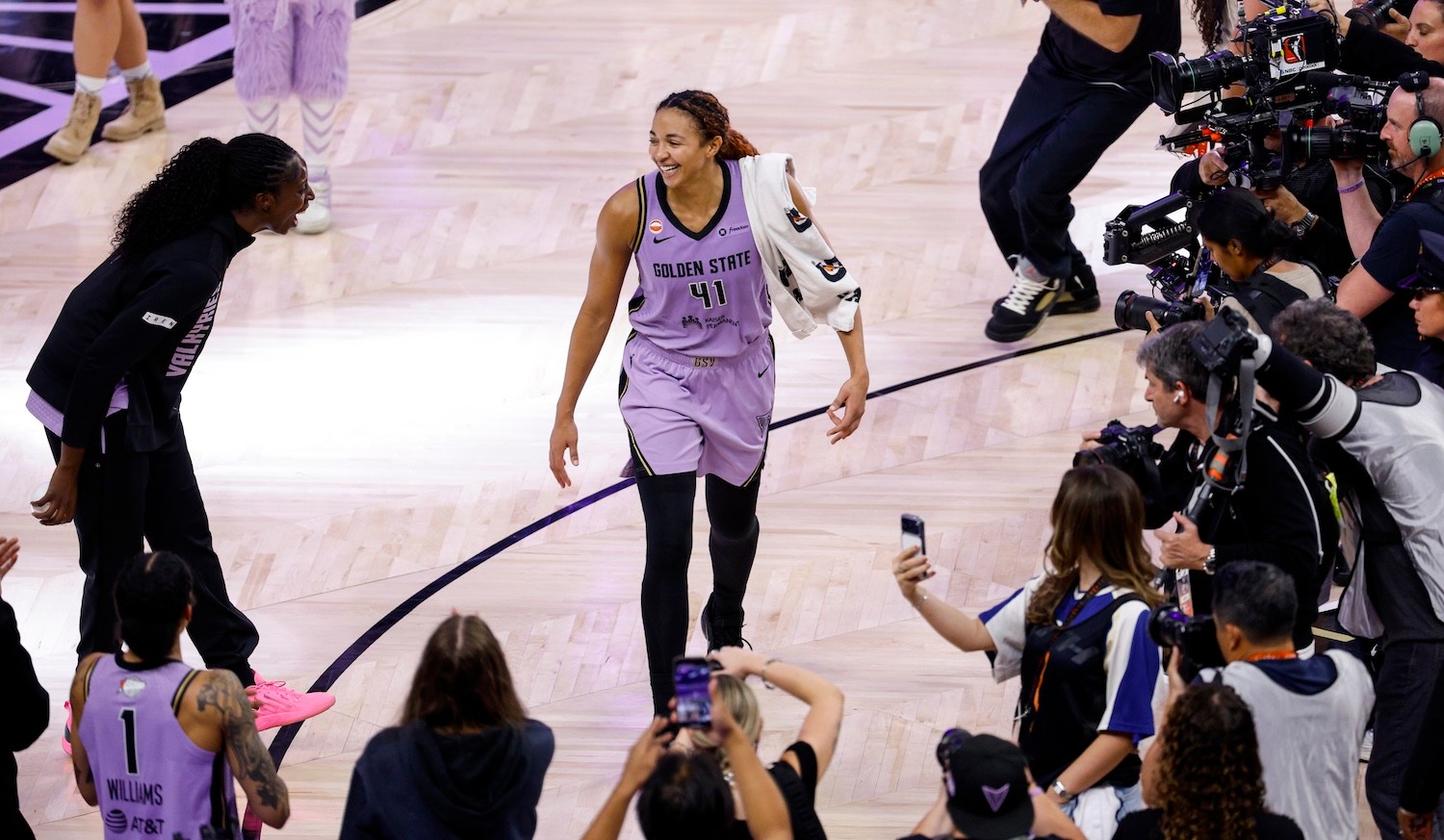

SAN FRANCISCO — Every championship is different, though they're all composed of the same emotional materials. A champion is supposed to have overcome circumstances, smelting the raw materials of loss and pain into a durable alloy of resolve. For fanbases, titles are redemptive, victory transmuting heartbreak into joy. The form can accommodate many particularities, but whatever the preceding heartbreak, a championship's message is always the same: It was all worth it.
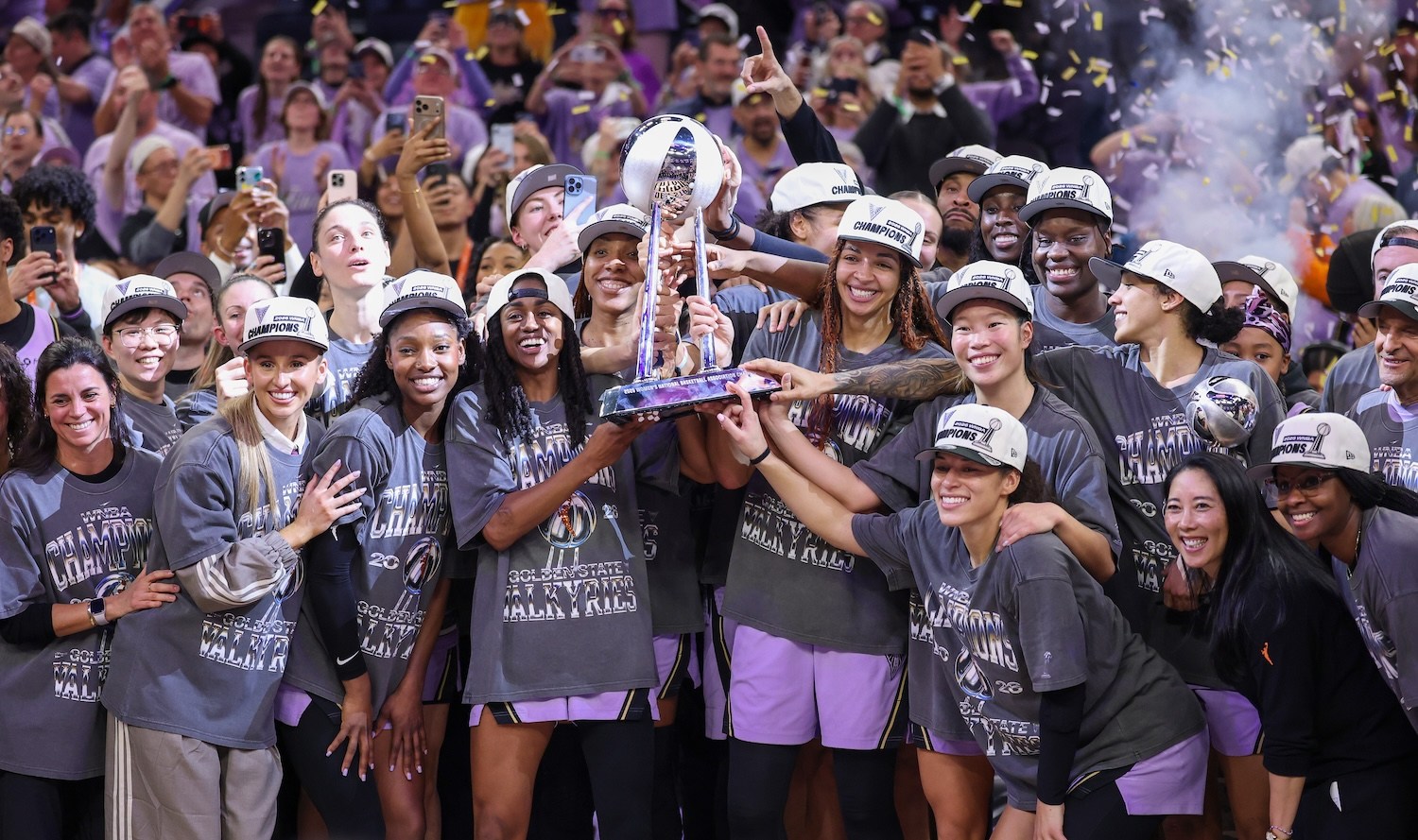
This template breaks down in the case of the Golden State Valkyries. They haven't had to overcome anything. They've enjoyed ubiquitous, unqualified adoration from the entire region since they flashed into existence two years ago. As I watched the confetti rain down on the freshly crowned WNBA champs and 18,000 screaming fans in San Francisco on Saturday night, I was struck foremost by a sense of surreality. None of this was supposed to happen. Owner Joe Lacob made waves by boasting that the Valks would win a title within five years, only for reality to prove a then-bold prediction needlessly conservative. This championship redeemed no visible struggle; there was no narrative convention to adhere to. So how do you make sense of something this unexpected?
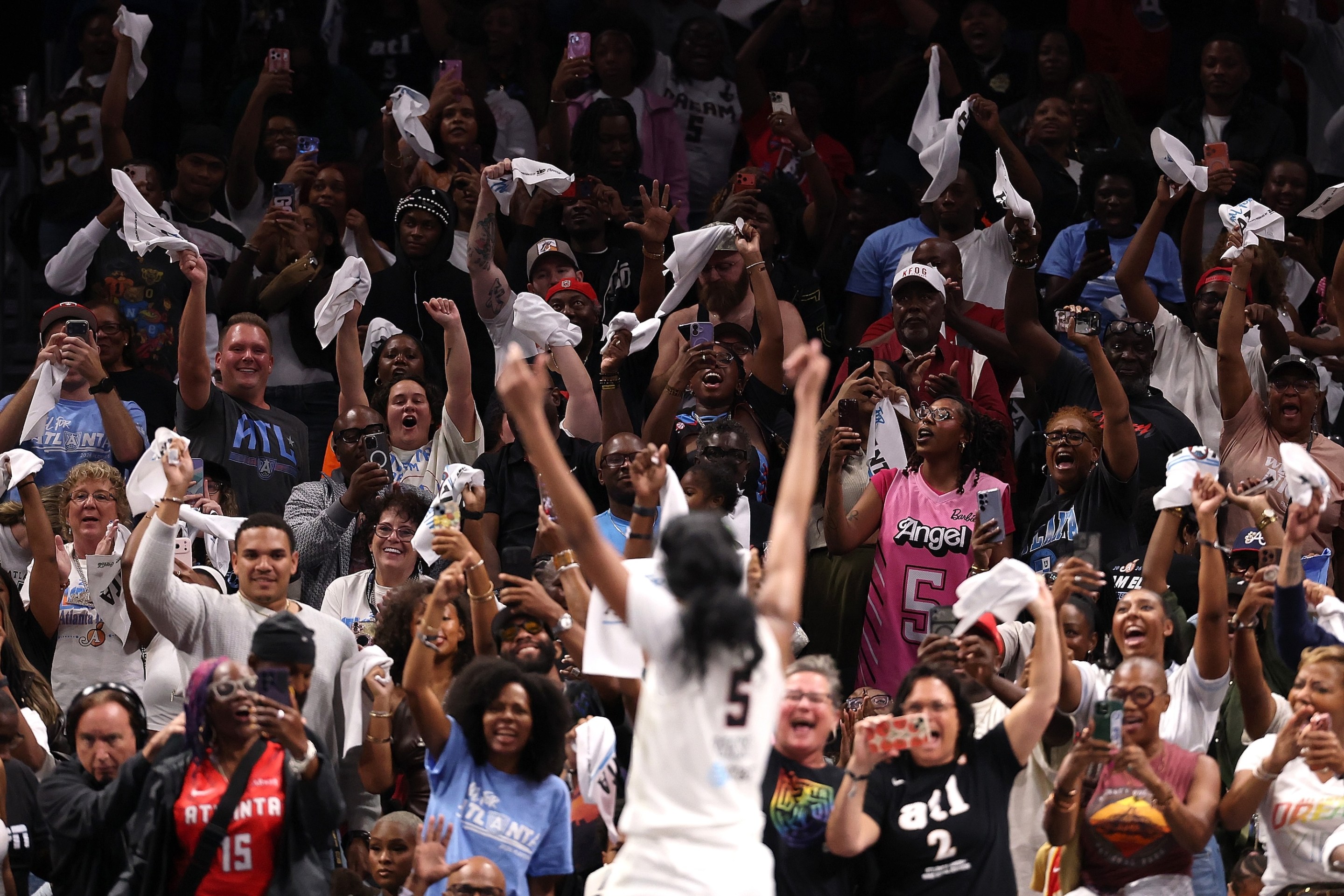
I think the place to start is with the fans, the bloc of people who expected it the most. One of the more remarkable early developments of the Valkyries' rise was the immediate coherence of a huge fanbase. You'll see in every writeup that the Valks have sold out every single game of their existence, at an NBA arena no less. That only hints at the broader dynamics that have made this team so beloved since before there were players on a team to even love in the first place. The ongoing women's sports boom started booming away from the Bay Area, leaving people in the region to look enviously over at their counterparts in Los Angeles or Portland and wonder when it would be our turn. The NWSL's Bay FC started playing a year before the Valkyries, though they were all the way down in San Jose, an hour from either San Francisco or Oakland, and therefore have never been as easily integrated into the cultural fabric of the region.
But the Valkyries don't just play in or for San Francisco. The organization took great pains to market itself as a team for the entire region. The Valks practice in Oakland, where several of the team's players live, and all team branding and marketing emphasizes its regionality. At the start of fourth quarters, the Valks roll out a huge disco ball, play the "Thizzle Dance" beat, and ask for cheers from fans representing the various subregions of the Bay.
Few institutions or experiences can knit together the region—"Area" is an appropriately vague geographic catchall—yet the Valks have managed it, both by being good from the jump, but also by making it clear they're the team for everyone. The fan culture that emerged from this invitation is welcoming, dedicated, and super gay. Perhaps because of this blend, perhaps because of the relative novelty of the team, the non-hardcore sports people in my life are way more tapped into the Valkyries than any other Bay Area sports team. You will see tons of Valks gear anywhere you go in the Bay, on more types of people and in different spaces than you'd see Warriors or 49ers stuff.
One fascinating aspect of the Valkyries' run is that they and their fanbase exist and thrive almost completely outside of the WNBA culture wars. In the broader mainstream discourse, the WNBA is less a basketball league than a site of contestation, over the questions of whether or not white people are allowed to play basketball, whether trans people should exist and be allowed to play sports, and whether the national anthem is given sufficient respect. If that degraded conversation was all you knew of the league, you might think the league had armed Angel Reese with a gun and allowed her to hunt Caitlin Clark for sport.
There's a potent force of misogynoir going here: Both cynical operators like Outkick's Dan Zaksheske—who attended most of the Finals games mainly to cherry-pick Reese's stats and monitor anthem respect among players and WNBA media relations staff—and a segment of the casual mainstream refused to take the WNBA Finals seriously as a basketball matter, while treating it as a deadly serious front in the culture war. It doesn't have to be this way, and the Valkyries and their fans have shown that another way is possible. They've been incredibly successful on and off the court, and the circumstances of both triumphs have nothing to do with any of those larger narratives. People love watching women play basketball, and if you provide them with an amazing way to do so, they'll love you for it. This is not to say the Valks fanbase is in any way neutral; you see people demonstrating for trans rights outside of every game, and tons of signs celebrating how gay this all is. They booed Clark when the Fever came to town earlier this year. My point is that the basketball can come first.
When the playoffs began, I was talking with Maya Goldberg-Safir, the poet laureate of the fanbase, about our worries that the team's success might alter the character of its playoff fanbase—that a WNBA Finals run could make tickets so expensive and desirable that the tech class and the otherwise whiter, straighter trad-sports set would flood the building and dampen the distinct, special character of Ballhalla. But that didn't happen at all; if anything, the fanbase's unique character compounded through the playoffs and Finals. Before Game 7, there was a heightened energy in the city and around the arena. Though every game was a sellout, it felt like there were an extra few thousand people there, thrumming with nervous anticipation. They had only ever seen their team win.
When people saw my credential on the (packed) train to or from Ballhalla, they would ask me concerningly detailed questions about Kiah Stokes. One of those people is Claudia Guedes, professor at San Francisco State University, historian of women's basketball, and Defector reader. On the way to Game 7, she and I chatted about the team and what makes it special.
Guedes said she knew Valks GM Ohemaa Nyanin, and could assure me that Nyanin was possessed of considerable intelligence and vision. That's impossible to argue with. Nyanin, previously the architect of the championship-winning New York Liberty, has put together a remarkable roster under equally remarkable circumstances. No expansion team has ever found the sort of immediate success the Valkyries have, because no expansion team has been put together in such a thoughtful way. Nyanin and head coach Natalie Nakase have a coherent vision of how they want to play basketball, and they've built a roster capable of realizing that vision.
Where other teams in their position have made the sensible choice to pursue talent first and then try to piece everyone together around a way of playing, the Valkyries were built with a specific style in mind. The bedrock of their identity would be stopping the ball and controlling the possession game. Once they got the ball, they'd share it as much as possible and bomb away from three.
That vision hinged, more than any other trait, on Nyanin's ability to bring in smart players. The distinctive aspect of the Valks is their processing speed. That is ultimately ironic, given the team's slow offensive pace and exasperating playoff offense, but both last season and this season, the stuff that won the Valks their games was their hive-minded commitment to out-thinking their opponents.
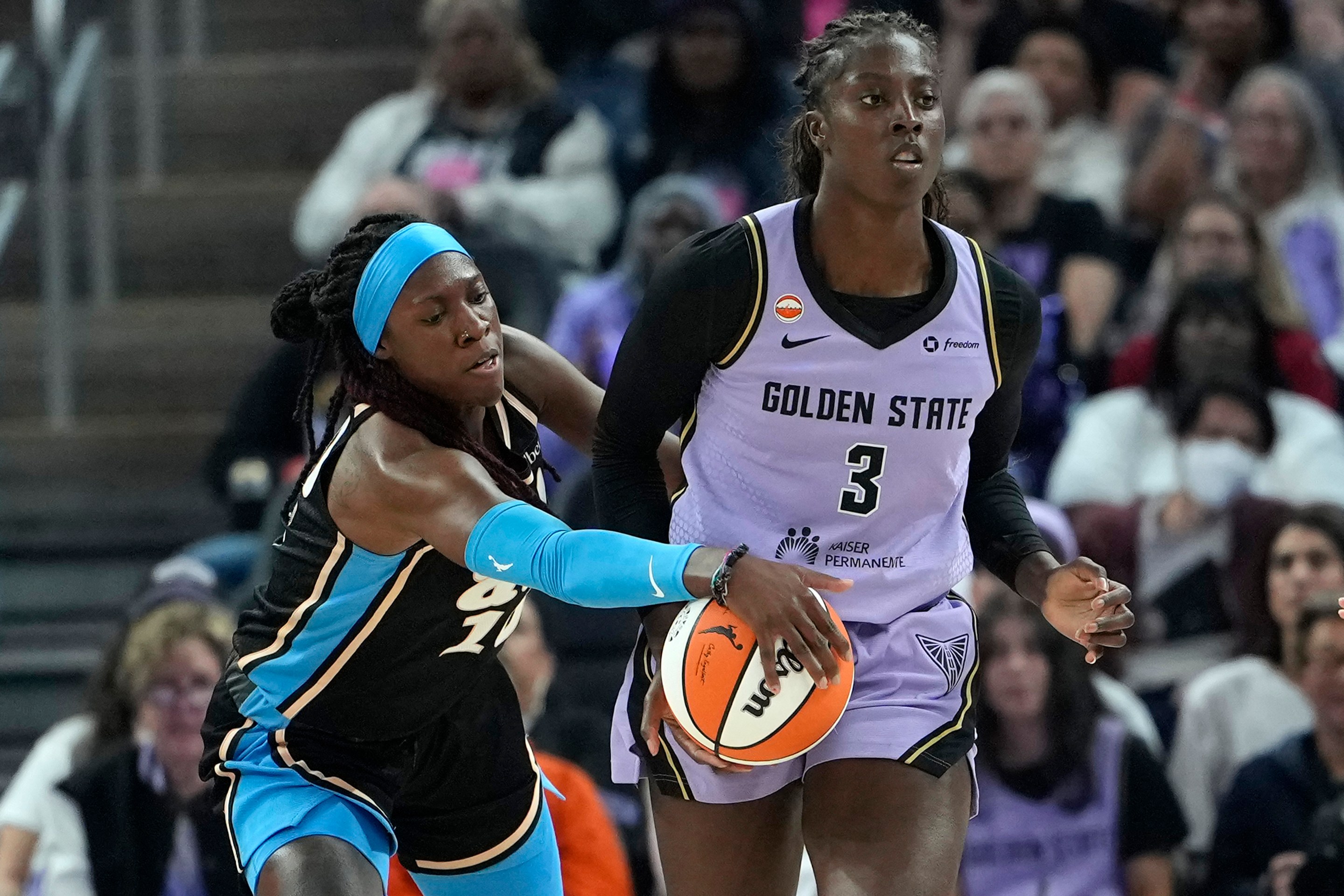
The rest of the league didn't see Kaitlyn Chen as a WNBA player; in the Valkyries system, she's turned into a do-it-all destroyer off the bench thanks to her hyperactivity and speed. After a generational expansion draft that netted the Valkyries considerable depth and three starters on the 2026 team, including a legitimate star plucked from the scrap heap in Veronica Burton, Nyanin compounded her team's strengths by signing two mission-critical free agents: Kiah Stokes and Gabby Williams.
Though hindsight has proven those signings to be championship-winning moves, they weren't seen that way last offseason. Both players figured to make the Valkyries' already-imposing defense even tougher to score on, and both did. On the other hand, Stokes's offense was so anemic that the Las Vegas Aces went on a crazy winning streak by benching her. Williams, in turn, hadn't ever been allowed to be her team's best player in the way she was positioned to be with the Valks. She was totally ready for more.
The Valkyries never resembled anyone's conventional understanding of a championship team, committed as they were to depth and equal access to the rock. That sort of stuff traditionally matters less in the playoffs, and it seemed for a moment that the Dallas Wings were going to teach them that lesson in agonizing fashion.
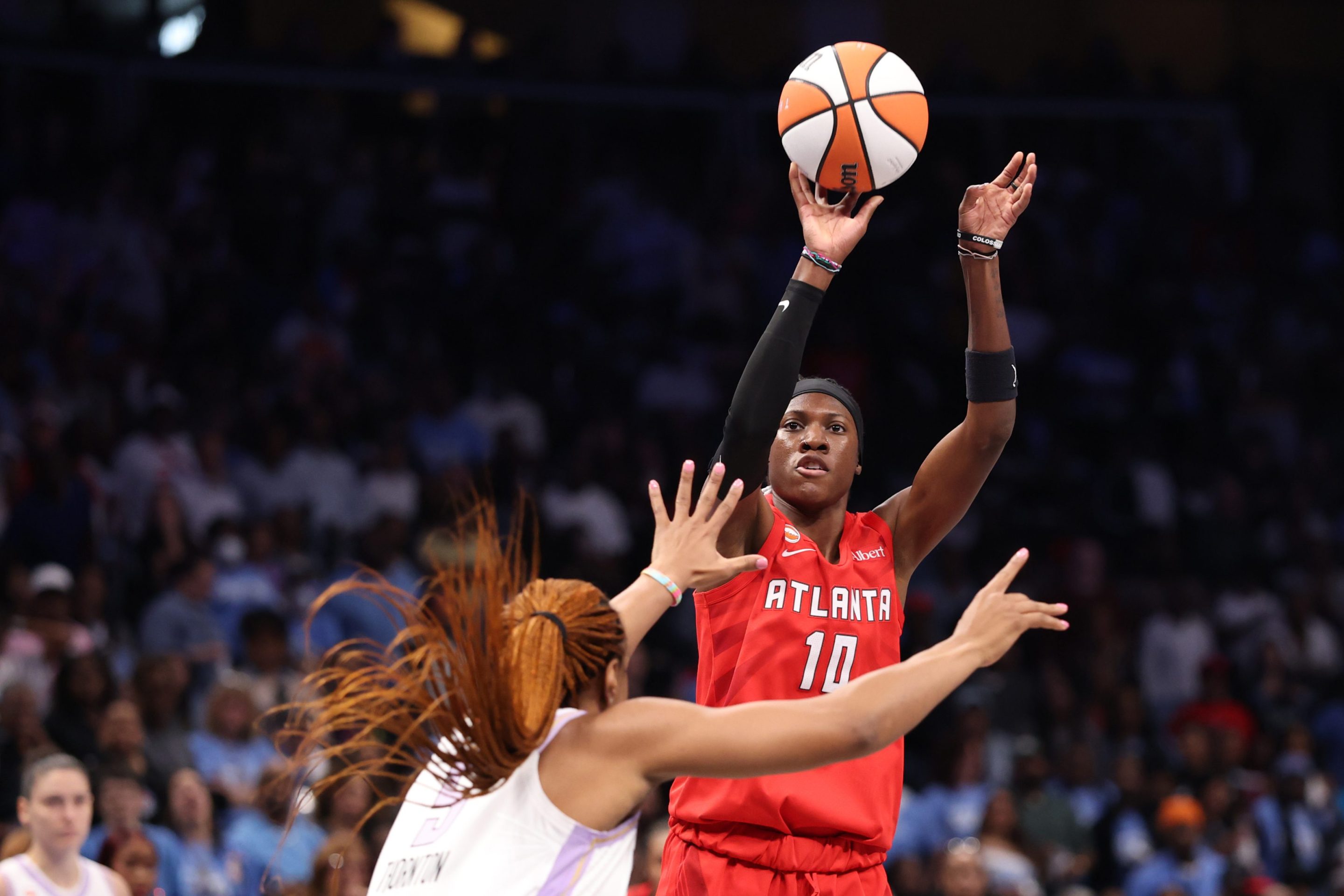
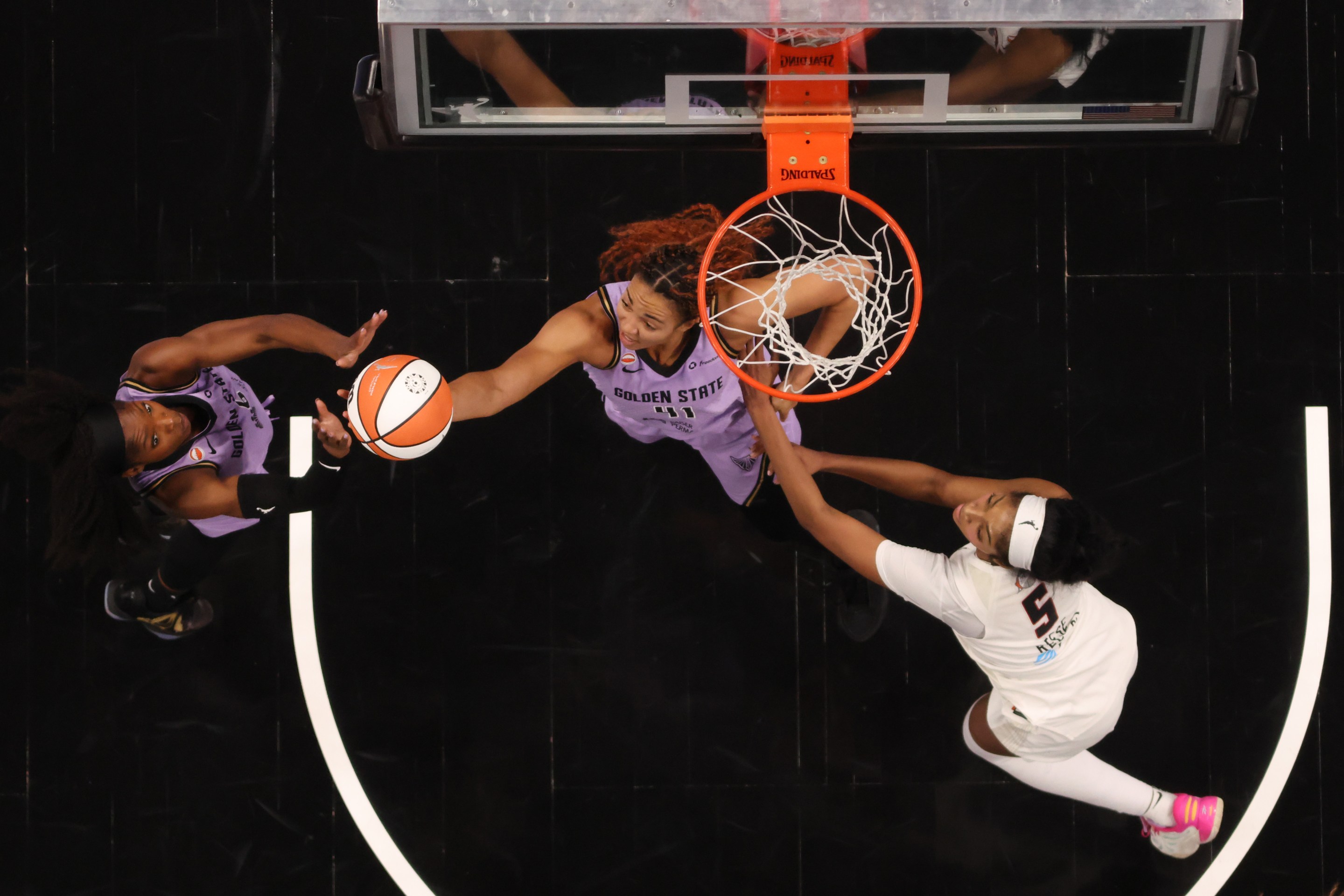
Perhaps the single most remarkable aspect of the Valkyries' championship run is that they never really had to change their style. They smothered the defending champs to death in the semis, then beat the Atlanta Dream in the Finals despite playing 6.5 games of the most unlovely anti-basketball you'll ever see. Title-winning teams are not supposed to routinely put up 25-point halves and post 32 percent shooting lines. The Valkyries continuing to advance like that was as impressive as it was concerning. They weren't beating teams so much as outlasting them, as if they were a tree daring a fleet of lumberjacks to chop them down before breaking every ax thrown against their trunk. That's an approach that has never worked, and at halftime of Game 7, with the Valks trailing 30-24, the mood in the building was dire. The magic seemed to have run out.
Williams's ecstatic 28-point takeover in the second half was the most satisfying possible propellant to victory. After watching their team win through sludgy determination and collective will, Valkyries fans were treated to a superstar player seizing control of the game and affirmatively wresting a championship away from the stunned opposition. It was the best way the game could have ended, with a black, queer player who partially grew up in Oakland and has been the most outspoken WNBA star on trans inclusivity deciding that she was going to shoot her team to victory, then successfully doing so.
Because of the Valkyries' strengths, I always knew they could win the title, but because of their weaknesses, I didn't share the fanbase's sense of providential certainty. That is, until I saw Williams step back and nail a three-pointer from well behind the line to give her team a three-point lead with two minutes left. In that moment, it all made sense.