
SAN FRANCISCO — What now? Any ideas? The Golden State Valkyries trailed Atlanta by six at halftime, and every point in this series felt like a hundred. The Valks will tell you theirs is an “egoless” team, one on which no one is above a scramble for a loose ball or a box-out. Zero All-WNBA players. Zero MVPs. The concept of “MV” wouldn’t even sit right with them. That spirit carried them far in the regular season, kept them fresh for the postseason, and made them nimble enough to handle a mid-series shake-up to the starting lineup. So committed were they to this formula that even six games in, Finals MVP really was anyone’s for the taking. Only no one was taking it. If you have 10 stars on your team, you have none.
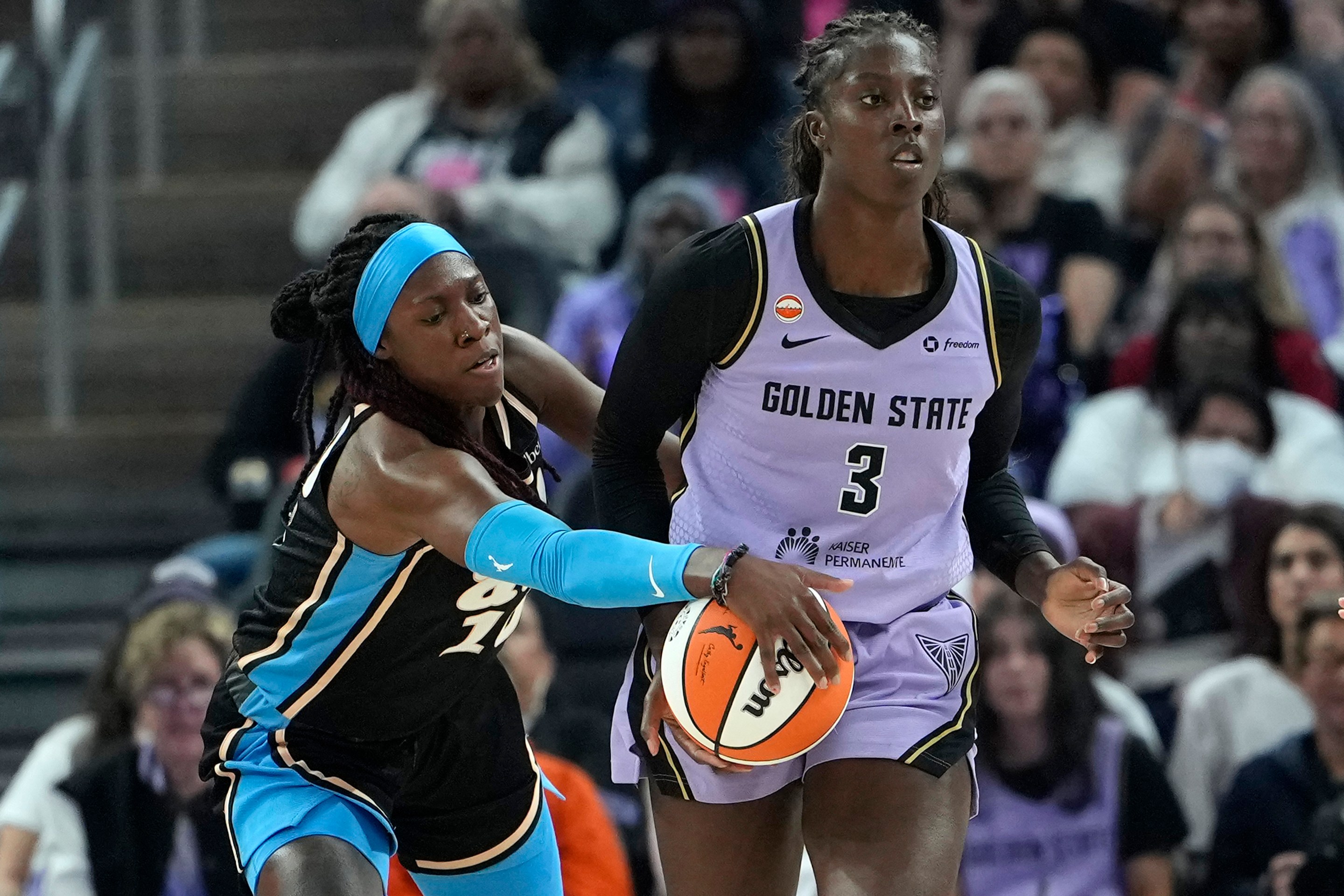
Basketball is a team sport, but even its team-iest sequences end in something individual. For the ball to get through the net, one player has to entertain a selfish thought: I am taller than you, or I am stronger than you, or I can get this shot up faster than you can get here. Gabby Williams, Golden State’s only All-Star selection this year, was brought here in the offseason to be that player. But for six games, scoring—even finding decent shots to take—had been a pain for her, and 20 minutes into the seventh, it didn’t seem like the struggle was letting up. She finished with two points at the half, having scored zero in the first quarter and the two on only one field goal attempt in the second. At some point in the third, though, you could see it all dawn on her. She is stronger than the Dream’s point guard, Jordin Canada, whom she hunted in switches. She is a former track champion who is faster than everyone else on the floor. Just like that, she was the most confident player out there, her heat-check threes bringing life back into Ballhalla in a 28-point second half for the ages.
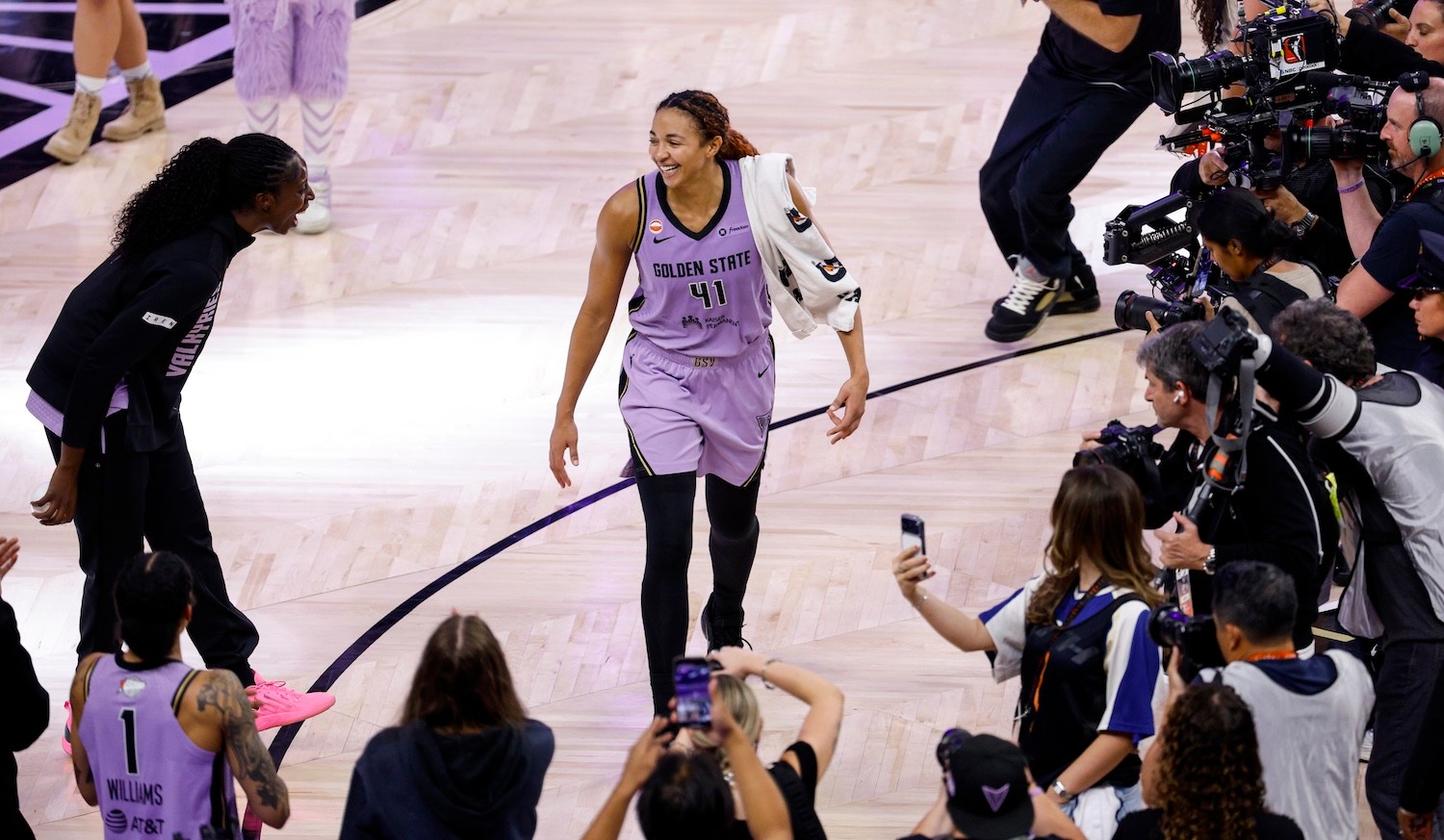
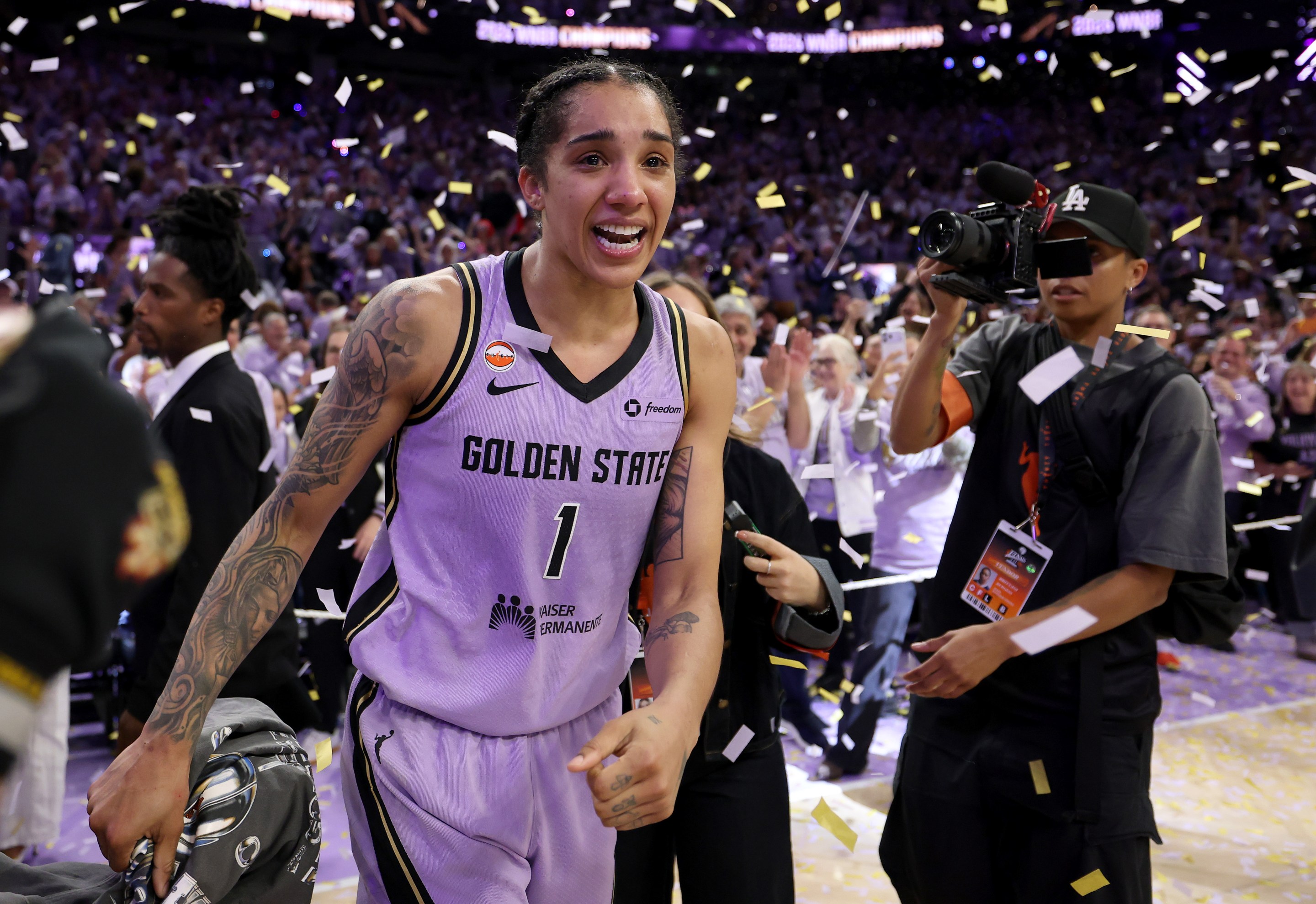
When it all clicked, Williams solved two problems: After a 68-63 Game 7 win in a sometimes stomach-turning series, the Golden State Valkyries are WNBA champions in the franchise’s second year. The eventual Finals MVP finished with 30 points, three rebounds, two assists, two steals and four blocks.
Afterward, Williams recalled what head coach Natalie Nakase had told her earlier in the game, which she’d spent mostly off the ball. “‘Stay patient, stay patient. The game is going to open up for you.’ And it did.” Next to her, Nakase—5-foot-2 and with the post-championship Blood Alcohol Content that entails—looked at the printed box score, eyes wide. “Fuck, man, you got 30? You had a 30-piece?” she said. “Fuck. Good job, Gabby.”
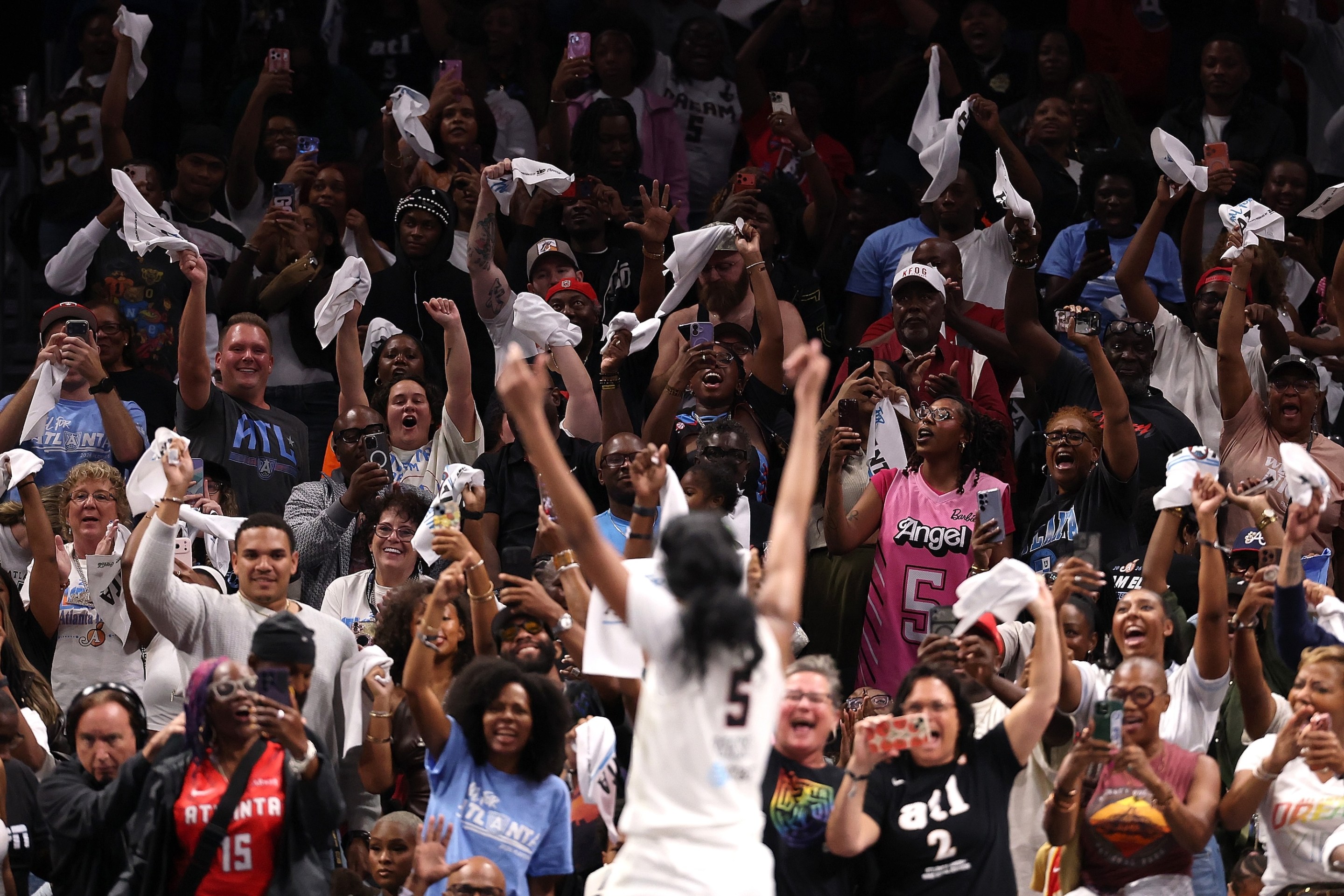
The Dream felt the winds changing in Ballhalla no less than all 18,000 fans inside did. “I just think Gabby started to get going a little bit, and I think this made everybody on the Valkyries start to get their confidence. They started making the hustle plays. We were losing the 50/50 battles and not boxing out,” said Canada, later calling Williams’s performance “the shift in the energy.” The 28 points were the most scored in a half by any player in WNBA Finals history, and no player has scored more than Williams’s 30 points in a Finals game.
Williams is a big game player who’s found herself on the other side of a lot of big games. Arike Ogunbowale hits that Final Four shot against UConn over Napheesa Collier, but a second before the shot, it’s Williams who gets switched off the killer. Two years ago, in the tightest Olympic gold medal game in recent memory, Williams was inches away from hauling her French team to overtime against the U.S., the bid only thwarted by her foot on the three-point line. Even in the first round of the playoffs last year, her Storm team nearly knocked off an Aces team that went on to win it all.
“I’m super impressed by Gabby,” said her teammate, four-time champion Kiah Stokes, who was on that Aces team and has witnessed some superstar Finals scoring performances herself. “She’s been our offense, like the head of it, all season.”
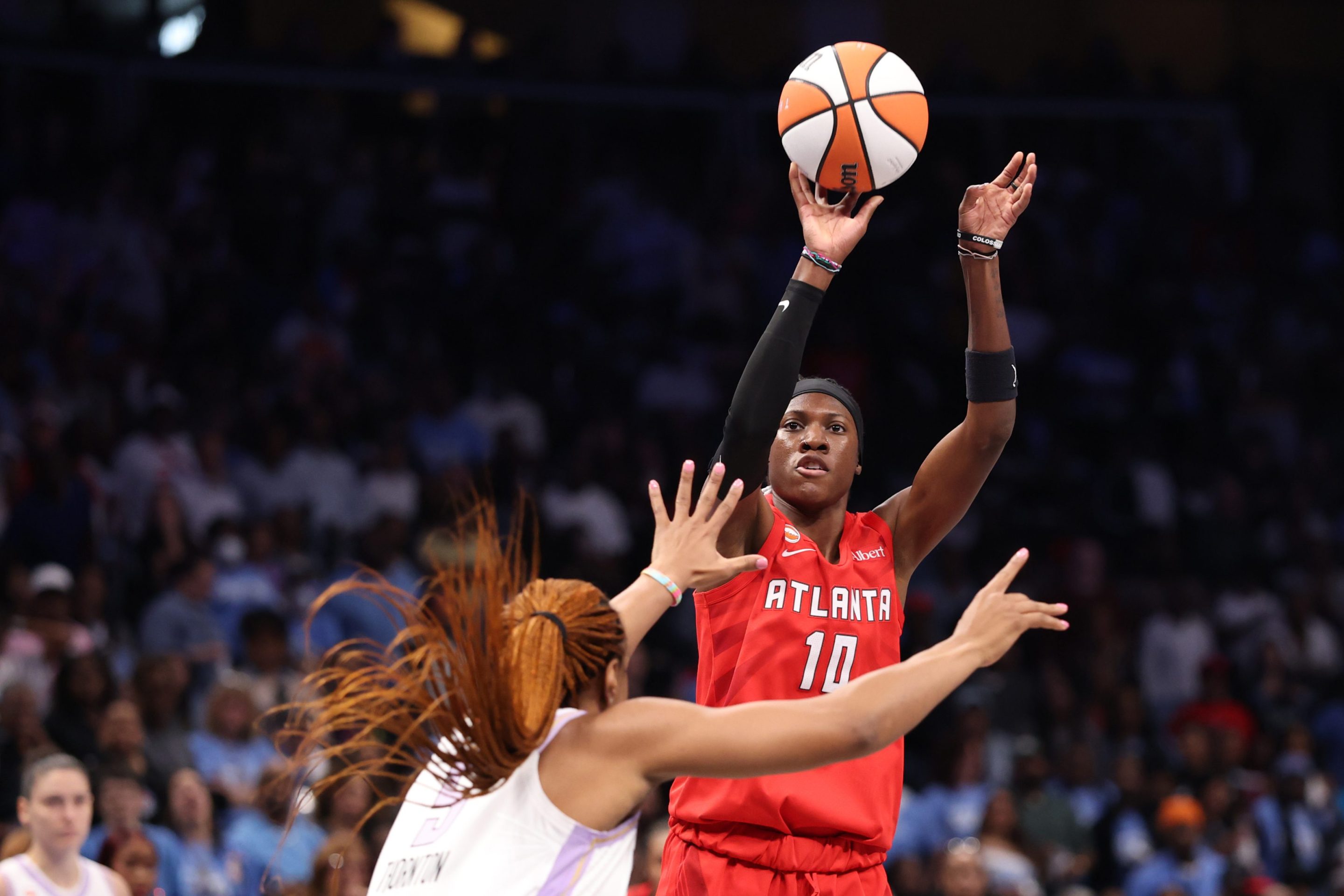
The all-Gabby offense came through in the end, but it was frustrating how true that seemed of the Valkyries in the regular season and all through the playoffs. These Finals, between two great defensive teams, were among the lowest-scoring in league history, a twist ending to what was by many metrics the best offensive year in 30 seasons of the WNBA. The Valkyries began the first quarter holding the Dream scoreless for an astonishing five minutes, after which they’d only amassed an eight-point lead. The Dream returned the favor in the second, holding the Valkyries scoreless for a full five minutes, after which they’d only scored eight points. For both teams, good shots were hard to come by, which meant the made shots tended to look more impressive. Allisha Gray hit a kooky-looking one-footed fadeaway midrange jumper for Atlanta at the end of a well-defended possession early in the fourth quarter; “I guess they can live with giving up that shot,” I said to Patrick Redford sitting next to me, before considering that any team could live with most of the shots being taken in this series.
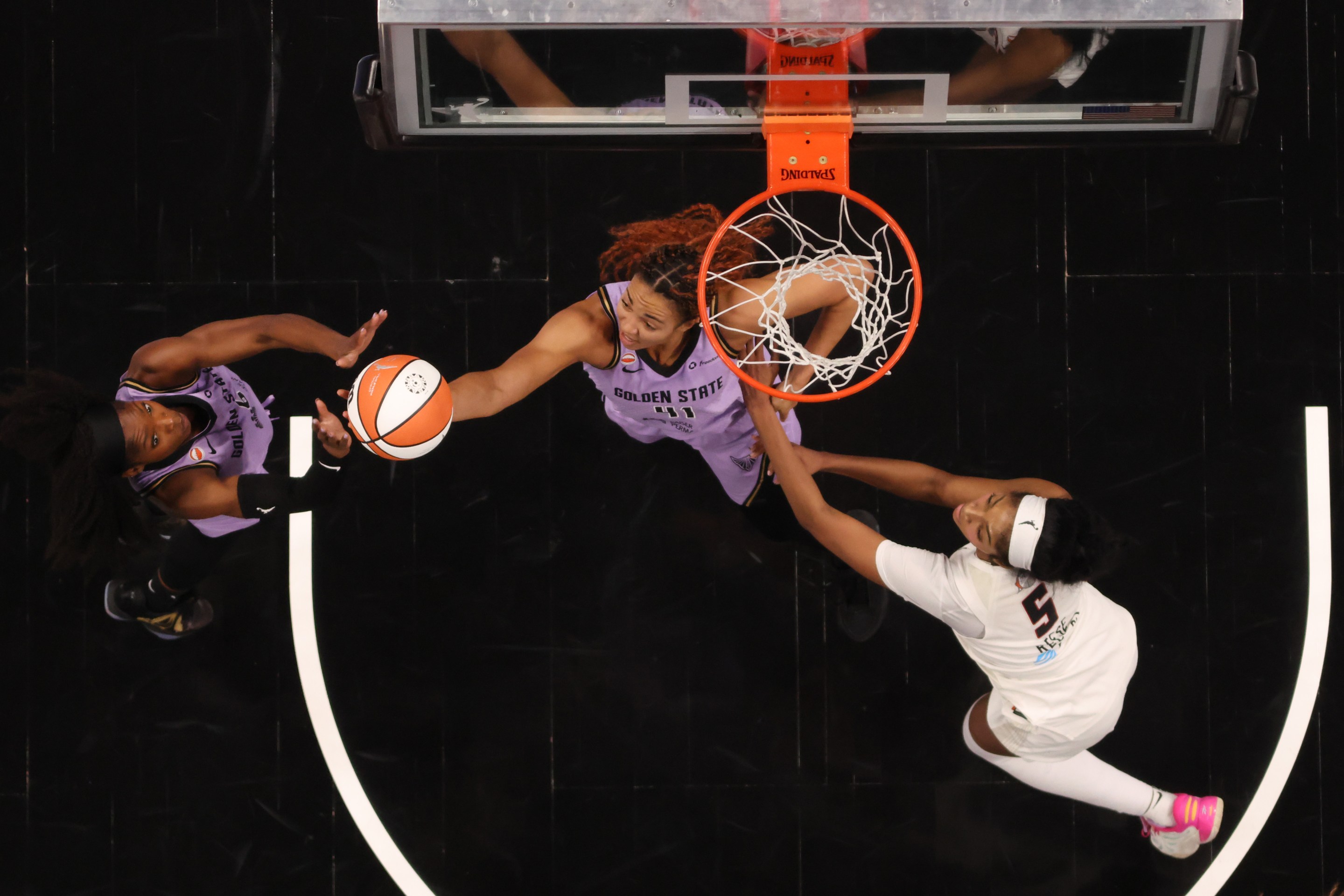
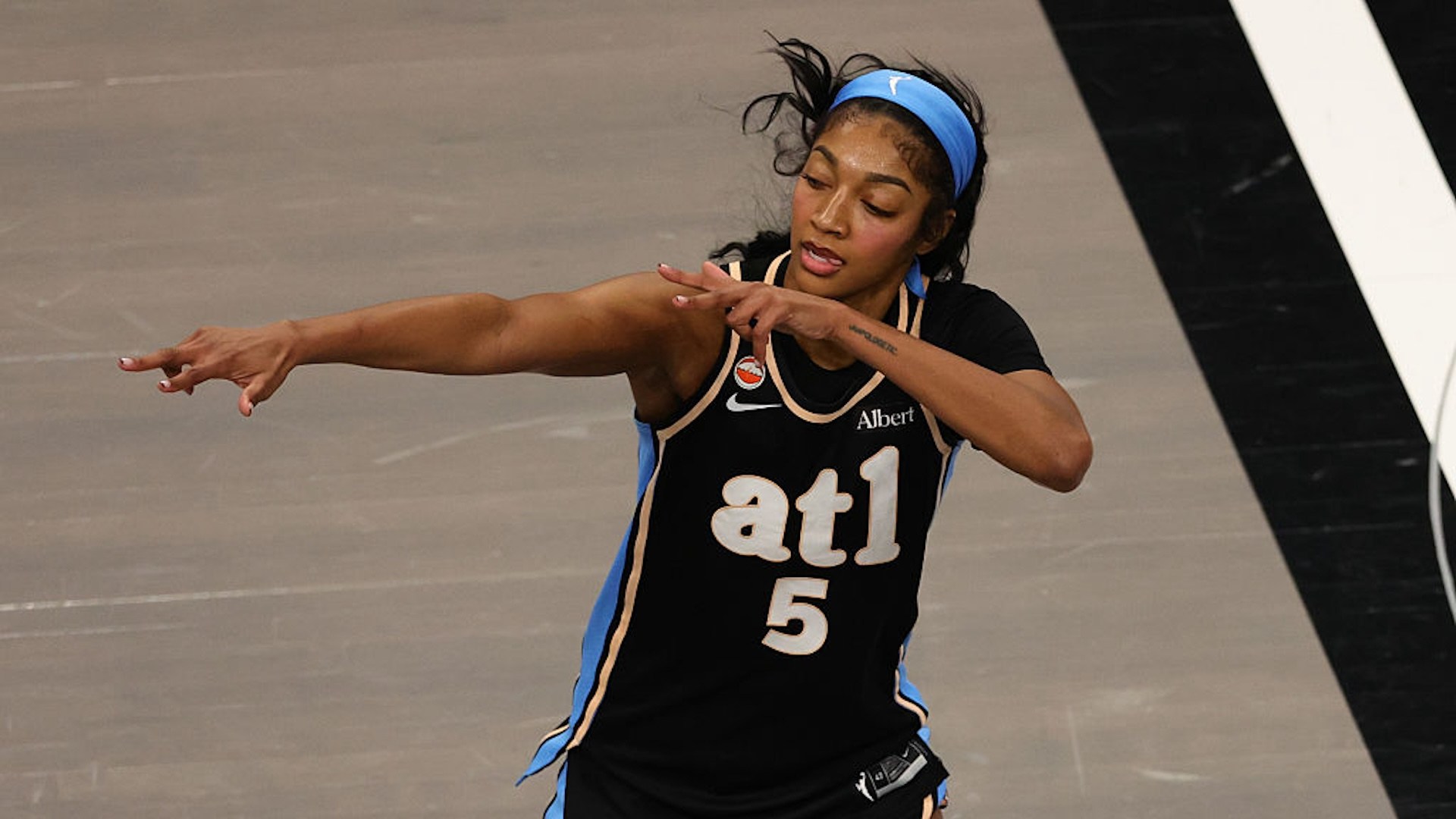
Nakase would probably do well to hire an offensive assistant this offseason, but however backhanded the compliment may sound, it is a real marvel and a compliment to her work, and the Valkyries' defense, that a team with its deficiencies and roster quirks can call themselves WNBA champions. Her scoring burst wouldn’t happen for a while, but early in the first quarter, Williams flew from the help side to block Angel Reese at the rim. Inside that intense and loud little moment, it was hard to imagine the Valkyries not winning the game.