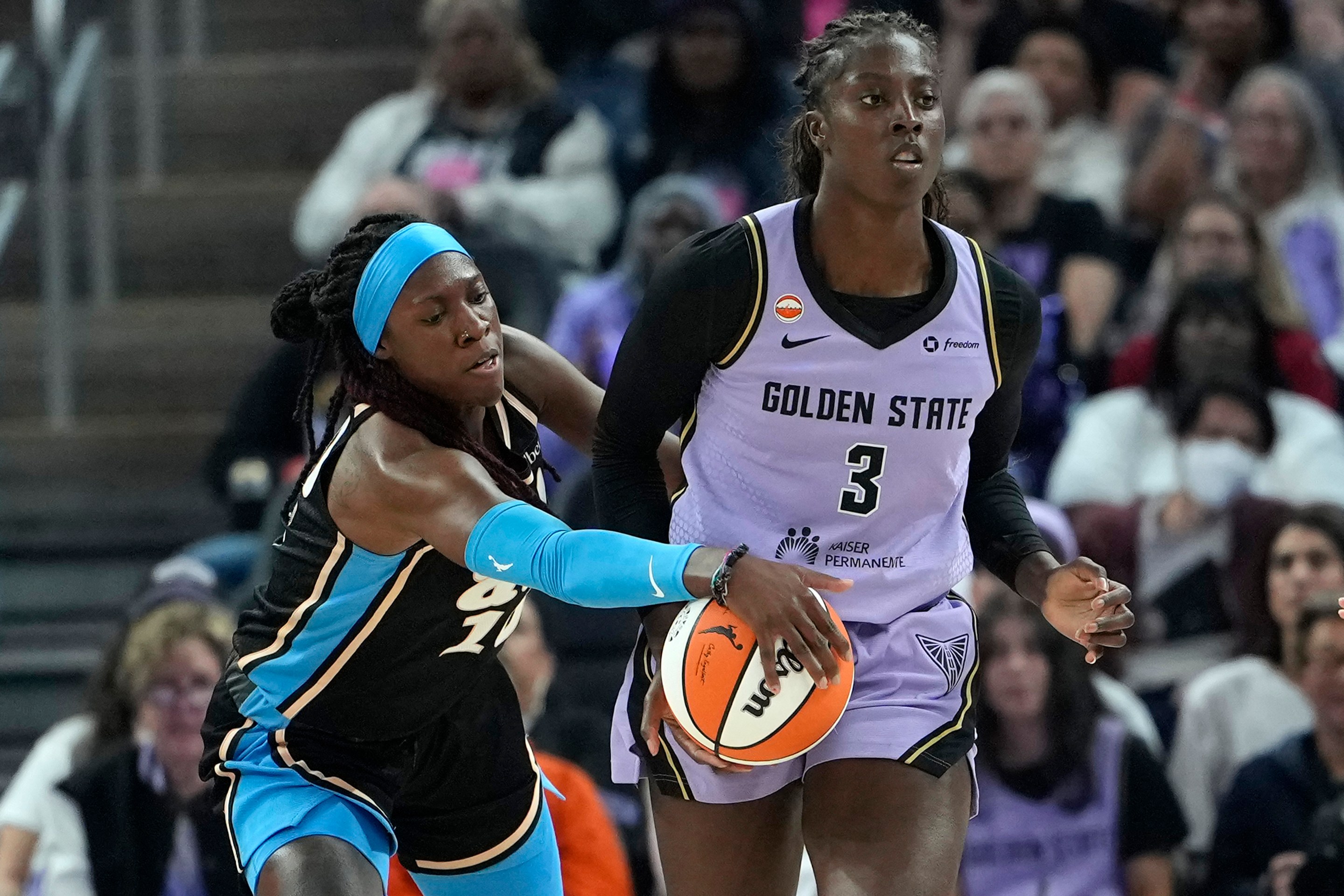

ATLANTA — The Golden State Valkyries’ most valuable player on Saturday afternoon finished with just four points, though by the standards of Kiah Stokes, that qualifies as a scoring outburst. A player with a zero-points-on-zero-field-goal-attempts-in-30-minutes performance to her name in these Finals, Stokes looked disconcertingly ready to fire in the first quarter of Game 4 in Atlanta, the Valkyries desperate after a pair of offensive disasters in Games 2 and 3. Usually when a pass finds Stokes wide open in the corner, you can practically hear a “wrong answer, try again!” buzzer sound as she swings it back to the top of the key. But when Veronica Burton drove the paint and kicked it out to Stokes a minute into the game, the center didn’t think twice about taking the shot. A miss in the end, yes, but a startling sight all the same.
After the game, Stokes told reporters that her “aggression” in the form of five first-quarter field goal attempts wasn’t really part of the plan. She had no designs on being a hero, no illusions about what her offensive contribution in the game was going to be. “For me, if you shoot it, it’s a chance to get a rebound and another possession,” she said.
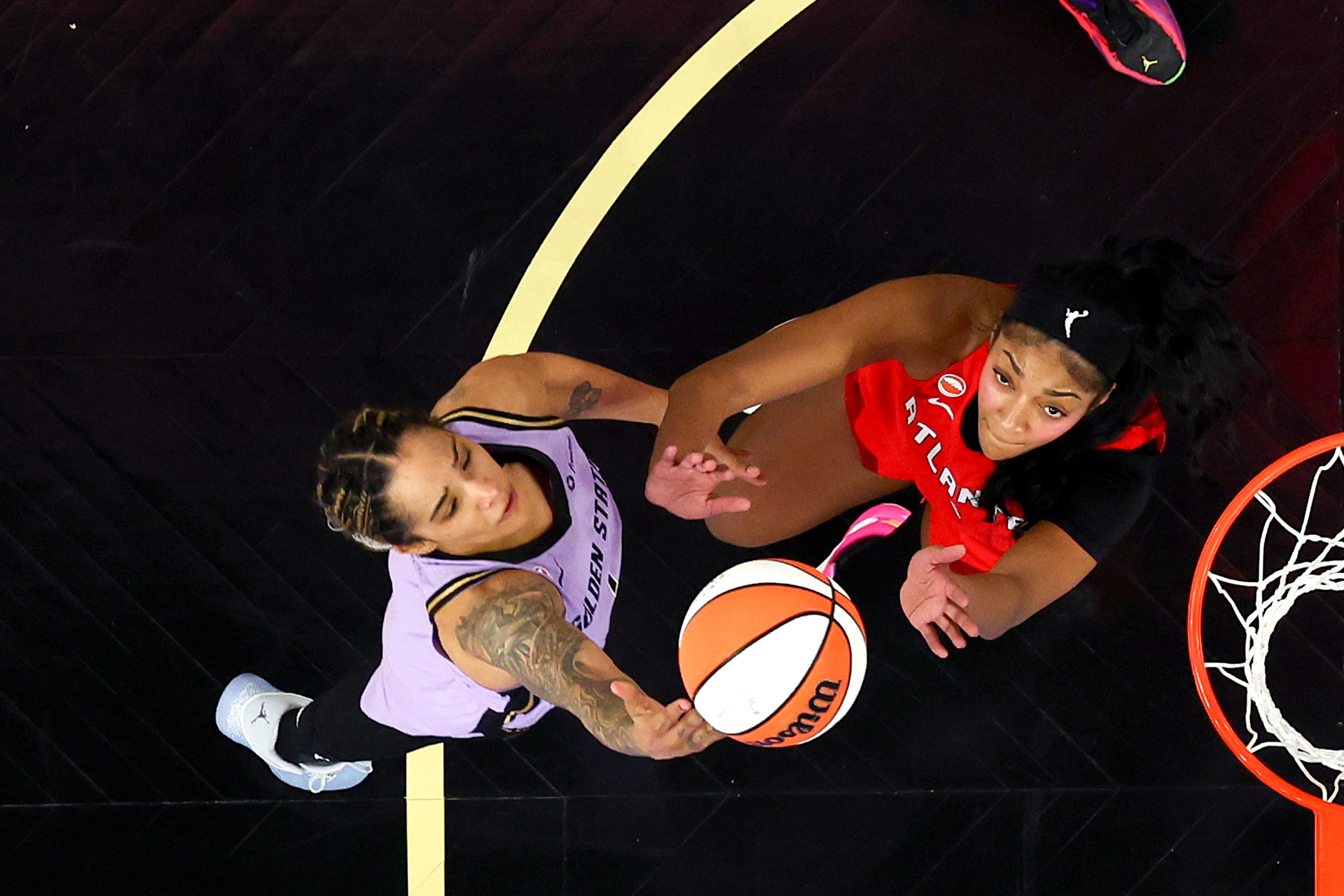
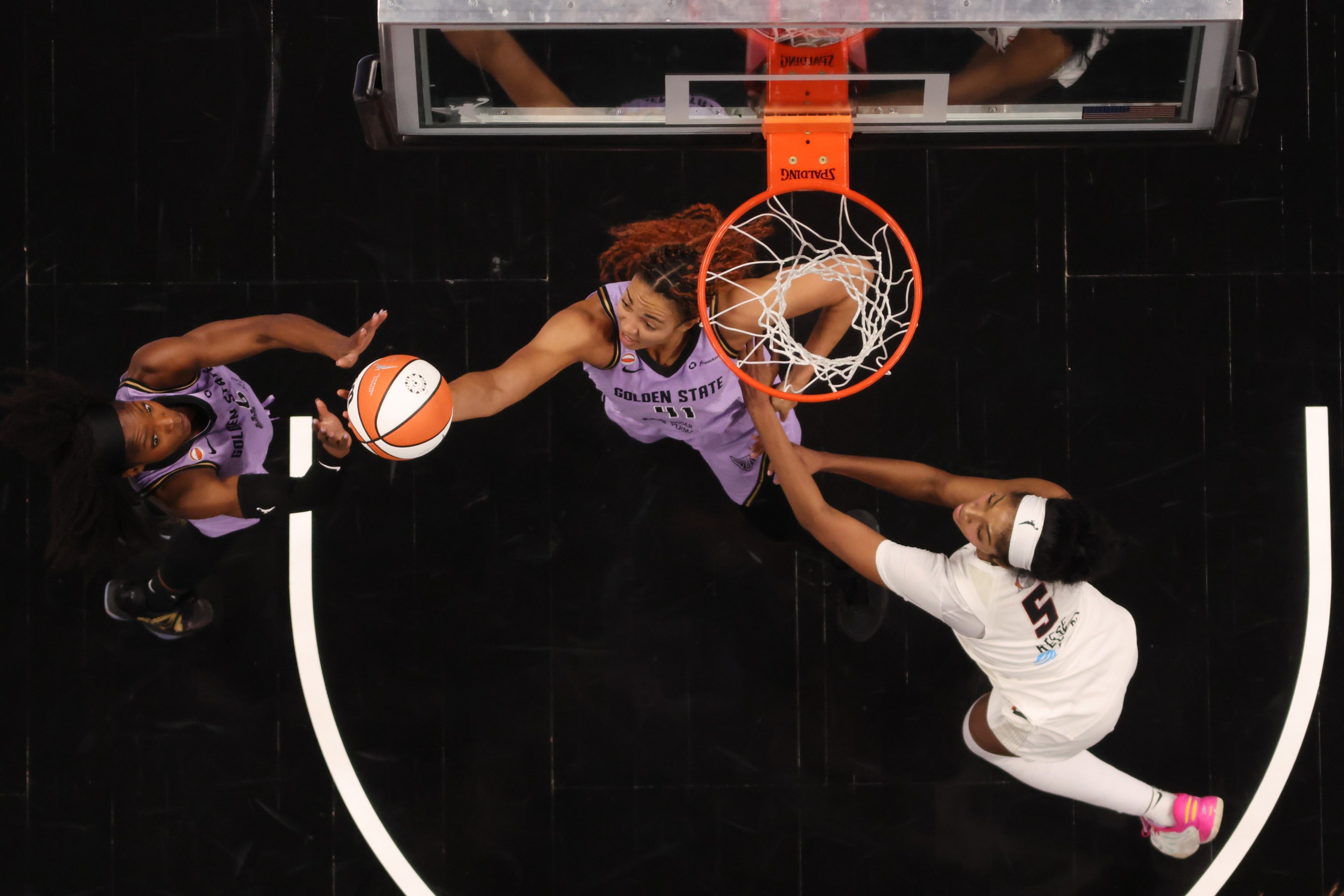
In Golden State’s 67-62 series-tying win against the Atlanta Dream on Saturday, that’s basically what every field goal attempt felt like: a chance for more field goal attempts. The Valkyries pulled down 13 offensive rebounds, eight of them thanks to Stokes, and forced 18 Dream turnovers to get the possession math working in their favor again—a strength of theirs usually, but a struggle in their last two games. The series returns to San Francisco for Game 5 on Monday before heading back to Atlanta for a Game 6 on Thursday.
The Valkyries offensive process didn’t look too different, but with Cecilia Zandalasini and Gabby Williams hitting some of the midrange fadeaways they’ve been missing all series, it at least felt different. Golden State’s players said before this game that they thought better defense might cure some of their scoring woes. “We just have to go back to our defense, and that will get our offense going,” said Williams after Game 3. But against an Atlanta team so keen to turn misses into transition buckets, it seemed like the solution could be the other way around, like offense might be the Valkyries’ best transition defense.
So it’s a make or miss league for sure, but what felt more salient on Saturday was the fact that it’s a take or miss league. The team putting up more shots is the team with the most freedom to slip up or err in some other way. At halftime, the Dream had just 19 field goal attempts to the Valkyries’ 40, and though Atlanta made a promising run in the second half, they would still finish the game with 18 fewer shot attempts. On yet another bad shooting night—36 percent from the field and 16 percent from three—Golden State needed every bit of those margins. The Dream shot about the same—33 percent from the field, 17 percent from three—but they couldn’t seize the advantage they did have. In a five-point loss, Atlanta missed nine of the 31 free throws they attempted.
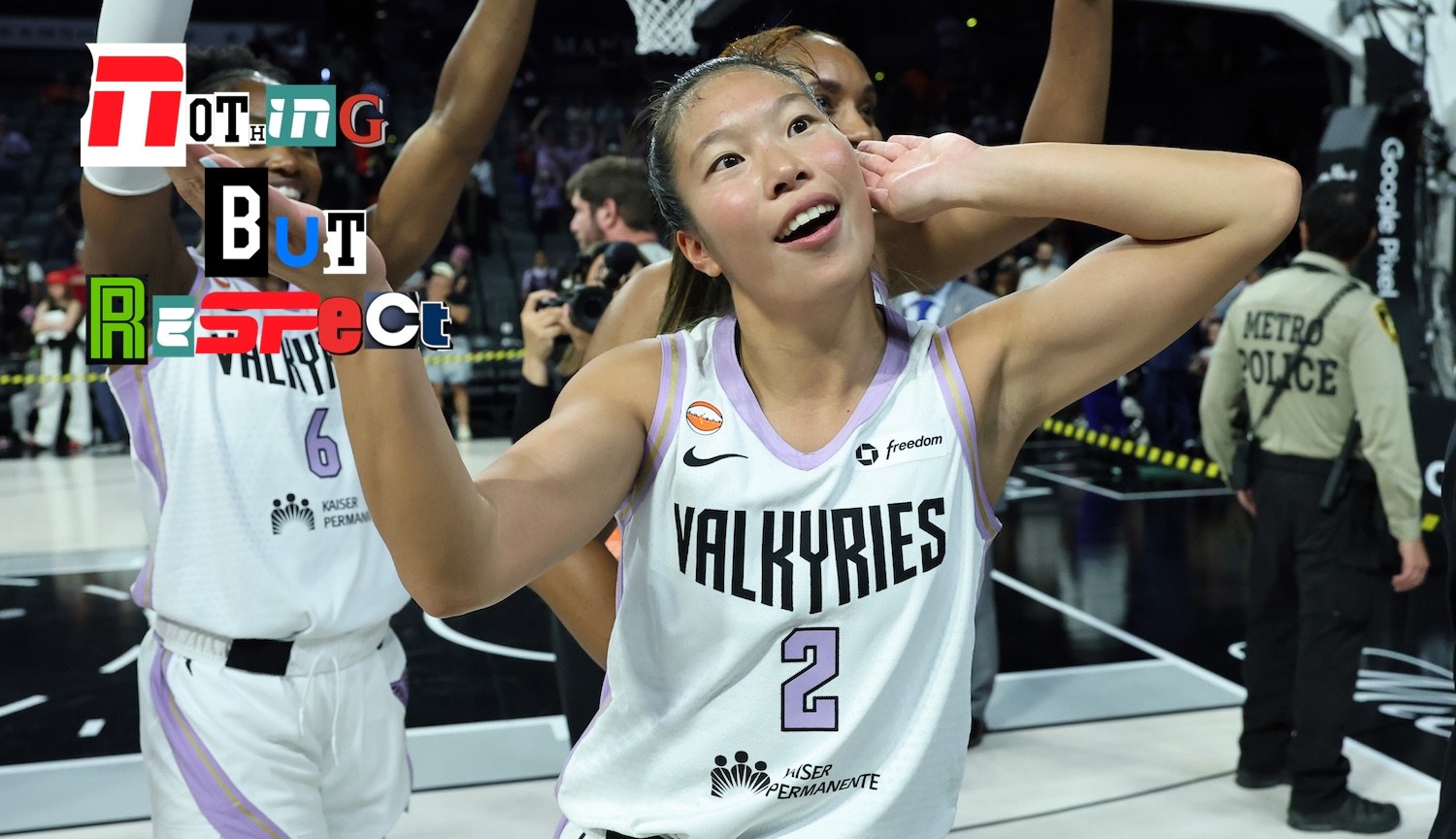
After Games 2 and 3, this unflappable Valkyries seemed good and flapped. When players and head coach Natalie Nakase tried to diagnose their problems postgame, they sounded dazed—a little baffled, maybe, by the team they’d become, one that let Atlanta set the pace of the game to their own liking. The word “uncharacteristic” came up a lot.
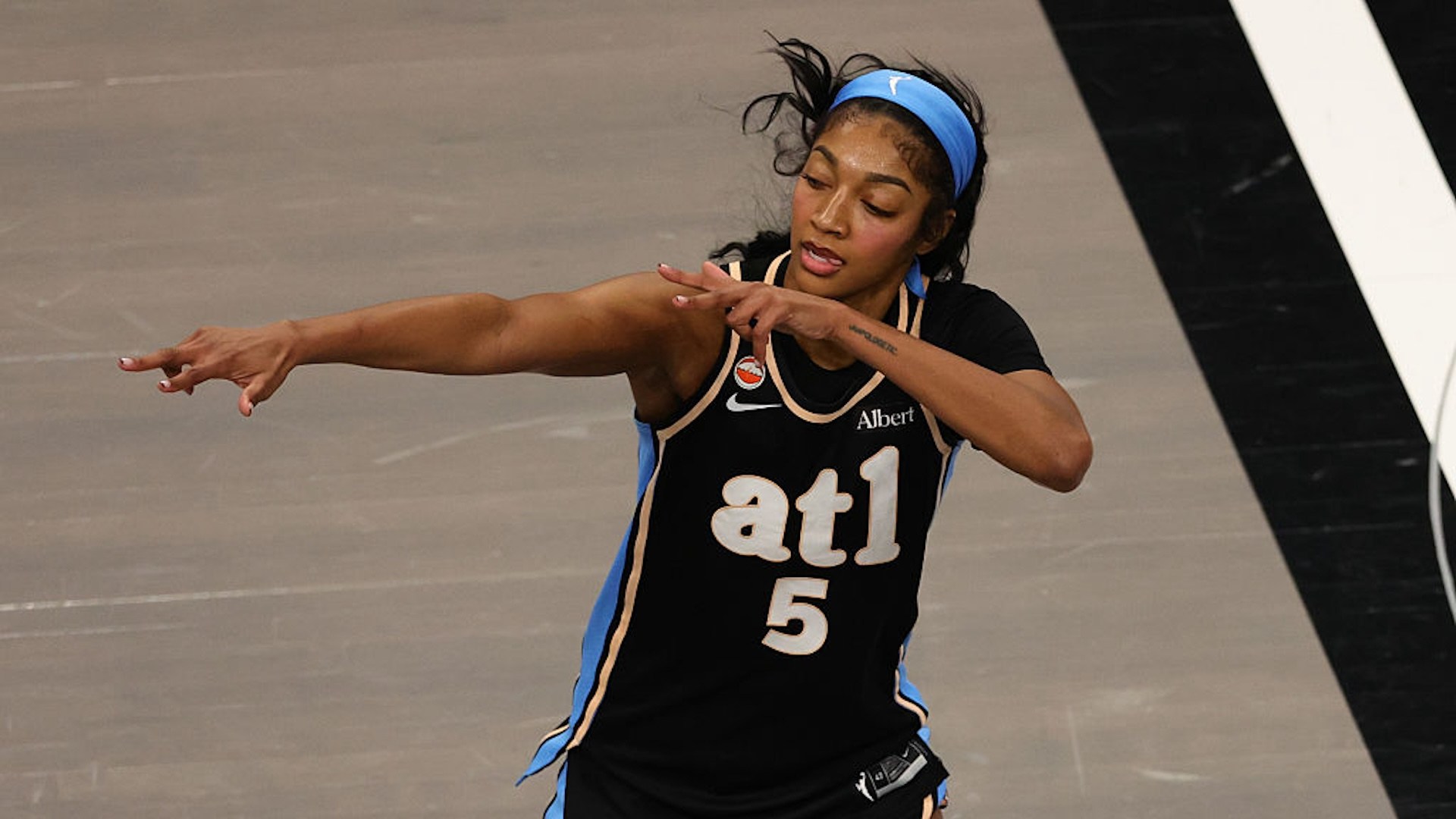
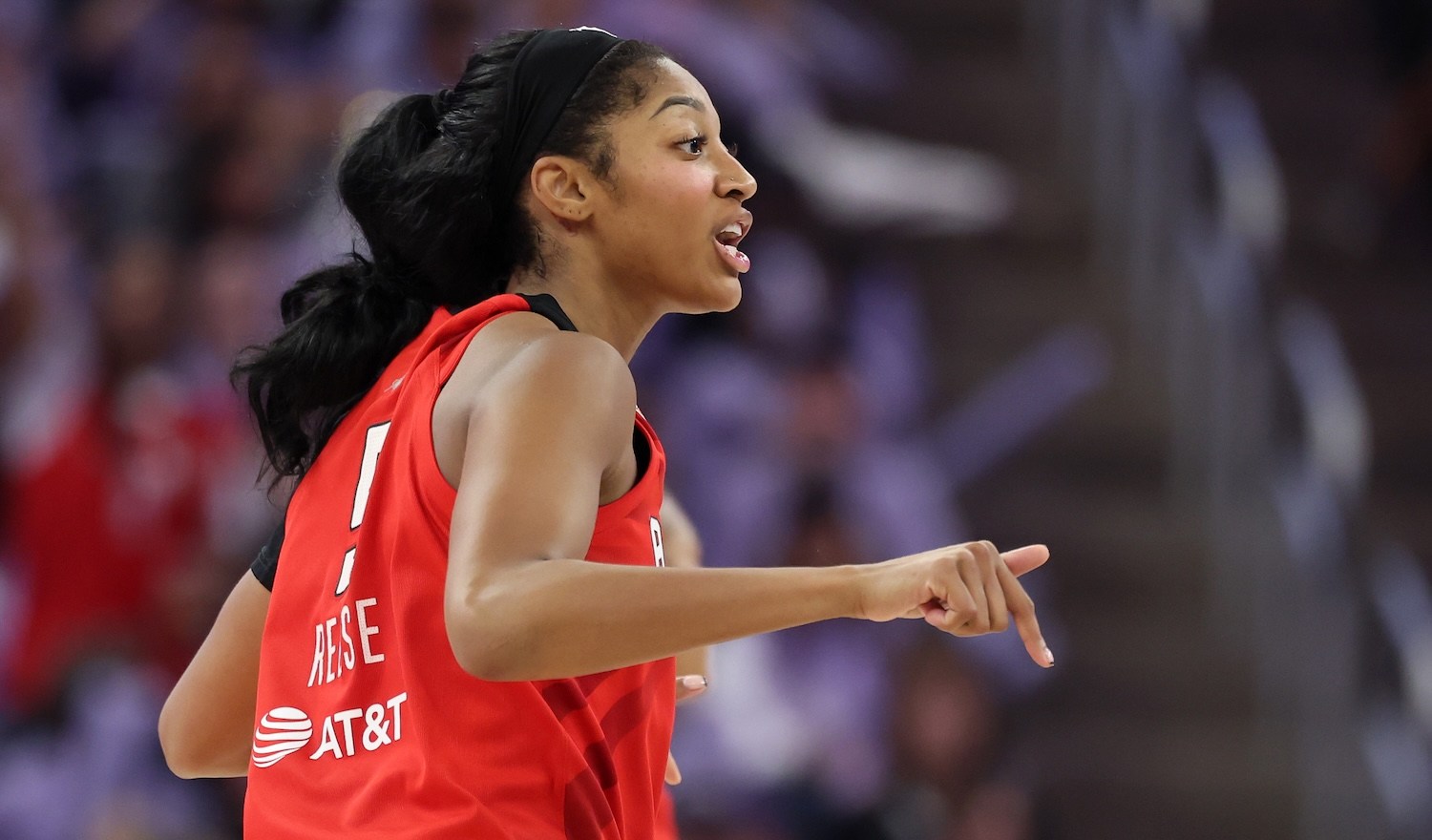
Between the team dominating the possession game and an excellent Stokes quieting Angel Reese (2-of-12 shooting in Game 4 after two superstar showings), this Valkyries win was perfectly in character, with one exception. Nakase, unafraid to experiment all postseason, settled on a tighter rotation on Saturday. Williams and Veronica Burton played nearly the entire game, and only seven different players played more than three minutes. Poor Aminata Gueye, literally in her fourth week in the WNBA, had spent the last two games as a human Angel Reese propellant. In this game, she was mercifully kept on the bench. Nakase also moved Kaila Charles and Tiffany Hayes into the starting lineup. Charles flew in for several key offensive boards in this game; Hayes pretty much was the offense in the second half. If that's an unusual adjustment for a healthy team deep in the postseason, maybe it's characteristic of the Valkyries. “The best thing about our team is no one cares who starts,” Nakase said postgame. “No one cares.” Spirits seemed low three games into the series, but the Valkyries, as they’re wont to do, have bought themselves some more time.