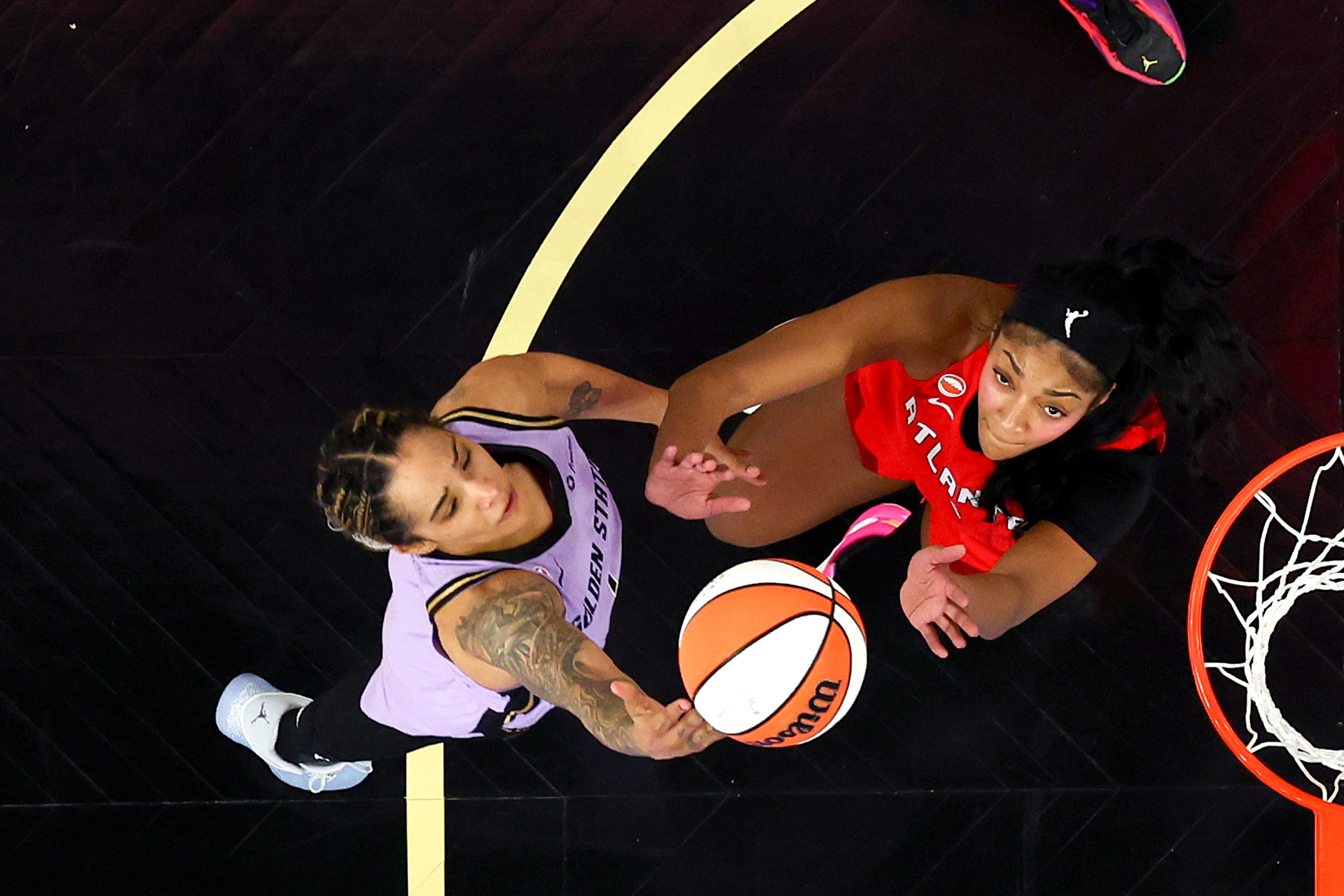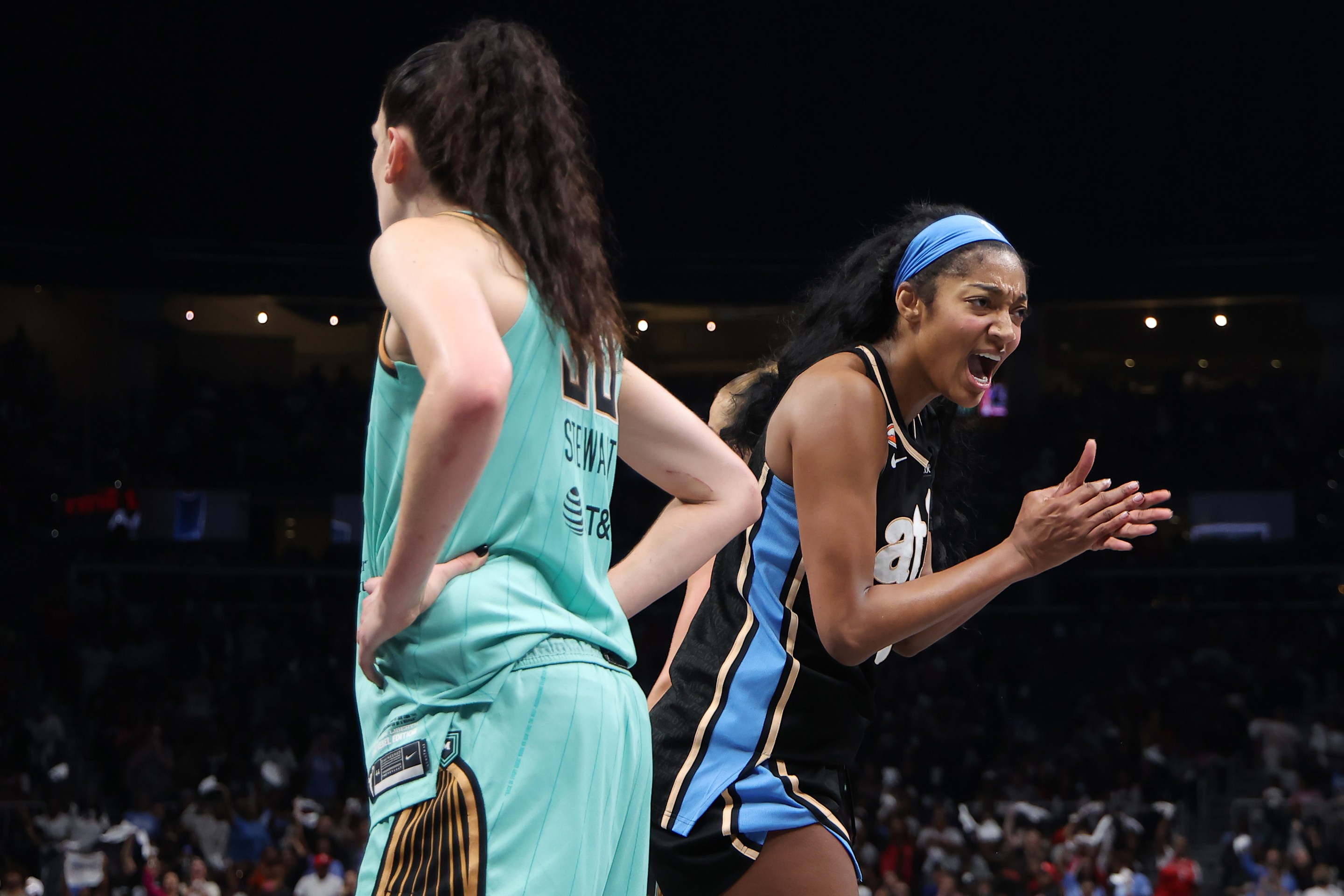

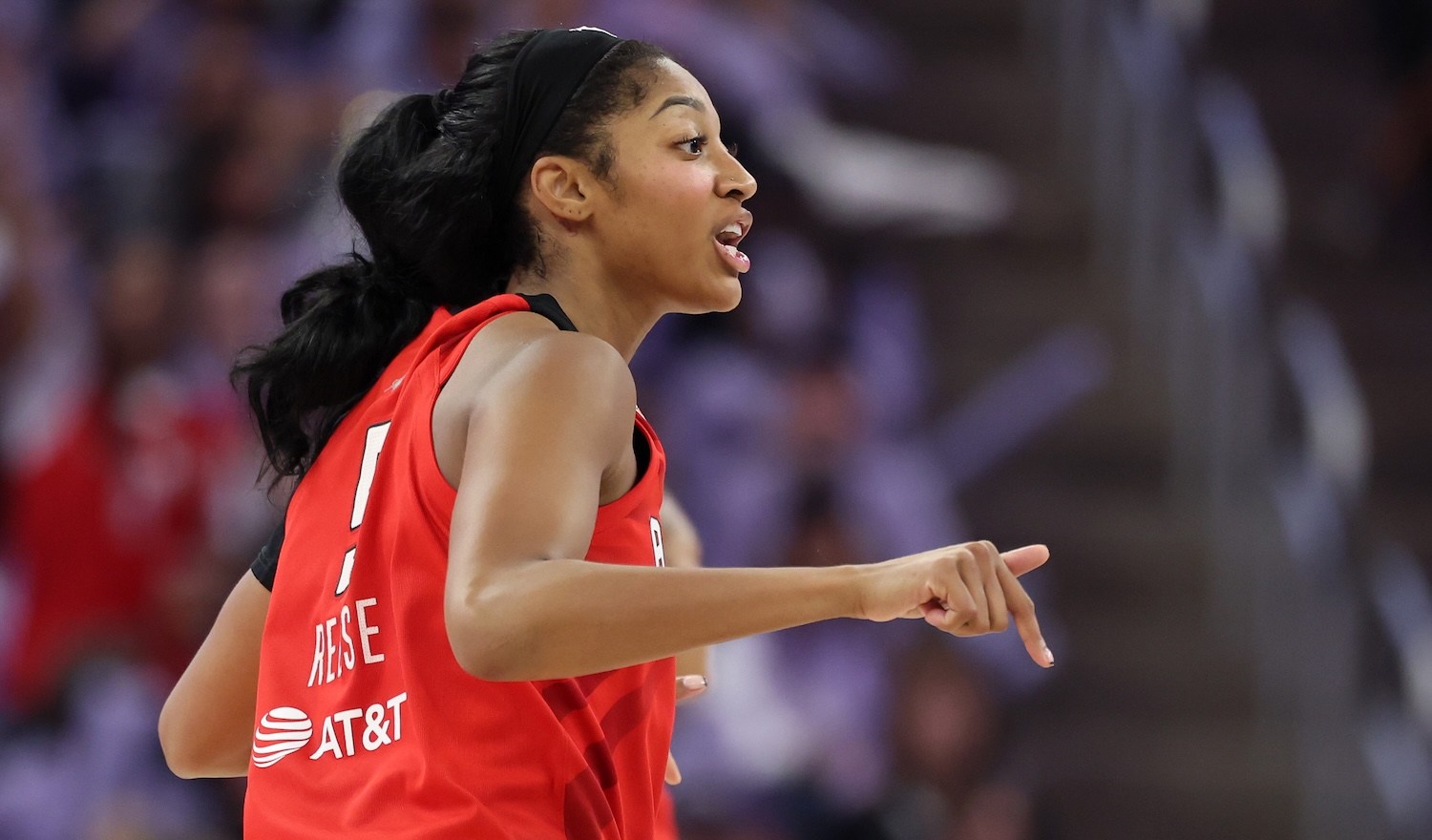
SAN FRANCISCO — Like its sludgy predecessor and by design, Game 2 of the WNBA Finals was played as if in the mud. Clean dribbling of the ball was prohibited, the two participants collaborated on 32 turnovers, and the Atlanta Dream finished one missed three-pointer beyond joining the Golden State Valkyries with an identical, gross 21-for-61 shooting night. Ballhalla's famous resolve was tested as its stars spent the night dribbling sideways for 23 seconds before hoisting terrible shots. But through it all, directly in the middle of the fray on both ends of the court, there was one player who gradually revealed herself to be the game's protagonist, the one gleefully forcing the Valks down into the mud. There was Angel Reese, dominating the biggest game of her career and seizing control of the WNBA Finals for her team.
The stats tell some of the story: Reese finished with 30 points, 16 rebounds, and two blocks, got to the line 11 times, and finished as the only Atlanta player who made at least half their shot attempts. But the way her dominance was felt in the building was truly remarkable. Reese may as well have been the only player on the court. The San Francisco crowd puts a little extra energy into booing Reese, not out of a sense of culture-war conscription the way, say, an Indiana crowd would, but rather because she causes them the most pain.
Both these Finals teams are set up with the primary objective of preventing opponents from playing basketball, which played out for everyone in Game 1 and for the Valkyries in Game 2. Reese was the one player who was getting anything easy: If she got a touch with momentum or against anyone who wasn't Kiah Stokes, she was getting to the rim. If she pulled down an offensive rebound, the Valks may as well have started setting up their offense at the other end. In a series otherwise entirely populated with people moving sideways, Reese is direct. When she's on the court, she demands attention.
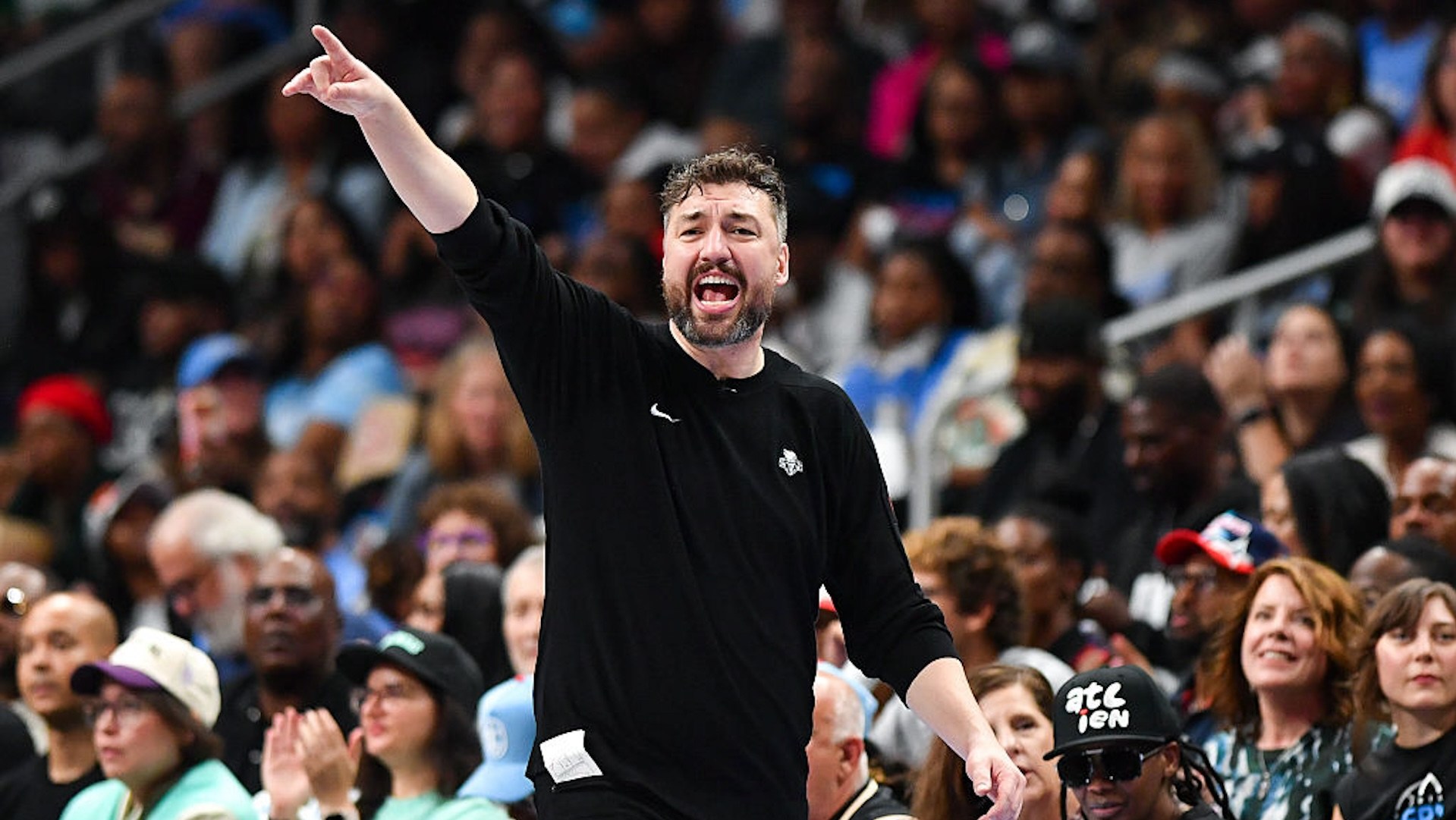
"Going in the locker room, the first person I made eye contact with was Angel," Dream coach Karl Smesko said after the win. "And I was like, 'Oh I like this look.'" A big part of what makes Reese so special is the idiosyncratic nature of her dominance. She is not the cleanest operator; often she puts her head down and drives ill-advisedly straight into trouble, or gets way too aggressive on the perimeter. Her low shot-release gets blocked by Stokes all the time, often in emphatic fashion, and in a way that makes one wonder whether it's a good idea to accept a neutral duel against such an imposing rim protector.
But embedded in that logical question is the key to understanding what makes Reese so special. She's not afraid of anything. She plays with the genuine (and in this case valid) belief that she's the best player on the court and that nobody can stop her. This explains the broader experience of watching Reese, which is stippled with expressions of frustration, at the referees for calling anything against her ever, at her teammates for not feeding her, and, my favorite, at her bench for not challenging every single foul called against her even when it's extremely obvious that she hacked her opponent, a hilarious spectacle defined by Smesko executing a glacial 180 to perform taking Reese's obviously specious claim seriously, but not so fast that he'll actually have to burn a challenge defending his superstar's honor. She will talk shit to anyone.
Did Angel tell her "You cant fwm... bum ass" 😭😭😭😭😭 pic.twitter.com/Kv25TLlIDQ
— Shabazz 💫 (@ShowCaseShabazz) October 20, 2026
That level of belief is what allows Reese to keep fighting the toughest battles she can seek out, over and over, until eventually she wins them. Game 2 was decided by a stretch spanning the second half of the third quarter and the first half of the fourth, in which the Dream went on a 27-6 run. During that run, Reese played some of the best basketball you'll ever see, most of which involved her pointedly taking away the Valkyries' best stuff. Gabby Williams posted a horrid 3-for-15 shooting night, much of which was due to her running into Reese on the perimeter and getting shut down. Stokes had been doing decently well on Reese beforehand, though Reese started getting into her chest and establishing dominance on the glass; naturally, she celebrated Stokes's fouls like and-ones. The Valkyries' whole strategy is based on keeping people away from the rim, controlling the glass, and forcing teams into the half court. Reese took all that stuff away.
Angel Reese is FIRED UP 😤
— USA Sports (@usasports) October 20, 2026
Reese comes away with the steal and brings the energy for Atlanta! 🗣️#WNBAonUSA 🏆 | Dream 💭 | Valkyries ⚔️ pic.twitter.com/WJfE1EsGJf
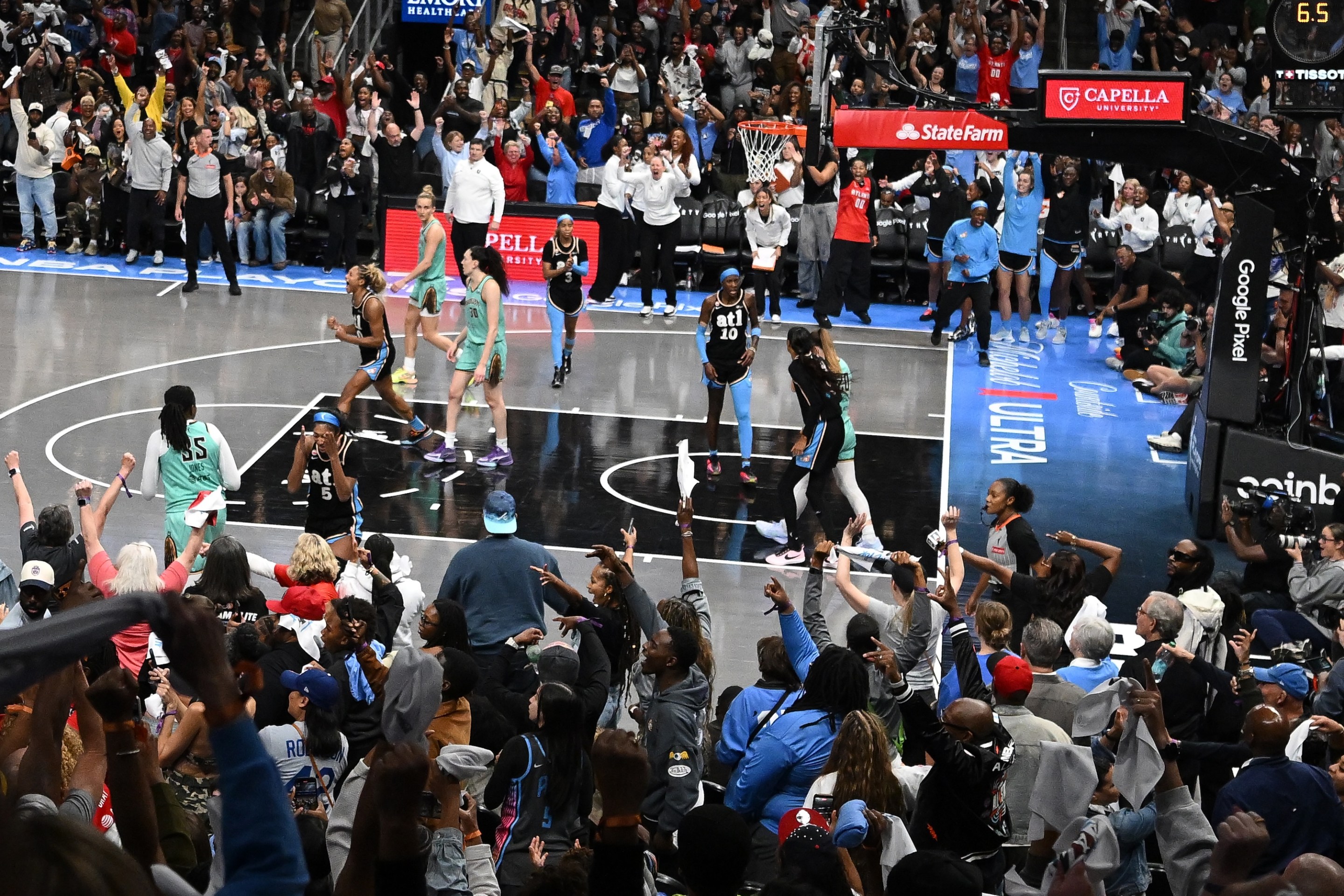
Watching her do this in Ballhalla was special. At media day last week, most Dream players were asked at some point about the imposing task of stealing one at the toughest building in the W. The idea behind that question is that the force of 18,000 people screaming at you is going to test one's composure, which is a sensible thing to wonder, though slightly misapplied in Reese's case. She wasn't cowed by the sellout crowd; she was feeding off of it.
You could see it in her play improving as the game went on, in her clearly taking the crowd's energy and redirecting it at the home team. Players often talk about how satisfying it is to win on the road in the playoffs, to negate that concentration of energy. Which is to say, it made total sense that Reese put together the best game of her career in front of the loudest fans. She's not going to run from any fight. She seems to find a level of focus in the frenzy that renders her not just immune to the pressure but emboldened by it.
As Reese was stunting on the Valkyries, nailing her lone three-pointer to deflate the first stirrings of a run, drawing yet another foul on Stokes, I found myself thinking about a play earlier in the night, when Reese didn't get the ball in the post and gave up on the play in frustration. This was perfect raw material for the Angel Reese Culture War Industrial Complex, and its dutiful functionaries—like Outkick reporter Dan Zaksheske, who is only at the Finals to turn that machinery's hateful wheels—gleefully got to work. What close observers, and really anyone who was interested in the WNBA Finals as a basketball series and not as an occasion for strident misogynoir, would note is that Reese did that within a 30-16 masterpiece, rendering her isolated outburst irrelevant.
I'd go a step further and note that the passion and fire Reese brings to the game and the idiosyncracies therein make an outburst like that not incidental to her overall dominance, but rather an active part of it. She didn't just have a great game despite expressing her frustration with her teammates in that moment; she kicked off the game-winning run immediately after that moment. This is what makes her particularly special: her ability not just to resist pressure but to channel it.