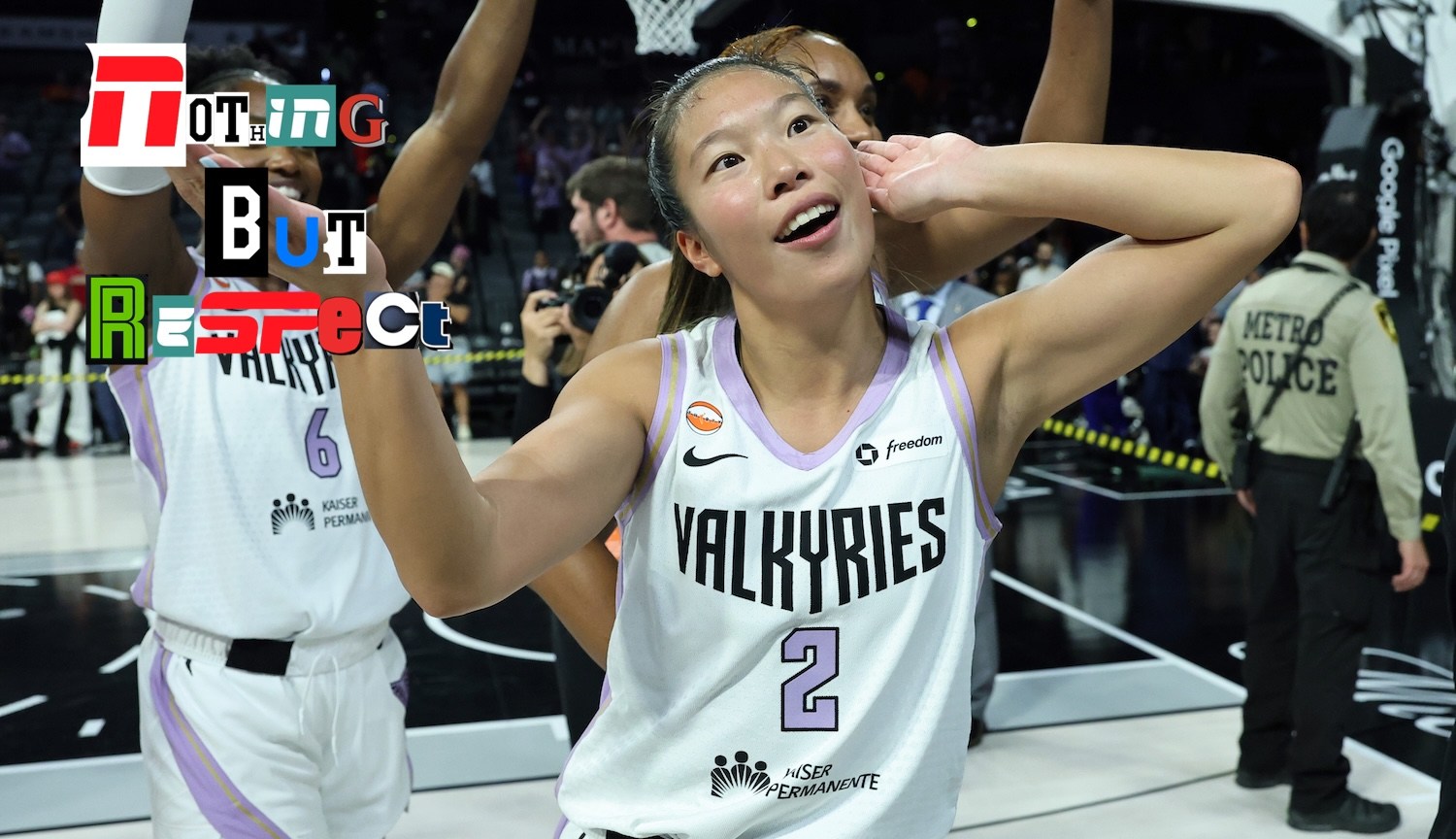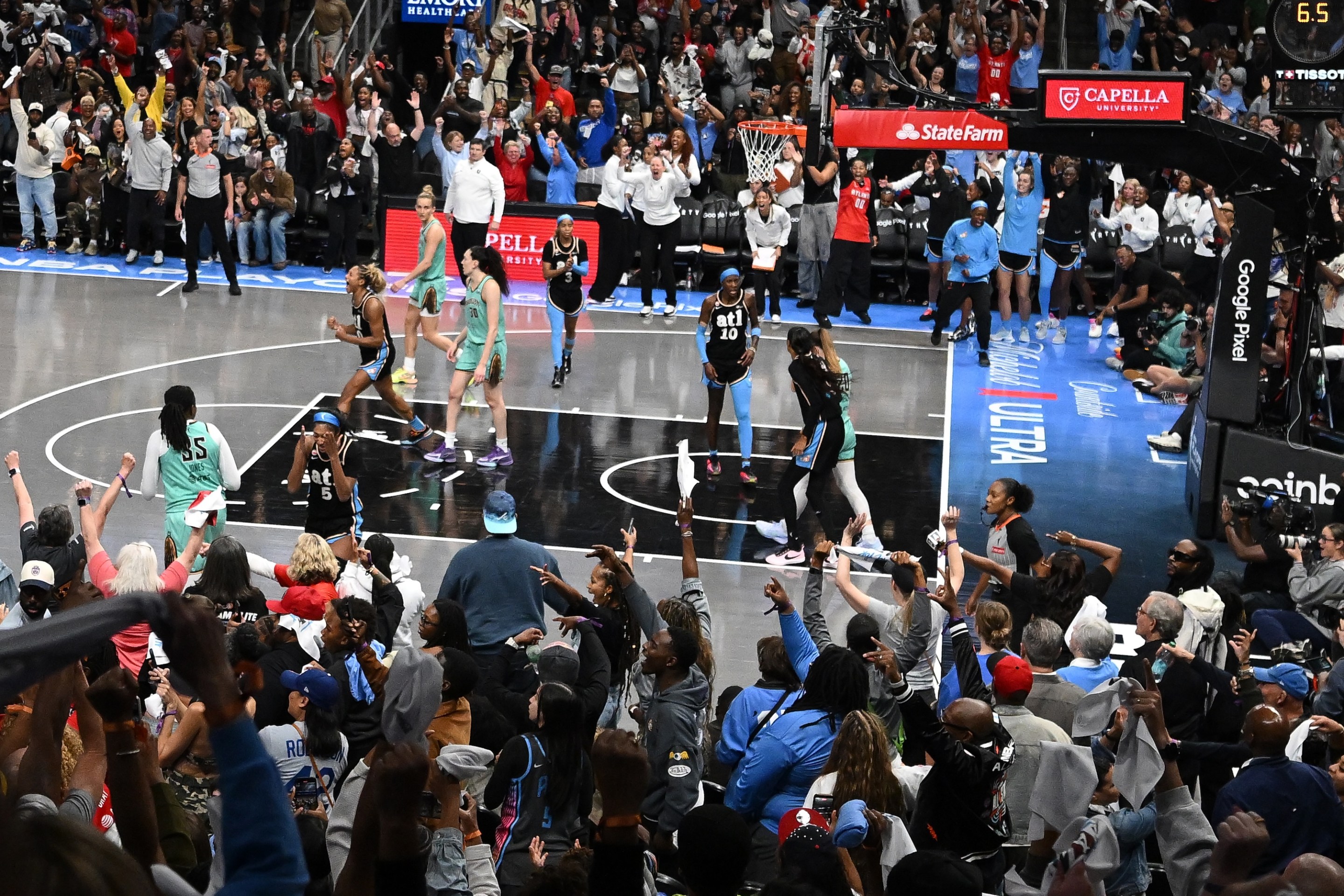


SAN FRANCISCO — Technically, every basketball game is zero-sum. An offensive rebound is a missed defensive rebound; a basket scored is a basket conceded. But you never feel that fact more acutely than in a game between the Atlanta Dream and the Golden State Valkyries, two teams built to chase the same advantages. The Valkyries' 68-64 win in the first game of the WNBA Finals on Saturday afternoon set up the central tension of this series: It isn’t really possible for Atlanta and Golden State to play well at the same time.
Or at least it isn't possible for them to look good at the same time. Saturday's low-scoring game felt more enriching than enjoyable. Call it cruciferous hoops. The two teams combined to shoot 46-of-142 from the field and 11-of-58 from three, making Game 1 one of the worst-shooting Finals games in league history.
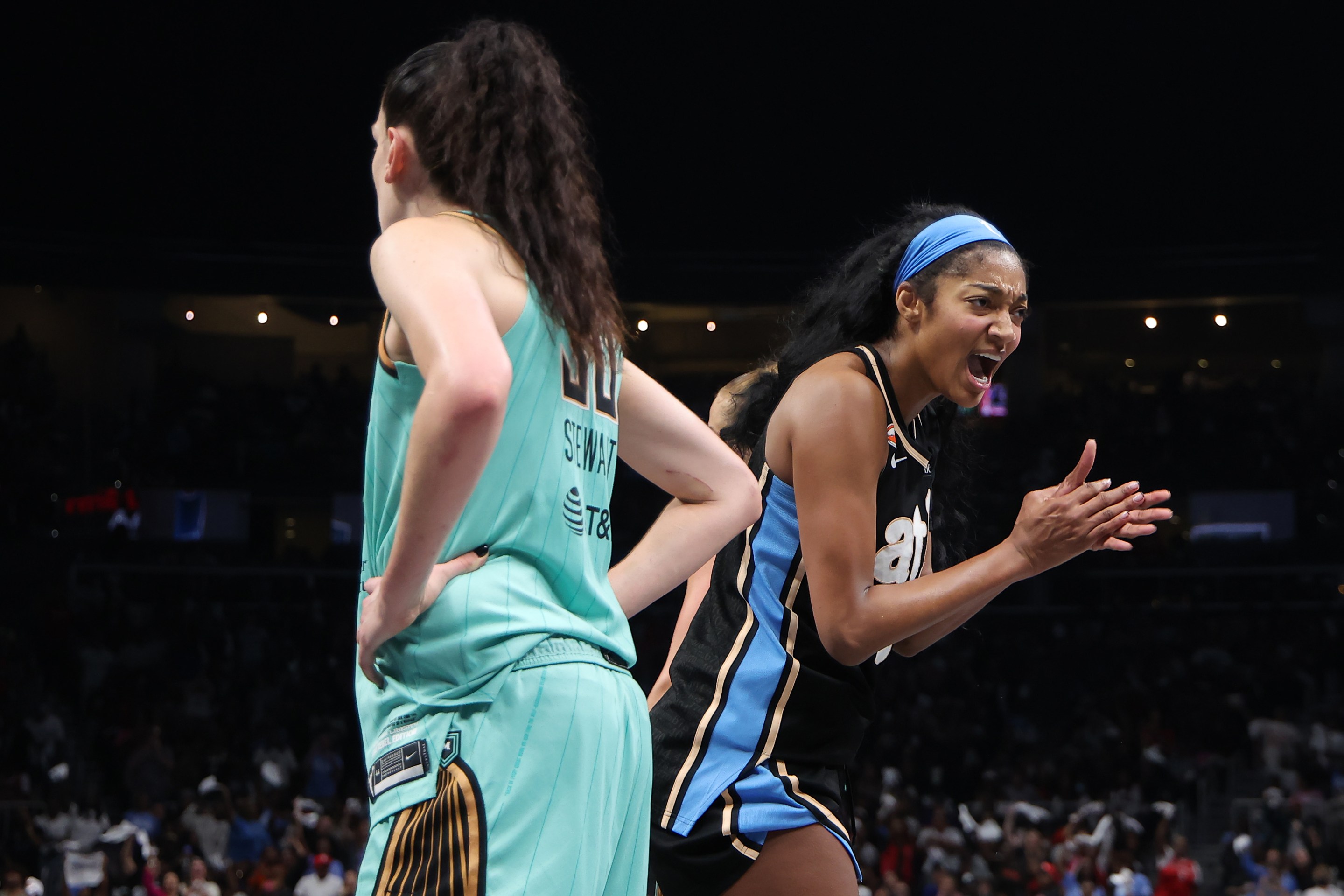
To some extent, this is what a Dream-Valkyries Finals has to look like. Each side had three players named to the All-Defense teams this year, accounting for six of 10 selections. Awards can get a little circular—voters tend to reward good defensive teams with more picks—but the defensive star power in this series is real. Rhyne Howard led the league in steals this season; Gabby Williams and Angel Reese are switchy, chaos-making rovers; rim protector extraordinaire Kiah Stokes keeps an almost hermetic commitment to only playing this side of the ball; and point guards Veronica Burton and Jordin Canada are the best defenders at their position.
When players spoke to the media on Friday morning, many of them said the series would favor the team who could “dictate the pace”—the basketball jargon-y way to say that these teams operate in rather distinct comfort zones. The Dream hope to avoid much time in the halfcourt. By offensive rating, they were only the sixth-best offense in the league this year, but they were the second-fastest, and their playoff run has been powered by generating turnovers and scoring on the fast break. The real jankiness of Golden State's halfcourt offense challenges the team’s sacrificial and egalitarian self-image, because they mostly seem happy to sit back and pray that Gabby Williams, Tiffany Hayes, and Kaitlyn Chen can win their iso reps. But they're a team still content to play at the slowest pace in the league. Something has to give. As Atlanta's Rhyne Howard put it in a TV interview postgame, “They forced us into a version of a game of basketball that we don’t play.”
The first two shots Williams brought up when she spoke to reporters postgame indicated that she knew exactly how this series is going to work. One came almost halfway through the fourth quarter, when the Valkyries were down 60-55 and the offense felt as hopeless as ever. Howard started to drive, lost her handle, and had to retreat outside a bit to get the ball back. By the time she realized Kaila Charles was closing in on her, it was too late for Howard to escape. Charles, a force off the Golden State bench in this game, yanked the ball from Howard and got back the other way for a layup.
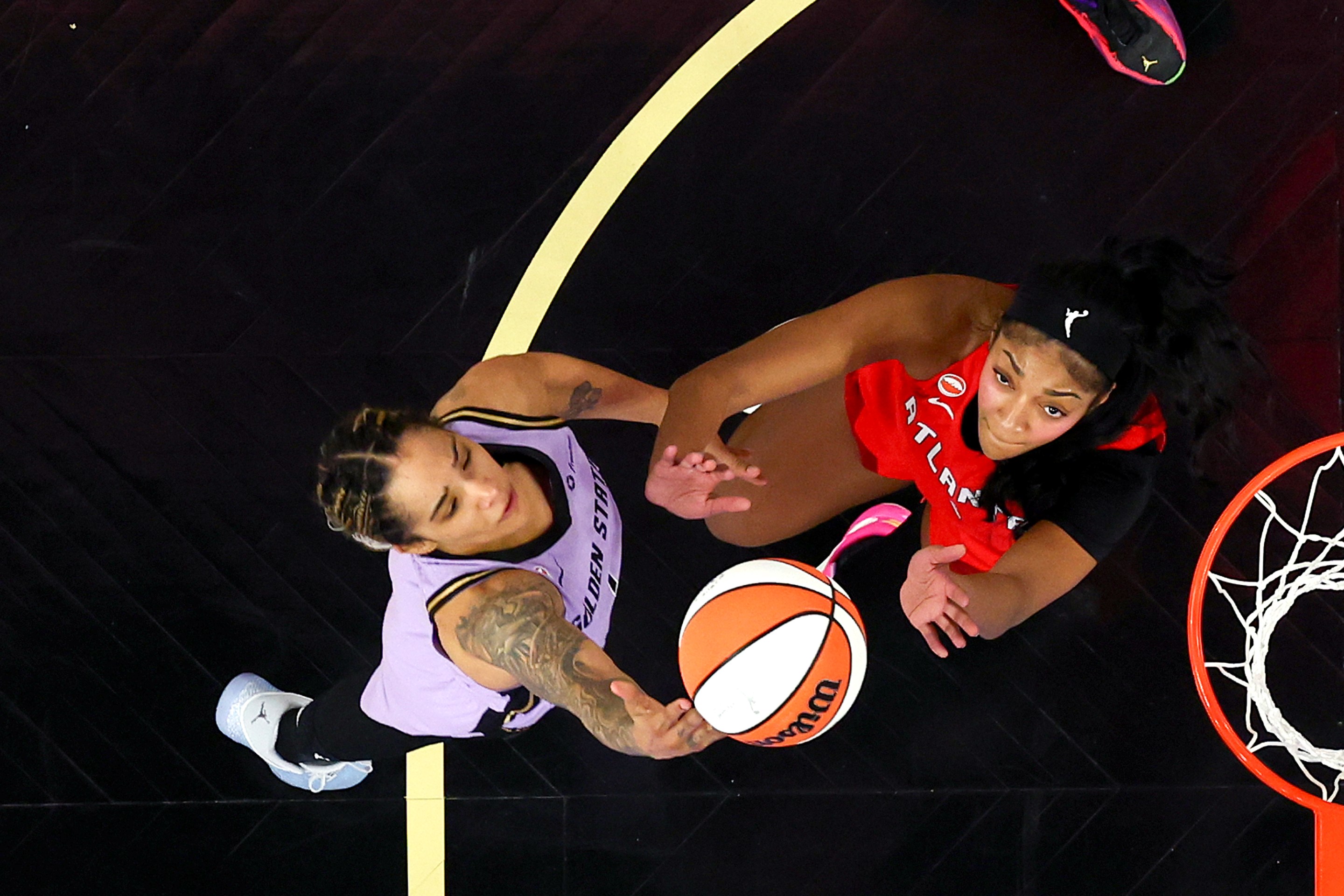
Later in the quarter, Williams missed a good look at the rim, but Stokes picked her up with a tip-in.
“When shots aren't falling, those are the kind of plays that are going to win these kinds of games,” Williams said. Not only are they the sorts of plays that set off the loudest building in the league, they're also just the plays that explain Valks ball. No matter how dire their offense gets, they always have ways back in.
But that isn’t untrue of Atlanta either. In Game 1, it was just the case that the Dream didn’t win the battles they’re accustomed to winning. The steals and deflections that accounted for their huge turnover advantages in the playoffs before Saturday were harder to come by against the league's least turnover-prone team. The Valkyries conceded only eight points off 10 turnovers; the Dream gave up 17 points off their 12.
The ideal team makes every shot. The Dream and Valkyries are realists. If we do play ugly basketball, they ask, what do we need to do to offset the ugliness? On Saturday, it was the Valkyries who bought themselves more room to work with. Though Atlanta’s 33 percent field goal percentage (puke!!!!) just edged out Golden State’s 32 percent shooting (puuuuke!!!!), the Valkyries put up 78 shots to Atlanta’s 64 and were a plus-five on the offensive glass. In a tight game with seven lead changes, everyone watching was left with an odd pair of feelings: that the team losing was lucky to be losing by so little and that the team winning was lucky to be winning at all.
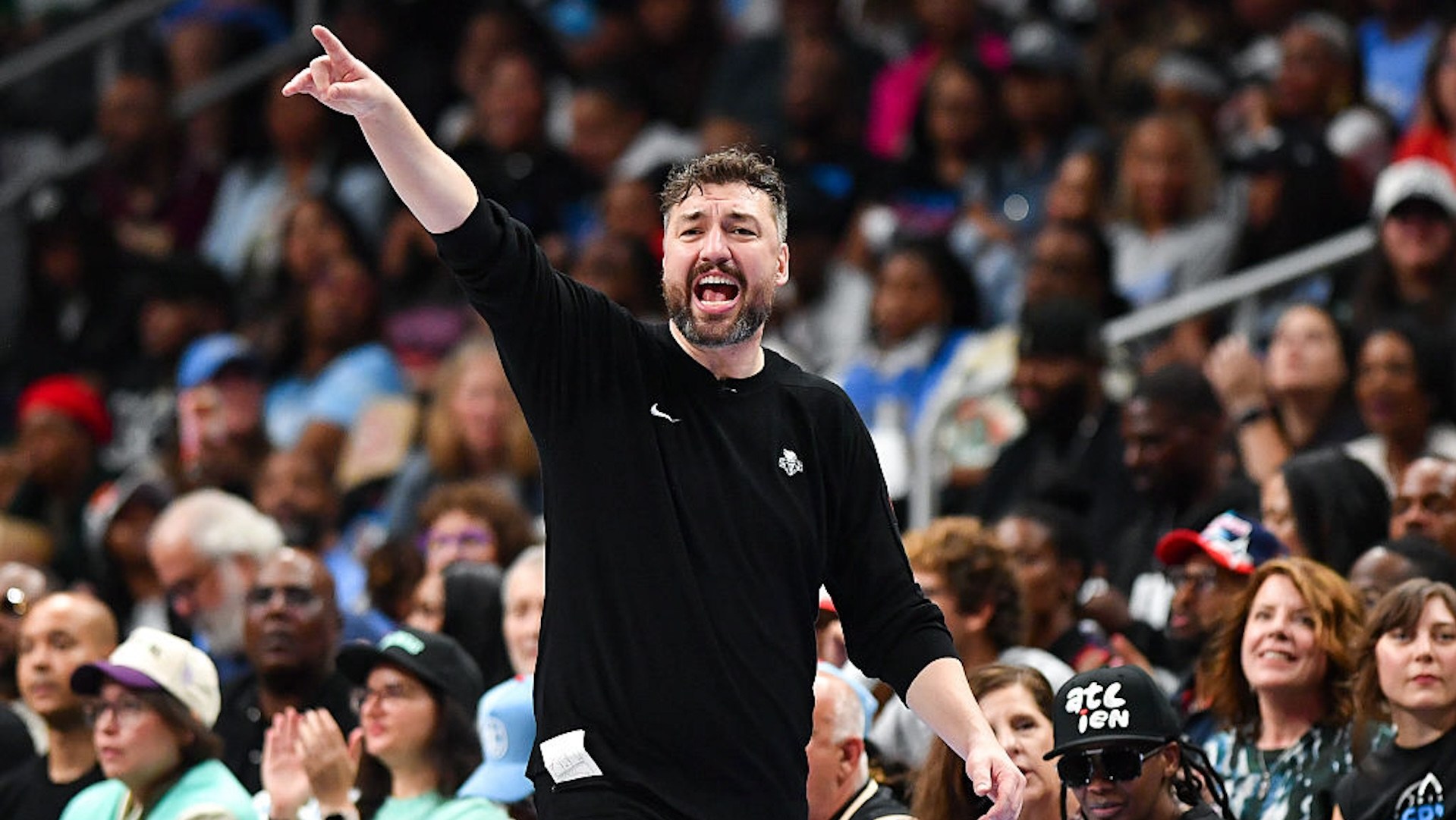
Atlanta's losses in the turnover and rebounding battles weren't for lack of trying, which might explain Dream head coach Karl Smesko's relative calm after the game. “I like the way that we approached things,” he said. Their hope is that they can wrangle this series back in Game 2, win the fights they want to, and play their version of basketball. But as the Dream's uninspiring final minutes showed, there is a battle this Golden State team will always win. Smesko played just seven players, leaning heavy on his starters. Valkyries head coach Natalie Nakase's rotation was 10 deep. If you're trying to insist on your way of doing things for 40 full minutes, it helps to have numbers on your side.