Finally, after 25 weeks, 1,230 games, 59-some-odd-thousand minutes and 280,000-ish points scored, the NBA's Preseason In Hell is over. Whatever awaits in the NBA playoffs, the world can at least approach it with the comforting knowledge that it won't have to look at or think about the Utah Jazz again until October.
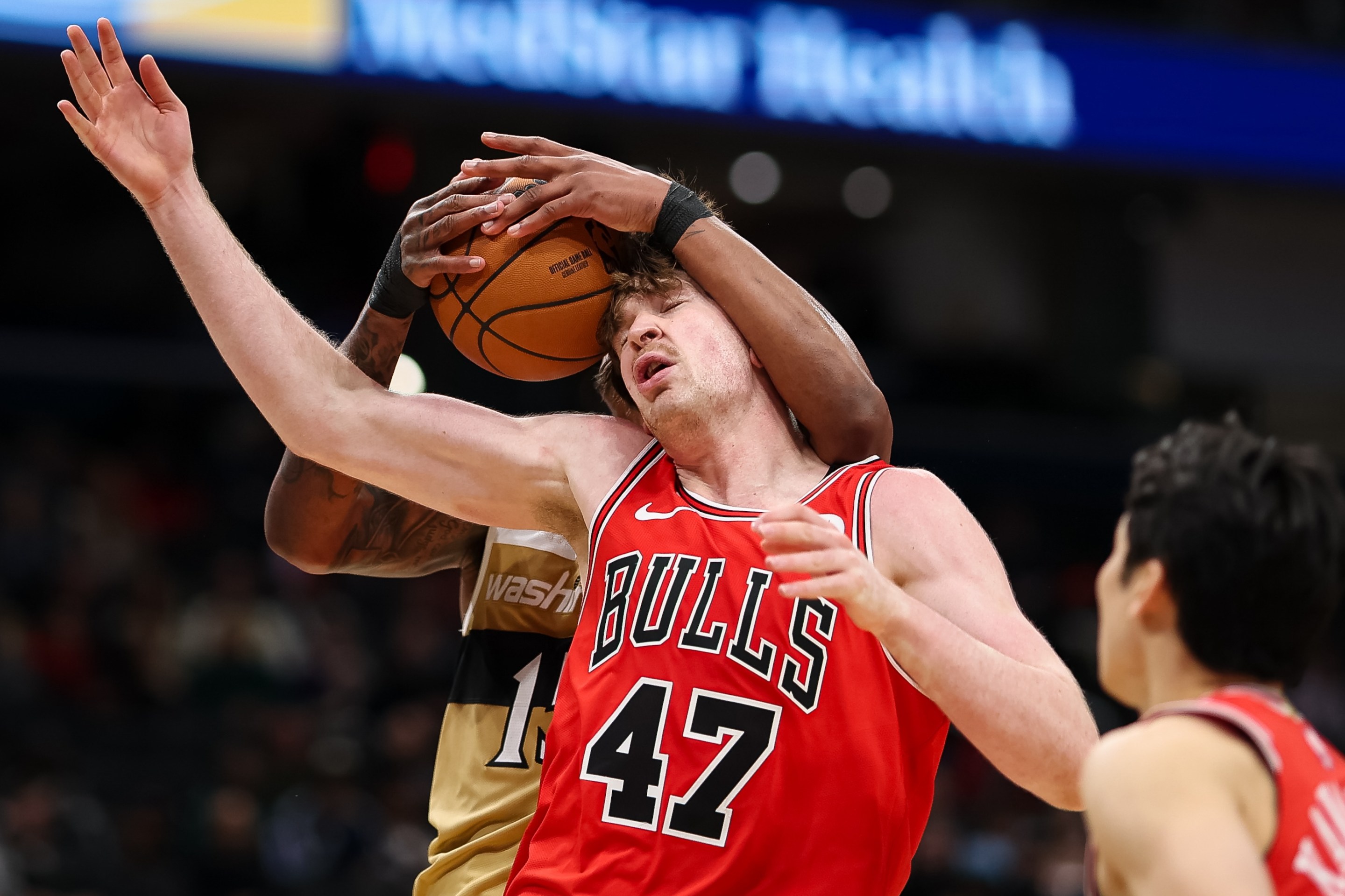
Or, for that matter, any of the NBA's other Tankin' Ten, who managed to elevate the art of insulting our collective intelligence to an almost unprecedented degree over the NBA's grueling 82-game prelude to the good stuff. For example, five of those tankers managed to rank among the 17 worst teams for defensive care in league history, and not because they couldn't master the arcana of the high pick and roll. Washington lost 25 of its last 26 games by an average margin of 16 points per game, an astonishing counter-achievement in its own right but also only part of the most aggressively unsatisfying anti-season in modern basketball history.
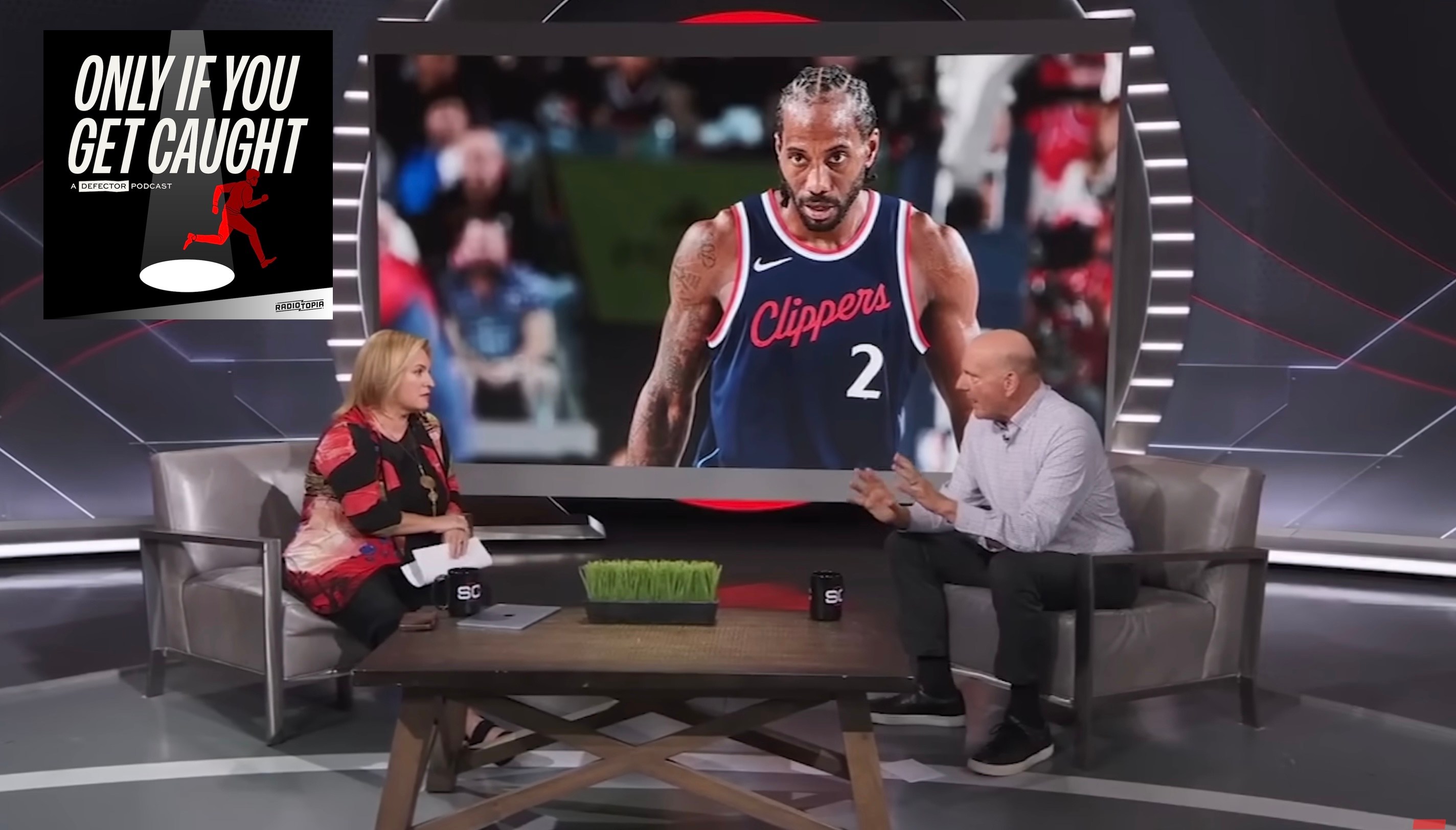
The fact that every team that could tank did so with such unnerving gusto, the high accumulation of injuries both real and contrived, the administrative ruination of postseason awards, the Clippers laughing at the salary cap and getting away with it, and the general sense of misery brought on by reading too much about the Los Angeles Lakers helped make it all a thoroughly dreadful slog. We make the same sense out of Doug Christie keeping his job in Sacramento that we do of Doc Rivers being fired in Milwaukee, which is none at all. The bottom of the league hijacked the top and has held a whoopie cushion to its ear from Christmas Day to now.
But now the actual season, the one we have been promised after the tsunami of distaste we have just survived, is upon us at last. It's just the play-in games—the second prong of Adam Silver's two-part plan to address schedule bloat by adding to it—but the games nevertheless carry with them the relief that the teams playing in them will not actively try to find a way to lose in hopes of securing a better draft choice that they will undoubtedly screw up. There are indeed some folks who feel like Golden State is a live underdog because Stephen Curry is finally back, even though their record very much suggests otherwise. Even that is more fun to think about than whatever was going on down the back stretch of the regular season.
Yes, hope is back after six months of master-planned despair, and after these at least nominally interesting preludes, the actual season you came to see is back. After what you've been through trying to outlast the NBA's festival of mopery, you can now engage the real work of enjoying the sport again, comforted at least a little bit by the knowledge that it might never be this bad again.
This assumes that the owners actually have a viable plan for attacking the tanking situation, which we of course doubt based both on the fact that the owners signed off on tanking as a corporate strategy a decade ago and the fact that NBA owners can't really be trusted for stuff like "viable plans" as a general rule. But there is also a sense that refusing to try in the NBA reached its zenith this year as part of American's ongoing culture war against ethical behavior. This puts a lot of pressure on the next two months to revivify NBA basketball as worthwhile entertainment, and there is, amazingly, only so much Victor Wembanyama and Nikola Jokic to go around, but at least now they are cavorting in a field of players and teams trying to excel. "Hey Everyone, We're Trying Again" is hardly a slogan that would inspire most customers, but it's what the NBA has got, given the situation it created for itself. That gives these playoffs a new and deeper meaning, but raises the stakes significantly beyond those on the court..
In short, the playoffs had better be great. And there had better be as many great games as there have ever been, because the sport has much to atone for in the next nine weeks. It needs as many seven-game series as it can muster, because sweeps are invariably tedious wastes of everyone's time; there are a maximum of 111 potential games left in the season, starting with Miami and Charlotte on Tuesday night, and the closer we get to that number, the better off we will all feel for having endured the six months of slop we just pushed around the plate and tried not to eat. The playoffs will need almost universal health after a season dominated by stars in civilian clothes. It needs a live underdog like Indiana was last year, and it needs a marquee team for everyone else to hate. It needs new teams to be lively and intriguing, and new names to make the old ones sweat for their survival. It needs the magic of new possibilities rather than the retelling of past verities. If Oklahoma City must win it all again, let's have them work for it as they did last year, right up until the moment that Tyrese Haliburton exploded.
In sum, it needs to be the best spring in the sport's history, because the fall and winter were just that remorselessly infuriating.
Of course, it doesn't work that way. The games are going to go how they're going to go, and nothing ever truly evens out. The excitement promised by the unknown all too often turns into the blancmange of reality because we are truly promised nothing. But there is at least this much—it can't get worse. At least not until October, when the new preseason begins and none of the promises to fix what ails the sport have been honored.