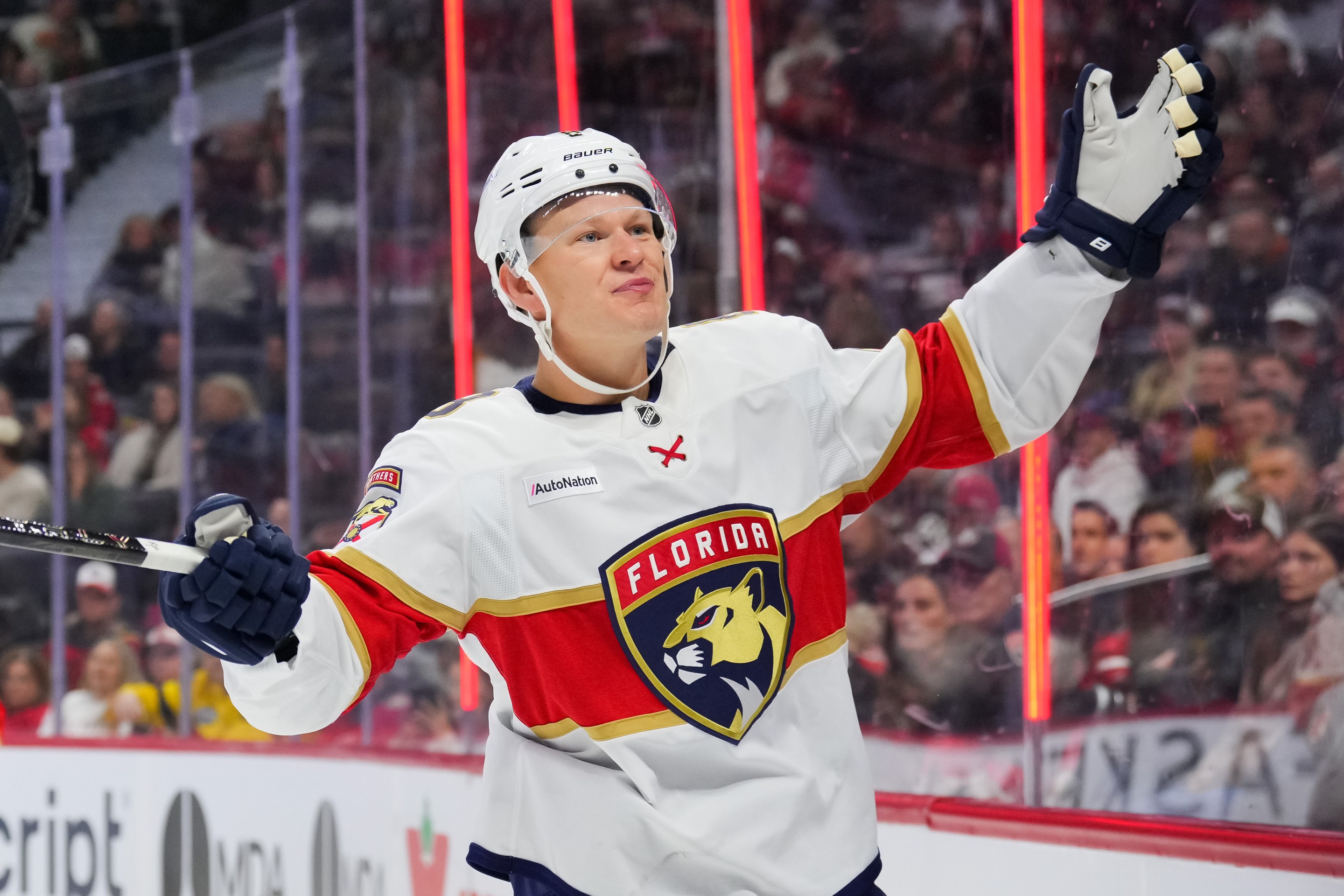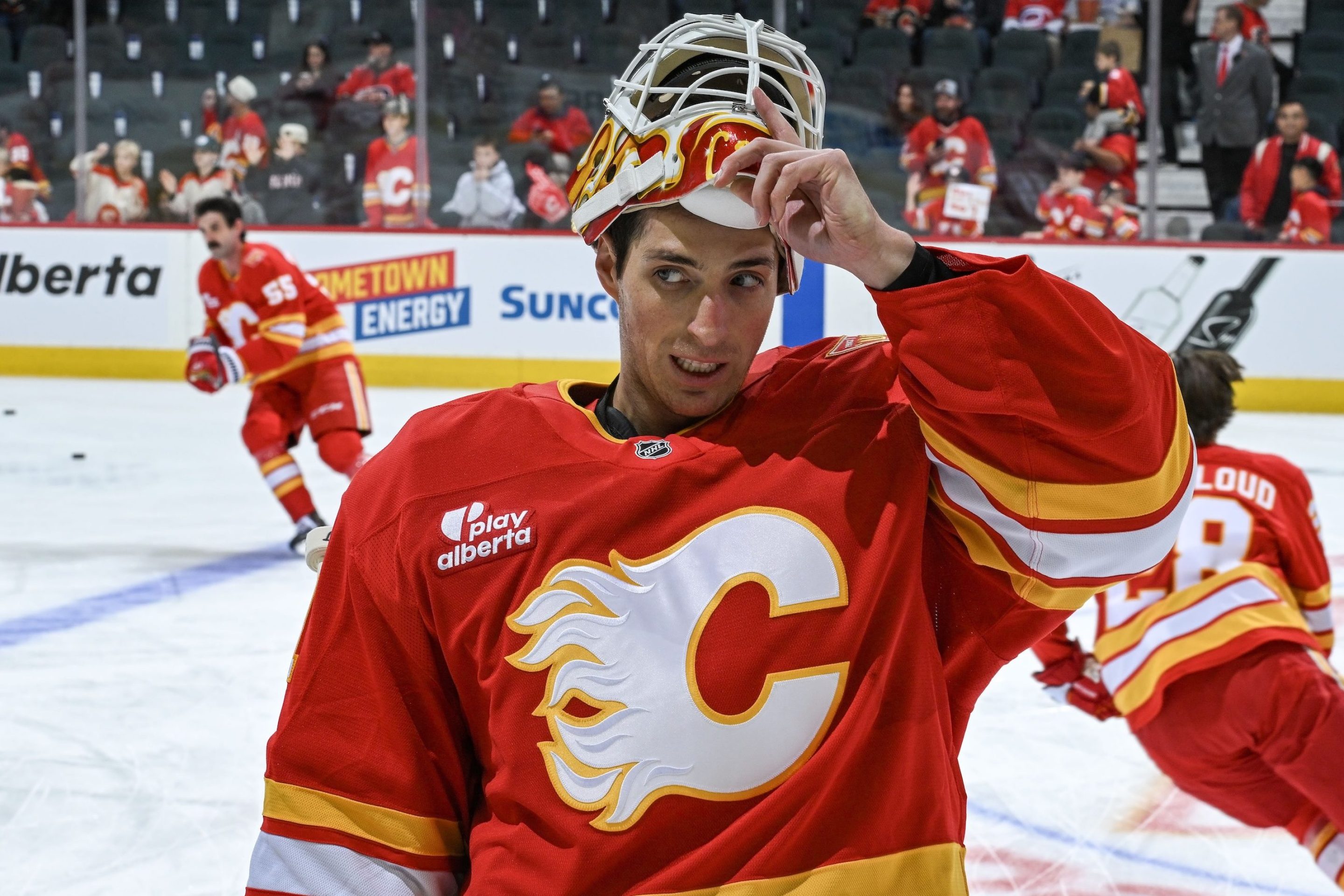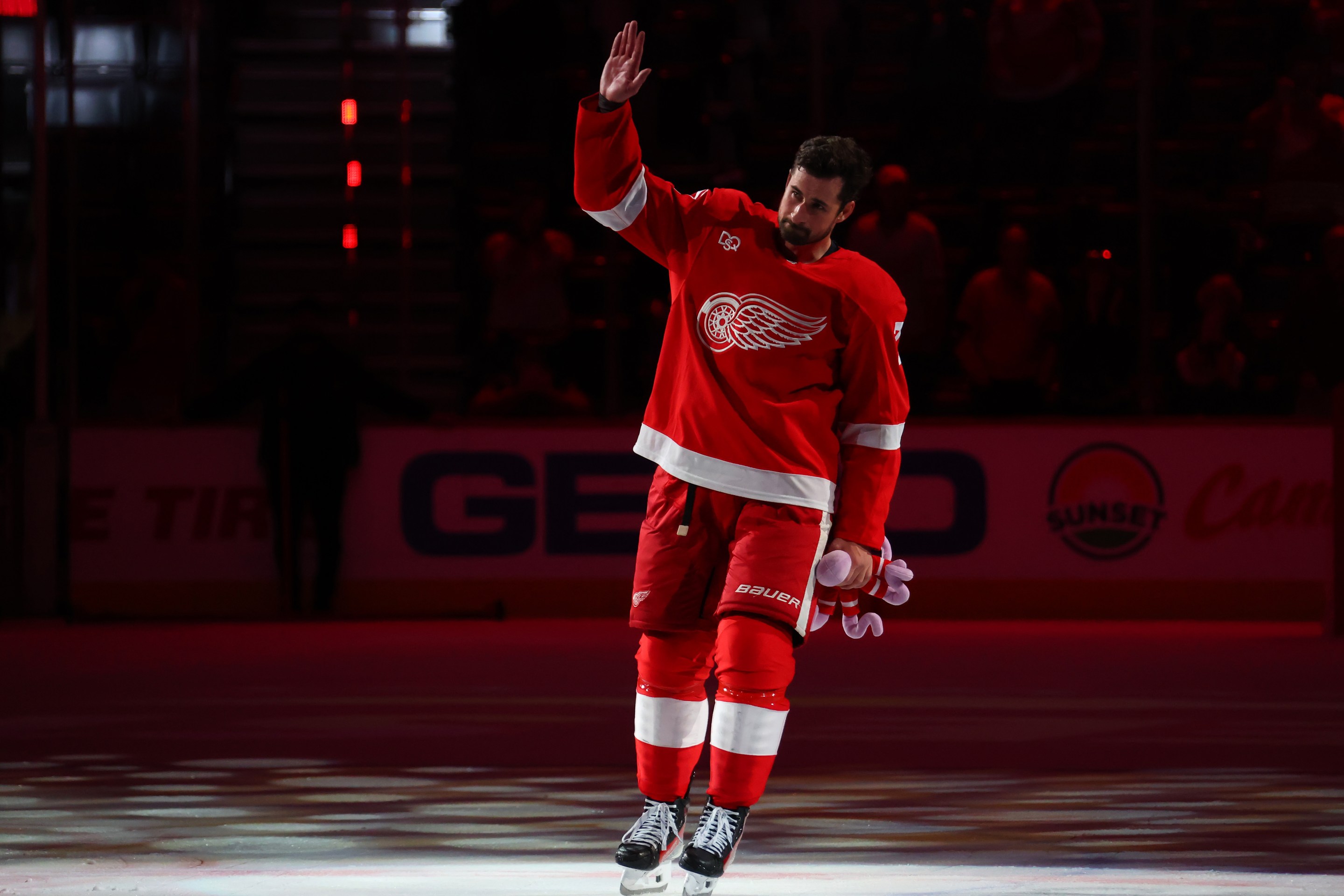
Hockey fights always feel a little absurd when their performativeness is laid bare. We know how it works, and why it's done, but crave permission to suspend disbelief. Just give us the smallest fig leaf of interpersonal dislike, and we'll buy it. But a move toward a safer and more peaceful version of the sport has, to the larger benefit, made those moments fewer and further between. We recently celebrated the anniversary of one of the big Red Wings–Avs brawls, and the genuine venom and intent to injure in those clips is jarring when compared with most modern-day fights, the most famous recent example of which was arranged on a group text.
But rituals can matter for their own sake, and for the social cohesion they provide. The original philosophical principle of performativity referred not to insincerity trumping intent—virtue signaling, in other words—but to the use of words or acts that actually bring something into being. How being pronounced man and wife makes them married, for example. Or how fighting an opponent who injured your teammate might tangibly strengthen the bond of your team. Not because you hate that other guy or because you want him to feel physical pain as punishment, but because that's what teammates are supposed to do.
Does the heavy "supposed to" of Monday's delayed Maple Leafs vs. Radko Gudas throwdown render it less genuine? I don't know! It's all very fraught and on some level not really measurable from the outside, because if the bond is the thing rather than revenge, it's not something I can see or measure. But the epistemology of a hockey fight becomes even more confusing when one party doesn't bother fighting back, and just stands there and eats the punches due.
The Maple Leafs were flayed in the media and by fans for not seeking immediate revenge on Gudas, who injured Toronto captain Auston Matthews with a dirty knee-to-knee hit earlier this month. Matthews is done for the year, and Gudas was suspended for five games, which wasn't enough. But the real outrage was that the game continued without the entire Leafs bench spending every remaining minute going after Gudas. Soft, they were called, or insufficiently loyal, or lacking the fire of a winner or whatever. All this stuff is code for the accuser's own personal psychocompetitive hangups. But Gudas was penitent, and despite a lower-body injury that put him in a walking boot and kept him out of the Ducks' game this weekend, he made a point of suiting up for the first Ducks-Leafs rematch since the Matthews injury. He had medicine to take.
“I’m standing behind my own mistakes," Gudas said at Monday's morning skate. "I want to address it myself. That’s one of the reasons. Hundred percent. One of those games where I have to play.”
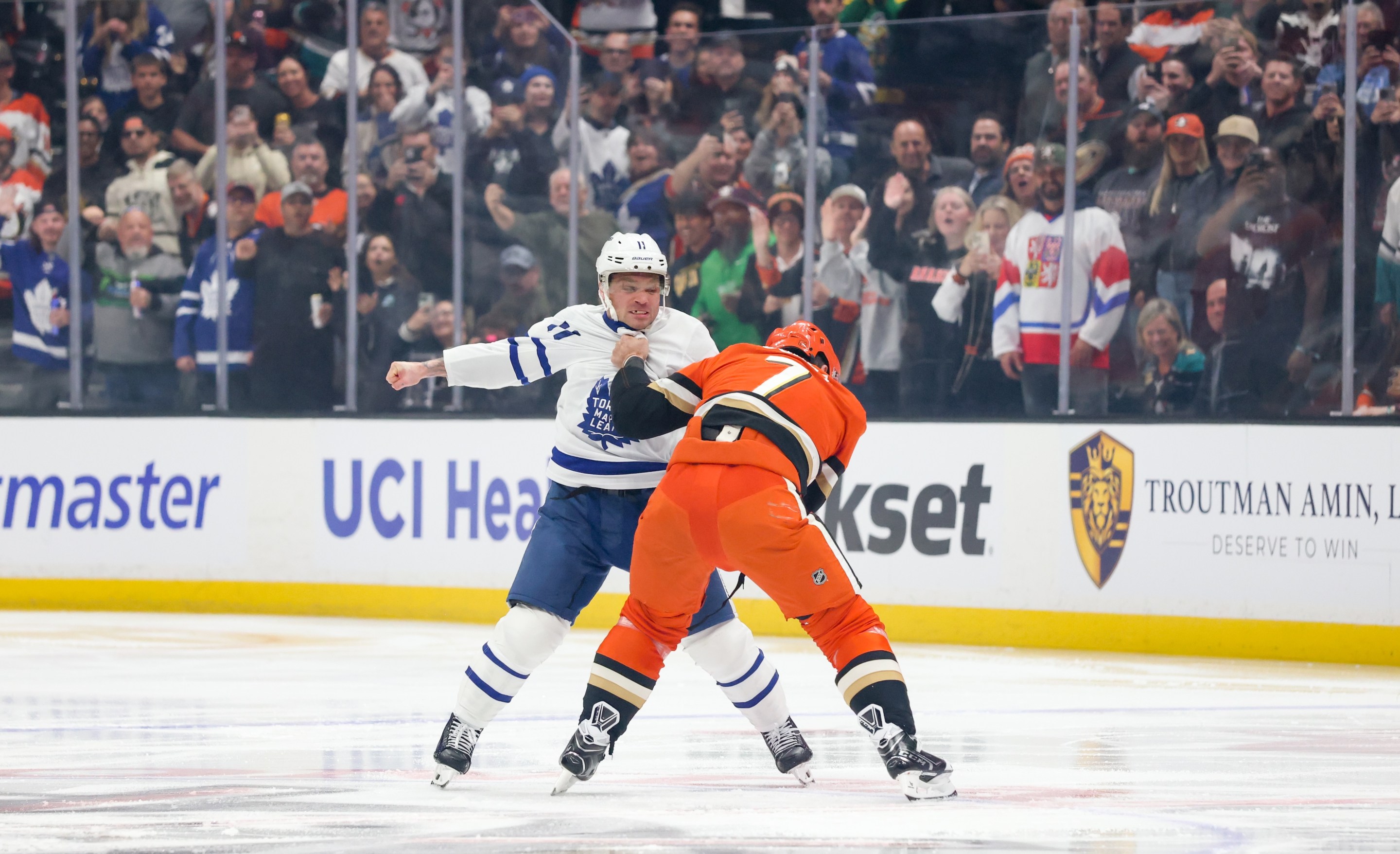
Everyone knew what was up here. Gudas was out there for the opening faceoff, as were assorted Leafs tough guys who had spent the last two weeks hearing about how useless they were if they weren't going to punch the guy who harmed their captain. Max Domi got the honors, and clinched with Gudas, and Gudas did not throw a single punch. He just stood there and took it.
Gudas spent more time in the penalty box than on the ice, just seven minutes of TOI to avoid aggravating his very real injury. Michael Pezzetta went after him and got a game misconduct for roughing. Domi went after him again in a net-front scrum. Domi also got sent to the showers after fighting with Anaheim's Pavel Mintyukov in the second period, which was the end of it because now Anaheim had stuck up for its captain; there were no more shenanigans after that. Points had been proven and damage localized. Ducks coach Joel Quenneville had said before the game he knew things were going to be nasty, but urged everyone to "be smart about it.” The last thing anyone wanted was for anyone else to get hurt, which is sort of a silly thing to say about a planned punch-a-guy-in-the-face show.
So the Leafs won in overtime, and also fired their GM a few hours earlier, and Gudas has been suitably battered for his effrontery. Their honor has been satisfied. The vibes are better in Toronto for a day. Does it mean anything real? Matthews won't be healthy any sooner because of it. The Leafs roster won't be any more talented, tomorrow or next season, because of it. Gudas's CTE chances went up some fraction, but I don't believe that he'll be any less aggressive when he lines up his next hit, or that the Leafs' next opponent will shirk from playing rough against them. It all feels a little hollow.
But then, Leafs fans are happier for a day or two, and the whole point of the sport is entertainment, right? That's a real thing. So is any lightening of the mood in the Toronto dressing room, or any relief that individual Leafs feel from no longer being yelled at. Rituals matter even just to avoid the keenly felt awkwardness of their absence. It's not always logical, but punching rarely is.