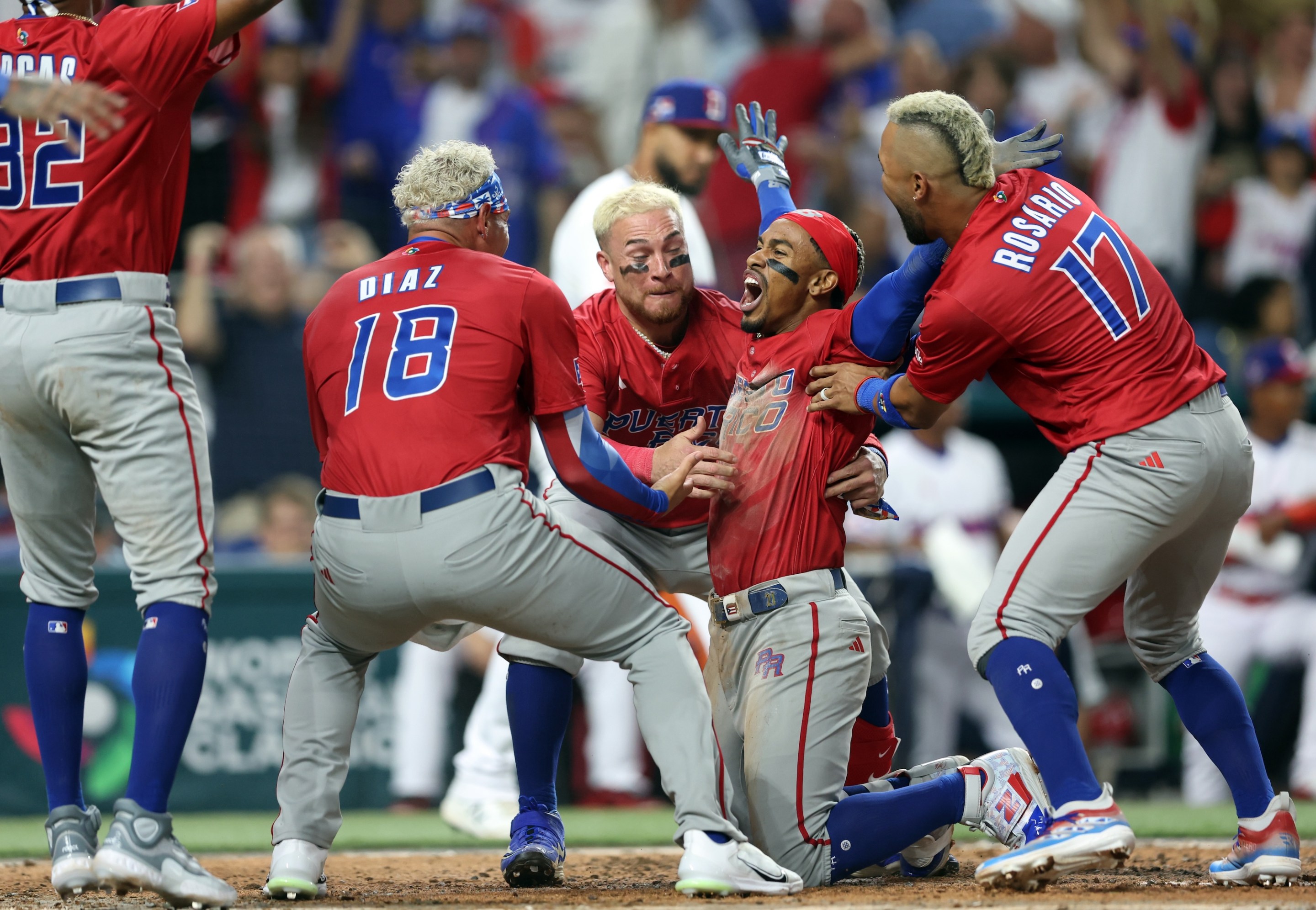
The World Baseball Classic, gearing up for its sixth iteration, is still trying to find its footing as a true, best-on-best international tournament. It wants to be the FIFA World Cup, but everything wants to be the World Cup and nothing is, besides the World Cup. It would probably settle, right now, for being the Four Nations Face-Off: a respectable simulacrum of a tournament that makes a lot of money for its organizers and stumbles into some excellent late-stage games. Instead, the 2026 edition is starting to look a little more like the Pro Bowl: something that feels like an exhibition above all else, and is equally notable for who's not playing.
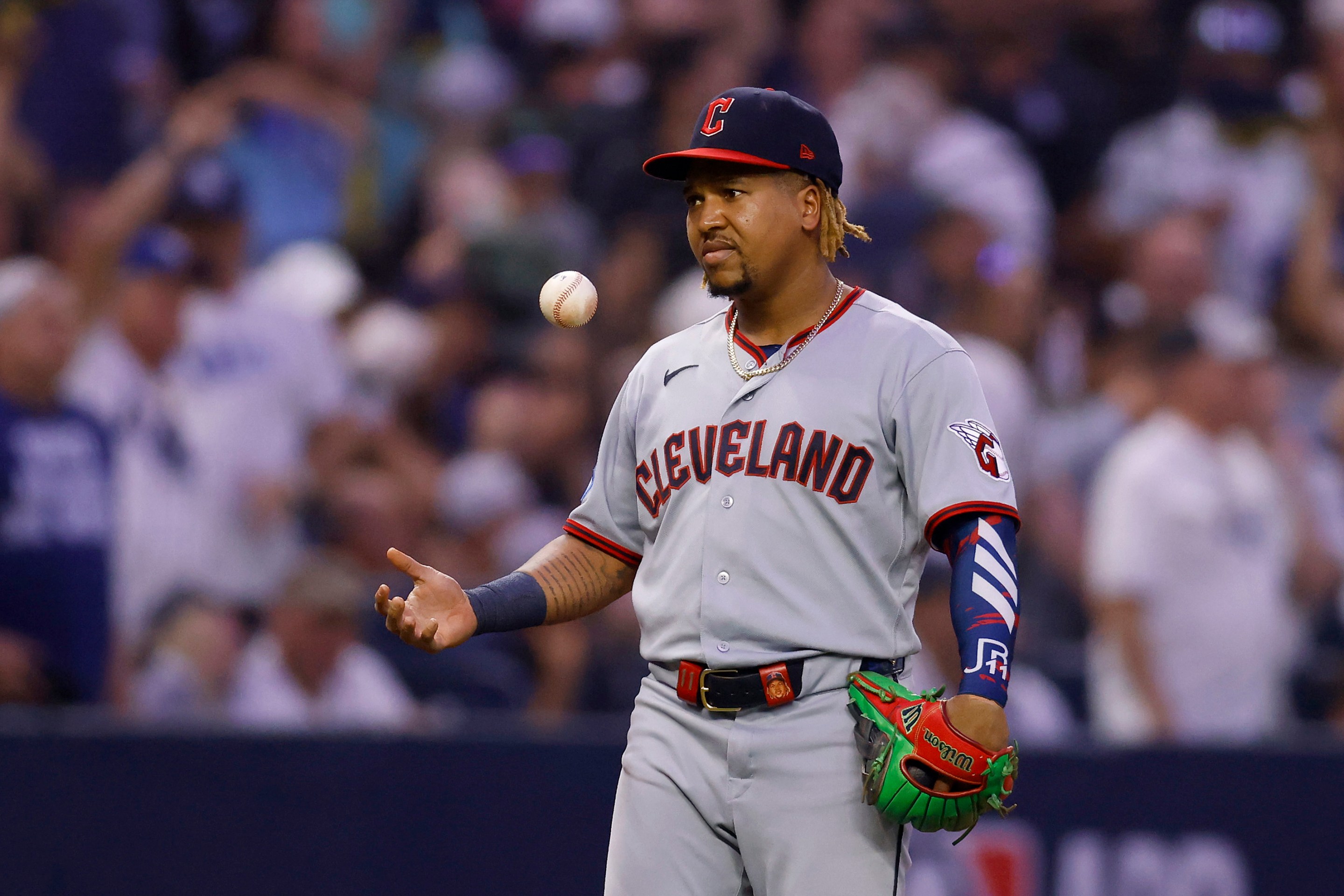
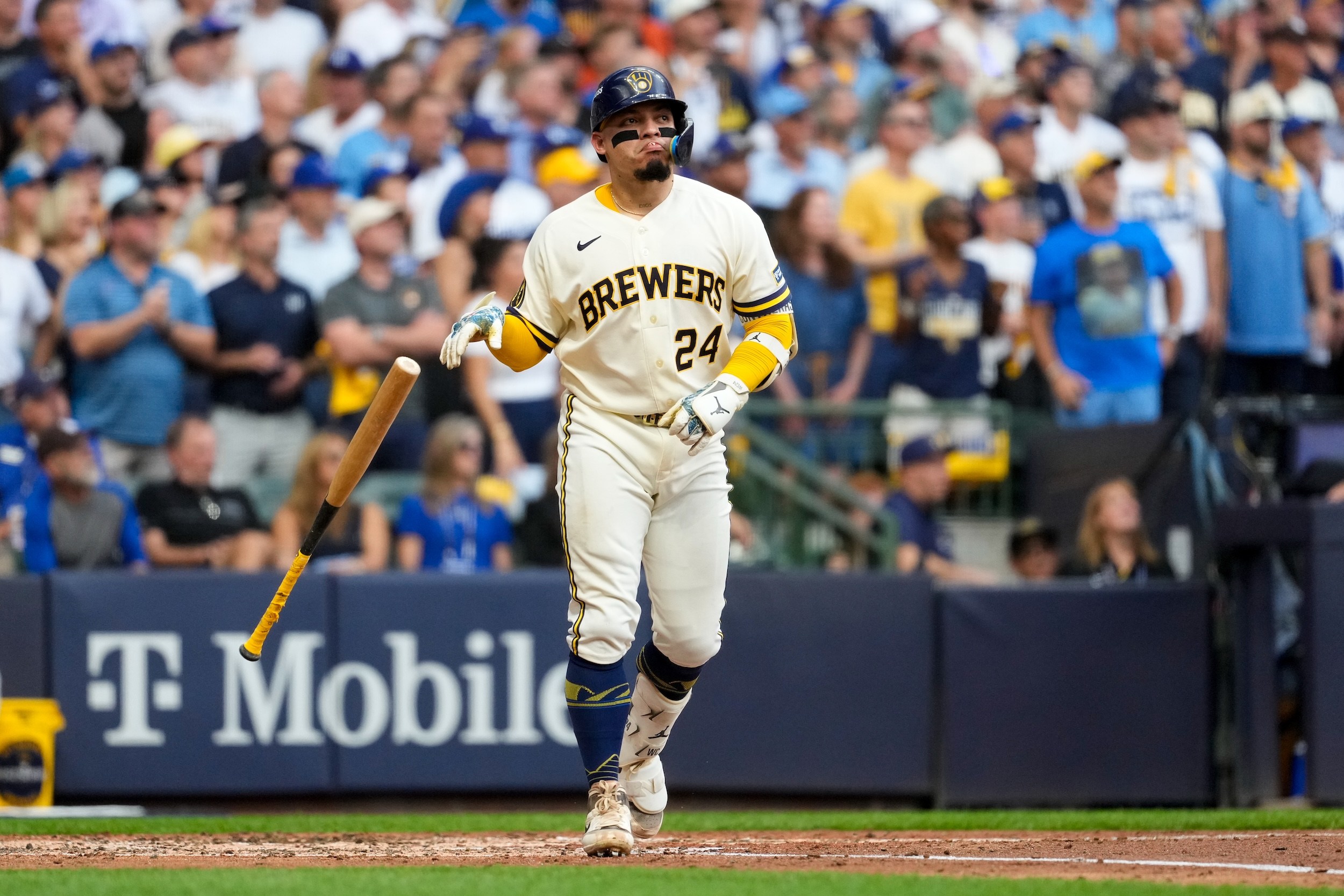
What's a Team Venezuela without Jose Altuve? What's the Dominican Republic without Elly De La Cruz? Puerto Rico without Francisco Lindor and Carlos Correa? Those are just some of the bigger names who won't be participating in the WBC, because they were denied insurance coverage.
Team Puerto Rico has been particularly hard-hit, learning this weekend—a month before the tournament starts in San Juan—that at least eight of its players have been denied insurance and will be unable to play. Given the relatively late notice, Team PR is leaving open the possibility of withdrawing from the WBC altogether.
“That option [of withdrawing] is on the table,” Joey Sola, Team Puerto Rico’s operations manager, told The Athletic. “It obviously will depend upon if we can figure out the substitute players.”
National Financial Partners, a partner of MLB, is the insurance provider for the World Baseball Classic. It covers players' MLB salaries in case of injuries suffered during the tournament, to be paid to those players' MLB teams for any time they miss. The policies are purchased by the WBC itself, which is co-owned by MLB and the MLB Players Association.
But why has this become such a hurdle now, 21 years into the existence of this tournament? According to The Athletic, insurance policies are more expensive, and being denied coverage is more common, due to high-profile injuries suffered during the 2023 WBC, including Altuve and Edwin Diaz. Older players and those with chronic injuries have previously been considered "uninsurable," but that group has apparently become even more inclusive. Lindor, for example, had some cleanup surgery done on his elbow in October and is expected to be ready for spring training, but that's enough to make him uninsurable.
MLB teams can still give permission to uninsured players to compete—they've done it before, notably the Tigers with Miguel Cabrera in 2023—but most owners will not. De La Cruz, who battled a quad strain in the second half of last year, was denied insurance, and then asked the Reds for permission to play in the WBC anyway, but was refused.
The age limit for eligibility has also been lowered, to 37. The Dodgers' Miguel Rojas turns 37 later this month, and so cannot get insured and won't play for Venezuela. He's not happy about it. "It's really tough," Rojas said last month. "I just wanted to be available. If something happened and I'm not part of the team in the first round, I can replace one of the players. I can be there for practice. I just wanted to be there and just wanted to be available for my country."
The MLBPA put out a statement this weekend calling the situation a "disappointment." The Pan American Baseball Confederation, the governing body of baseball in the Americas, issued a statement urging the involved parties to find a solution that allowed players to play. Indeed, The Athletic reports that attempts are being made to renegotiate the status for affected players, and two previously uninsurable Puerto Rico players have received insurance policies.
What we have here is a situation that satisfies no one—not the players, not the national teams, certainly not the fans. Well, almost no one. MLB owners are understandably cool on the prospect of losing a well-compensated employee to injuries suffered off the clock and still having to cover their paychecks. But are they really off the clock? MLB co-owns the World Baseball Classic, which means owners share in the tournament's revenue. Potentially, there's a world in which the WBC grows to become a true mega-event, and a real moneymaker for MLB, the players, and various national leagues and governing bodies. But it's not going to reach that point if it can't be taken seriously as an event, and it won't be taken seriously until the best players are invariably representing their countries.