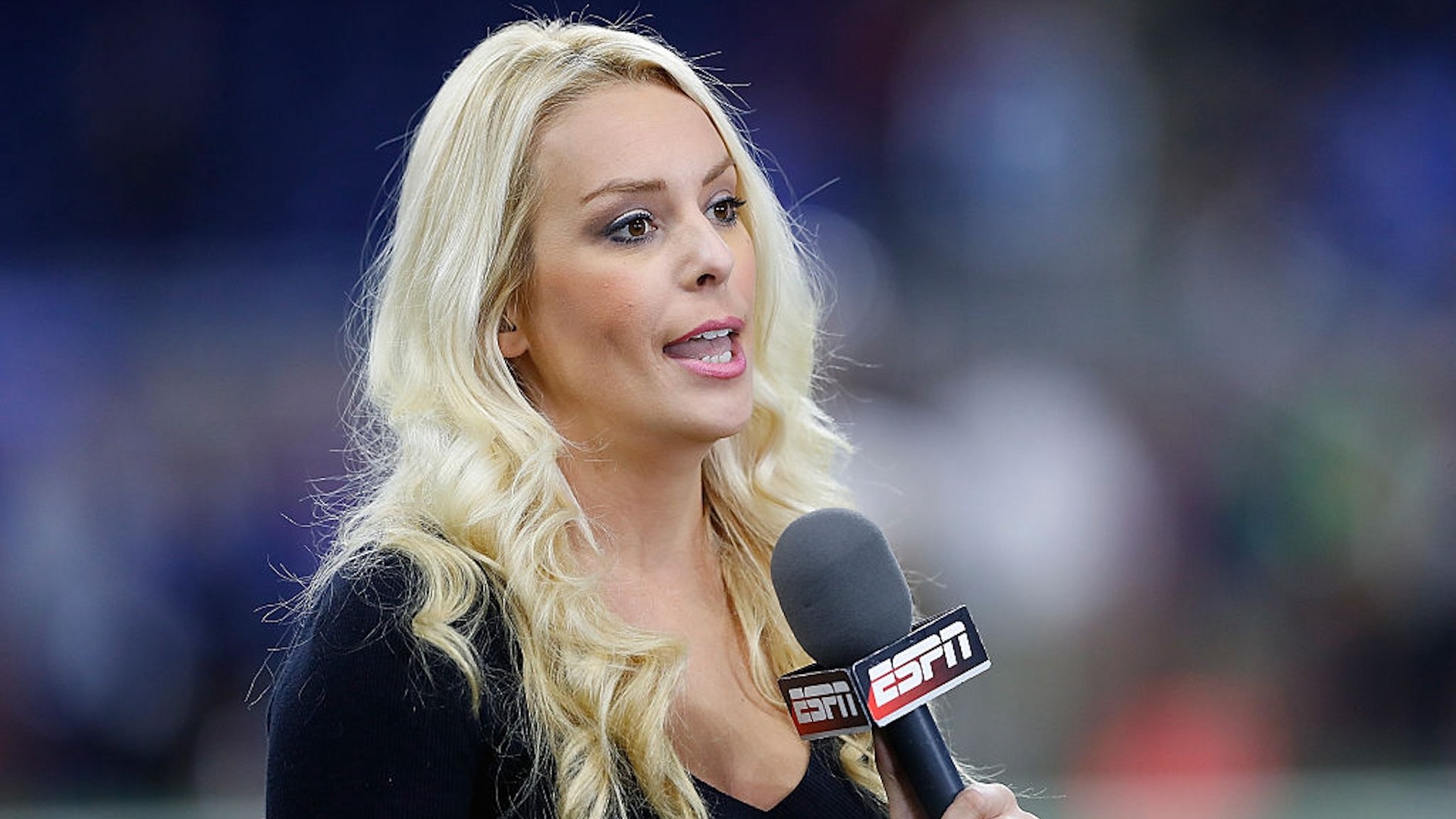
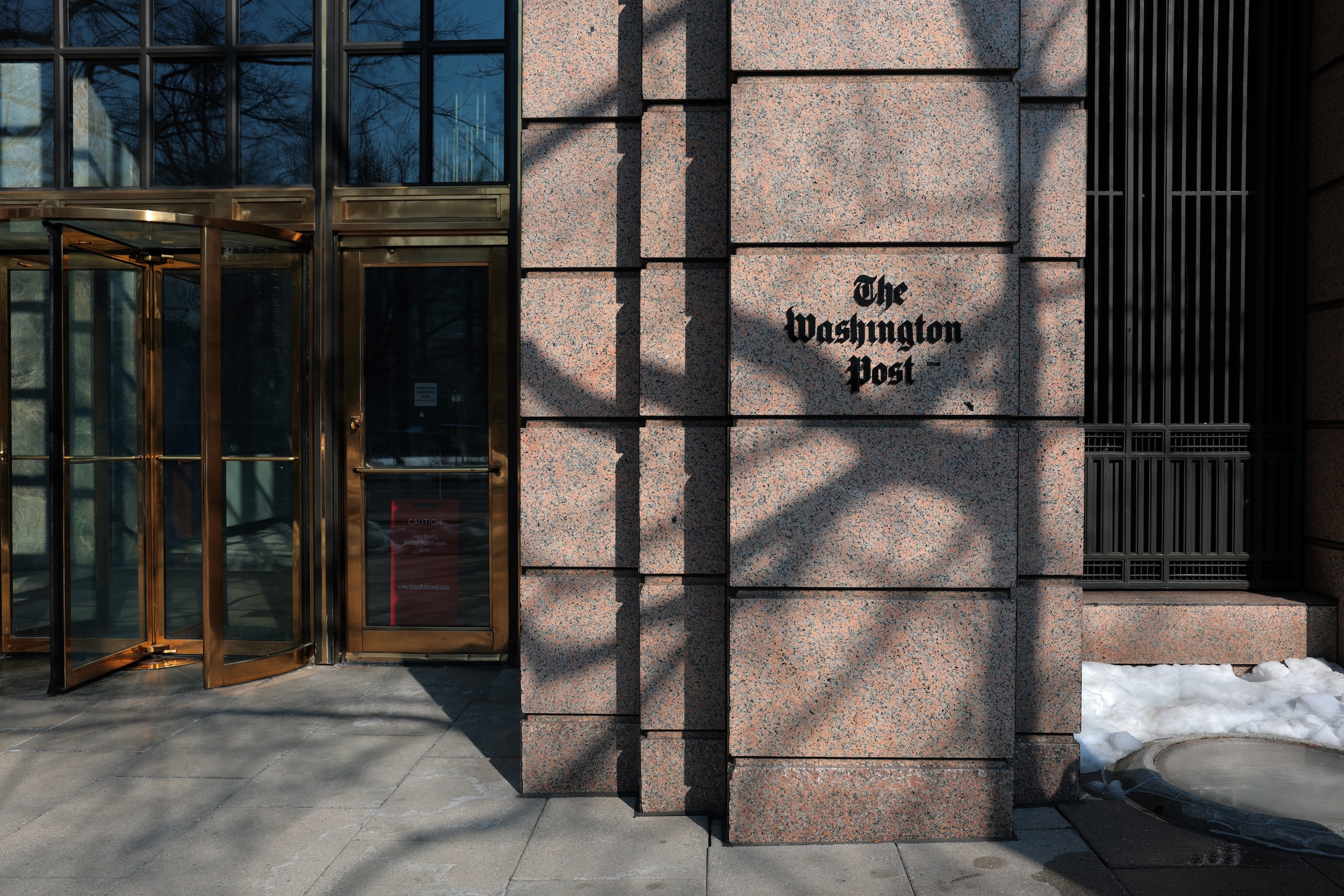
The Washington Post is being gutted. Jeff Bezos, one of the handful of wealthiest people on the planet, is through pretending to be a conscientious steward of the 150-year-old newspaper, and is now radically remaking it into what could only seem appropriate to a profoundly incurious and patriarchal investor freak. The Post is wiping out its Books section, functionally euthanizing a once-proud and robust Sports section, downsizing dramatically its international operation, and restructuring an already neglected and starved Metro section, amid deep and disfiguring cuts to the paper's editorial staff. A Post worker who was laid off Wednesday told Defector the paper is cutting more than 300 people from its newsroom. The cuts extend beyond editorial: In all, a whopping third of Post staffers are being shoved out onto the street.
For all of his grandstanding horseshit, Bezos has pretty quickly lost interest in operating a publication that might ever, even by accident, express or defend or otherwise illuminate ideas that oppose his own. Less than a year ago, he abruptly remade the Post's Opinion section, narrowing its focus to the defense of personal liberties and of free markets, and refusing to allow "viewpoints opposing those pillars" to appear henceforth inside his newspaper. Anyone with the brain cells necessary to produce a thought more nuanced than goo-goo-ga-ga considered this devastating to the paper's credibility, there being, after all, plenty of room for considered critiques of libertarianism and capitalism. But the more painful blow to the Post's business, in terms of lost subscription revenue, came months earlier, in October 2024, when the Post broke with tradition and declined to endorse a candidate in that year's presidential election. Though this was defended by CEO William Lewis, hysterically, as "character and courage in service to the American ethic," the Post itself reported that a planned and drafted endorsement of Kamala Harris was axed by Bezos himself. That decision led to 250,000 cancelled subscriptions.
These could be thought of as failed business decisions. But considering these maneuvers, including today's, as matters of business—even for the fleeting shit-hearted thrill of depositing them on Bezos's doorstep like a flaming bag of turds—extends to Bezos the misguided presumption that he is operating in anything like good faith. He did not buy the Post to make money. He does not need money; he was already so overwhelmed with surplus wealth back in 2018, a full five years after he purchased the Post, that he could no longer imagine ways of spending it on this planet. In April, Bezos spent more money than you will earn in your lifetime to send his girlfriend on an 11-minute thrill ride. The Post, once a vital journalistic institution, is simply a thing he owns, and even after having steadily warped it beyond recognition, it continues to behave in ways that do not suit his interests. Because he is a centibillionaire and thus accountable to not one single person or entity on Earth, he gets to divert institutions for the pursuit of his own interests, even to the extent of utter destruction.
In a long and messy Wednesday memo to staff, reported in full by Max Tani of Semafor, Post executive editor Matt Murray referenced recent cost-cuts, buyouts, and periodic "constraints" on spending caused by the paper's ongoing "financial challenges." These challenges, says Murray, require that the company "reinvent our journalism and our business model with renewed ambition." The memo is short on specifics, but it does include this crazy-making passage:
Some of you have heard me ask how we can shrink the gap between some of what we create in our newsroom during the day and what we—and our children, families, and friends—consume at night.
Today's actions are about addressing those questions, forcefully, to reinvent The Washington Post for this new era. This work is difficult, but it is essential. The Post is a necessary institution, and it must remain relevant.
This is a reduction, not just of staffing and coverage but of self-conception and of purpose. Journalism is not supposed to struggle at the task of competing with primetime entertainment; its value is inherent, whether or not families and friends prefer watching Netflix at 7 p.m. over reading the newspaper. Making money at journalism isn't so very hard. The Post's problem is how to satisfy a bored and unaccountable demigod while describing the world as it is, a task that turns out to be definitionally impossible.