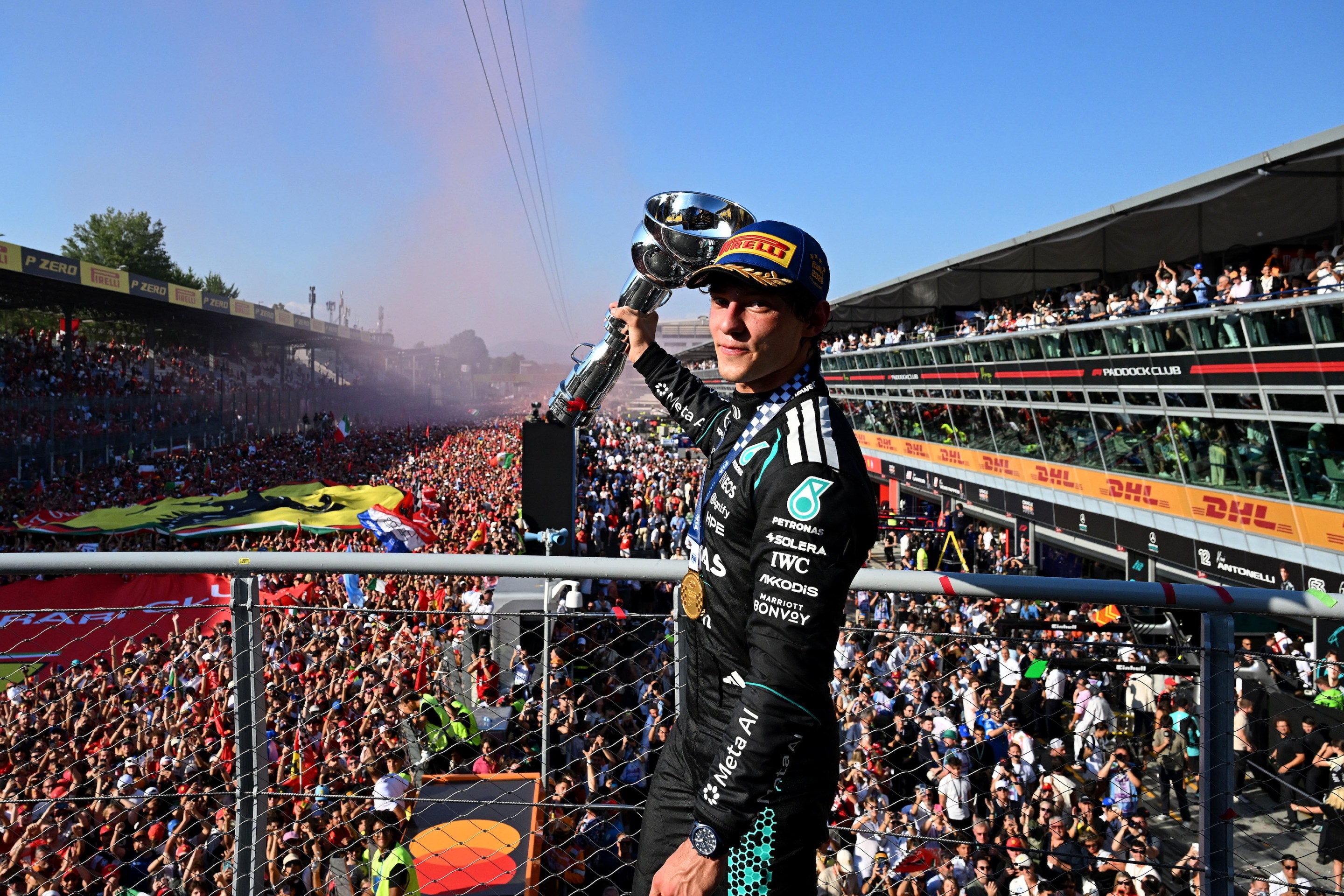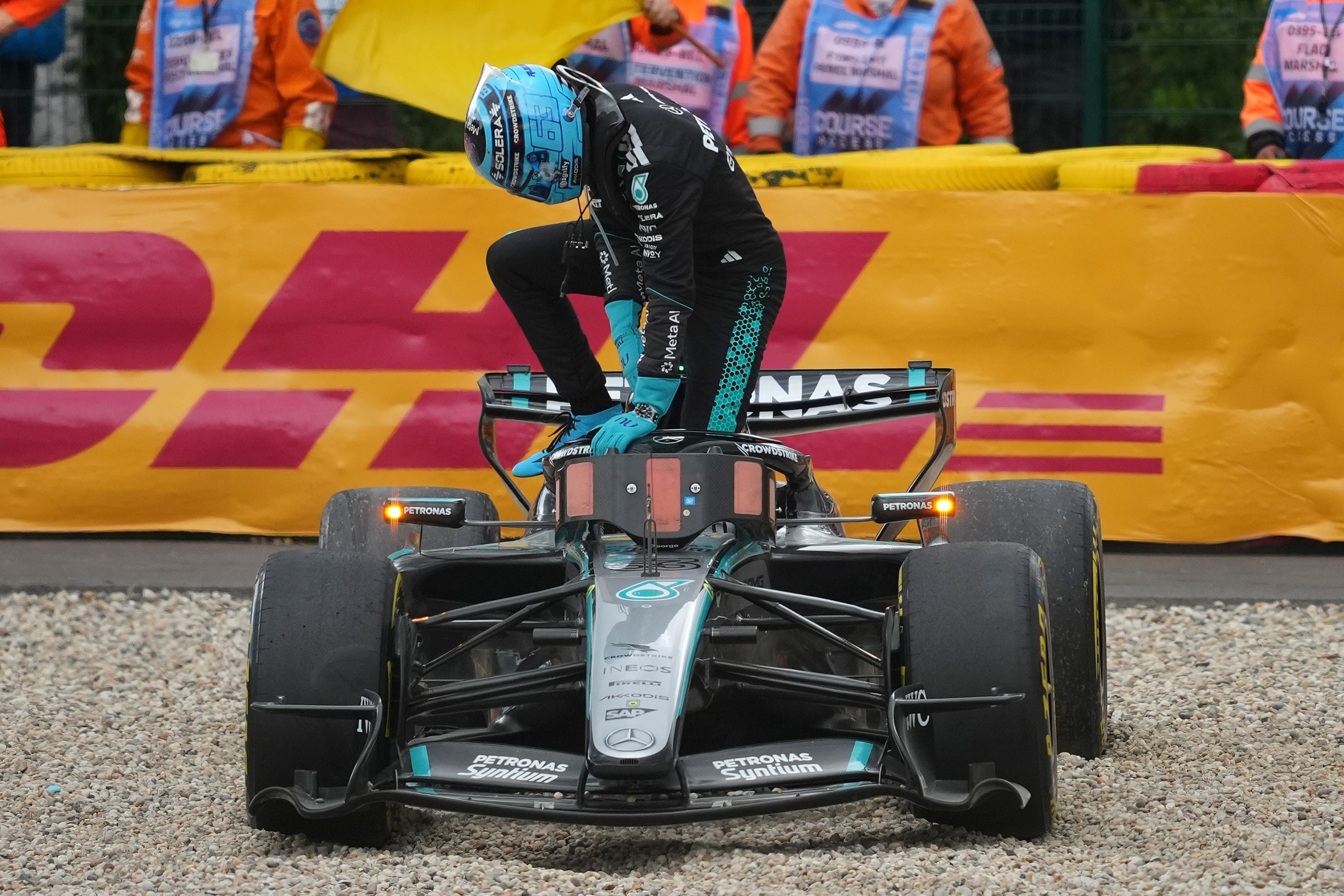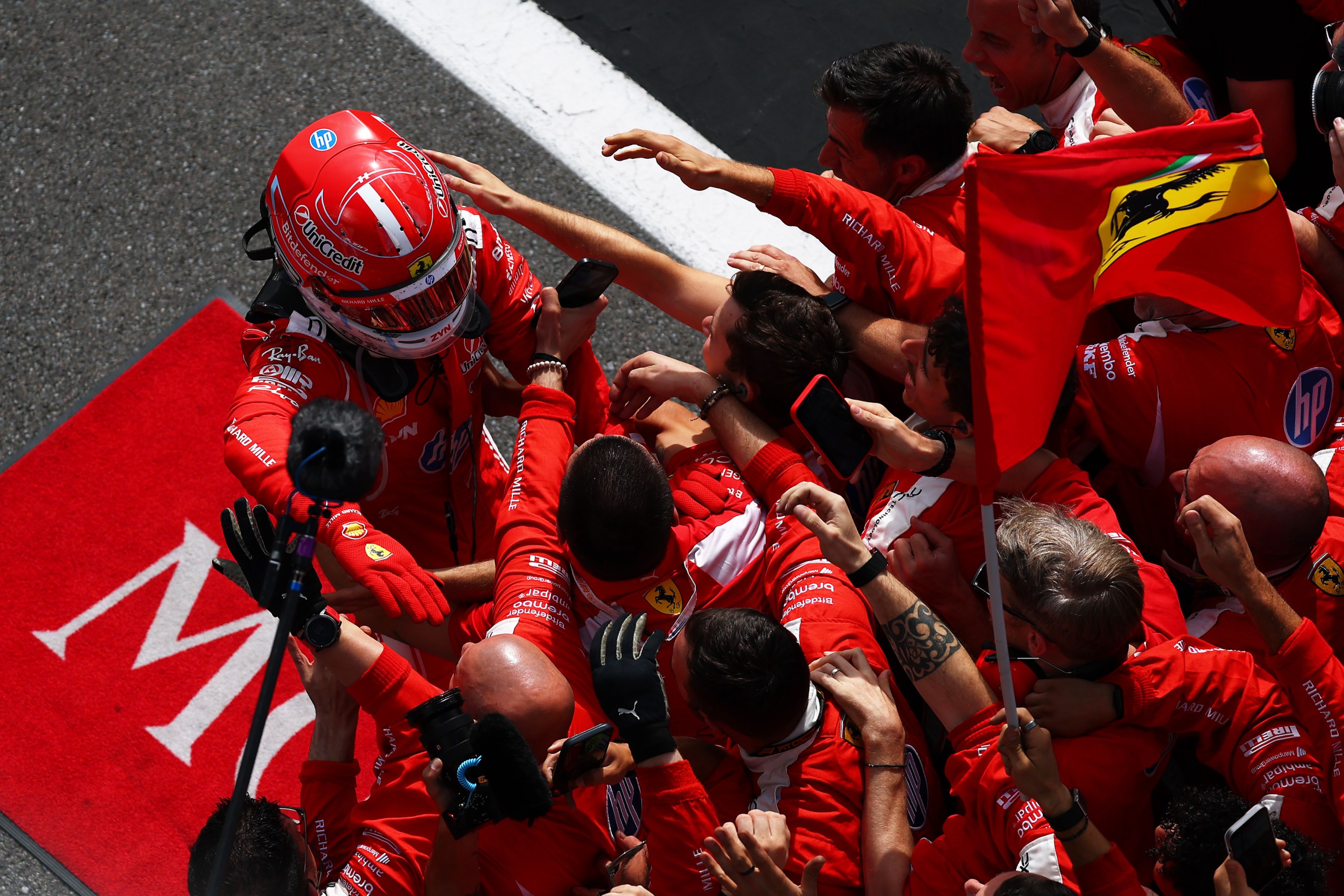
Some will say that the best part of a Formula 1 regulations overhaul is that the start of the next season, not unlike the spring that soon follows, will herald new hope for a better year. The truth is that the best part of a Formula 1 regulations overhaul is the inevitable rules disputes, petty politicking, and snitchery that follows, often helpfully litigated through the media. Take, say, George Russell, before the Chinese Grand Prix, who was sure to lodge his complaints about the current race start procedure prior to the weekend. "Unfortunately," Russell said, "sometimes when you're trying to make changes for the good of the sport, if a team has a competitive edge—like Ferrari at the moment with the race starts—they wouldn't wish to see anything changing."
Public opinion has historically been a little unfair to Russell's media statements, as he is not necessarily more of a complainer than any other F1 driver, but is simply cursed with the tone and mien of a schoolboy tattling to the headmaster. Not helping matters is his position as a Mercedes driver, where he forms a united front with his team principal and fellow Tier One rules advocate (read: complainer) Toto Wolff. Which is to say that race starts, and Ferrari's lack of interest in modifying the regulations, were furiously discussed ages before Russell's complaints in China.
To start at the start for race starts, we naturally have to start at the new engine regulations. The biggest impact on race starts has been the removal of the MGU-H, which stored energy from the engine's exhaust gases and powered the car's turbocharger on demand; once the turbo was spun up sufficiently, it would give the engine more power. Because the MGU-H was expensive, heavy, and complicated for new manufacturers like Audi, it was removed this year, meaning the turbo can only be charged by the exhaust gasses produce by the running engine. The issue with race starts in 2026 is that each step of that process—the engine producing exhaust, the turbo charging, the engine receiving additional power from the turbo—takes time, resulting in a delay between when a driver demands power and when that power arrives, known as turbo lag. (A very helpful visualization of this process can be found in Chain Bear's explainer video.)
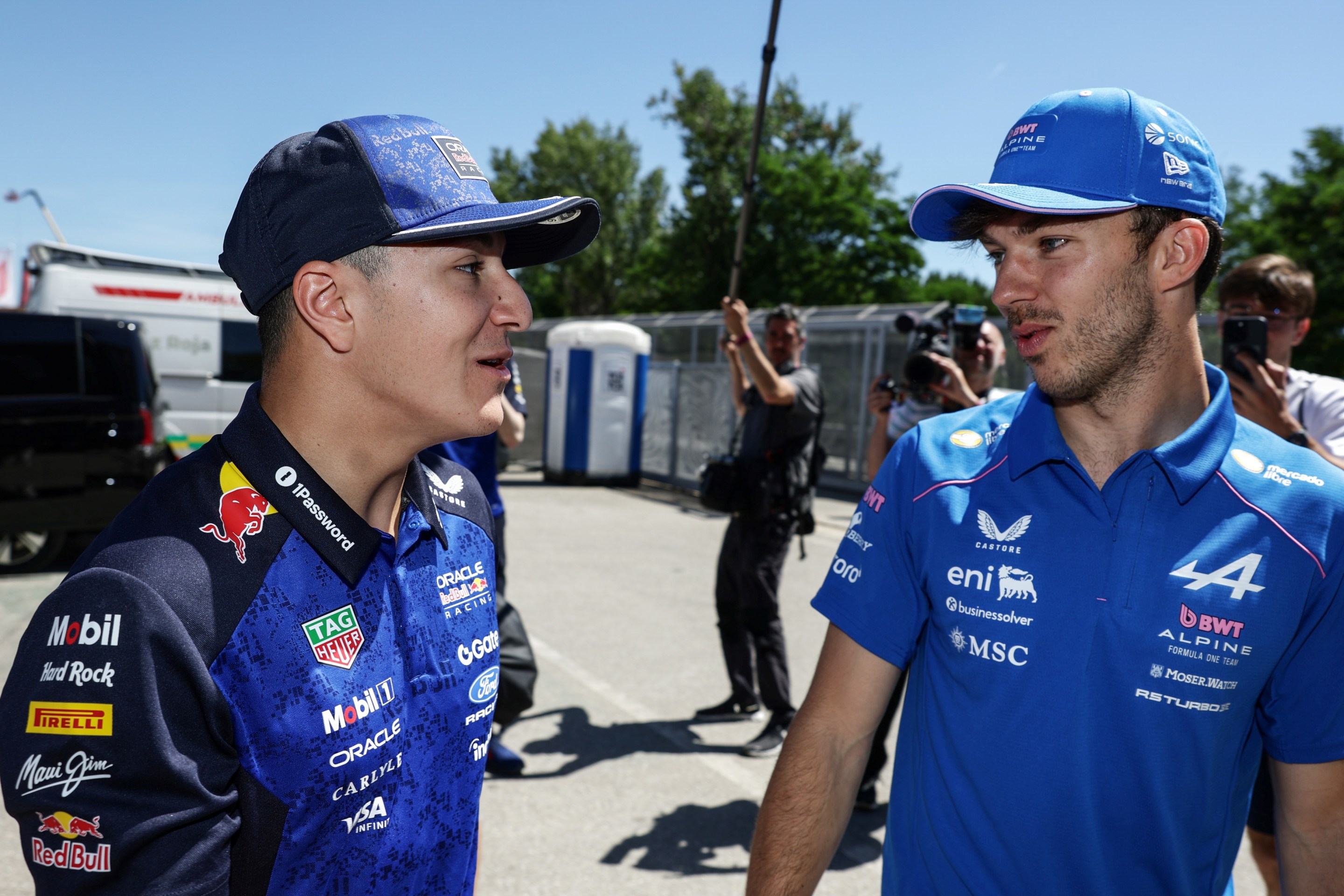
As a result, the FIA has slightly altered race-start procedure so that drivers have a warning window to rev their engine and charge their turbo before each race start. Even so, race starts now can be botched worse than ever before, doubly complicated by some obscure formation-lap charging minutiae. There are some safety concerns (often the first resort of teams looking for regulation changes) that come with extremely poor starts, helpfully and dramatically put on display by VCARB's Liam Lawson and Alpine's Franco Colapinto in Australia, when Lawson was slow getting off the line, forcing Colapinto to swerve to avoid plowing directly into the back of Lawson's car at high speed.
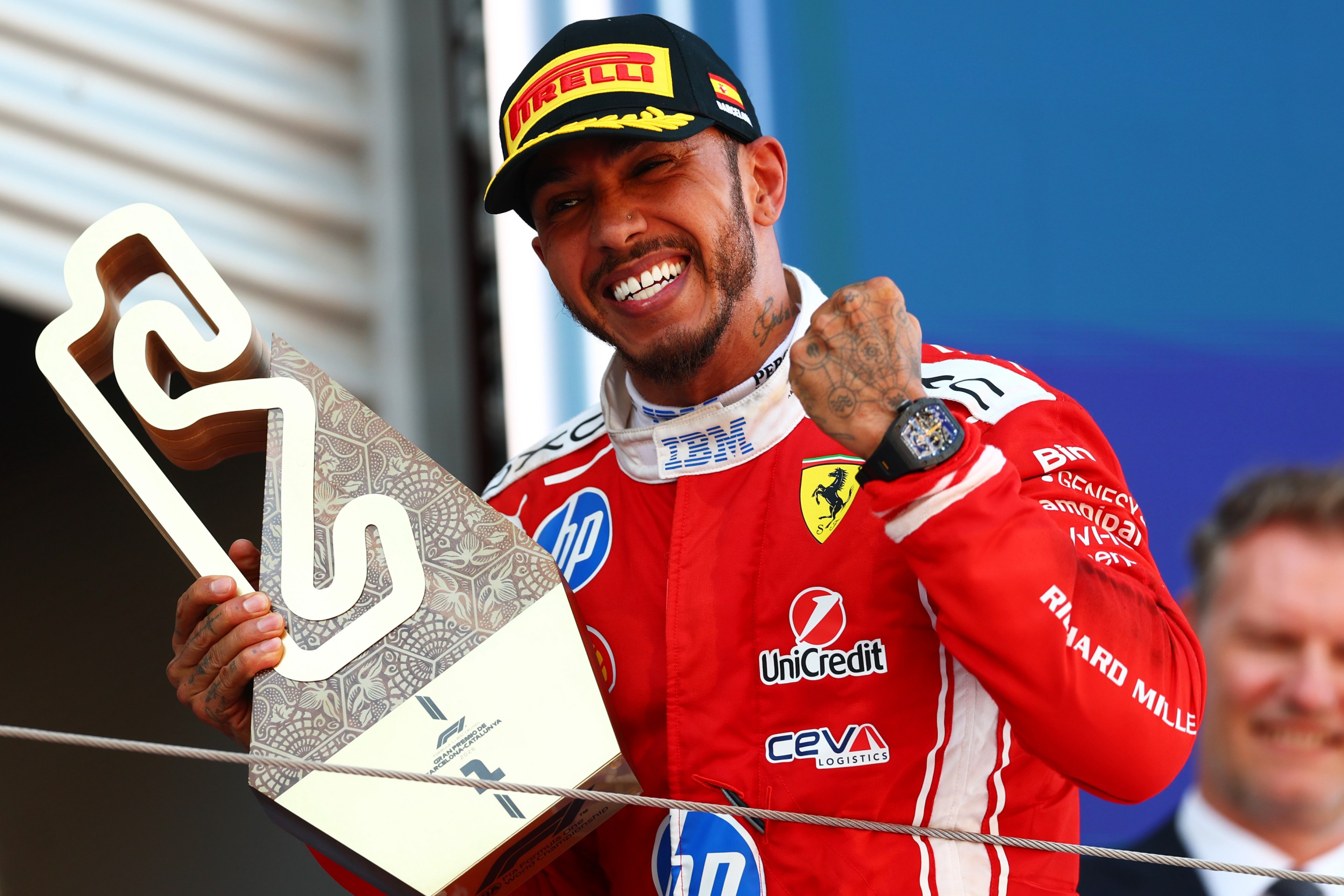
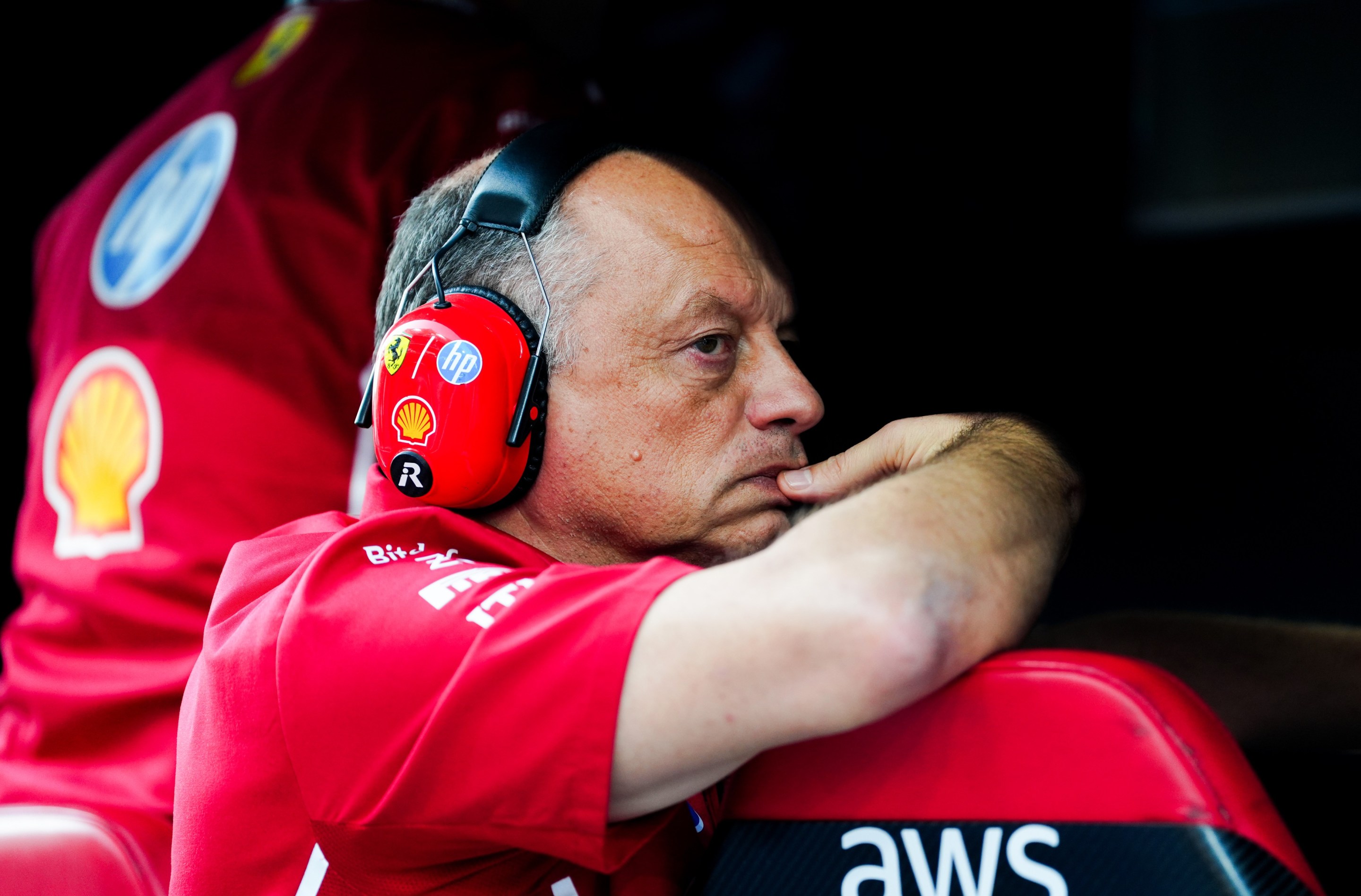
Teams reportedly attempted to alter race starts as early as last summer, only to be blocked by Ferrari, which, by a quirk of F1 bylaws, possesses unique contractual veto power. It also happens that unlike other teams on the grid, Ferrari designed its turbo to be smaller, so its cars could mitigate turbo lag at the cost of top-end power. This gives the team an advantage during race starts—but, as Ferrari team principal Fred Vasseur argues, not an unfair or unforeseen one. Back in early March, Vasseur said, "I can say that it's easy to ask a driver to raise a safety concern or similar, but in reality, it had been known for a long time."
It is understandable why Ferrari would then be cheesed by potential modifications to race start procedure, however minute, that would nullify its advantage. According to Vasseur, he had previously raised the issue on race starts to the FIA, only to be told that teams were expected to design cars following the regulations, rather than retrofitting regulations to the cars. The five-second blue light warning was already an equalizer; from Vasseur's perspective, "enough is enough." Seeing as Mercedes has built, conservatively, a 20-second buffer over the rest of the field, the team's drivers might be able to live with the Ferraris stealing the race lead for only a couple of laps here and there.
A tidy little coda to this story: AutoRacer.it reported on Tuesday that Ferrari would be requesting clarification from the FIA on the Mercedes car's variable front wing. Eagle-eyed observers have noticed that the Mercedes car's front wing appears to close at different speeds in different situations—helpfully visualized by a fan here—potentially in violation of rules requiring the front and rear wing to close within 400 milliseconds of one another. While on certain corners the front wing seems to be closing more slowly than the rules allow, whether that actually provided Mercedes an advantage is unclear. Nevertheless, Ferrari making a point of just asking questions is entirely in keeping with the entire phenomenon of F1 rules haggling. Two lessons here that we can all take to heart: Always politick, and always snitch.