

As a culture, we have a few familiar stories about talent. There’s the all-consuming kind, often first displayed in childhood, that makes people unsuited for the demands of everyday life. There are the stories about talent that goes tragically unrecognized until after a person has died. Alternatively, there’s the sort of talent that falls just short of greatness. Think Salieri, or that guy you work with who played sports in college.
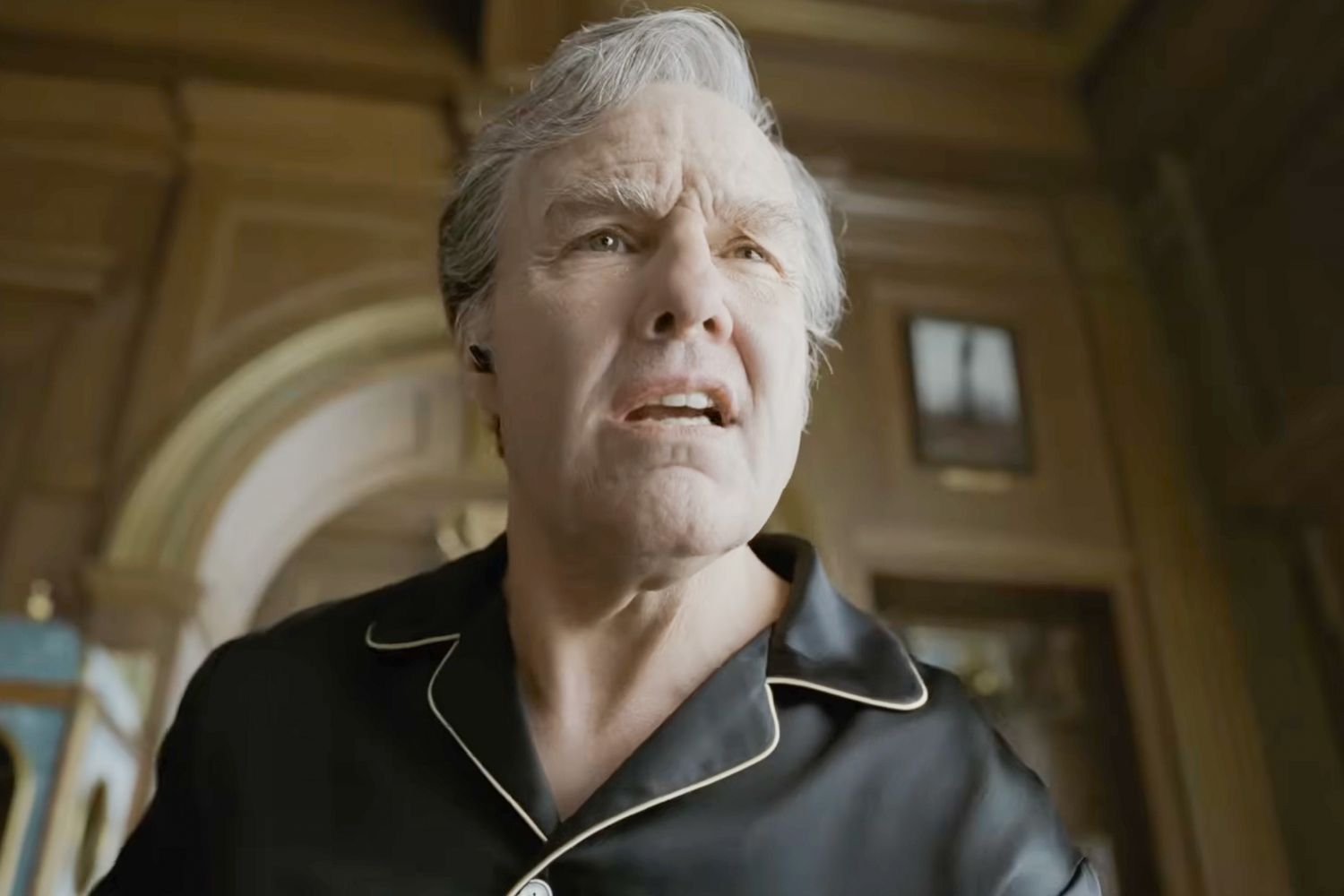
Martin Mull’s story is different. He had prodigious talents—as a musician, a stand-up comedian, an actor—and they were widely recognized throughout his long career. In 1970 he wrote the hit novelty song “A Girl Named Johnny Cash,” a parody of Cash's "A Boy Named Sue," then spent most of that decade touring his stand-up show regularly and successfully. He opened for Bruce Springsteen and Billy Joel, and was tapped by none other than TV icon Norman Lear to star in the mock talk show Fernwood 2 Night. Mull also guest-hosted for Johnny Carson more than 30 times. He became, through performances in a variety of films and television shows spanning decades, a guy you were always excited to see in a scene. He had one of those faces it felt like you’ve always known, whether it was as Colonel Mustard or Gene Parmesan. Through all of that, though, the one thing Mull really wanted to be known for was his painting.
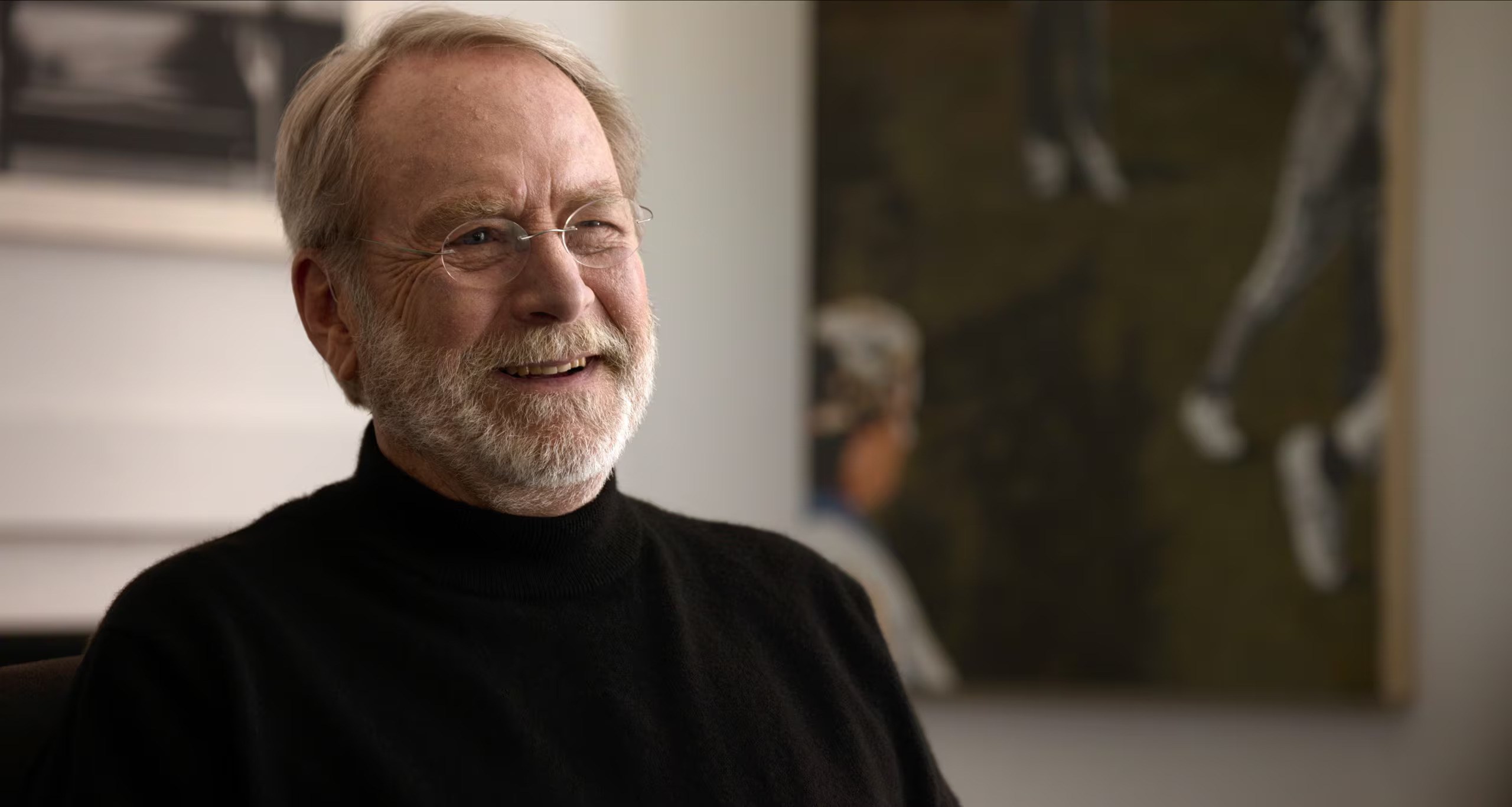
The Netflix documentary Who Is Martin Mull?, conceived and directed initially by Bob Saget then completed by Neil Berkeley, tells this story in a way that suits the man himself: by thwarting your expectations. At first blush, it seems like a thing that has become standard by now. Interview Mull a number of times, as well as a bunch of fellow comedians who know and admire the man and his work. Start with a few stories from childhood, chart the early successes, make use of archival footage of Mull wearing suits with ever-larger lapels, then bring on Steve Martin to talk about the good old days of playing for tips in the parking lot after finishing a show on their co-headlined Steve Martin Mull tour. Hint at just enough emotional tumult—a troubled family home, a disastrous marriage, a drinking problem—to set the viewer up for a dark turn in the second act.
All of this is true—Mull did have a troubled family home, a disastrous early marriage, and a drinking problem. He speaks openly about the latter two, while descriptions of the first are left to his brother David, who describes their father as a tyrant. But, remarkably, Mull managed to keep the darkness largely at bay.
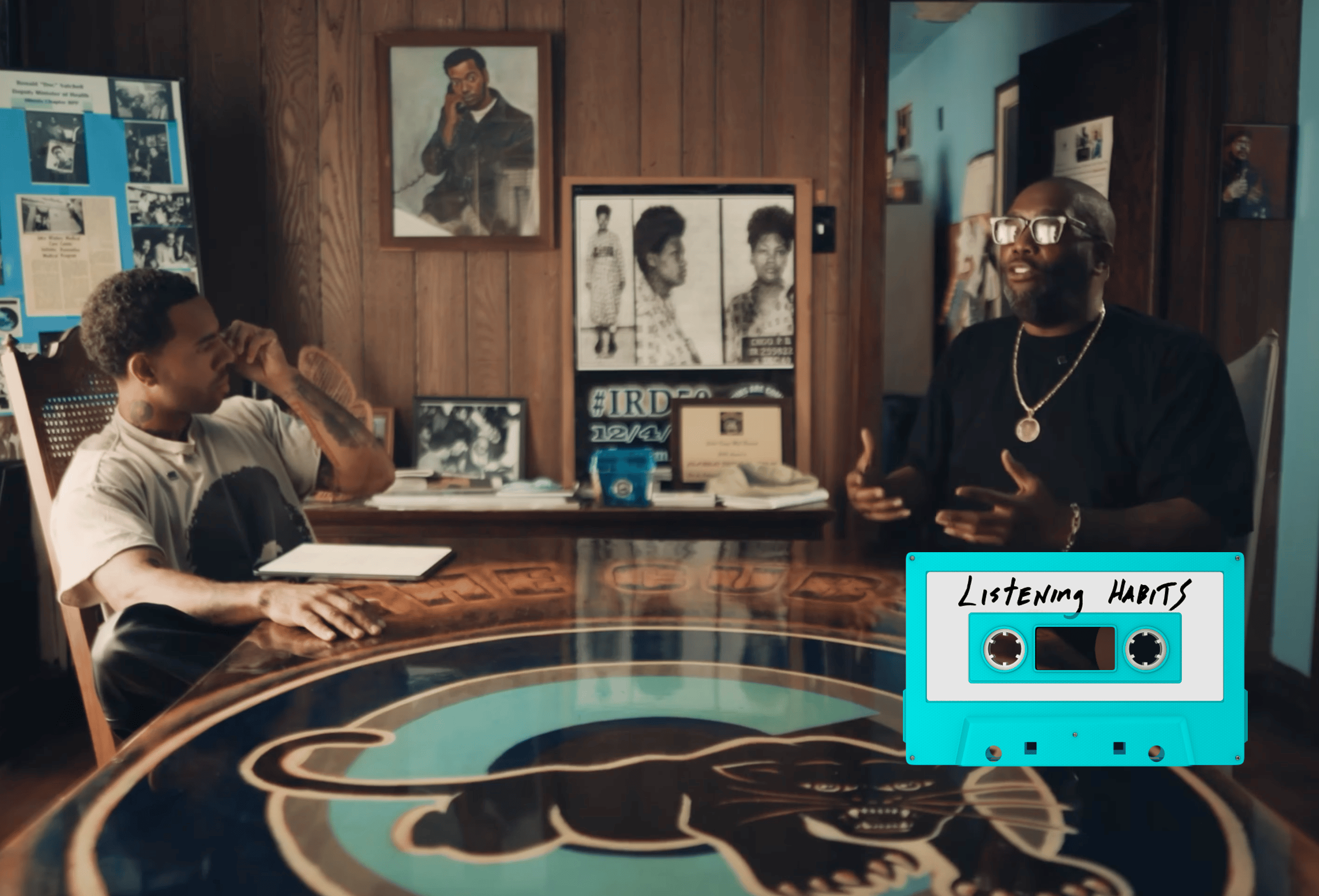
The surprise lies in how Who Is Martin Mull? becomes the story of a man who was made famous through his commitment to comedy, and made happy through his commitment to painting. He simply kept doing the first in order to do the second, and what demons he had were seemingly processed by way of his visual art. In a joint interview, Mull tells Martin (as in, Steve) that his early, photorealistic phase served as a way to prove to himself and others that his drinking was under control. As he puts it: “Could a drunk do that?”
Once Mull quit drinking, he returned to first principles. He started again, drawing random little figures, as he did when he was a child; these would eventually become parts of collages. If Mull stays relatively silent on the condition of growing up with an abusive father, it’s because everything he might have to say about it is there in his later work: depictions of mid-century American idyll, disturbed by something dark and violent. He recalls the first time someone asked him if he was Martin Mull the painter, rather than the actor or comedian, and you can tell how much that meant to him, even years later. He had some troubles, sure, but this is not a film about a man tortured by his talent. He got to do a bunch of stuff and to all appearances had a lot of fun doing it.
It is quite difficult to make a compelling documentary about a guy who made himself a nice life, filled with work he found satisfying and people he loved well. Somehow, Who Is Martin Mull? manages to accomplish that, while remaining utterly captivating and moving throughout. Mull's circle included his wife of 42 years, Wendy Haas; Saget, who initiated the project and directed much of the film; his Fernwood 2 Night co-star and long-time collaborator, Fred Willard; and the previously mentioned Lear. Here, the film offers one more surprise, although it’s hard to even call it that since, while watching, you know that most of these people as well as Mull have died. In its final act, Who Is Martin Mull? becomes an astonishingly tender meditation on grief and mortality. Mull himself notes that he feels like someone who has stayed too long after the ending of some grand opera, and jokes that he’s worried he no longer has enough living friends to act as pallbearers at his funeral. Then Haas enters the room where he made that joke, now empty.
The answer to the question posed by the film’s title is as varied as its subject. Martin Mull is a musician, a comedian, a painter. Martin Mull was a friend and a devoted husband. It’s for the latter reasons just as much as the former that he was, undeniably, someone worth making a movie about.