For 79 minutes of Tuesday afternoon's round-of-16 match against Egypt, Lionel Messi was terrible, and by extension so was Argentina. "Terrible" might be overstating it, but when confronted with the enormity of Messi's talent, even at this sunset period of his career, anything other than something we've never seen before feels, well, terrible. Messi spent the first 79 minutes of the match misplaying passes, dribbling to nowhere, missing yet another penalty—boy, am I glad that he made his two penalties in the 2022 World Cup final, or we'd never hear the end of it—and watching helplessly as Egypt hunkered down, rode goalie Mostafa Shobeir through some incredible saves, and scored not once but twice.
Seventy-nine minutes had gone, and while Argentina controlled the balance of play, the scoreboard didn't lie. Egypt had been deadlier and more efficient with its chances, while Argentina looked out of ideas and, crucially, almost out of time. That's the thing about having Messi on your team, though: Until the final whistle blows, there is always time. In this case, all it took was four minutes for Messi to do what he has done more than perhaps any player in the history of soccer: rescue his team from the jaws of defeat through sheer willpower and otherworldly talent.
In four minutes, Messi roared to life. All it took was one dribble where he looked like Young Messi—or at least the Younger Messi who dismantled poor Josko Gvardiol at the 2022 World Cup—to wake him up. That dribble didn't end in a goal, but fast-forward just a few second later and his talent would make the difference. The first Argentina goal was actually the kind of assist that Messi doesn't do all that often, which makes it all the more entertaining to watch. This was just a simple cross, cutting inside on his left from the right wing before lobbing it at a perfectly timed Cristian Romero run, which allowed the Tottenham captain to head the ball with enough power to get through Shobeir's save attempt.
The second goal he contributed to, by virtue of smashing it in himself, was even more impressive; it reminded me immediately of the goal he scored against Austria in the group stage, a goal created thanks to both his understanding of where a ball will be and his desire to get to that exact spot. Shobeir, so good on Tuesday, could only deflect the shot onto the underside of the crossbar, where it then ricocheted into the net.
Messi had no part of the third goal, except that by virtue of his magic, there was a third goal to be had at all. For the history books, the third came from a long Lautaro Martínez cross directly onto the head of Enzo Fernández, who was left shockingly open by an Egyptian defense that fell apart after going up 2-0. Gone were the crisp close-downs and faultless run-tracking, left in burning embers by the torching Messi gave them.
And yes, there was a moment of controversy along the way, a disallowed Egypt goal for a foul at the start of a long, and gorgeous counter-attack finished by Mostafa Ziko in the 58th minute.
By the rules of VAR, it was a correct decision, but by every other rule of what I enjoy watching about soccer, it was a frustrating reminder that VAR is by design,an impediment to magic. Egypt got the goal back soon after to go up 2-0, though, and given how the team played after the second goal that did count, I'm not sure the outcome would have been much different if VAR hadn't stuck its robo-nose in the proceedings. Egypt was content to see out a 2-0 win, but it forgot that Lionel Messi is a human comeback, and even on his worst day, he is still the best player on the planet.
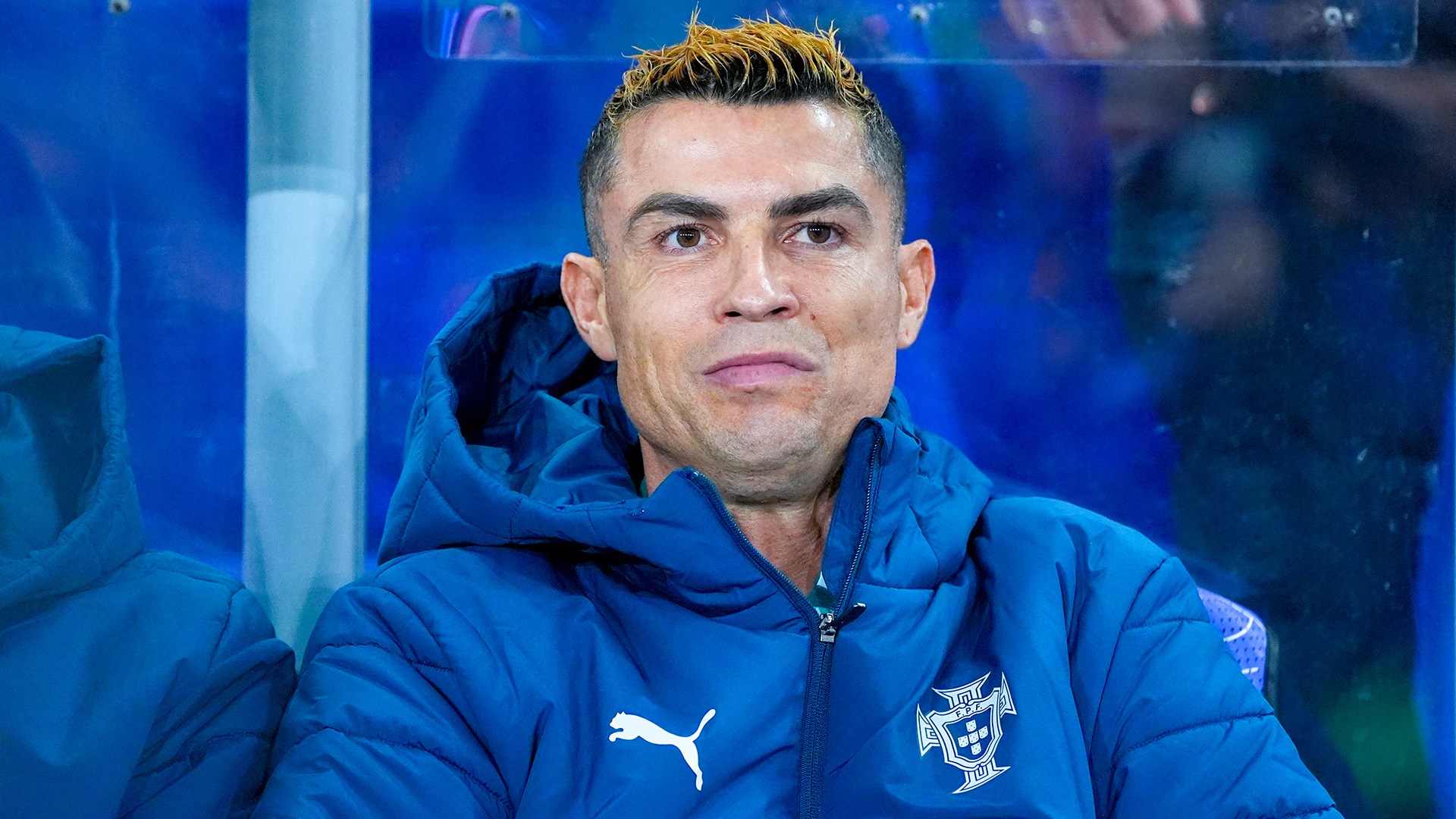
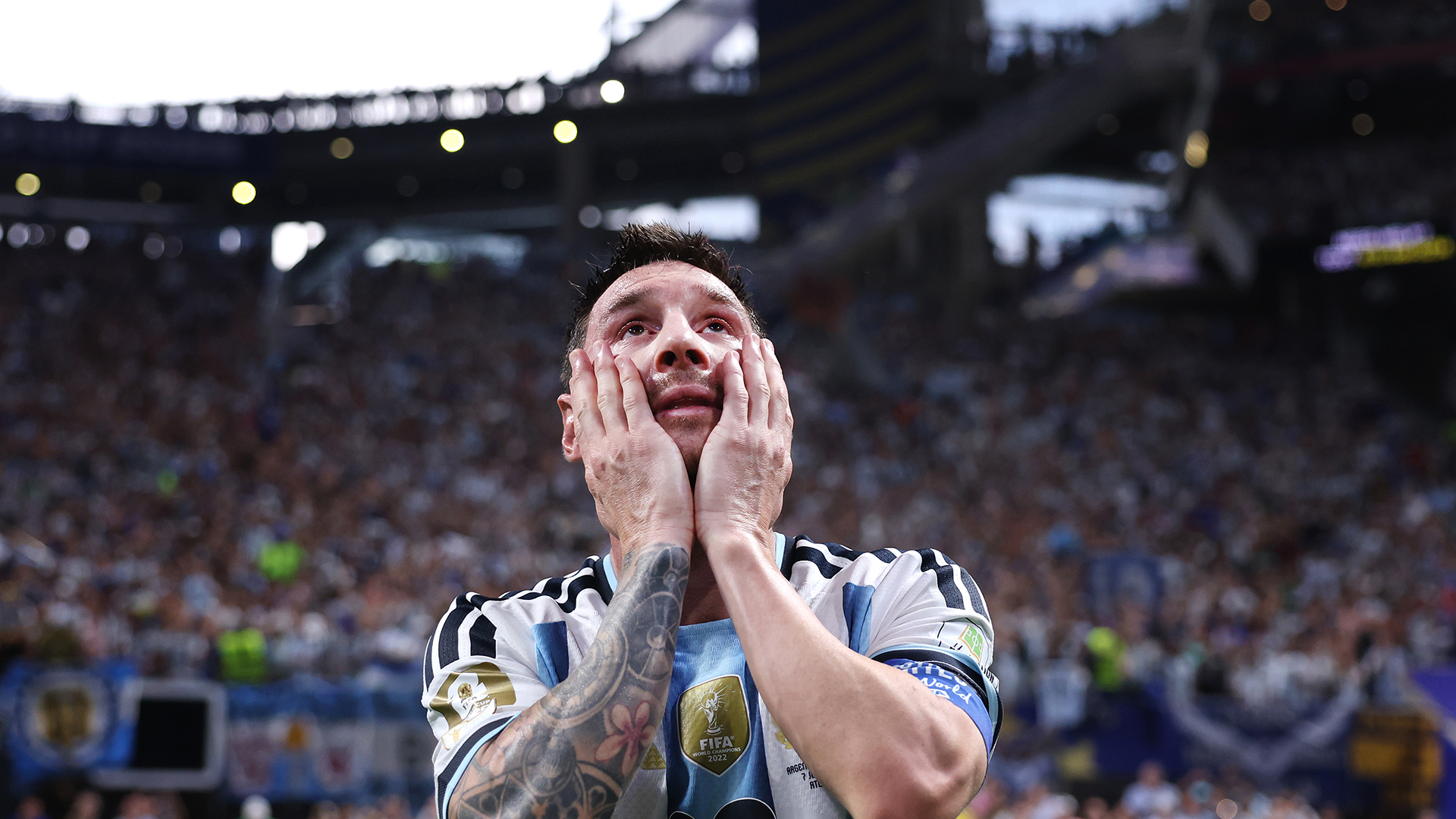
After the match, the weight of what he helped Argentina accomplish seemed to catch up with Messi, as he cried tears of ... joy? Relief? Exhaustion? Whatever the source of his own tears, for the rest of us there is an emotional current underneath every minute Lionel Messi plays at what should be his final World Cup. (Who knows, though? He just might be crazy enough to try again in 2030.) It's the same current that swam alongside Cristiano Ronaldo and Neymar as their respective countries crashed out earlier in this round. The valence of this emotion varies—lord knows that the off-field actions of both Ronaldo and Neymar have earned them plenty of rightful haters, and Argentina isn't the most likable of national teams, even with Messi as its talisman—but it's a powerful one. It's the idea that this generation of omega-stars are finally seeing the end of the road, after two decades at the mountaintops of their own expectations. For Ronaldo and Neymar, their World Cups ended in disappointment and embarrassment, as it does for many an athlete.
For 79 minutes, it looked to me, to the world, and maybe to Messi himself, like he would follow his fellow millennial superstars toward the exit, making for a tidy denouement to a legendary era. Instead, though, like he did so many times throughout his career, Messi bested his ostensible peers, one-upping them at least to one more round. One more match, 90 more minutes, maybe one or two or three more goals ... this is what Messi won himself when he woke up right when Argentina needed him. If his tears are to be believed, even Messi himself knows how close his World Cup mortality was from flooding over into a lengthy eternity on the sidelines. Instead, Messi now must get his tired, older body ready for Saturday night in Kansas City, for one more chance to show that there has never been anyone better at this beautiful game.