What's the difference between betting on sports and "trading on a prediction market?" For the gambler herself, very little. If you go on Kalshi, the suddenly ubiquitous "prediction market" platform that has enjoyed the backing of the Trump administration, one can click on the "sports" tab and see a list of, among other events, all the college basketball games being played today. One can "buy shares" in, say, Kennesaw State to beat Gonzaga, and if that result happens, she will collect profit from the money "invested" by the losers. Kalshi, with a straight face, argues that this is different from traditional sportsbook betting because they are a neutral party simply charging transaction fees, instead of a bookmaker charging a vig. But if you define sports gambling as "risking money on a sporting event in the hopes of making more money," all the synonyms in the world can't hide that.
The state of Arizona sees it this way, too. This week, the AG of the Copper State became the first to file criminal charges against Kalshi for running an illegal gambling operation. Their argument quite simply amounts to "You can gamble on Kalshi," with the lawsuit detailing 20 straightforward instances of various bets on sports and elections accepted by the platform. That you can bet on any world event besides sports on these things opens up a whole other kind of hell, but for today let's keep the focus limited to sports.
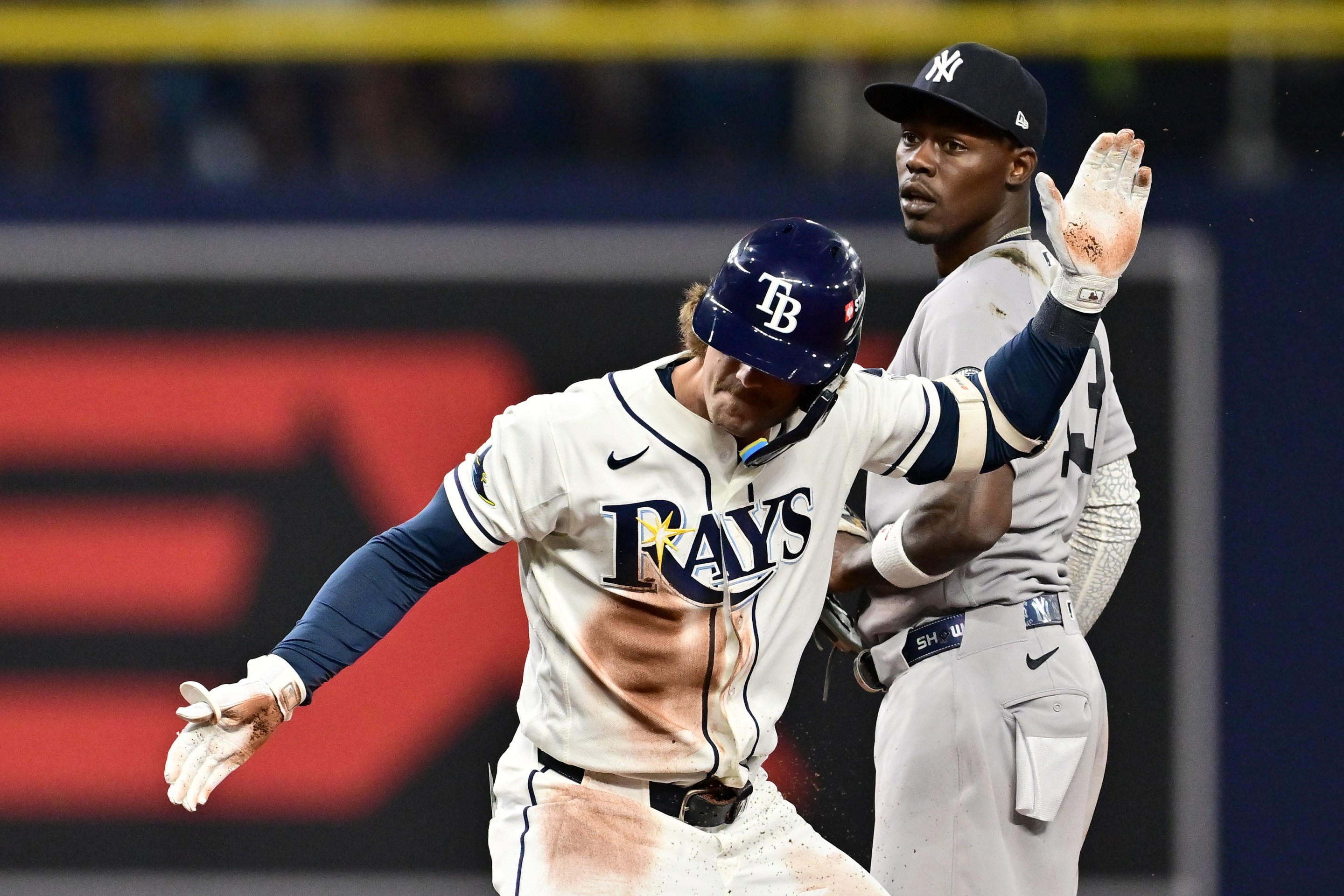
On Thursday, MLB announced that it is partnering with Polymarket, a Kalshi competitor prepping for a full-scale U.S. launch, to make them "MLB’s Official Prediction Market Exchange." The deal gives Polymarket the right to use MLB's IP and data, and it supposedly gives the league some power to put restrictions on certain kinds of bets that would be especially vulnerable to insider trading, like individual pitches and manager decisions. As of this writing, MLB's press release refers to this as an "iintegrity framework" [sic].
MLB isn't the first league to reach this kind of collaboration, and some of our most annoying athletes are getting in on them too. But in the PR quotes and writeups of this deal, I've been especially fascinated by the euphemisms used by and for a league that not so long ago would run screaming from the mere suggestion that wagering on baseball was taking place. The language around this deal, and around Polymarket and Kalshi in general, works to separate the companies from dirty, rotten sports gambling by associating them with the financial-pro jargon of Wall Street: Market. Contracts. Trading. Volume. It's not just coming from inside the house. David Purdum's ESPN article references the "billions of dollars that is expected to be traded on baseball this season," like MLB is now the New York Stock Exchange and betting on the A's to score five runs in an April game against the Royals is the same as putting money in a Vanguard index fund.
I don't expect the current administration to do anything but encourage Kalshi and Polymarket's continued growth, particularly when the President's cronies have an incentive to enrich themselves on these platforms by betting on their own actions. But the least that the media covering these companies could do is talk about them accurately. Polymarket and Kalshi don't use the word "gambling" because their executives don't want to go to prison, but reporters should feel free. While those companies may have a slightly different business plan than FanDuel or DraftKings, if you're the mark who's seen the ads and created an account, it's just as easy to risk your money on sports, and to lose it.