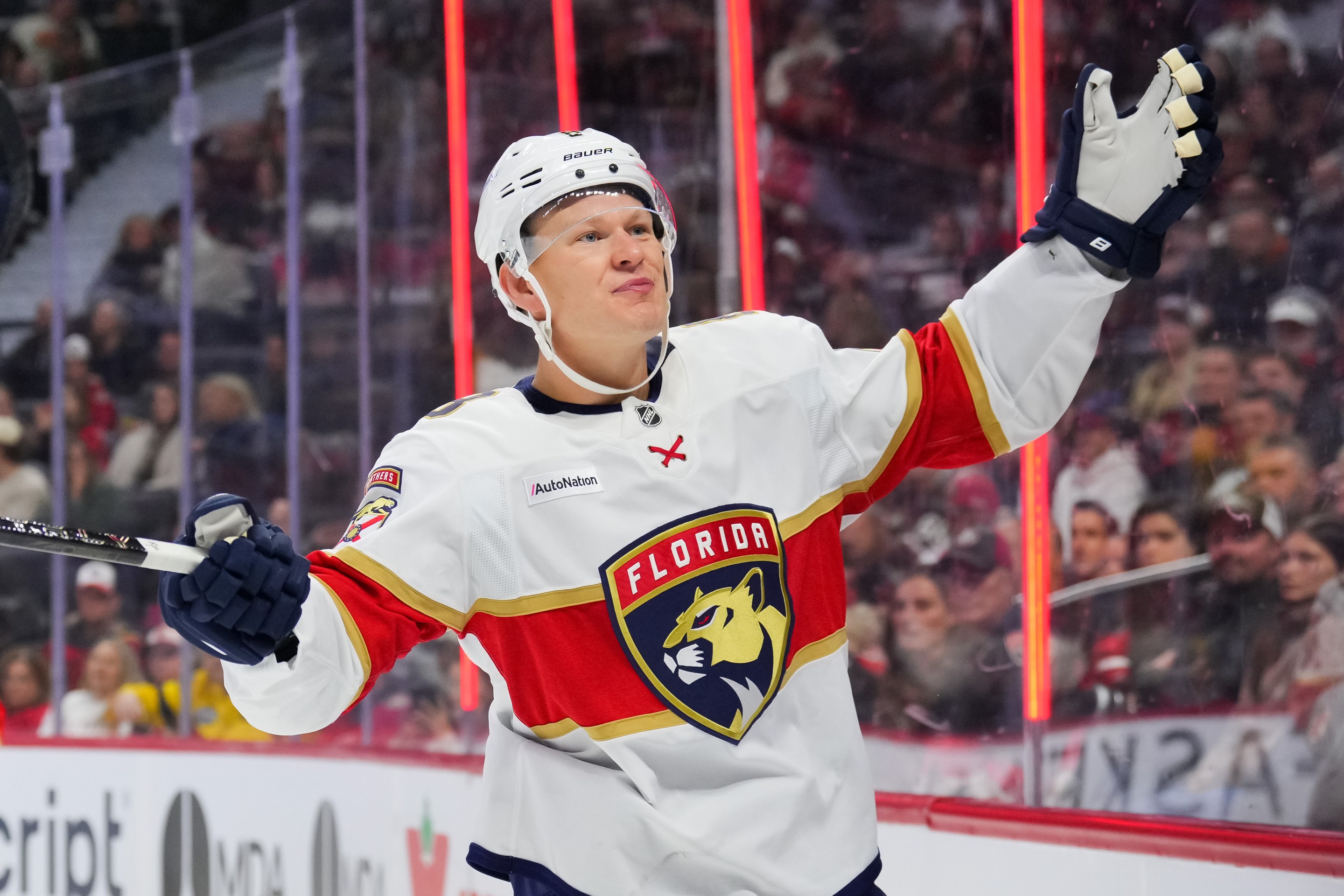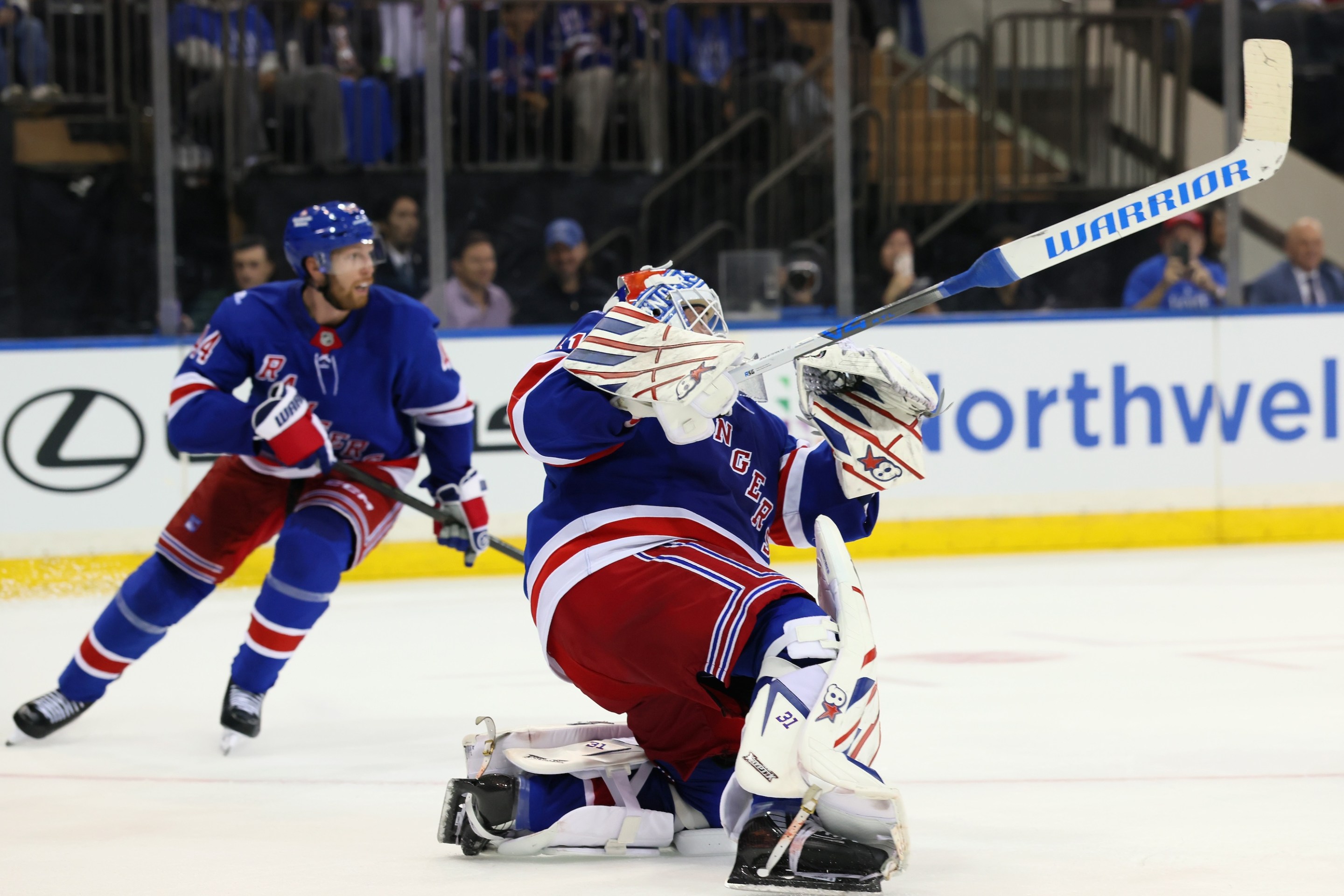



Brady Tkachuk will join his co-podcaster Matthew on the Mar-a-Lago Panthers. Let's address the hockey stuff first. A scary forward group gets even scarier, and more irritating to play against; there are no real soft spots or ceded shifts in the three top lines. After a lost season following two straight Cups, Florida figures to come back as strong as ever. This is a mixed bag depending on your tolerance for the Panthers.
The Panthers, who appear to have fully subscribed to the "fuck them picks" philosophy to extend their window of contention, will send the Ottawa Senators a nice haul for the 26-year-old. Ottawa will receive picks No. 9 and No. 25 in this weekend's draft, a second-round pick next year, and a conditional first-round pick in 2029. There are reports that the Sens tried and failed to pry loose a player from Florida—either Anton Lundell or Carter Verhaeghe—but it's still a pretty good return. Especially considering they weren't exactly dealing from a position of strength.
Tkachuk, despite months of assuring the media he was committed to the Senators, told the team he was only committed to playing out the last two years of his contract, and would not re-sign in Ottawa after that. With a no-movement clause, Tkachuk was able to dictate where he would go, and he reportedly offered the Sens just four options: Florida, Vegas, Carolina, and Minnesota.
It'll be a step back for the Sens competitively, but ultimately a necessary one. Even in a year they made the playoffs, the discussion around the team was constantly about Tkachuk's future. Now that he's gone, recrimination season has begun in earnest. "The dressing room was not pushing for Brady to stay," goes one report. "Never hanging out off ice, checked out vibes," claims another.
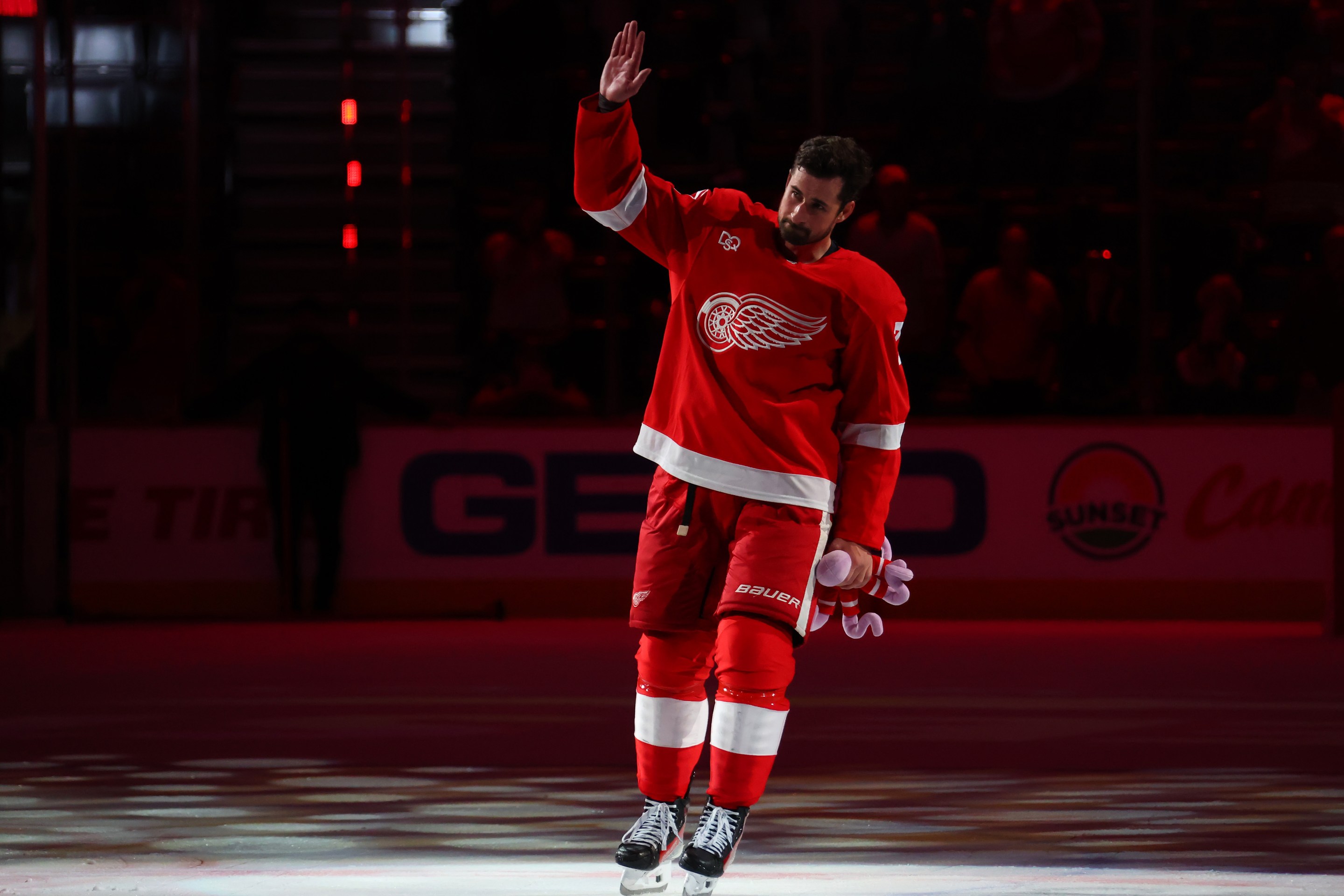
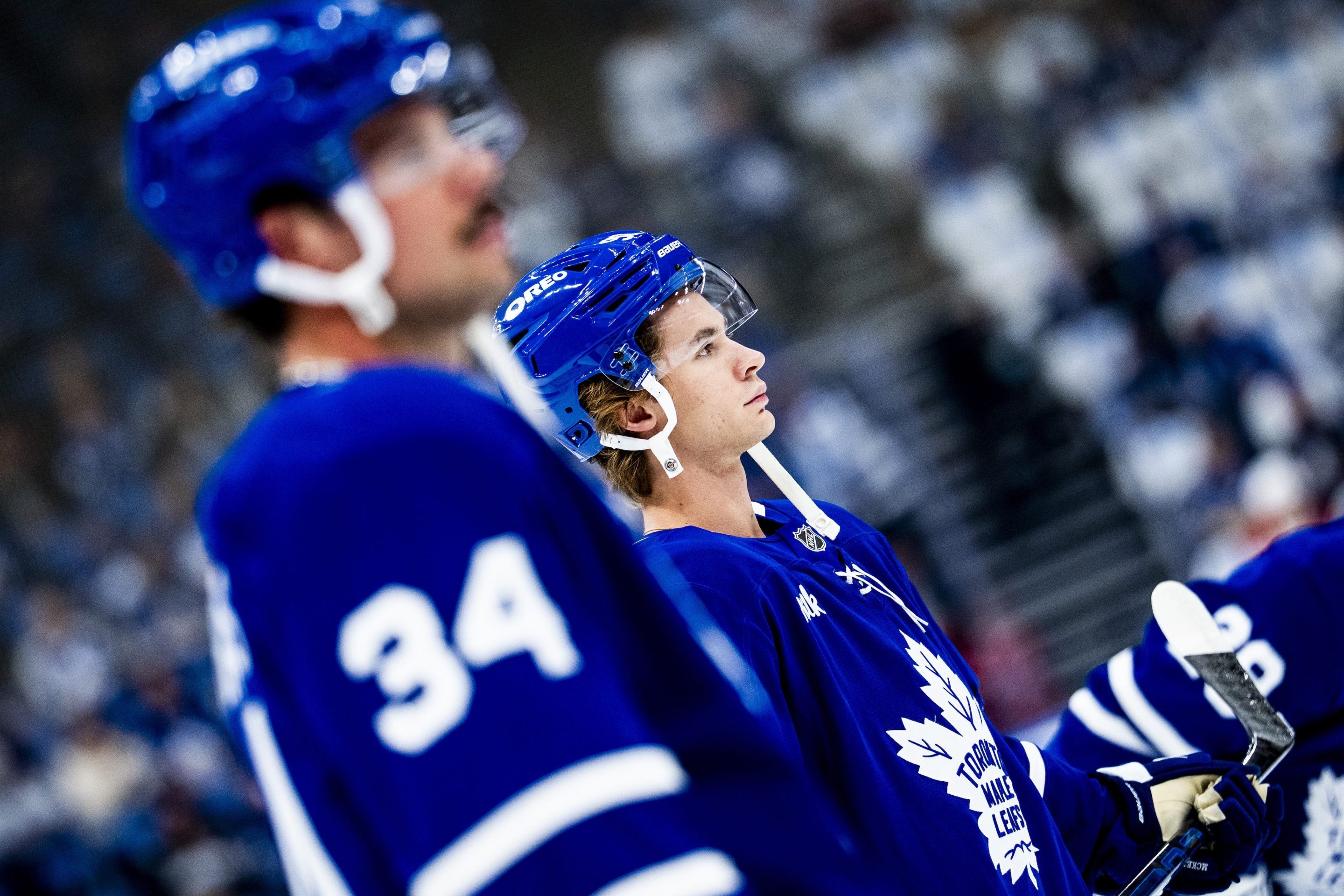
OK, that's the hockey and hockey-adjacent stuff. Let's get to the real star here: the drama. Lots of people, many of them Canadian, are big mad about this trade. It seems to exist within a mini-trend of star American-born players, especially ones on the 2026 Olympic team, forcing their way off of mostly Canadian NHL teams. Quinn Hughes did it. Brady did it. Connor Hellebuyck is reportedly trying. Dylan Larkin is too, though Detroit is only honorarily Canadian, and he only wants to go to the Panthers, Golden Knights, or Wild. There will never be a shortage of Auston Matthews rumors. I do not necessarily think this is a situation like the 2008 Team USA basketball team, which made grand plans to all play with each other when they got back to the States. But it sure does feel like what followed that and has euphemistically been called the NBA's player-empowerment era.
There've always been haves and have-nots in the NHL, but rarely have they been so cleanly delineated—or the haves such nontraditional markets. The four teams on Brady's no-trade list tell the story there. There's no shortage of reasons a player might want to go to one of these cities, even without an older, similarly thumb-shaped brother already on the roster. The weather's nice, and hockey players love to golf. (Good for the Wild, for being well-run enough to be an honorary warm-weather team.) Taxes are lower, and hockey players love money. Media scrutiny is less acute, and hockey players love being left alone. And the franchises in question are good, professional ones, that win Stanley Cups and have first-rate facilities and treat their players well.
More than any other sport, NHL stars have the ability to force their way to the teams they want to play for; it's startling just how many players have no-movement clauses in their contracts. That it has rarely happened until recently—the Juris Skrastins tweet is officially out of date, I think—may have been a function of the hockey culture that held sway for so long: Shut your mouth, put your head down, play hockey, don't be a distraction, don't complain, don't grow too tall a poppy. This culture is distinctly Canadian-flavored, and a new generation of American stars sees no reason to adhere to it. If there's a sea change in the NHL, it's downstream from a southward shift in the sport's seat of power.
It isn't a bad thing when players exercise their contractual rights to choose their workplace. It's certainly annoying when that ideal workplace is in fucking Sunrise or Las Vegas, because nobody wants the rich to get richer, or when the player on the move has been actively recruited for months by his brother on their shared podcast. It's disappointing for fans of franchises long lost in the wilderness, now forced into yet another rebuild. It's at least a little worrisome that these guys will now have more time together to plan a Jan. 6 redux. But it's not some inevitable or permanent evolution of the NHL. Even cold-weather cities can stay competitive by building a roster good enough to make players want to stay, or simply by not tossing in a no-trade clause to save a couple million dollars come contract time. The NBA was not destroyed and parity was not lost forever to the superteam era. The NHL similarly will endure a couple stars heading for lower latitudes. Though if the Panthers trade for Hellebuyck, I reserve the right to be furious.