The thing about "unprecedented events" is that they rarely are. Something weird or unusual that you just saw has almost certainly happened before, usually within about four years, and in pretty much the same form. This isn't to say that strange and new-seeming things aren't happening all the time, but of all the things that human beings are good at, doing the same thing over and over is among the top three, even if it's not by design. People, including those rich enough to own NFL teams, are people.
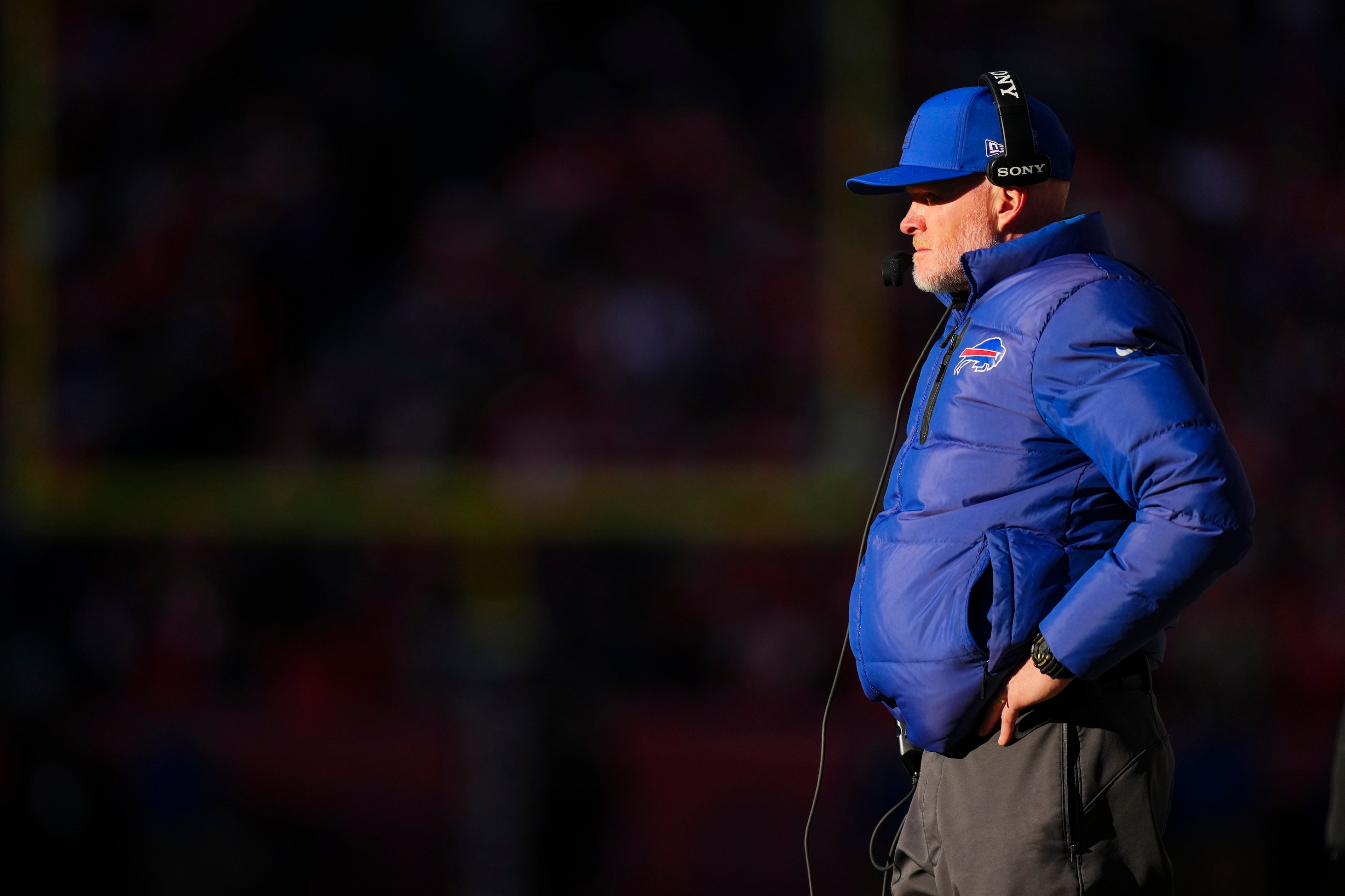
And so it is with the current NFL coaching mudfight, in which 10 teams, some of them quite successful, have decided that the person in charge of that success must lose their gig anyway, either because the team owner wants something else out of disappointment, boredom, or personality defect. Sean McDermott's firing two days after the Buffalo Bills performed their annual postseason flameout seemed unusually precipitous, at least until you remembered that John Harbaugh got fired and Mike Tomlin quit despite having better career records and a bejeweled hubcap where their ring finger usually stands during their tenures with Baltimore and Pittsburgh, respectively.
Also, "unusually precipitous" depends on what you think is unusual. The league abruptly losing three coaches with 500 combined victories and a winning percentage of .619 will catch the untrained eye because it dismisses history for the more kneejerky "What pissed me off today?" methodology of the modern owner. And let's be honest (as opposed to the myriad of times when we just baldfaced lied to you): That's what a firing often is. We know what type of person owns NFL teams, by this point. There's no reason to act surprised when that kind of person does the kind of thing that kind of person does.
The great flaw in this annual pyramid of anal-cranial inversion is that the least qualified football person is telling the most qualified football person that he is not qualified enough to run the football operation—the kind of business model that used to lead to bankruptcy in the days before it became impossible to lose money owning a sports franchise. In the Bills' case, Terry Pegula is telling someone who won 65 percent of his games on Pegula's behalf that he was not good enough at orchestrating the type of football that Pegula likes, when by the right of expertise Pegula should be limited to ordering the sandwiches for the meeting, if that.
But it has been thus for decades, most notably three decades ago when a similar number of notable firings and circumstances occurred. In 1996, before many of those reading this had first been held in contempt by the judge, 11 teams changed coaches; the Saints did it twice. But the similarities are otherwise striking.
- Like Mike Tomlin, Bill Parcells quit in New England, though this particular resignation was over a power struggle with owner Bob Kraft over "who got to shop for the groceries."
- Like Harbaugh and Tomlin, two-time Super Bowl champion George Seifert got canned in San Francisco for not winning a third, though this was actually precipitated by him asking for a new contract that owner Eddie DeBartolo didn't want to give him.
- Like Jonathan Gannon, David Shula in Cincinnati got it for not being able to win 30 percent of his games. This isn't really much of an outlier.
- Like Brian Callahan, Rich Kotite with the Jets got fired for not winning 20 percent of his games. Also not that rare.
- Like Pete Carroll, Mike White was canned for making the mistake of saying yes to coaching the Raiders. White had a better record than Carroll, to be fair, but Al Davis disliked his work enough to fire him on Christmas Eve, whereas Carroll got croaked by Al's son on the day after the Raiders tried to blow the first pick in the draft by beating Kansas City. A family therapist might call this progress.
- Like Raheem Morris in Atlanta, June Jones got fired in the same town after the same time on the job (three years).
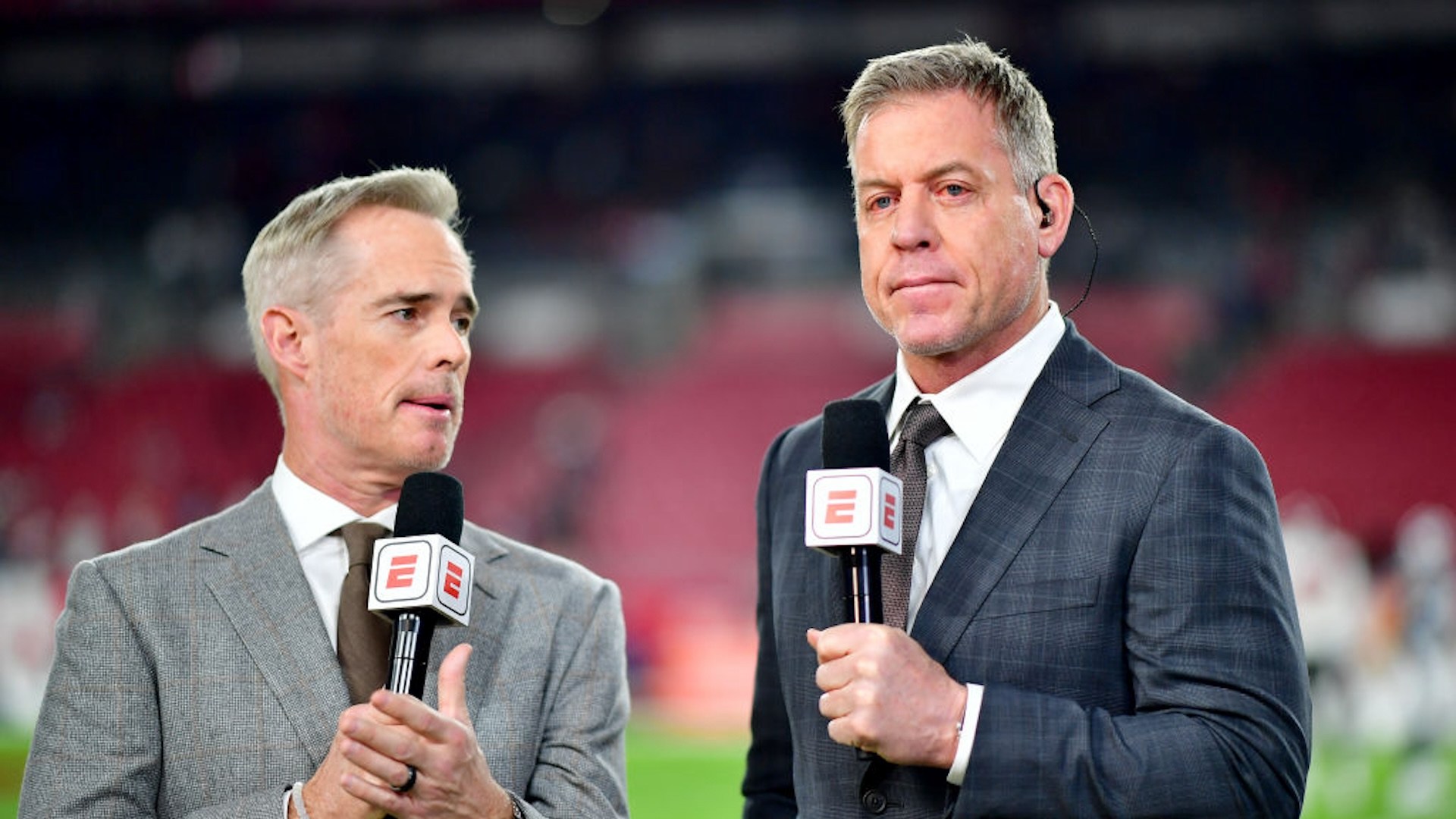
The one common thread in all this is that the same people who hired these guys also fired them. And in all but two cases—the Falcons and Dolphins, for whatever that's worth—the general manager who assembled those rosters remained. And in both those cases, the new owner-whisperer is a former quarterback—Matt Ryan in Atlanta, and Troy Aikman in Miami—because Mark Davis, who gave Tom Brady a lot of money and power to catch some of the filth that usually is thrown Davis's way, did the same thing first. This is where the NFL is at this moment: Mark Davis is a real-deal thought leader.
But the one thing all these teams have down is the actual firing. The 10 owners involved in this cardboard-box cycle have fired 50 coaches and 28 general managers or football operations boss in their time, collectively. None of them are new to any of this; the issue is what they do when their pals in the suite on game day start laughing at their teams, because just as Jack Woltz told Tom Hagen right before he got a horse's head in his bed, "a man in my position cannot afford to be made to look ridiculous." So they do this instead—47 times in this half-decade alone. As a meaningless aside, the coach with the second-longest tenure with their current team, Sean McVay, turns 40 this Saturday.
The other noteworthy thing is that the average number of NFL head coach firings per year is nearly eight in this decade, and rising. This could be because soccer teams have the art of firing all over their American counterparts, taking out the richest and most powerful coaches on a whim and then defiantly dropping trousers whenever they are called on it. Billionaires are imitative types, even allowing for the way they pretend to be singular figures with unique leadership ideas. They are nothing of the kind, of course, and are as a class just people you would emigrate to avoid who happened to have bought a civically significant toy, didn't read the manual, badly broke the toy, and then immediately got to work on finding a shortcut towards being reimbursed with a new and better version of the toy.
Owners used to be influenced by the twitchy media macaws who bellow about the local teams as though they were the voice of a town, or a county, or a state. Those critics are in their way just as much performative twerps as the people they pretend to castigate, and we all surely know as much by now. Fans know even less than owners, and since owners know next to nothing, well, you do the math.
This sort of firing is almost always arbitrary, in short, in every sport, but it's hard to ding (say) a Bills fan who just saw news from the EPL that Lord Nigel Buckethead just canned Marcel Can'tFindHisAssWithBothHands after losing to Blighty And Glove Albumen for thinking, "Well, they must know something, which is one more thing than I can say." And the next thing you know, you're reading a list of potential candidates fabricated by a writer whose work will be parroted by the radio schmoes as though it was useful intel.
It is pure performance at basically every level, as it always is. What makes this year different is that the coaches who were fired or quit this year had an aggregate .548 winning percentage at their just-forfeited jobs. Another way to say it is that the people who are now unemployed won enough to make the playoffs, which would naturally heighten the stakes somewhat.
As Sean McDermott just learned, "making the playoffs" has got nothing to do with it. Coaches, as it turns out, are just like the rest of us—amusements for the emotionally stunted Adult Richie Rich types out there making money while having no earthly idea how, and as such only as good or bad as their last vibe. The ones who last are the ones who actually win too often to be fired (Andy Reid), or have their bosses too scared to fire them and have to look for a replacement (Kyle Shanahan) or work for the children of the rich guy and can still scare their pants off for another season or two (Aaron Glenn). Or, worst of all, they work as a head coach at a state university where the governor of the state gets to do the hiring and firing and is even more of a preening nincompoop than the owner of the local pro team. At the end of the day, there are only so many "good" jobs in any field. NFL head coach is demonstrably not one of them.