

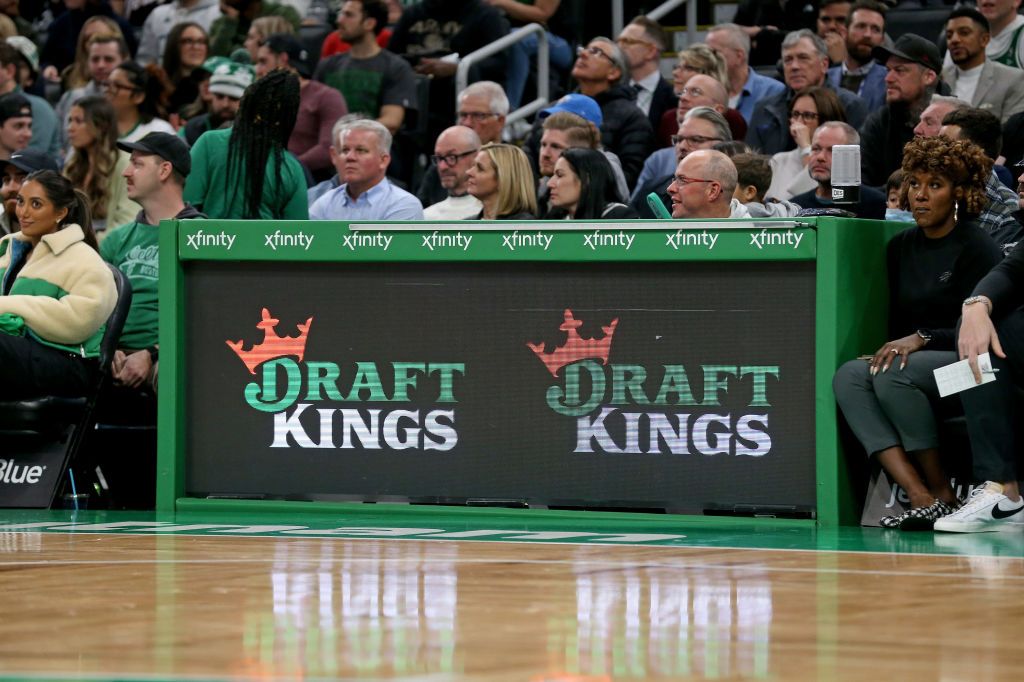
This week, five sports leagues (MLB, NBA, NFL, NHL, and MLS) and their associated players' unions sent letters to gambling regulators in 35 states requesting that something be done to curtail the increasing amount of harassment athletes are facing from angry gamblers. Their proposal: Give teams and players a way to report harassing behavior directly to regulators, and then have the offending bettors banned from placing future bets.
It would certainly be good to prevent antisocial losers who type "kill yourself" into an athlete's Instagram comments from ever loading up a betting app again, but the existence of these letters makes one wonder what else these leagues and their unions could be demanding, and why they are not.
The problem with sports gambling is not that it gives antisocial losers an excuse to harass athletes, but that it constantly creates new antisocial losers. The population of American sports bettors is not one in which there are just a few bad apples that need to be dealt with, but rather a self-replenishing orchard of bad apples. Legalized sports gambling is all but designed to produce the kind of behavior these athletes and leagues are decrying, and the sportsbooks will go on doing just that no matter how many bans are issued, so long as every year brings a fresh crop of impressionable 18- to 24-year-olds for them to market their products to.
The sportsbooks are of course aided in this endeavor by their commercial agreements with the very leagues that are now sounding the alarm. It was not the leagues that decided to make sports gambling legal, but they certainly aided in establishing the industry's nauseating ubiquity by cozying up to the sportsbooks and establishing lucrative financial partnerships with them. If these leagues truly cared about curtailing the amount of harassment their players are facing, a good place to start would be disentangling themselves from the gambling industry and refusing to further aid its project of mass resource extraction. That the leagues have not done this raises a question: Is there a price these leagues are willing to put on their players' safety and emotional well-being? The answer is yes, and it is whatever the sportsbooks are currently paying them.
What of the players themselves? The leagues, which is to say the owners, naturally have less skin in the game than the people who actually have to deal with receiving threats of violence every time some bozo loses his parlay, and yet they appear to be on the same page here. It is notable that these letters were sent by the leagues and players' unions in cooperation, not because it shows how this issue is important enough for them to set their differences aside, but for how it demonstrates that the players' unions are similarly compromised. The revenue the leagues receive from their commercial deals with the sportsbooks end up in the players' pockets as well—the NBA counts sponsorship money from gambling companies as Basketball Related Income, which gets split with the players—and the unions have also cut their own licensing deals with the sportsbooks in order to help make their products more attractive and marketable.
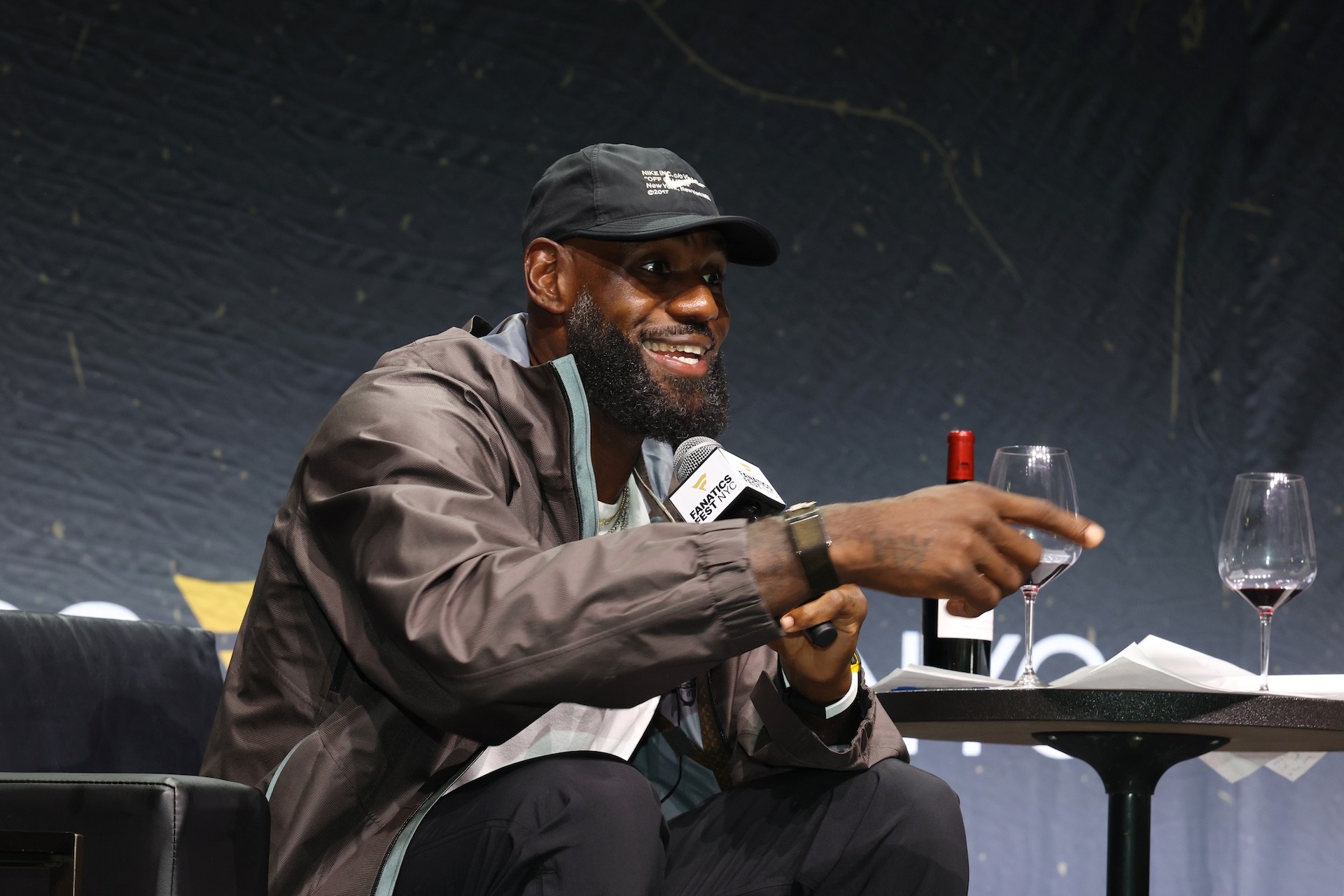
"We carry all of the burden, all of the risk and danger that comes with the association to gambling," NBPA president Fred VanVleet told ESPN. "It was one of those things that was just kind of thrown upon us, and I think everybody's trying to figure out how to adjust to it." It is true that legalized sports gambling was dropped on the players, but their attempts to adjust thus far have robbed them of their leverage. Rather than being in a position where they can use their bargaining power to try and force the leagues to unwind their relationships with the gambling industry, the players are stuck in the same position as the leagues: financially captured and only willing to make demands for half-measures. It is somewhat difficult to cry foul when LeBron James is making $15 million a year to be the face of Polymarket's sports gambling operation, and when the NBPA fought to get a clause added to the most recent CBA that allows players to sign individual endorsement deals with gambling companies.
This is what the gambling industry was buying during the gold rush that followed widespread legalization. All that money was thrown at leagues, players, unions, and media organizations so that when all the bad shit that gambling brings inevitably started to reveal itself, all potential sources of opposition would already be paid off. To the sportsbooks, these letters represent no real threat to their business model or privileged position within the sports industry, and that is the result of money well spent.