

On Friday, the U.S. Ninth Circuit Court of Appeals issued a 3-0 ruling against Kalshi, a ruling that in theory gives states the power to regulate the "prediction market" platform. However strong that sounds, one can't fairly characterize the decision as authoritative. While the San Francisco–based court's unanimous ruling represents the most significant curtailment of the don't-call-it-gambling gambling platform, the fight between the Kalshian cohort of bloodsuckers and those who would regulate them is of a larger and stupider nature than even the nations' biggest appeals court can handle.
We have to start with the odd fact that Kalshi and the Polymarket prediction market are presently regulated by the federal government. Not in any meaningful way, of course—befitting a pair of organizations that have each hired Donald Trump Jr. as a "strategic advisor"—but both are technically overseen by the Commodity Futures Trading Commission, a small agency, created in 1974, that typically governs futures markets and other forms of derivatives. The prediction markets' core argument in the case before the Ninth Circuit is that CFTC oversight is sufficient, which is to be expected given that the scope of that regulatory relationship has amounted to a big thumbs-up in exchange for whatever it costs to buy a Trump son or two.
The CFTC has become a critical arm of the Donald Trump financial crimes apparatus because it has statutory authority to regulate commodities, and to classify all sorts of things that are not commodities, like cryptocurrency and online sports bets, as such. This designation lightens the regulatory burden. Securities, by contrast, are subject to stricter rules, which is part of why the Bitcoin people are obsessed with calling the obviously securitized asset digital gold.
The CFTC is supposed to be governed by a five-person panel, with two members appointed by each political party and a chairman appointed by the president. However, at present there is just one guy: Michael Selig. Instead of a commission taking meetings and holding votes, it's just some guy named Michael. Under the former cryptocurrency lawyer, the CFTC has become a rubber-stamp conveyor belt for crypto, prediction markets, and all the other corruption funnels enriching the Trump family. The agency has filed suit against nine states, and has twice invoked emergency powers to order Kalshi et al., who are essentially the agency's clients, to ignore court rulings.
The specifics are interesting, of course, but it's the broader dynamic that really intrigues. With the federal regulatory apparatus totally captured, the states have taken the fight up themselves. This fight echoes the successful effort by 33 states to carry forth a big case against the Live Nation events-promotion and ticketing company, one that succeeded despite the Trump Department of Justice trying to sabotage it. The case that the Ninth Circuit Court just ruled on came from Nevada, but a total of 20 states are currently engaged in some form of litigation against one or both of the prediction markets. In July, 44 state attorneys general signed a letter attacking the CFTC's "freewheeling power to craft rules from whole cloth" and decrying what they characterized as predatory, unregulated casinos.
The states don't like Kalshi and Polymarket for two reasons. First, the two companies are dodging taxes at a crazy level, an estimated $2 billion per year. Second, they're even more effective money siphons and addiction-onboarding platforms than the legal casinos.
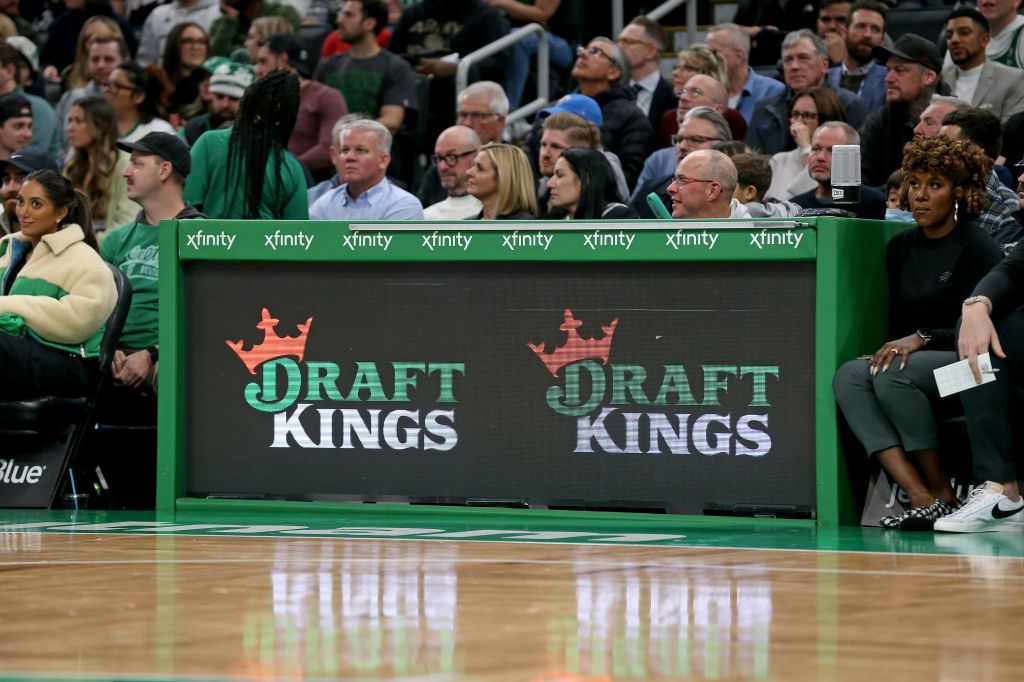
Kalshi and Polymarket (and their stupidest toadies) have argued that gambling's traditionalist wing is behind the legal wave against them, and that 88 percent of the country's attorneys general are simply doing the bidding of Big Casino. DraftKings and FanDuel came in through the front door and tried to get legal approval before setting up shop; having been outflanked by the Muskian unlawfulness of their new competitors, the sports-betting operations once raged against Kalshi and Polymarket, but are now also offering prediction market–style "event contracts." A sinking tide lowers all boats.
This is probably going all the way to the Supreme Court. While the Ninth Circuit ruling is a big deal, it's neither definitive nor unified with other relevant court decisions; in April, the Third Circuit Court of Appeals ruled in favor of Kalshi in a similar case. With a big court battle looming, Kalshi is embarking on what I can only assume is a goodwill tour, as it issued its first-ever lifetime ban this week, to former congressman and notorious fraudster George Santos.