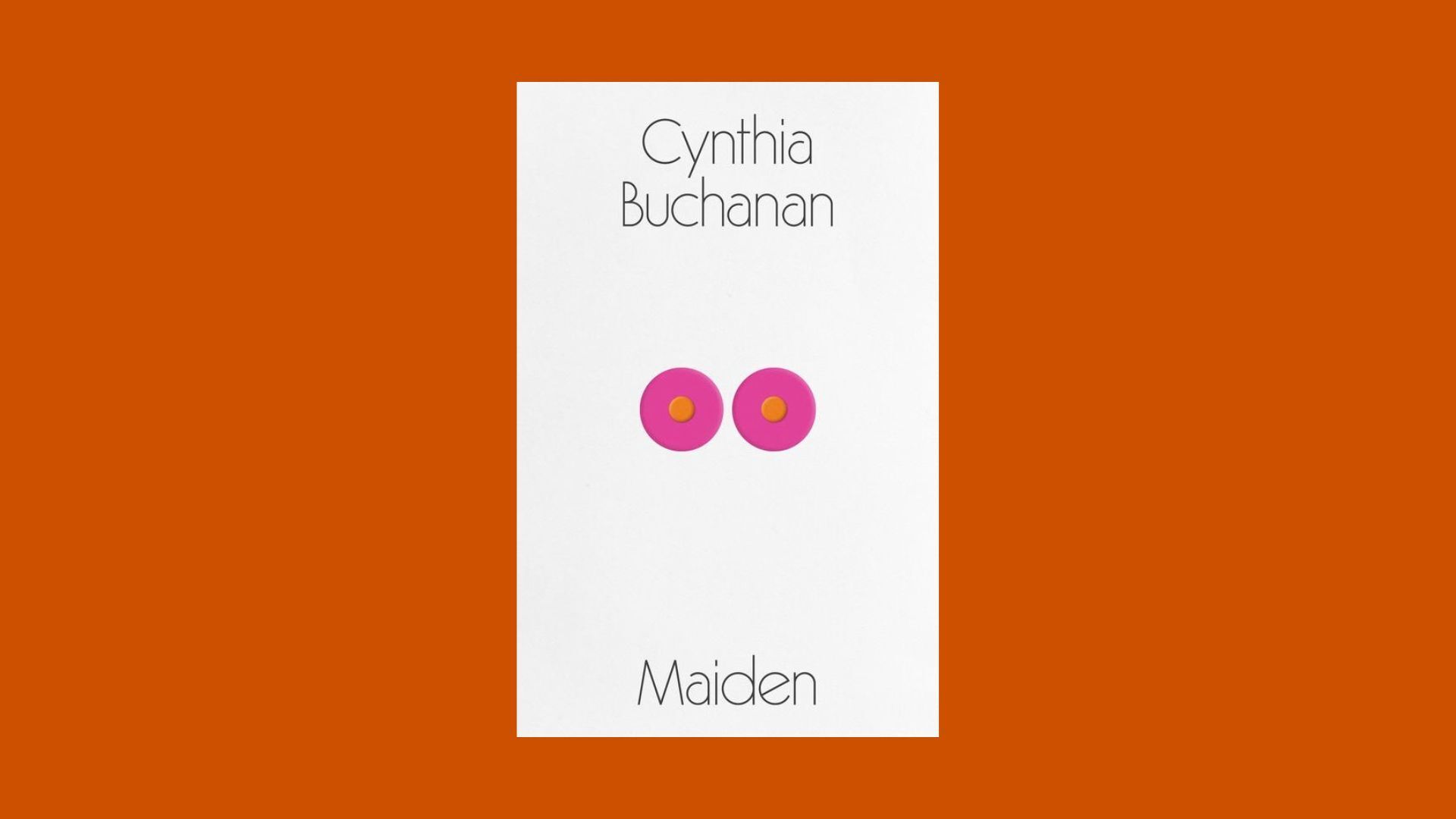

It’s almost quaint to read now, but author Lauren Weisberger spent the majority of her 2003 press tour for the release of The Devil Wears Prada trying to distance it from its obvious source material. “So much of the book is composed of stories from my friends,” she told Publishers Weekly at the time. “A lot of my girlfriends ended up in publishing and in magazines, or doing fashion PR or advertising. Horror stories are the same the world over.”
Weisberger’s horror stories took place at Vogue, under the watchful eye of then-Editor-in-Chief Anna Wintour, who was widely considered to be the basis for the fictional tyrant Miranda Priestly of Runway magazine. In the years since, the book, the film, a musical, and the film sequel have become a cultural phenomenon that far outpaced any initial media gossip about its publication—to the point that over the past few weeks, surrounding the May 1 premiere of The Devil Wears Prada 2, Vogue itself has published dozens of stories pegged to it.
But this embrace by the publication is a sharp shift from when the book first was released. Travel with me, if you will, back to 2003. At the time, Wintour’s party line regarding the book was carefully practiced in its casualness. A piece by David Carr for The New York Times, in which he outlined the moves she had made to keep Vogue ahead of the pack in terms of relevancy—which notably included putting celebrities on the cover at a time when models were the go-to—ends with this vignette:
Sitting in her office with a latte off her elbow, Ms. Wintour smiled demurely when the book was mentioned.
''I always enjoy a great piece of fiction,'' she said with a wan smile. ''I haven't decided whether I am going to read it or not.''
The assumption then was that Wintour was not pleased about the book, though Amy Odell, who wrote a biography on her, has since argued that she didn’t care. Its publisher was reportedly hoping for the same kind of success as had been found with The Nanny Diaries, a similar novel turned mass-market movie about a young woman underling dealing with the New York elite. As the New York Observer noted, this was before talking openly about misery at work was commonplace: “The Devil Wears Prada was something new, a critical early entry in the canon of disgruntled-former-wage-slave literature,” read one article in 2005. In another, from 2003: “Think of her as Condé Nast’s whistleblower.”
Those who were more aligned with Wintour’s stage of career felt differently. Former Vogue editor and Harper’s Bazaar EIC Kate Betts defended Priestly in a book review for the Times; Janet Maslin similarly took issue with the writing. But Weisberger’s book was a bestseller, and picked up to be adapted into a movie before it was even released, setting up its author for a while, even if she hadn’t gone on to write several other books.
“Sources say Wintour has been doing everything in her power to ensure the film version of The Devil Wears Prada fizzles—even threatening to blacklist some of the fashion world’s biggest names if they agree to do cameos,” Radar Online reported when the film was being developed a few years later. “When Wintour got wind that producers had been recruiting major designers for walk-on roles, sources close to the film say she unleashed a flurry of phone calls intimating to the aspiring thespians that they’d be persona non grata in the pages of her high-end glossy if they participated.”
Though a Vogue rep denied that was the case, there was certainly enough anxiety around what Wintour’s response might be that star Meryl Streep (who played Miranda Priestly) recently said, “Well, everybody was afraid of Anna on the first one, so we couldn’t find any clothes. Nobody would give us any clothes.” Unlike the sequel, which is chock-full of household names appearing as themselves, only Valentino Garavani, who had a close relationship with co-star Anne Hathaway (who played Andy Sachs) ended up appearing in the first film, as did model Gisele Bündchen (as a fellow Runway employee), though the latter reportedly checked with Vogue before agreeing to do it. Even screenwriter Aline Brosh McKenna has since said that those in the fashion industry didn’t want to talk to her during her research “because they felt like it would make Vogue look bad.”
Such was the tension then, as social media was just beginning to grow, that Vogue internally was still a somewhat separate and exalted entity. “I wanted very much not to zone in on Vogue and Anna Wintour,” costume designer Patricia Field said in 2006. “Outside the fashion world, how many people in the general audience know who is Anna Wintour?”
When the movie finally came out, it earned far more than its production budget and became a beloved classic, the one-liners still prevalent in popular culture to this day. Coincidentally or not, the film’s release aligned with the start of a shift in Wintour’s media strategy. She showed up in Prada at a New York screening; she repeated this move again for the sequel, only this time, she went to the world premiere. Perhaps she had realized the phenomenon was drawing so much attention that it was better to be seen as being in on the joke. She showed her support for a non-fictional work around that time as well: 2009 saw the release of The September Issue, R.J. Cutler’s documentary about the process of the 2007 edition of that issue of the magazine. Wintour notably promoted the documentary, showing off an actual sense of humor far from the “ice queen” she had previously been known to be. As would continue to be her pattern, she acknowledged Prada the movie more than Prada the book. Begrudging or not, her embrace of celebrity had now extended to her own. “A funny thing happened on the way to Ms. Wintour's cinematic impalement: she not only survives, but her place in the world is curiously ennobled,” Carr wrote in his own review of the 2006 film.
Since the first movie’s release, no matter how many articles are released speculating about when she will retire, Wintour has held on to her perch at Vogue and expanded it. As is mirrored in a plotline in Prada 2, which veers from plot of the actual sequel written by Weisberger to be more ripped-from-the-headlines, she is now chief content officer at parent company Condé Nast. Chloe Malle is the new head of editorial content at American Vogue, though Wintour’s grasp on the publication doesn’t appear to have loosened. Or maybe she’s been there too long for anyone to distinguish where she ends and Vogue begins. The magazine's podcast The Run-Through, hosted by Malle and British Vogue head of editorial content Chioma Nnadi, has devoted no fewer than five episodes pegged to the movie, many of which go into minute detail with Wintour’s former assistants about what was accurate or not so much so about the book, her likes and dislikes: what she eats, what they wore to their first interview with her, how bad her handwriting is. Her former assistant Leslie Fremar, now an in-demand stylist, admitted on the podcast that she was the inspiration for the character of Emily (played by Emily Blunt); famed fashion journalist Plum Sykes wrote a piece for Vogue about the rumors around that character as well.
“I remember feeling it was a betrayal; people weren’t very public about their jobs,” Fremar said in the interview with Malle about the book, explaining that the original galley—which Wintour had given her while warning, “You’re worse than I am”—was much meaner than the final book or movie ended up being. “I definitely told her a million girls would kill for the job. That was definitely my line because I really actually believed that, and I knew she didn’t actually want to be there.” And, in the full-circle moment of all moments, Weisberger published an article last month for Vogue, titled “Life After The Devil Wears Prada.” The circle surrounding her, Wintour, and the rest of Vogue grows closer, all mutually aware of their impact and connection on culture, but never quite touching.
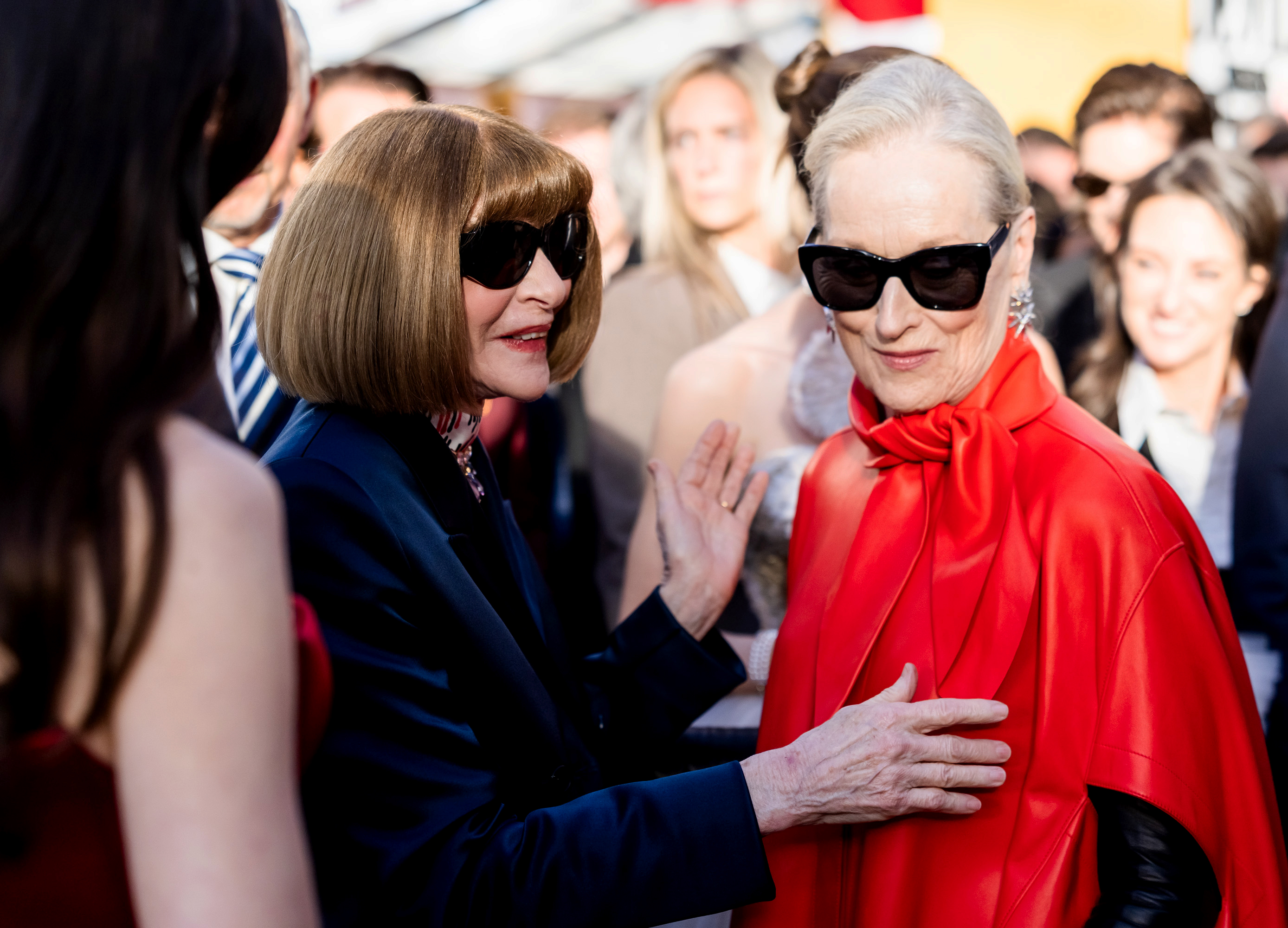
If Weisberger and her book haven’t been fully brought back into the fold, the movie is being held tight. “Have you been surprised at the level to which Anna Wintour and Vogue have been embracing The Devil Wears Prada this time, given that it wasn’t really that way round one?” Joe Coscarelli asked Anne Hathaway on Popcast in April. Hathaway immediately deferred: “She got the joke immediately. As soon as she saw it … she was just great about it.” Hathaway went on to explain that Wintour is close with most of the cast—so much so that yes, she appeared on the cover of the May issue of Vogue with Streep. The cover story, written by Malle, quoted Wintour as saying, “I’d like to say it’s such an honor to be played by Meryl, however distant Miranda is from myself.”
In her Editor’s Letter, Malle glossed over whatever “convincing” she had to do to get Wintour on the cover (apparently Streep did that heavy lifting), but immediately notes the brand synergy that couldn’t be ignored any longer, particularly in a moment when, as the movie argues, in an art-imitating-life-imitating-art way, media is in crisis: “When the team at Vogue learned about the forthcoming sequel, we all felt strongly that Disney shouldn’t be allowed to have all the fun. The Devil Wears Prada 2 conveniently hits theaters the weekend before the Met Gala, so if we wanted a cover tied to the film, it would need to be May’s.” Conveniently indeed!
“It amazed me how universal this book and film had made Anna and, consequently, Vogue,” Malle went on to write. Whereas once upon a time, these brands could afford to ignore such metacommentary—indeed, they may have believed they had to—now it’s clear it’s the best thing that ever happened to them in terms of maintaining either’s continued relevance. And on her end, Weisberger got everything she asked for, probably more so. “Here in New York we’re media-obsessed,” she told Salon back in 2003. “I want to leave New York for a little while, hear from people who are actually reading the book—not book critics, not reviewers, not New York media, but, you know, the people I intended it for.” After I finished the first draft of this piece, I walked past an ad prompting me to use Google AI search to find clothes inspired by the film’s sequel. Yes, the people have spoken. Hopefully they’re all wearing Prada.