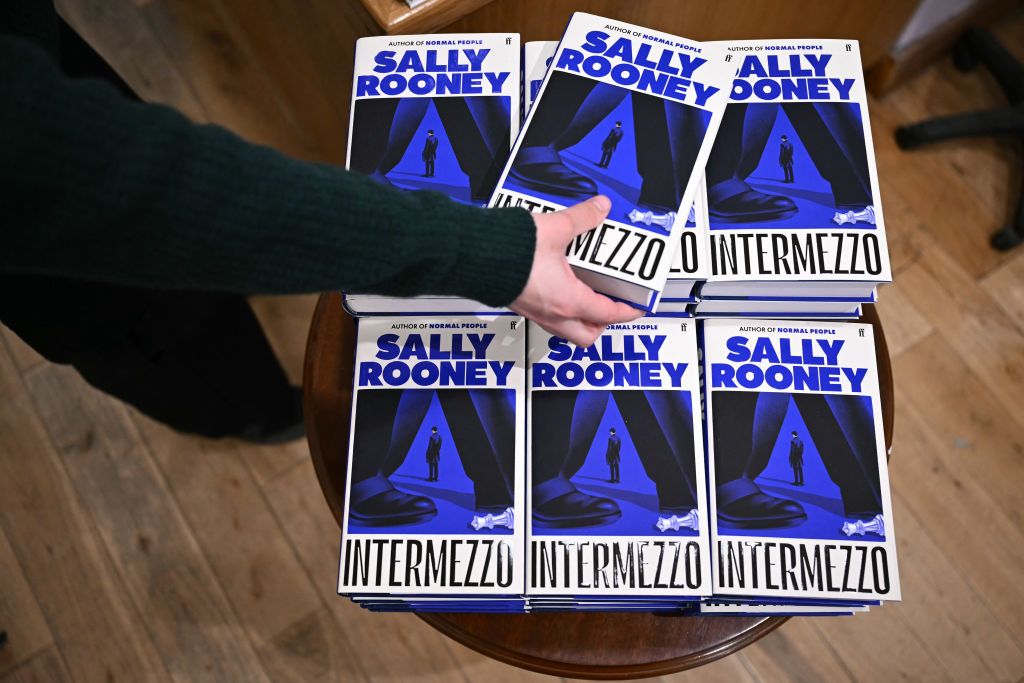



The most haunting entry in Search Work: A Collective Inquiry into the Job Hunt, a recently published anthology edited by Rachel Meade Smith, is also the most vulnerable: a collection of emails between games journalist and author David Wolinsky and anyone who can possibly help him find work. The tone and tenor of the missives will feel instantly familiar to readers who have ever found themselves in a similar position. In the messages, Wolinsky is eager, kind, honest about his situation and what he's willing to do and, most importantly, open to opportunity, however it may present itself. Reading through the entries, which are sprinkled throughout the collection's essays, graphics, and other ephemera, it's clear that the process of how we find work is broken.
Wolinsky sends many followups that never waver in their tone—unflinchingly polite and casual with just enough urgency to show that he cares—toeing the line between follow-through and desperation. What Wolinsky, and the other contributors to the book, are really looking for is humanity and connection, two components that are, in 2026, absolutely necessary to a successful job search and seemingly in short supply.
Looking for work has always been tough, but in 2026 it feels abysmal. It is a daily humiliation ritual. Toggling back and forth between job boards, cover letters, and four different versions of your own résumé, tailored specifically to listings that may not even be real, tests your own fortitude and tolerance for pain. The slog of seeking employment—looking at your email, closing your email, refreshing it, repeat—is its own kind of labor that is only rewarded when you achieve what feels impossible, which is getting a fucking job.
In another entry in Search Work, Kelsey Yandura writes about the rituals of the job search itself, positioning it as a rite of passage: "a patterned set of movements shaped by repetition and cultural expectation that move us through transition." It's necessary to create rituals that counteract the actual rituals of looking for work; for Yandura, it was aura photography and some time in a Buddhist temple. For me (and countless others), it's an attempt to find commiseration and routine wherever it exists.
Computer time, wherein you sit at your computer with a coffee and some hope in your heart, feels productive and ritualistic, which is a two-birds, one-stone kind of situation. If I open my computer and spend some time pecking at various things, I at least feel like I am actively trying to solve my problem. Months of sustained computer time is not good for the constitution, though, and will inevitably lead you to seek anything that proves you are not alone.
Reddit, for better or worse, is useful in this case. The subs dedicated to the agony of looking for work are eye-opening at first. You're not the only person in this boat! If you think you have it bad, someone certainly has it worse. There's a community to be found, even if it's just angry and downtrodden tech workers who use Sankey diagrams to illustrate the futility of the search, in hopes of offering solace to others. On Reddit, the vibe is collegial (misery loves company), but if you're not careful, reading post after post of horror stories about ghost jobs, horrible recruiters, and disrespectful-at-best application processes will reinforce your despair instead of alleviating it.
I made the mistake of looking at TikTok a lot during the early stages of my job search, and my algorithm, normally populated by makeup tips, interior design influencers, and videos of seals doing stuff, took a sharp left turn toward the nightmarish world of recruiters and unemployment influencers yapping about how to trick the ATS into actually getting your résumé in front of a human being. I can't say I recommend this as a suitable ritual for the unemployed, but there is at least a small twinge of relief in knowing that other people are going through it, too.
Being unemployed for any length of time is demoralizing. What you need most when you're out of work is other people: to commiserate, yes, but also to help you get your résumé and information in front of a real human being with eyes and a functioning brain.
If other people are a necessity in the job search in 2026, then it is remarkably and notably horrible that the very platform we're expected to use for that search is a minefield of deceit. If you have not had the privilege of spending time on LinkedIn in recent months, please stop whatever you're doing for a moment of gratitude. It is a singularly depressing place—a website ostensibly engineered for connection that instead breeds a yawning sense of alienation from the project of humanity at large. "Flat whites don't hide behind foam… They're simple. Intentional. No excess," reads a typical post. "B2B marketing could use more of that energy."
This sounds like AI, and might be; everyone on LinkedIn is absolutely obsessed with AI. Scrolling the main feed suggests that we are not nearly concerned enough about AI's impact in the workforce, for good or for evil, depending on the day and the poster. A 34-year-old tech CEO's 500-word musing about AI's immense capabilities for growing a multiple-stakeholder business fast and at scale is not information that I, or any other job seeker, needs. But it is increasingly the only kind of information available on LinkedIn, where smarm and self-aggrandizement are the currency. Each post is a screaming neon sign, begging for a click, promising usable, actionable insights below the jump. The most successful posts are essentially gotchas: Click in the hopes of finding anything usable, new, or otherwise interesting, and you will be rewarded with corporate word-salad slop, usually presenting a fictitious problem (your business sucks), a guaranteed solution (fire everyone and use AI), written in a manner that's highly suggestive of AI. It is a nightmare.
Nothing about this behavior, whether it's posting or engaging, is necessarily going to lead to a job. It's the potential that it could that keeps this engine running. Maybe I could be the person to bring flat white energy to B2B marketing. Maybe that's how I can make rent next month.
Part of the job search is understanding the difference between confidence and delusion; one is healthy, the other is not, and on LinkedIn the two are often conflated. Navigating this kind of environment, when all that you want to do is find one to five jobs to apply for before closing your computer and going outside, is immensely draining. Search Work functions as a necessary antidote to the mental poison that comes from staring at LinkedIn, if only because it exists as tangible and incontrovertible proof that this process sucks for everybody. "At night, I star my rejection emails then have conversations with myself about how they really are redirections," Raiesa Ali writes. "I cry in the shower anyway."
Smith's book is a balm for the loneliness and insecurity that arises from this process. Read all at once, especially in the middle of a job search, Search Work alleviates the despair, if only by proving the very obvious: If you're out of work now, you're not alone.
In a particularly resonant entry, writer Ọlákìítán Adéolá details searching for a job as an immigrant, a status which adds a particular desperation to the hunt for work since a visa is on the line. Adéolá, a poet and artist, writes, "I chased work I detested, running myself ragged for money because these laws convinced me so deeply that this is what I must do." Reframing rejection as a gentle nudge from the universe toward something better, even if you can't see it right now, is the best (and only) path forward, because every other alternative is a trapdoor, plunging you into immediate despair. "In retrospect, rejections from jobs I applied to were blaring horns for redirection," they write, a mantra of sorts that I've repeated to myself when moved to angry tears over the current state of my finances or after I've indulged in my new morning ritual of badgering my tarot cards for guidance. But truly, the only way to stay sane is to embrace that philosophy. It reinforces what I know to be true: The job that I want will be the job that I get.