
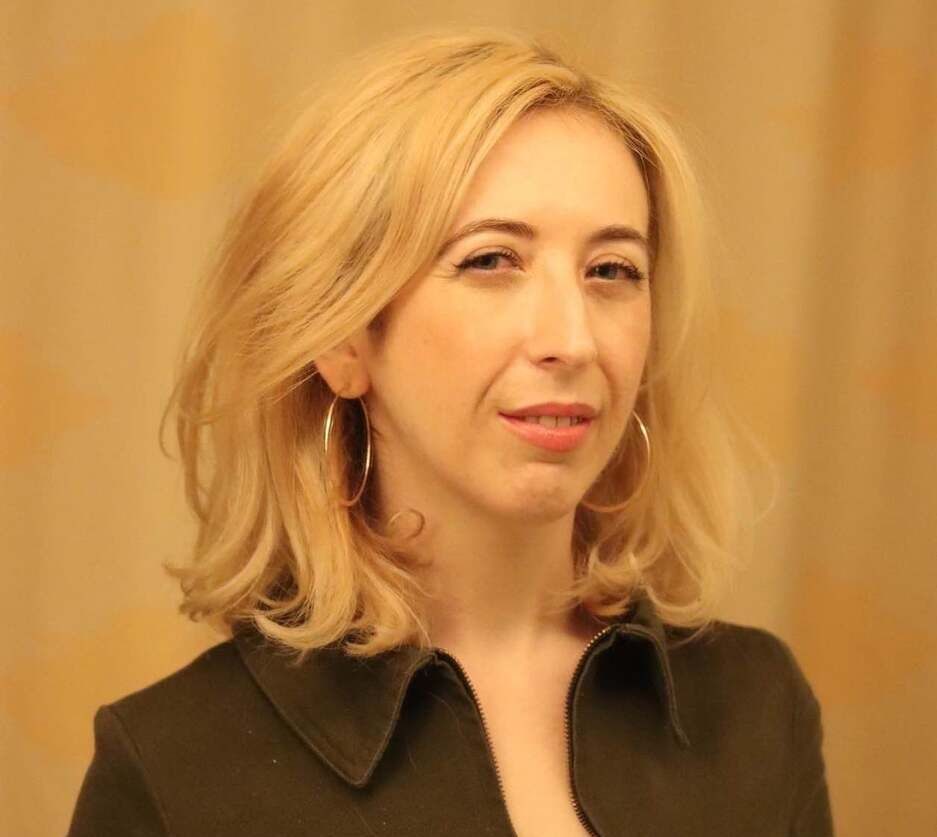
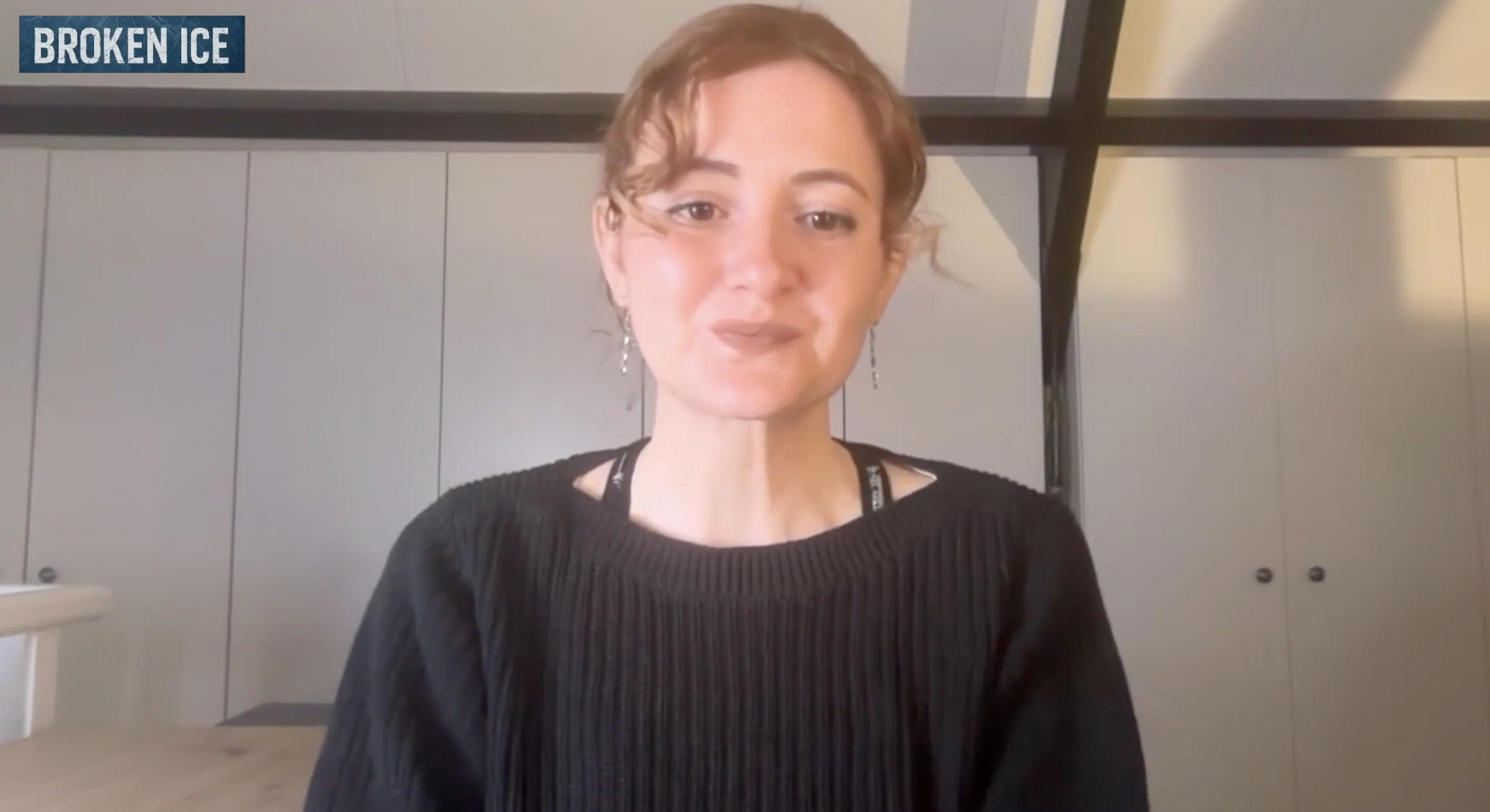
The figure skater who said that Canadian ice dancer Nikolaj Sørensen sexually assaulted her—leading to Sørensen's ban from the sport, and his former partner (and current girlfriend) teaming up with a new skater, with whom she won Olympic gold—is speaking publicly for the first time. She is Ashley Foy, a former figure skater from Connecticut who now coaches. USA Today's Christine Brennan shared on Thursday a statement from Foy. Foy also gave an extensive interview to the newsletter Broken Ice.
Breaking Olympic news: the survivor in the alleged sexual assault case I’ve been writing about for 2 1/2 years has come forward publicly with her name.
— Christine Brennan (@cbrennansports.bsky.social) 2026-04-30T17:00:05.885Z
The statement references several of the darker parts of recent figure skating history. Bridget Namiotka was among several skaters who said she was sexually assaulted by U.S. national pairs champion John Coughlin. Coughlin died by suicide not long after the investigation and restrictions placed upon him became public. Namiotka died in 2022, after struggling with addiction. Olympic medalist Ashley Wagner also said she was sexually assaulted by Coughlin.
Gabi Papadakis was one half of the French ice dancing team that won gold in Beijing with her longtime parter, Guillaume Cizeron. After Beijing, the duo broke up, and Papadakis published a memoir last year in which she described her former partner as "controlling, demanding, and critical." The memoir delved into why abuse happens in figure skating, discussing how the sport prioritizes men over women, and in her writing Papadakis revealed that she was raped twice, once by a choreographer-coach. In response, NBC dropped Papadakis from its broadcast team, saying her comments meant she now had a conflict of interest—because Cizeron was competing again, now along with Sørensen's former partner, Laurence Fournier Beaudry. (Sørensen has denied the allegations, and he could be seen during the most recent Olympics in Italy, supporting the new French team on its way to gold.)
Speaking with Broken Ice's Lori Ward, Foy said she stayed anonymous because she worried about professional repercussions. But in the years since she first reported what happened in 2012, she felt it was time to identify herself, especially after comment made by Cizeron and Fournier Beaudry, who got the Netflix treatment in a three-part series on ice dancing leading up to the Milano-Cortina Games. In the documentary, Fournier Beaudry was portrayed as the broken-hearted woman standing by her man who also refuses to give up on her unfairly deferred dream.
"I just want people to know the survivor is a real person and somebody that's still very involved in the sport," Foy said. "And I have to live through this every day."
In the interview, Foy described the night she said she was raped as well as what happened afterward. She knew she shouldn't shower, she said, and she knew she should immediately go to the police. But the tight-knit community of high-level figure skaters meant that she also felt that reporting it to law enforcement would be "like betraying a family member." She worried about Sørensen being deported and even what his parents would think. She said she thought about what it would mean for her own career. Calling the police, she said, meant "I would be blacklisted." After all, this was figure skating, and "they'll just find another girl." So she got in the shower, and she cried.
Foy said she thought about speaking publicly during MeToo, but she grew disheartened by trying to figure out who would have jurisdiction over the case. So she focused on taking care of herself, until she saw an interview with Sørensen in which he talked about the importance of protecting women and girls in the sport. She decided to try again. Foy reached out to Canada's sports authorities because Sørensen skated for that country.
"I think almost the hardest part of the whole assault was the reporting process," Foy said, "and how difficult it has been to go through this."
The process has taken years and is still ongoing. The suspension was overturned by an arbitrator, who ruled Canada didn't have jurisdiction. That decision is now being appealed. When it will all end isn't clear. Foy pointed out in the interview that the confidentiality and secrecy required by the process made it difficult for people to defend themselves or set the record straight. The secrecy ended up shielding not just her, but also the very agencies and people in charge of enforcement, who were all trusted to do the right thing. Foy said she still fears retaliation even though she isn't saying anything that isn't in the public record. As for Skate Canada, she believes they could have been more transparent, and she had the feeling "there were active attempts to basically make this go away."
"It's almost as if they make it up along the way," she said of the process, later adding, "There has to be a better way."