
Try this, maybe: Think of the internet as an ocean vast enough to contain a near-infinite constellation of distinct watery biomes, each populated by creatures that have evolved to suit the one in which they live—a bunch of weird creatures traveling in schools, chasing each other around, eating each other, and, in the most inhospitable depths, eating shit in the inky dark. Even to get your feet wet in this ocean is to know that it is bigger and colder than you could grasp. I don't know how to properly describe the uncanny feeling of becoming aware of how many online realities are unfolding, often in ways that draw big audiences and throw off real profits, in browser tabs I will never open, just as that hideous translucent deep-sea crapfish could not describe the experience of living in water. It would in some ways be a cruel thing to drag it up from the depths to show it a bunch of cavorting dolphins, but mostly it would be pointless. It would be too bright for it to see anything at all.
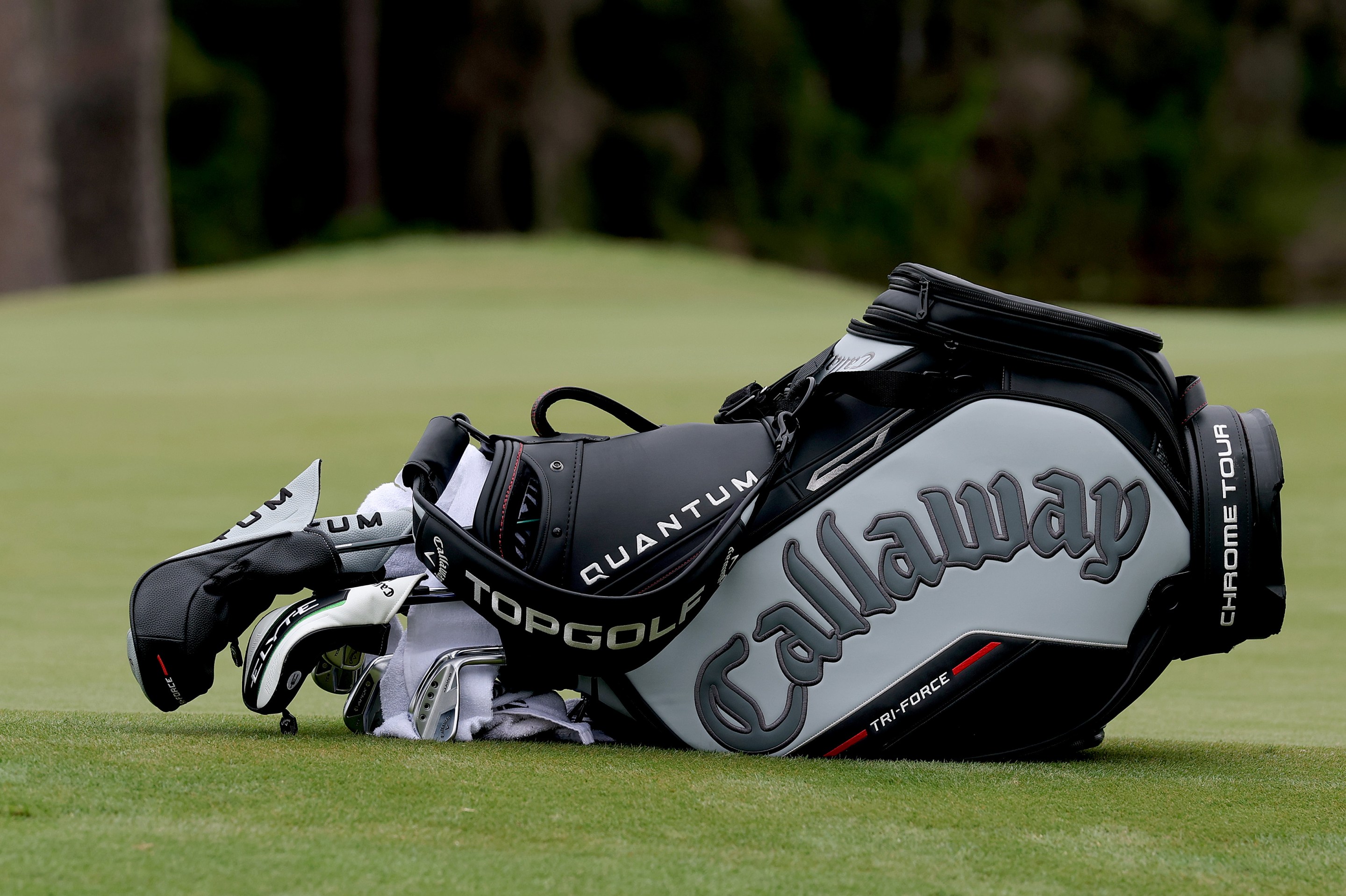
This is how I feel when confronted with the story of Good Good, which started as a golf YouTube channel and swiftly grew into a sprawling brand that sponsored PGA Tour players and a PGA event; they partnered with the brand Callaway Golf and raised $45 million from a group including the Manning brothers' Omaha Productions. This company was growing fast and lucratively, in a number of different directions, in a part of the ocean that I do not visit or really even know how to look at. Golfweek described the company's vision as "blending creator-driven entertainment, professional-caliber competition, and fan engagement into a format designed for golf's next generation of consumers." This is legible enough, but also there's a lot going on in that sentence, little pockets of vibe and affinity that are related enough to exist within the same space, but otherwise not notably in conversation. A lot of companies and a lot of YouTube are also like this.
The events that have led to the unraveling of Good Good over the past few weeks, by contrast, are easy enough to understand. As part of their partnership with Callaway, Good Good made a strange, bad ad that begins with Good Good creator and co-founder Garrett Clark violently pushing a woman, golfer and fellow Good Good creator Alexis Miestowski, to the ground when she tries to touch his Callaway driver. Clark then stands over her and says in a menacing tone, "Do not touch my new driver."
The ad, which was ostensibly a riff on the movie Obsession but otherwise too bad to parse, went over poorly. Major retailers pulled Good Good merchandise from their shelves, and Golf Galaxy took its name off a Golf Channel show it had sponsored alongside Good Good, which led the network to table the show. PGA Tour CEO Brian Rolapp described the ad as "concerning." In a statement in which he admitted that his company had approved the ad, which Good Good produced, Callaway CEO Chip Brewer said "that approval should never have happened. Mistakes were made and we are taking the matter very seriously."
Callaway subsequently pulled the ad, made one fulsome apology and then a second, donated $1 million to charities dedicated to preventing domestic violence, and cut ties with the brand. Good Good, for its part, duffed not one but two attempts at an apology. Co-founder and CEO Matt Kendrick posted, at 3:38 a.m. ET, a tweet which read: "Interesting that Callaway Golf asks us to make an ad then approves it then asks us to take the fall then drops us in a coordinated media blitz and covers it up by giving a million dollars away thinking everyone will be ok with it. 30 for 39 will be legendary." Last Wednesday, Kendrick and Good Good president Joe Flannery, who had started just days before the ad was released, both stepped down.
There are some extremely obvious lessons to take from this, regarding how to not market your pioneering new golf club as well as the risks of aligning your big global brand with YouTube dunces, and it seems both redundant and rude to remind Callaway of those at this moment. The other brands that have taken long positions on partnering with social media creators and influencers have surely made note of all that, too.
None of this is especially difficult to understand in the abstract. Creators like Good Good have an audience that companies like Callaway want to reach and mostly do not understand. "There's probably a stigma from like the older golf fan that 'only 12-year-olds watch that,'" Kendrick told Golfweek back in 2025. "Well, if you actually knew our demographic, you would know that it's 24-to-35 is our main demographic." In giving Good Good the benefit of the doubt, on things like this bafflingly and obviously bad ad but also in general, Callaway entrusted the brand's reputation to an outside partner that they trust to speak to that audience in a way they'll understand. That Good Good duffed it is inarguable at this point, but there is also that classic showing-dolphins-to-a-crapfish aspect inherent in this sort of thing even when it works. Ben Goren, a writer and marketer, summed those risks up well in his newsletter in late August:
For as ubiquitous as social media is, it has become almost unfathomably segmented. You can earn millions of views and millions of followers without Joe McAverage American having any clue who you are. Joe McAverage American is probably upset that you think he should know who that random TikToker is. And when someone doesn’t know who you are, they are extremely unlikely to have even a moment of hesitation before throwing you into the garbage can when you bore them, confuse them, or, in the case of Good Good, upset them.
In a second post, Goren does a good job illustrating the broader state of play in the golf influencer space, and how the big brands have approached and should approach partnerships with them. There are lessons there, too, both for brands trying to figure out how to use influencers to their advantage and a sport trying to figure out where its next generation of players will come from. As someone who is less interested in marketing or golf than Goren, what I find interesting about this story has less to do with its YouTube-damaged or golfy particulars and more to do with how likely it is to repeat itself elsewhere in the culture.
But also the golfy particulars seem instructive. The sport is in the middle of an authentic surge in popularity, and confronting the happy challenge of having to figure out how to get all those interested new golfers, many of them kids, onto actual golf courses. The brands and institutions that stand to profit from this interest—companies like Callaway, which will sell them clubs and bags for as long as they are playing golf—know where those golfers are, but not really who they are or quite what they want; this is mostly because they are brands and institutions, and as such would naturally struggle with this kind of thing.
And so they have to delegate, or just defer to what YouTube's viewer stats tell them about what those people like and want. This is how cycling's Vuelta a España winds up bringing aboard a member of the Vertical Video Community to chaotic effect, or how the previously bottomless resources of Saudi Arabia's Private Investment Fund created a new and ostentatiously "louder" golf tour that went bankrupt before it figured out what else it might have been. The institutions are guessing, and sorting rude metrics from high to low. The size of the ocean humbles even the biggest fish in it.
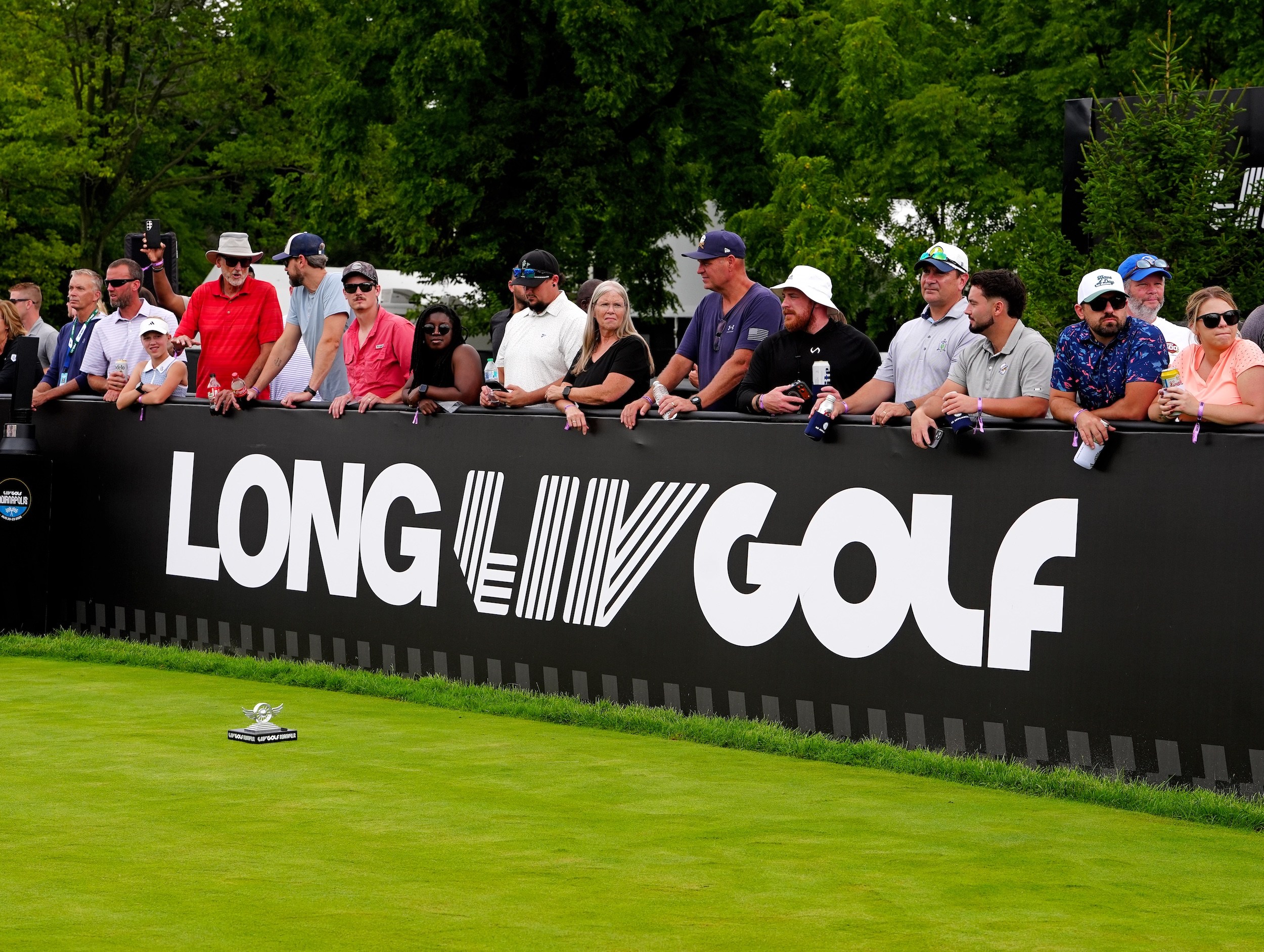
It would honestly be kind of worrying if Saudi Arabia's PIF somehow had its finger on the pulse in this regard, but there's only a cold sort of comfort in watching them fail. LIV Golf never quite became a business because the people in charge didn't seem to think they had to do that, until they really needed to do it; they did what the rich people above them wanted, without worrying about whether anyone else alive wanted any of it. But if the Good Good story illustrates the peril inherent in big brands trusting feral web goofs to tell their stories, the cringe and carnage of those big brands trying to tell that story themselves demonstrates why they still need to rely on influencers and creators.
It seems reasonable enough to assume that Callaway approved Good Good's awful, stupid, brand-wrecking ad because they assumed that there was something in it they didn't get; that assumption, and that sense of what they didn't understand, is why they got into business with them in the first place. Callaway's size and status meant that they could survive being wrong in a way that Good Good couldn't, but the problem that brands like Callaway bring in creators like Good Good to solve is a stubborn one, and one those companies are uniquely ill-suited to address. They know enough to know that they don't know how to find or talk to the people they need to reach, and they're right about that; they're astute enough to identify the creators that do know that, and rich enough to pay them. But that's not enough.
If these brands knew what they wanted to say—if they actually had anything in particular to say, or any real sense for the people they want to say it to—it might be easier. Goren, for instance, makes a case for selling golf not as just another backdrop for Good Good-style bits and goofs, but as a worthwhile craft and pursuit in itself. In the absence of any such commitment, institutional players—and businesses, politicians, and others with an interest in shaping and steering those people's opinions—are mostly just casting baited lines out there to see what they can catch in the places where they think they might catch them. But the ocean is the ocean, and having a map of it is very different than having a useful understanding of it. All that money and all that reach and all that work, and they still can't think of what's down there as anything but food.