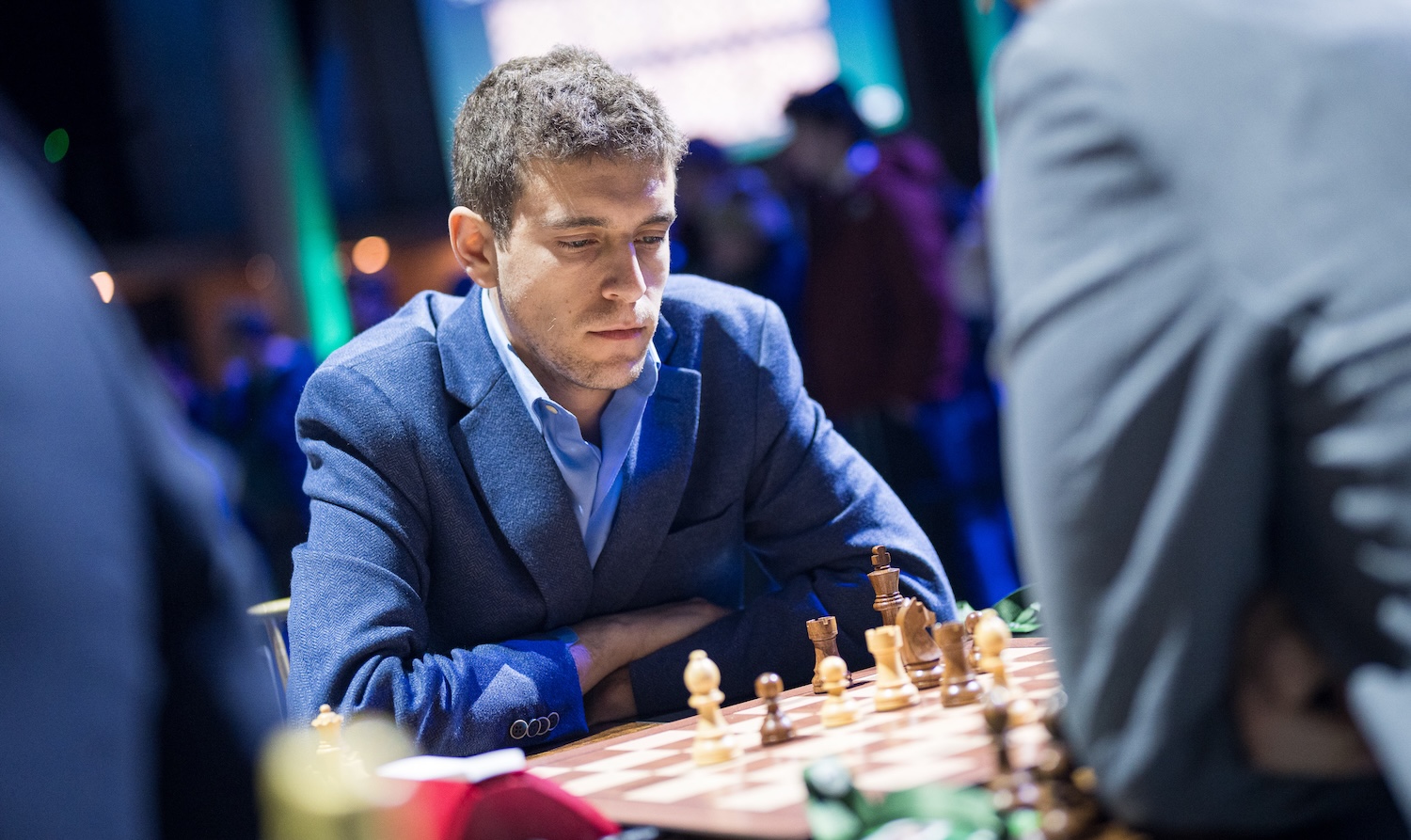
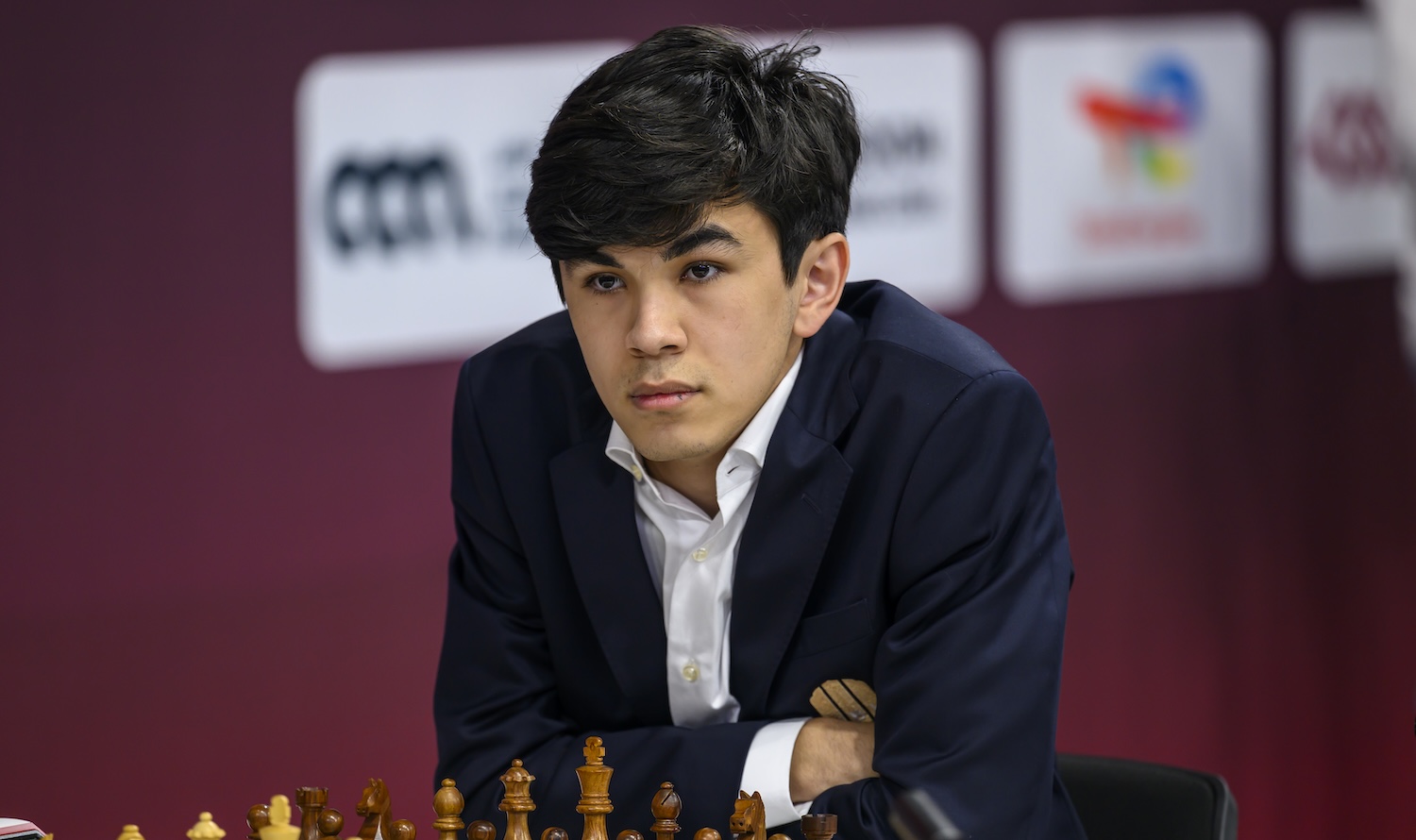
While Hikaru Nakamura was making an ignoble sort of chess history, Javokhir Sindarov yawned.
Just 12 moves into their fifth-round match at the 2026 Candidates Tournament, the 20-year-old had tied the world's second-ranked player in quite the knot, forcing Nakamura to sit and think for over an hour. Nakamura, playing with the white pieces, attacked Sindarov with the Marshall Gambit, though the Uzbek player surprised the American by castling on the 12th move. Nakamura was down two pawns and clearly not prepared for Sindarov to counter him like this, so he thought for 67 minutes and 44 seconds, only to screw up. "He just thought one hour and played the wrong move," Sindarov said afterward. "And after this I take this advantage and played very well, in my opinion."
Sindarov is currently taking the 2026 Candidates by storm. He got himself into big trouble in his first match against Andrey Esipenko, only to reverse a huge time disparity and win a stunner. By the sixth round, he had already tied the record for most match wins at a Candidates with five. He has drawn three times and has yet to lose, taking an extremely impressive two-point lead into the ninth round on Wednesday. Sindarov made his Candidates debut this year as the fifth-highest ranked player at the tournament and 12th-ranked player in the world, and he beat three of the four players ranked above him on the first time through the round robin. This is one of the strongest debuts possible, and it has even caught the attention of recently self-exiled chess king Magnus Carlsen.
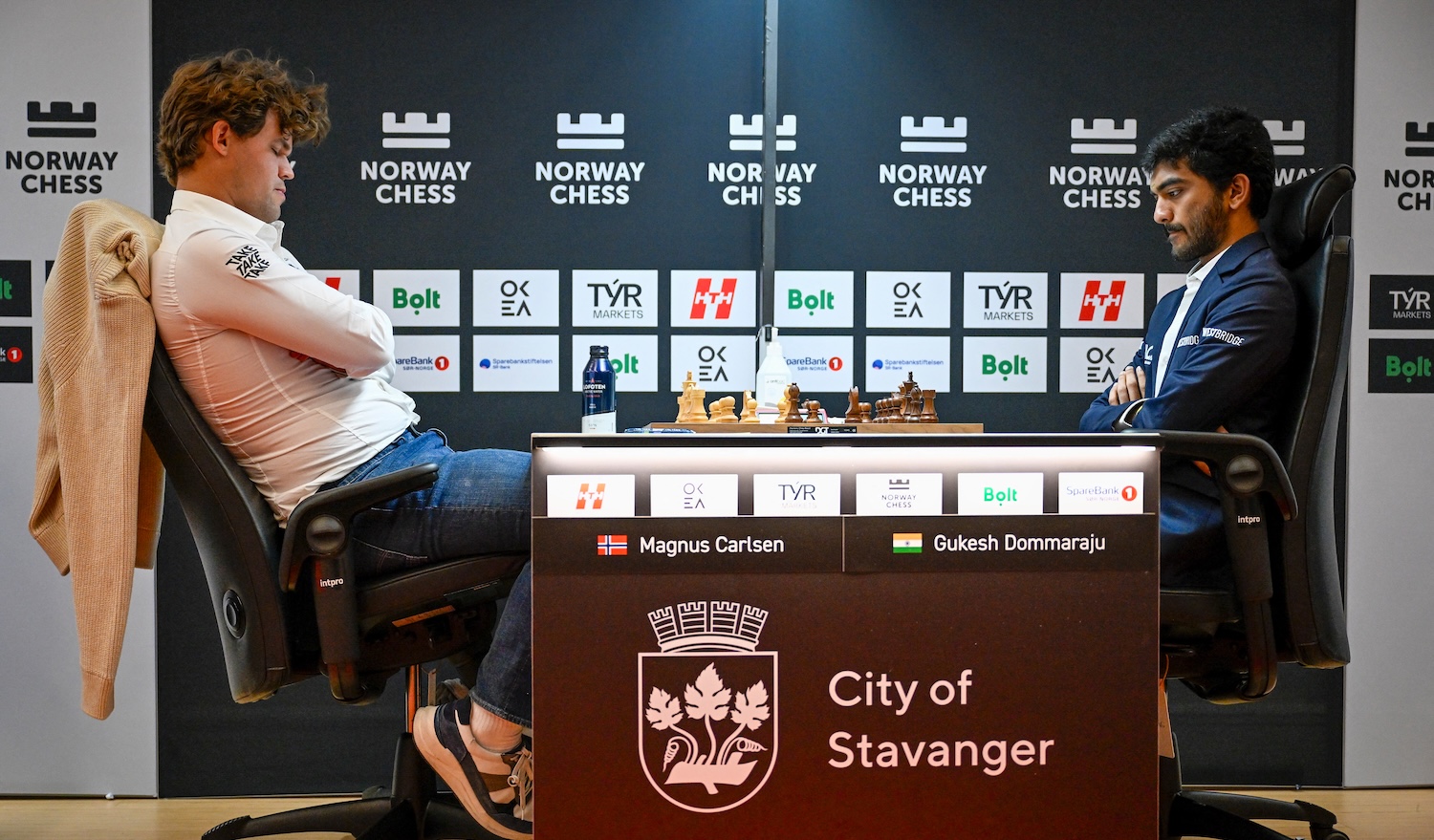
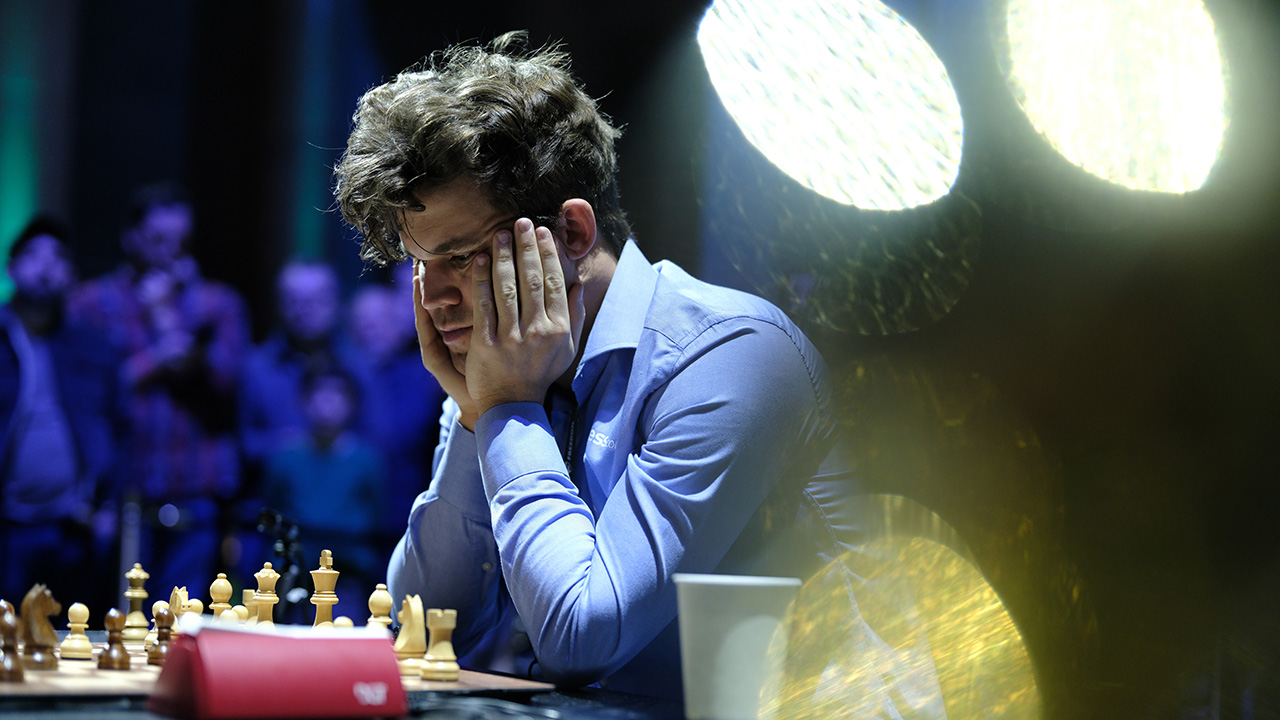
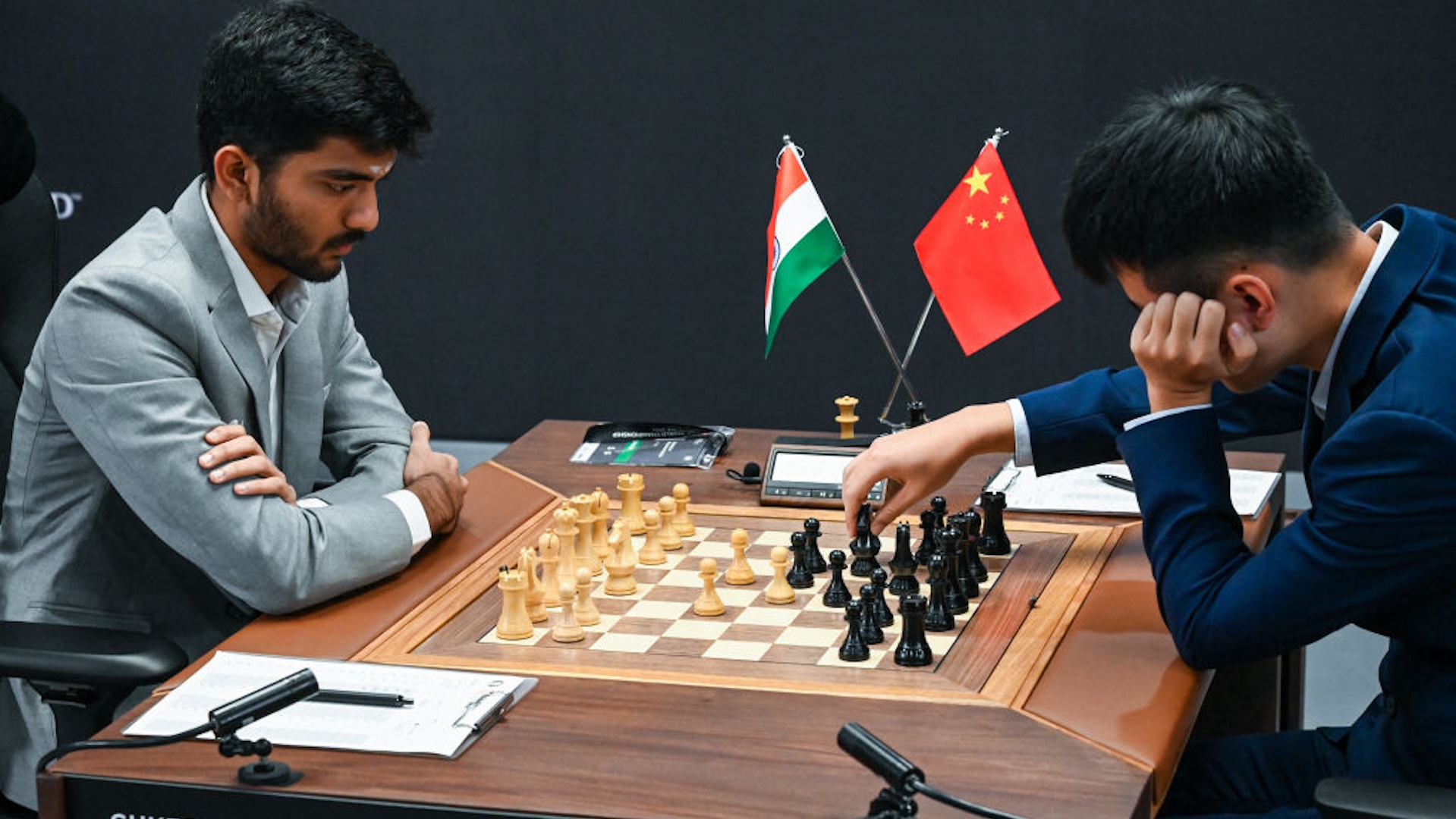
"I think he can play any type of position and he's just very, very talented," Carlsen said. "My wife asked me the other day what's going on with Sindarov's performance. She asked 'Have you ever done anything like that?' And I was like, 'Yeah, thanks for asking, but not really.'" In Carlsen's defense, he has only played the Candidates once. Sindarov has put forth a stronger first-half performance than any other player in Candidates history since the tournament adopted the eight-player double-round robin format in 2007. If he can keep up his lead over Anish Giri and Fabiano Caruana—which the American generously made easier Tuesday by losing to Nakamura in the eighth round—then Sindarov will set himself up for a showdown for the title later this year against India's Gukesh Dommaraju, fellow chess child and the youngest undisputed world chess champion in history.
It's a surprising debut, though close observers have been keeping a keen eye on Sindarov since he started setting records as a youth player. Sindarov achieved grandmaster status before his 13th birthday, making him one of only five 12-year-olds to reach the ranking. The story of Sindarov's rise begins a year before he was born, when his countryman Rustam Kasimdzhanov became the FIDE World Champion in 2004. This prompted Uzbekistan to prioritize training the next generation of chess players, a strategy which has paid off handsomely: Uzbekistan won the 2022 Chess Olympiad and the country has four players in the men's top 50. Sindarov isn't even the highest-ranked Uzbek player, as Nodirbek Abdusattorov is currently the world No. 4.
Sindarov's composed aggression is all the more impressive given the serious pressure that comes with playing in the Candidates. The world is watching, and more experienced players have tended to perform better in the crucible. But Sindarov is very well prepared for the tournament, as evinced by not only his performance and the amazing trap he sprung on Nakamura in their match, but also by his having unintentionally leaked his own preparation: Sindarov forgot to make over 100 studies on his Lichess account private.
This is potentially quite a big deal: Grandmasters at this level treat their prep as seriously as a state secret, and they go to ridiculous lengths to do so. Any information that gets out, even if it's the identities of the various grandmasters training with a Candidate, is potentially harmful to a player. Future opponents have a stronger idea of what theories they're working on or what strategies they might employ to throw them off during certain openings.
The margins are so thin at this level that a single surprise as deep as 20 moves into an opening exchange can make the difference between challenging Dommaraju and going home. For his part, Sindarov is unfazed. When asked about the leak, he said, "It's not a big deal."
He is now five rounds away from making it to the championship, which would mark a further departure from the Carlsen era. Caruana played Carlsen for the title eight years ago, and the player Dommaraju defeated, Ding Liren, is 33. Seven of the top 15 classical players are now 22 or younger, and though Dommaraju has been in something of a slump recently, he still holds the title.
It's an exciting time for chess. The hangover from Carlsen walking away from the world champion title while still clearly the best player in the world has made the scrapping between other members of his generation feel relatively insignificant, but now that we have an impressive crop of feisty youngsters, it feels as if the game is moving forward again. One hopes Carlsen will have his interest piqued and will come back to challenge the best of the kids.