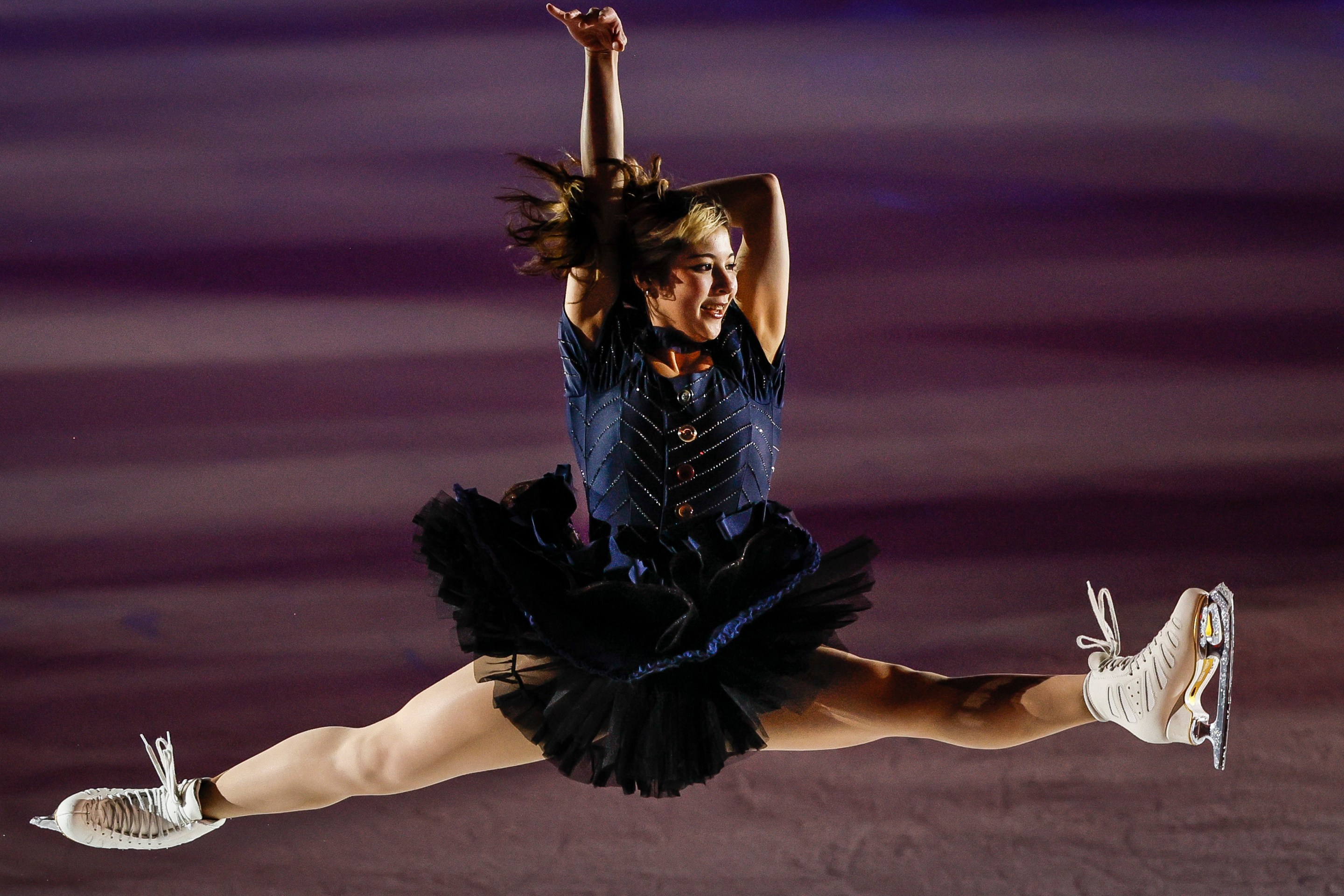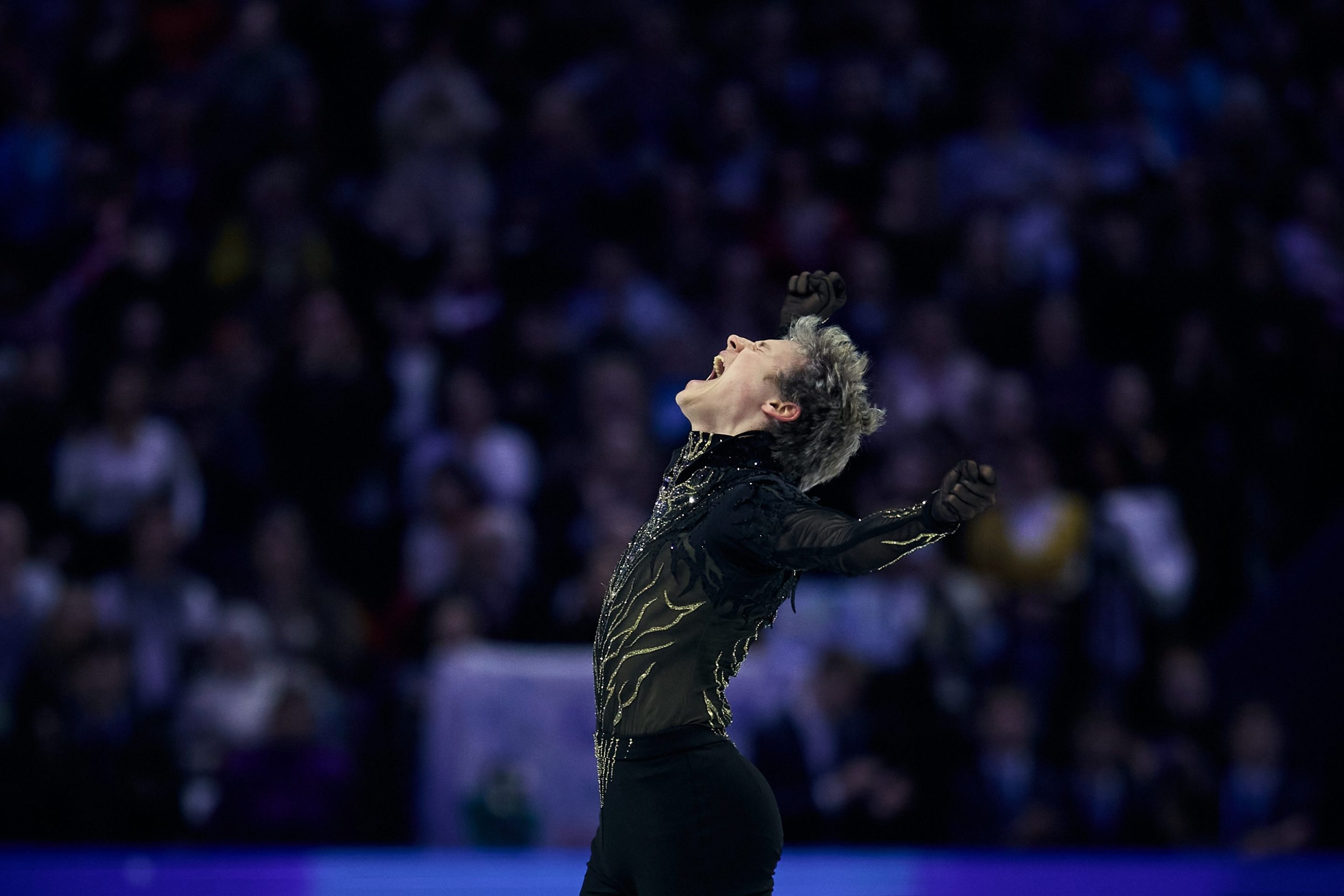


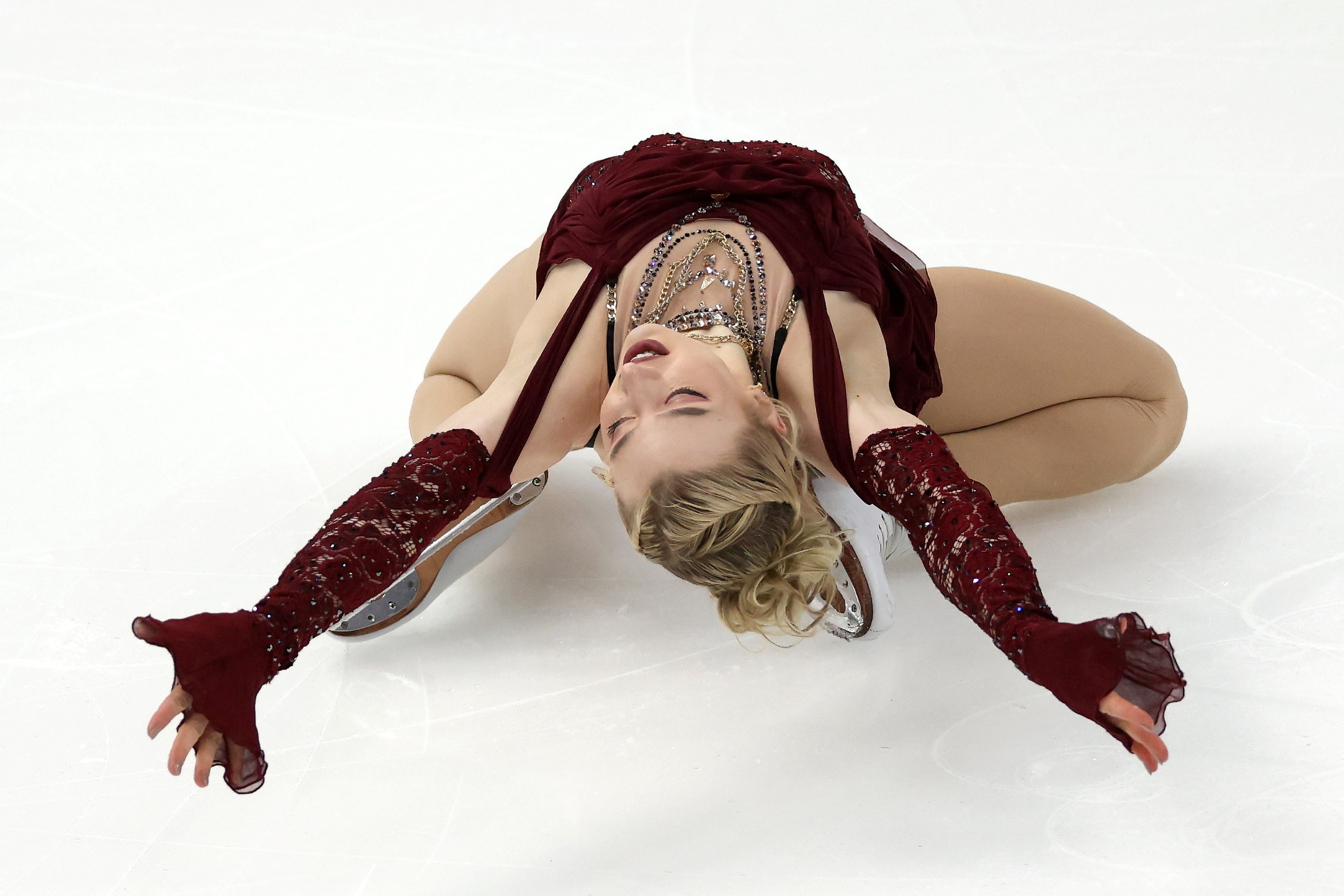
On Sunday, U.S. Figure Skating announced its Olympic roster, which adhered, as is natural, to the top three performers at its national championships. The men's event saw the most upheaval from the anticipated roster, but not in a way that was particularly interesting for Olympic prospects: Ilia Malinin is still the prohibitive favorite to win everything, and no other American man is expected to contend seriously for a podium finish. By contrast, the expected Olympic roster in the women's event nailed their programs: 18-year-old Isabeau Levito, who enjoys an ice princess image on ice; and two serious contenders for the Olympic podium in 20-year-old Alysa Liu and and 26-year-old Amber Glenn.
Unlike Liu, known to the greater populace ever since she became the U.S. women's national champion and the country's women's figure skating savior at age 13, Glenn was not an immediate prodigy. (Whether being a prodigy is to anyone's benefit is highly debatable. Liu retired from figure skating after the 2022 Olympics, when she was only 16, though her story has had a happy continuation: She made a practically unheard of return to the highest level in 2024, and found out how to skate on her own terms. As Levito said of Liu in a press conference last week, "She keeps the hoes on their toes.") What Glenn does have over Liu, and much of the women's singles field, is the ability to nail a triple Axel.
In the recent post-quad era of women's figure skating—brought in by the banning of the Russian skating federation and a raise to the minimum age of participation at the senior level—the triple Axel is the massive technical differentiator. The Axel is one of the easiest jumps to recognize by a figure skating neophyte, as unlike all other jumps, the skater faces forward at take-off; this also makes it the toughest, as the Axel requires an extra half rotation. Correspondingly, the base value for a triple Axel sits at 8.00, compared to the double Axel's base value of 3.30. No other triple jump has a base value above 6.00.
Glenn's triple Axel is a relatively recent development. After several years of attempts, she landed her first clean triple Axel during the 2023–24 season. Since then, Glenn's success at the highest level has been a matter of executing a clean program; unfortunately, Glenn has had somewhat of a reputation for getting in her own head while under pressure. Even as recently as this year's Grand Prix Final, she popped her attempt in the short program and only came away with a single Axel. Her triple Axel, when she commits to all of its three-and-a-half rotations, is a sight to behold. It looks so effortless and clean that it's impossible to pin the blame for failure on technical flaws. So all Glenn has to do is manage her mental state and skate cleanly. But no pressure.
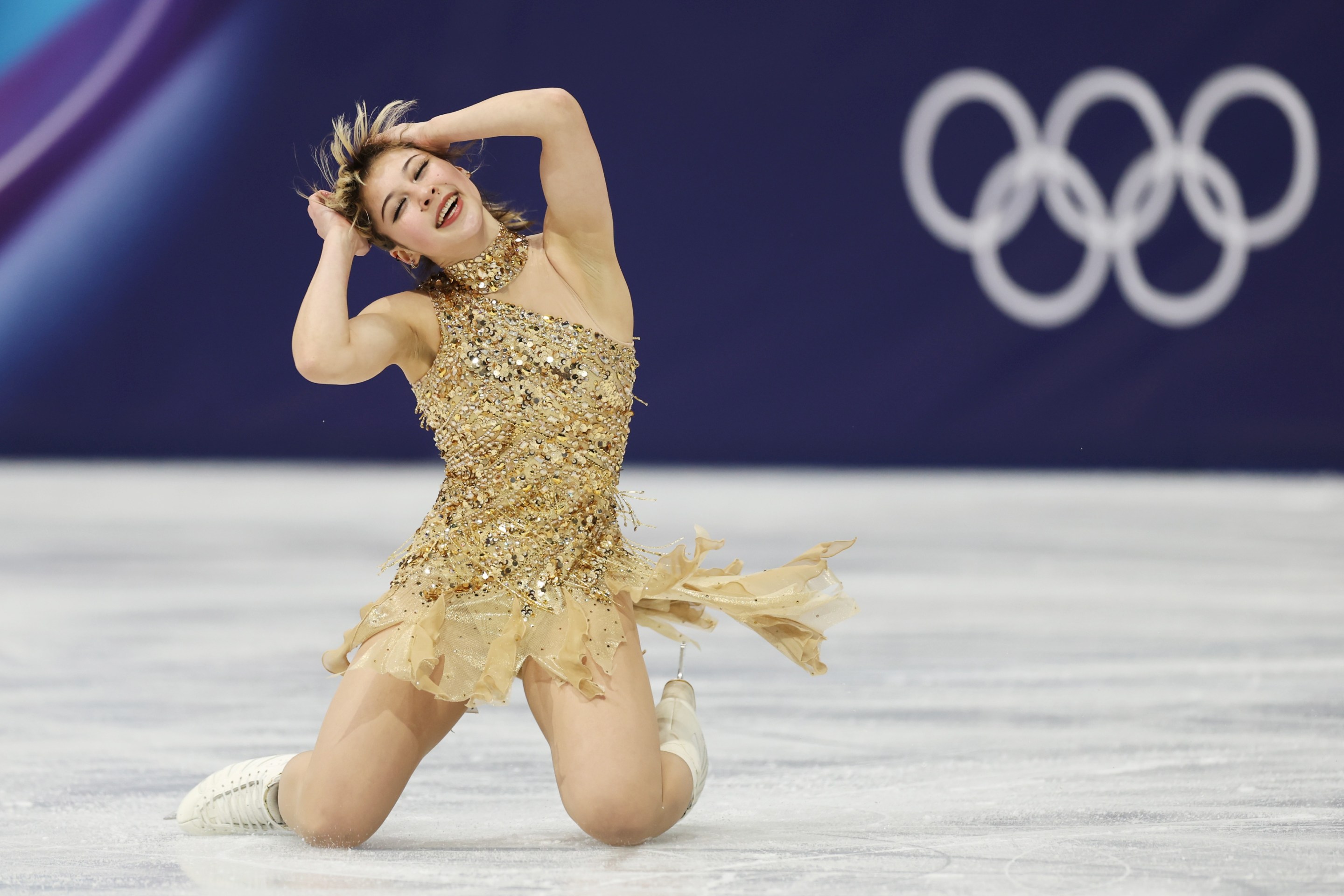
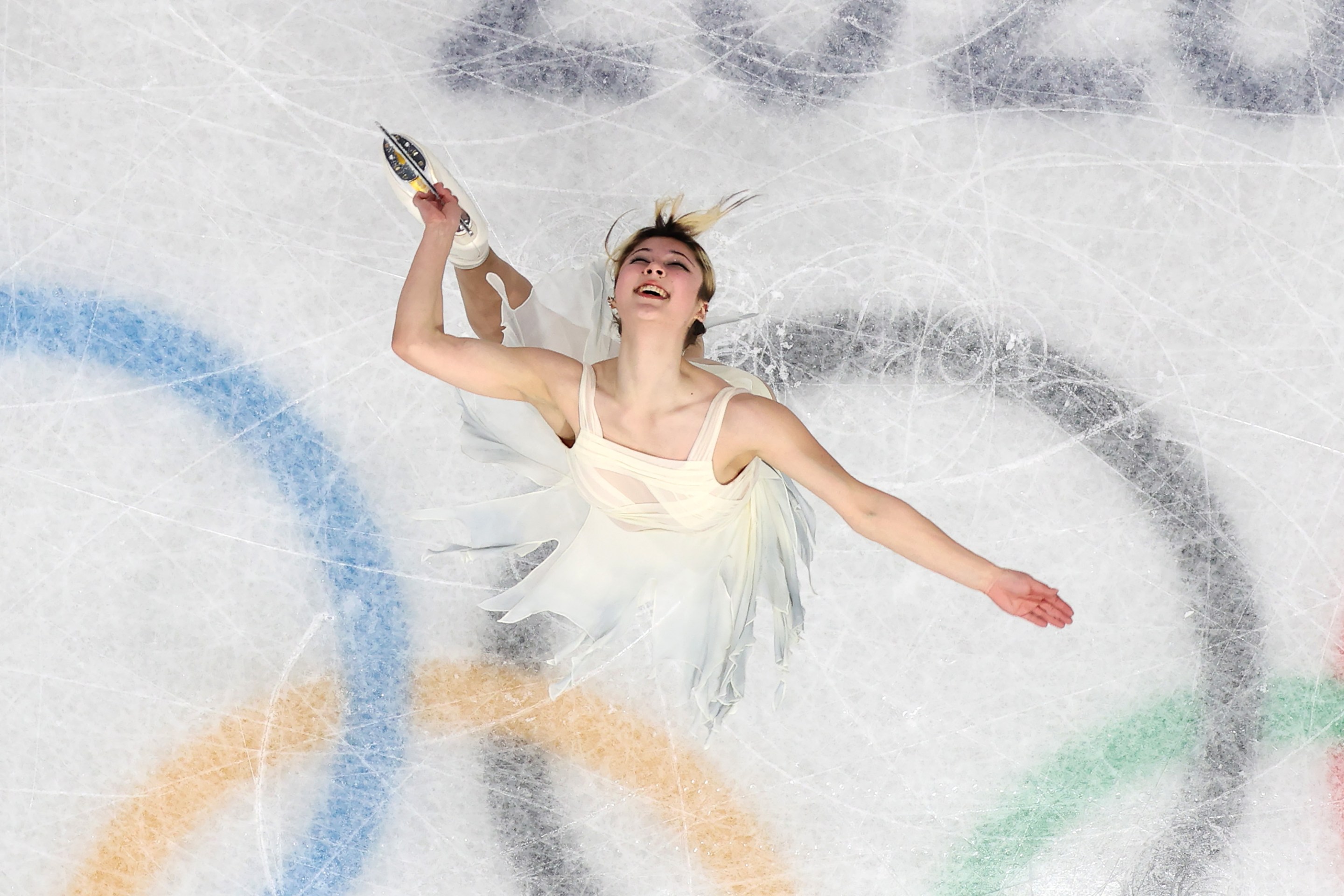
At the U.S. Figure Skating Championships, Glenn nailed it. Her gold medal–clinching free skate is worth watching in full for the palpable catharsis of her skating after she lands her final jump of the program and all the weight comes off her shoulders. But the true highlight is her short program, where she skates to "Like a Prayer" by Madonna in a burgundy dress and performs the hell out of it. If you have not seen Amber Glenn nail a triple Axel after Madonna sings, "and it feels like home," you're missing out.
At her best, Glenn is everything that makes figure skating such a fascinating and entertaining sport. To touch on the uglier side of skating, it is refreshing to see a 26-year-old contend in a sport that so often burns through teenaged skaters' joints and spines. But, on her own merit, Glenn opens each program with an absurd mid-air feat of athleticism, and closes it with a performance that has the crowd eating out of her palm. Winning the U.S. national title was proof that she could put it all together for gold-worthy performance. Next stop: Milan.