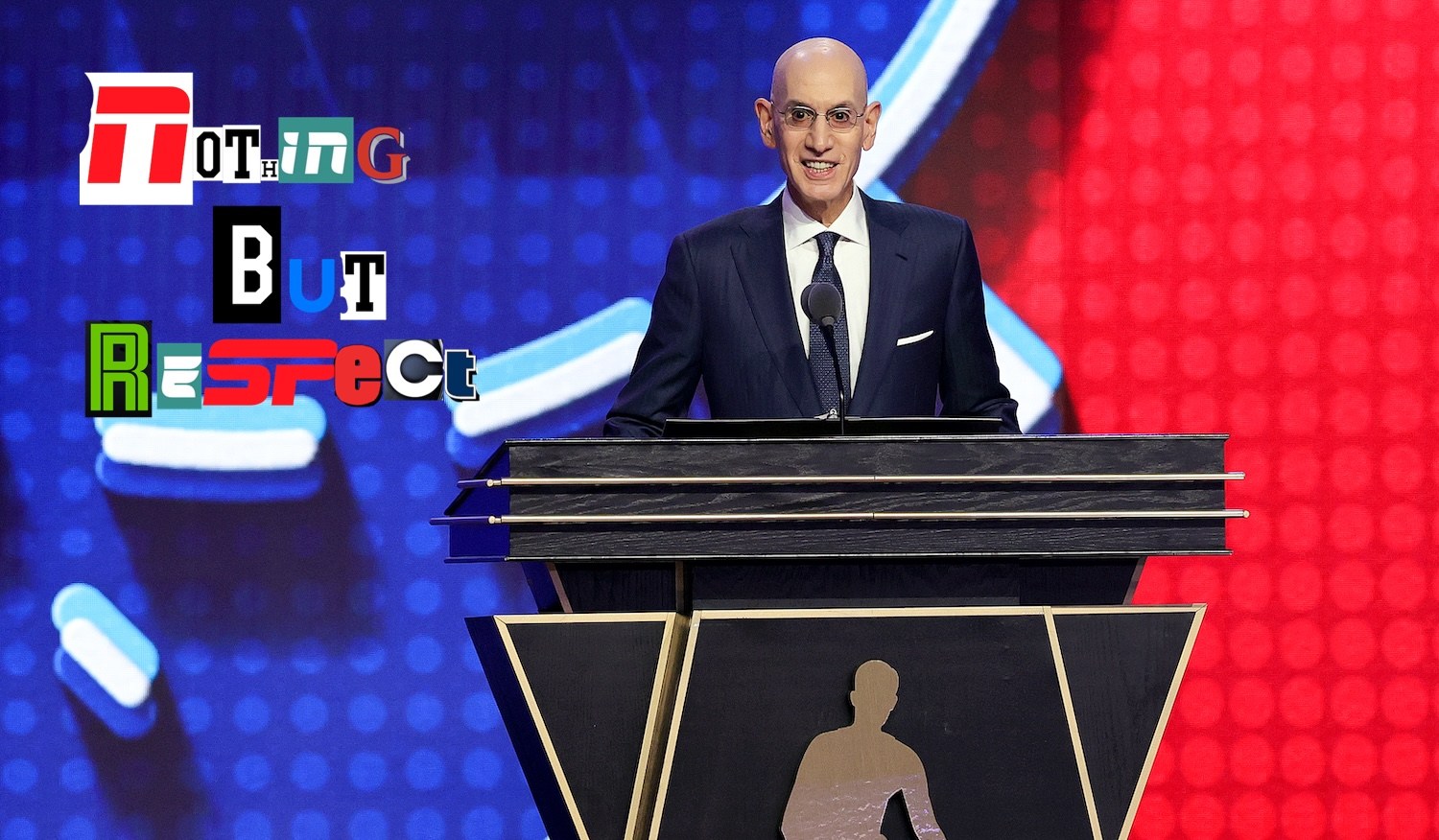


In collective bargaining, "things tend to get done at the 11th hour," Adam Silver said in February, answering questions about the status of the WNBA’s ongoing CBA negotiations. "We are awfully close to the 11th now." The NBA commissioner wasn’t then ready to set a "drop-dead date," but the WNBA has since told players and teams that an agreement should be in place by March 10 for the season to begin as scheduled on May 8. An unusually heavy slate of league business still needs to get done this offseason: Nearly every veteran player is a free agent, and the two expansion franchises in Toronto and Portland also have to draft teams.
The 11th hour has indeed been busy: After a monthlong stretch of no communication between the sides, the WNBA and WNBPA began exchanging proposals and counterproposals again in early February. While there are other issues being bargained over—housing, for instance, has come up in recent proposals—the key issue remains salaries, which are expected to rise considerably now that the league has signed a new media rights deal valued at over $2 billion.
Since opting out of the 2020 CBA in October of 2024, WNBA players have said they would like player salaries to be tied to the health of the business, calculated as a percentage of league revenue, similar to the NBA. Until now, the WNBA's salary cap has been a fixed and essentially arbitrary number; in 2022, base salaries amounted to less than 10 percent of league revenues. The union’s latest proposal reportedly asks that player salaries be on average 26 percent of gross revenue. (This would raise the 2026 salary cap to $9.5 million; in the old CBA, the 2026 cap was set to increase from $1.5 million to $1.55 million.) The league has offered players 70 percent of "net revenue" after expenses, a number that the union says would be less than 15 percent of gross revenue over the life of the deal.
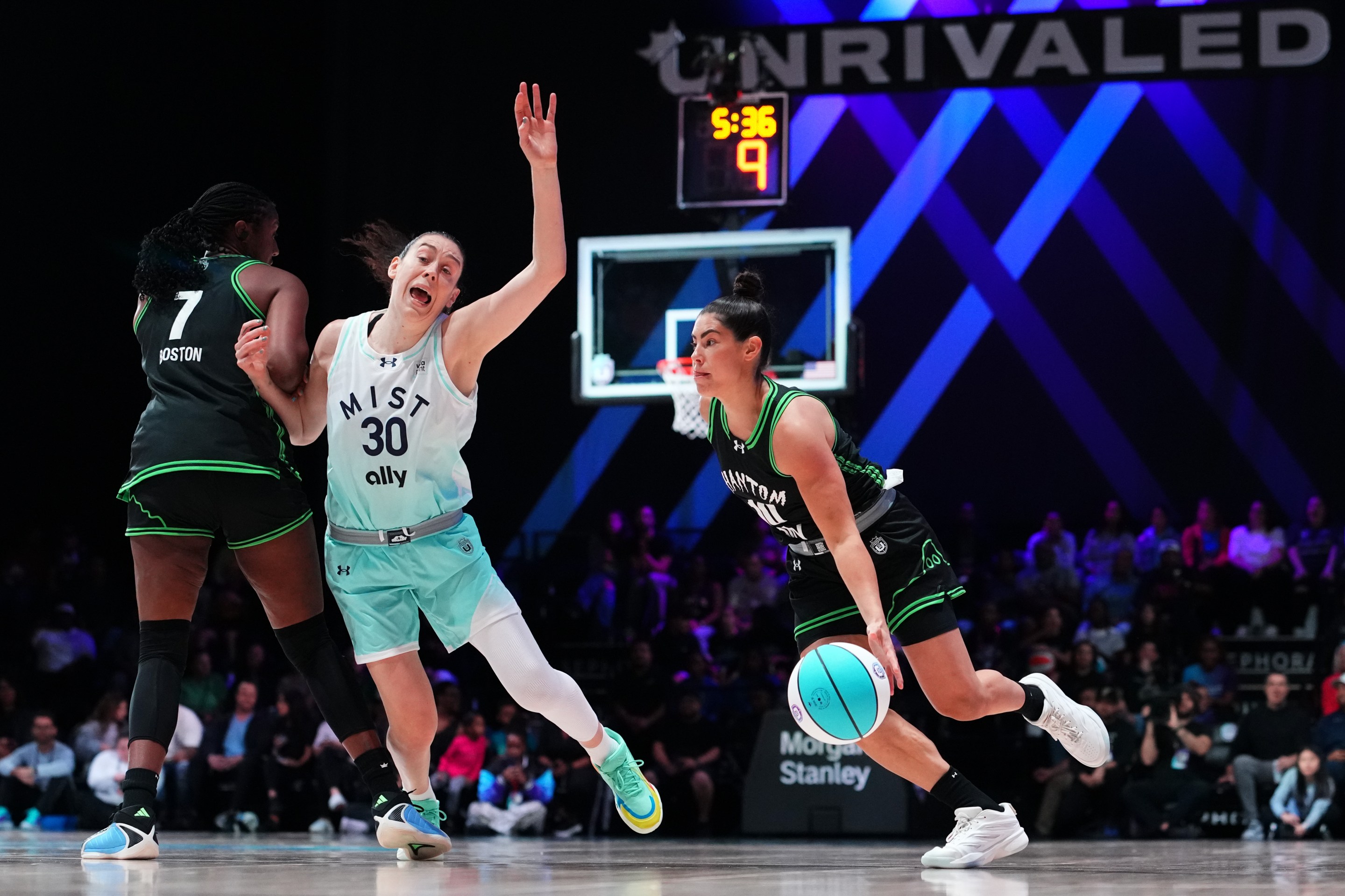
Before the Unrivaled semifinals in Brooklyn, union first vice president Kelsey Plum told reporters Monday that receiving an offer with a revenue sharing system marked "a significant win" for the union. But she and Breanna Stewart both said that there was more negotiating to be done. "I think that whether you look at our deal, the union’s deal or the league’s, it’s like both of them are not ready. Both are not ready to be voted on, because both need to be negotiated, either up or down, or in a number of ways," Stewart told reporters. Plum said that even if the players did agree to the league’s net revenue sharing system, they would still be prepared to bargain over how league expenses should be calculated.
That same day, ESPN’s Alexa Philippou and Don Van Natta Jr. reported, Plum and Stewart sent a letter to union executive director Terri Jackson, expressing their "serious concerns about how the PA is handling the current negotiations" and frustration with what they believed was "a breakdown in communication between you and the Executive Committee and players more broadly." Stewart and Plum both serve on the union’s seven-player executive committee. After receiving the letter, Jackson arranged for the executive committee to meet by phone on Tuesday night, the ESPN report said.
Wednesday afternoon, the union’s executive committee released a statement aimed at doing some damage control. The statement reiterated the players’ "complete faith and trust" in the union and negotiating committee, and said that "the current league proposal is not worth taking." In conjunction with the statement, the union shared some results from a recent survey in which players were asked whether they’d accept the league’s current proposal: 84 percent of the respondents chose "No, I would not accept 15% and want the union to keep negotiating."
The union didn’t share answers to some of the more interesting questions players might have been asked: What would most players accept? Are they ready to strike? Plum raised eyebrows in her media availability on Monday when she said a strike would be "the worst thing for both sides," though it isn’t all that unusual for unions to say they’d like to avoid a strike while bargaining. A report on the WNBPA's "tense" virtual meeting last week, from Annie Costabile of Front Office Sports, suggested that some players had changed their mind since December, when they authorized the union to call a strike "when necessary" in a near-unanimous vote. But a source on the call told Costabile that a majority of player leadership was still committed to striking if needed. Alysha Clark, another member of the executive committee, told ESPN's NBA Today on Wednesday afternoon that a strike remains an option. "As a union, we’re going to use every tool that we have in our pocket to be able to fight and get what we know we deserve. So it’s very much still on the table."
As The IX’s Howard Megdal pointed out recently, the players have something like a "de facto strike fund" in the form of group licensing revenue generated since 2020, a $9.25 million pool that the union plans to divide and share with players this spring. (One of the asks Stewart and Plum made of Jackson in their letter was more information about those group licensing distributions.) The union also announced recently that the league generated enough revenue to trigger a revenue-sharing provision in the 2020 CBA; players will receive an additional $8 million from the league.
With their names at the bottom of the executive committee’s statement, Stewart and Plum are in the funny position of cleaning up the mess they might have caused. Stewart, for her part, told the AP on Wednesday that she didn’t intend for the letter to be public. She said that the executive committee call on Tuesday had made her feel better. "We are still unified and understanding what we’re fighting for and that’s the messaging that we had on our call last night," she said. The size of the WNBA’s labor force has been described as an advantage in negotiations: A small group is easier to organize and harder to break. The only downside is that when cracks do form, they look a lot bigger.