In my early twenties, a huge part of my job was to convince older journalists in my newsroom to use social media. This is the kind of job that only a young person could have, not just because of my total facility with the social media apps I was proselytizing, but also because only someone with the hubris of an undeveloped prefrontal cortex could summon the confidence to tell a Pulitzer Prize-winning critic that her journalism would be immeasurably improved by her posting on Snapchat. I sincerely believed that, by the way.
I rarely managed to convince anyone to view social media as more than a chore; most of them saw it as a pedestrian medium that watered down ideas and discourse. It was a poison to our industry, a threat to everything they held dear. This was wild to me. The internet was clearly where the most interesting conversations were happening, and anyone who wanted to continue to have a career in media must accept that, and adapt. It turns out we were both right.
I promised myself I would never become one of them. And then one year became 10, and I aged out of the demographic whose consumption habits drove the Next Big Thing. I think I first heard of video podcasts in 2018; my sister, who was in high school at the time, mentioned a podcast she “watched” and I laughed at the anachronism. But as the years passed, they went from a strange, niche idea to the dominant mode of the industry I’ve spent my entire career in.
I have a problem with the video-ification of the podcast industry because it eliminates what I believe is most magical about audio—or what people in the industry call “radio”—its malleability and ephemerality. You can travel through time and space and create rooms within rooms that the listener co-creates as they listen. It leaves so much to the imagination to not have visuals.
Video podcasts require a streamlining of production. It’s a medium for the chit chat, for the interview. Aside from creating a fully produced documentary, or maybe an illustrated animation, it’s impossible to convert ambitious, highly produced audio work into a video that makes sense. So as “video” has become more synonymous with “podcast,” the common idea of what a podcast is has shifted to a more basic, less creative version of the medium.
But all of us in the media world still rely on audience, and when they move in broad strokes, it can yield big changes. More and more people are consuming their podcasts on places like YouTube and other video. I started to wonder if I should be open to exploring video more when I recognized that I, too, watched podcasts on YouTube. I realized that I had the opportunity to either resist change or approach it gamely.
The occasionally annoying privilege of being a co-owner of your company is that you must think like a boss sometimes, by which I mean: consider the business just as heavily as your artistic passions and principles. Sometimes more. The consistent privilege of co-owning your company is having the autonomy to explore solutions to these problems that you can not only live with, but be proud of.
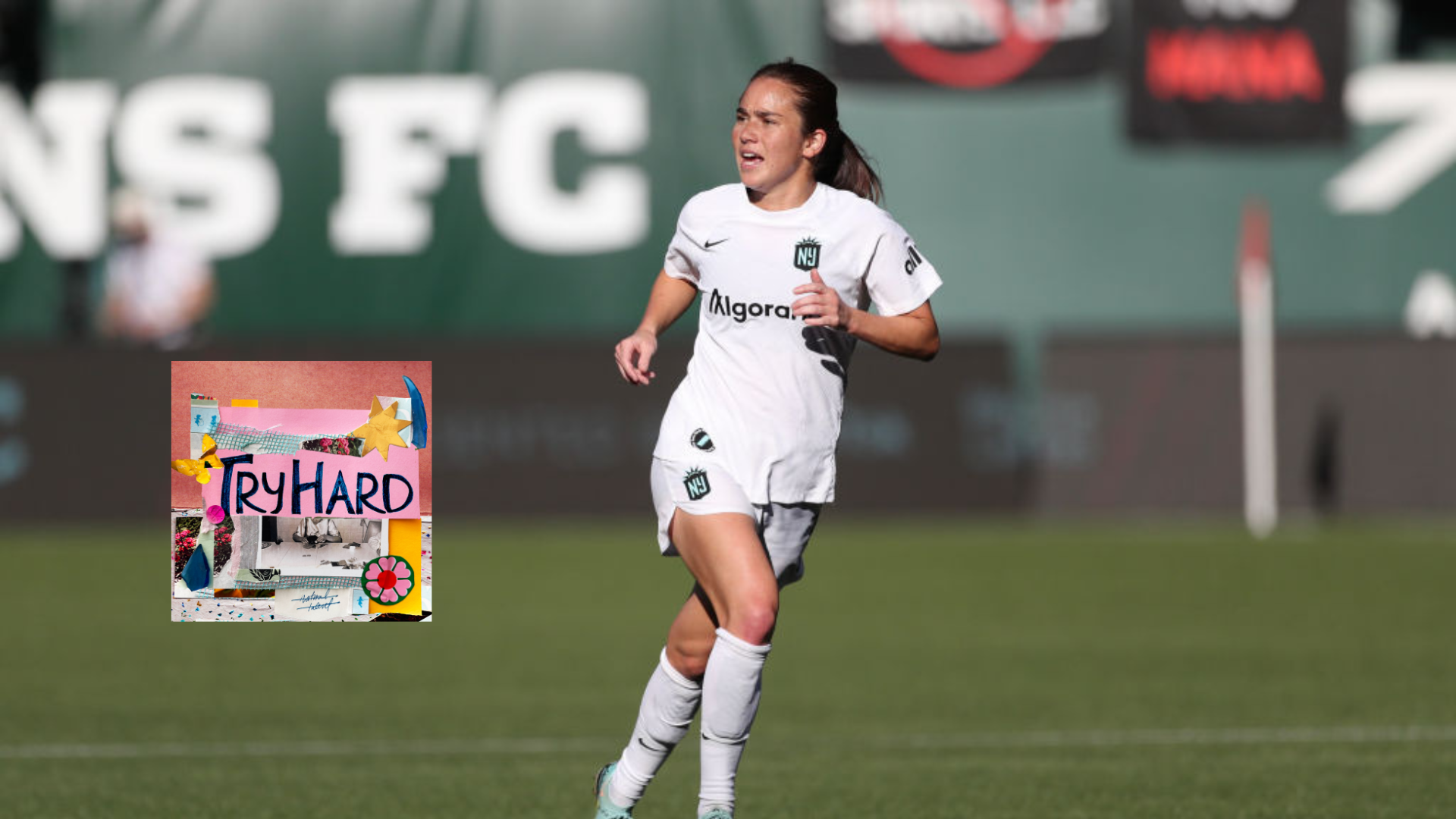
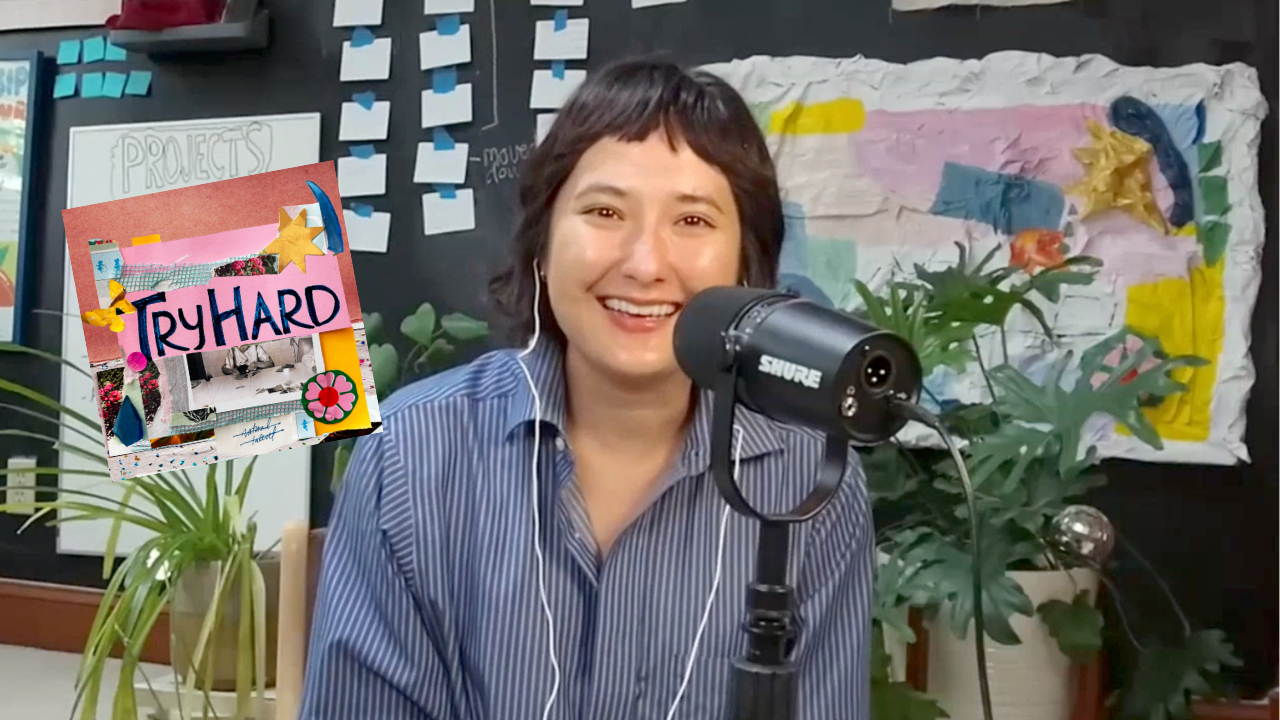
This year, Defector’s podcasts are experimenting with recording and releasing on video (don’t say the word “pivot”...), and the first of those experiments launches this week. There’s a new season of Try Hard coming in two weeks, and we’ve released this bonus episode to explain what is going to be different about the season, and why.
So much about this is new, and incredibly intimidating. I spent years learning to read scripts naturally for audio, but when we added a camera to the mix, it felt like starting from scratch. Do I really look like that? Why are my eyes always dead when I’m listening to someone? Do I really need a teleprompter?
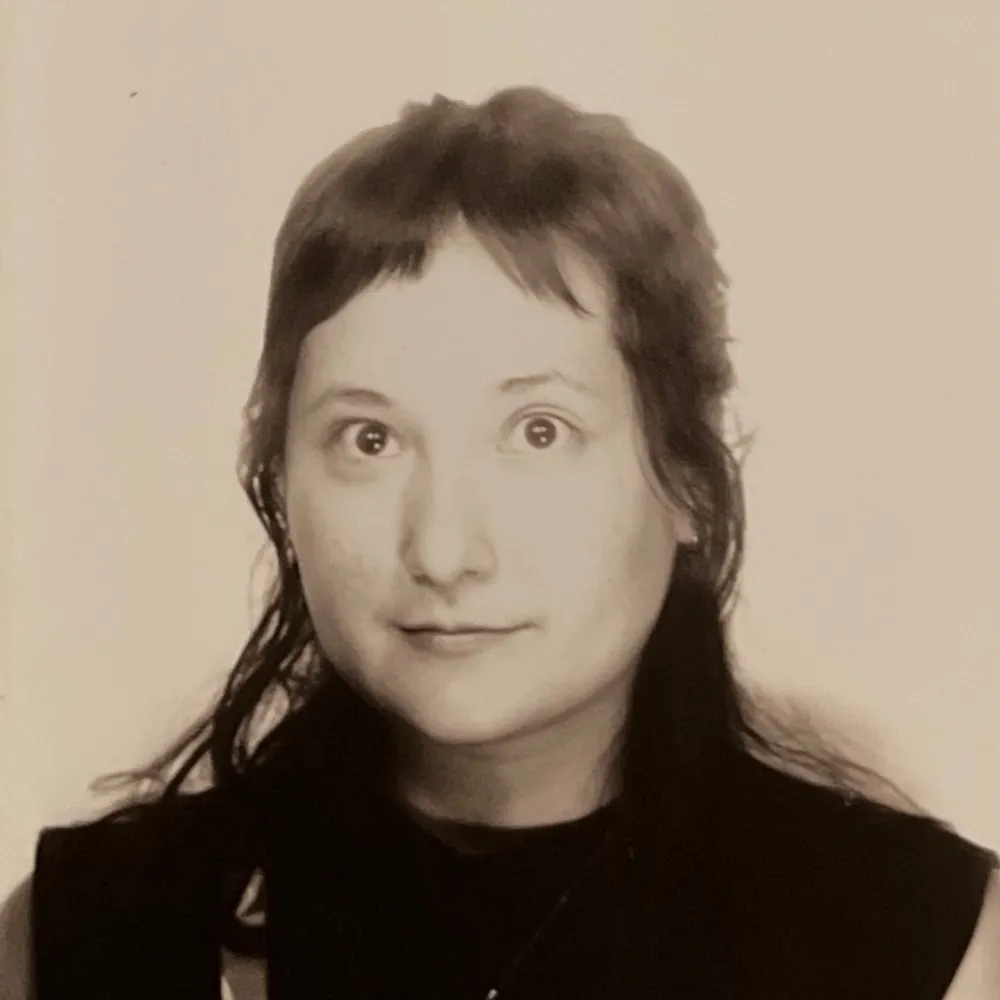
We hired a video producer, Haleema Shah, and together we’ve produced a new season that I feel proud of, even if I’m still not comfortable seeing so much of my own moving face on screen. But it felt like an appropriate challenge for a show that is all about moving outside your comfort zone and doing hard things. As we produced this season, I was reminded again of the simple satisfaction you get from learning something new.
This season will be 10 episodes featuring conversations with people about their “Try Hard moments,” which were moments in their lives when they did something hard or unexpected and thought “Damn, I really hope this isn’t a mistake.” Some of the guests I’m talking to include Ingrid Nilsen, Alexander Chee, Hrishikesh Hirway, and our very own Jasper Wang. The season officially starts June 15, and episodes will release every two weeks after that.
We put a lot of work into the video product, so I would recommend checking it out. But if you are an audio faithful (I love you), Try Hard is still available wherever you get podcasts: RSS here, Apple Podcasts, and Spotify (if you must). A transcript of the episode can be found here.
Send me voice memos of the things you're trying at alex@defector.com or message me on Instagram @alexlaughs.