
Going into the third season of Euphoria, the much-delayed, much-discussed, maybe final season of the hit HBO series, a friend roped me into catching up on the show's first two seasons. I had avoided the show during its initial run and the peak of its hype machine, mainly because the internet discourse had been so exhausting, ping-ponging between rational conversations about on-set mistreatment, exploitation of young actors, and the inflated ego of the nepo baby at the helm, to brain-melting conversations like "Is the graphic depiction of the sex lives of minors OK when it's 25-year-olds playing teenagers?" The series practically exists to trigger the worst kinds of online discussions imaginable, which, unsurprisingly, has helped it become HBO's biggest hit since Game of Thrones. It's the thing people love to hate, with an insane cast of young actors who have since gone on to be legitimate megastars, including Zendaya, Jacob Elordi, Sydney Sweeney, Hunter Schafer, and Alexa Demie.
In a very post-Instagram, post-YouTube way, it seems as though Euphoria's audience is less interested in the show's own fictional world than in the real-world lives of the cast and the flood of gossip surrounding them, too much of it to go over here. Suffice it to say, in the seven years this show has existed, the behind-the-scenes drama dwarfs the hijinks seen on screen.
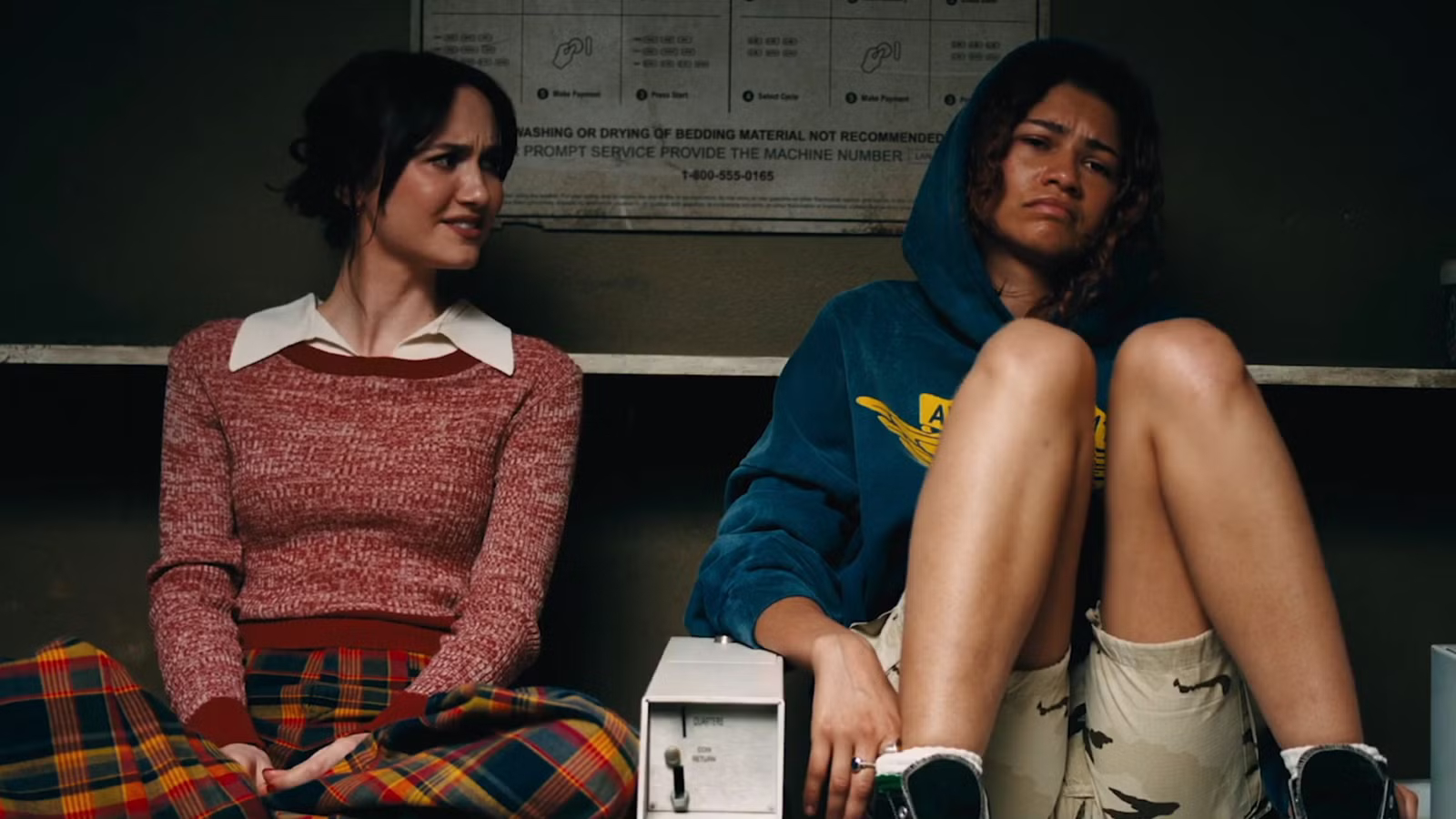
With all that said, the first two seasons were mostly charming as an over-stylized, melodramatic portrait of high school for Gen Z. The kids are all high, drunk, hormonal, increasingly antisocial, and deeply traumatized. When the show portrays the characters' various traumas and their coping mechanisms—Rue's (Zendaya) drug addiction, Nate's (Jacob Elordi) hypermasculinity, Cassie's (Sydney Sweeney) attention-seeking behavior—it is at its most interesting, darkly comic, visually dynamic best. Is it at times hashtag problematic? Definitely, but that's also part of the fun early on. It's when the show needs to engineer plot that it runs into trouble. The storylines are often too out-there to fully wrap your mind around, and then those plots will be neatly tied up with a suddenness that makes you scratch your head and wonder, "... So that's it then, we just move on?" But ultimately, what grounds the show in the first couple seasons is the high school and the connections forged there, and that stuff works for the most part.
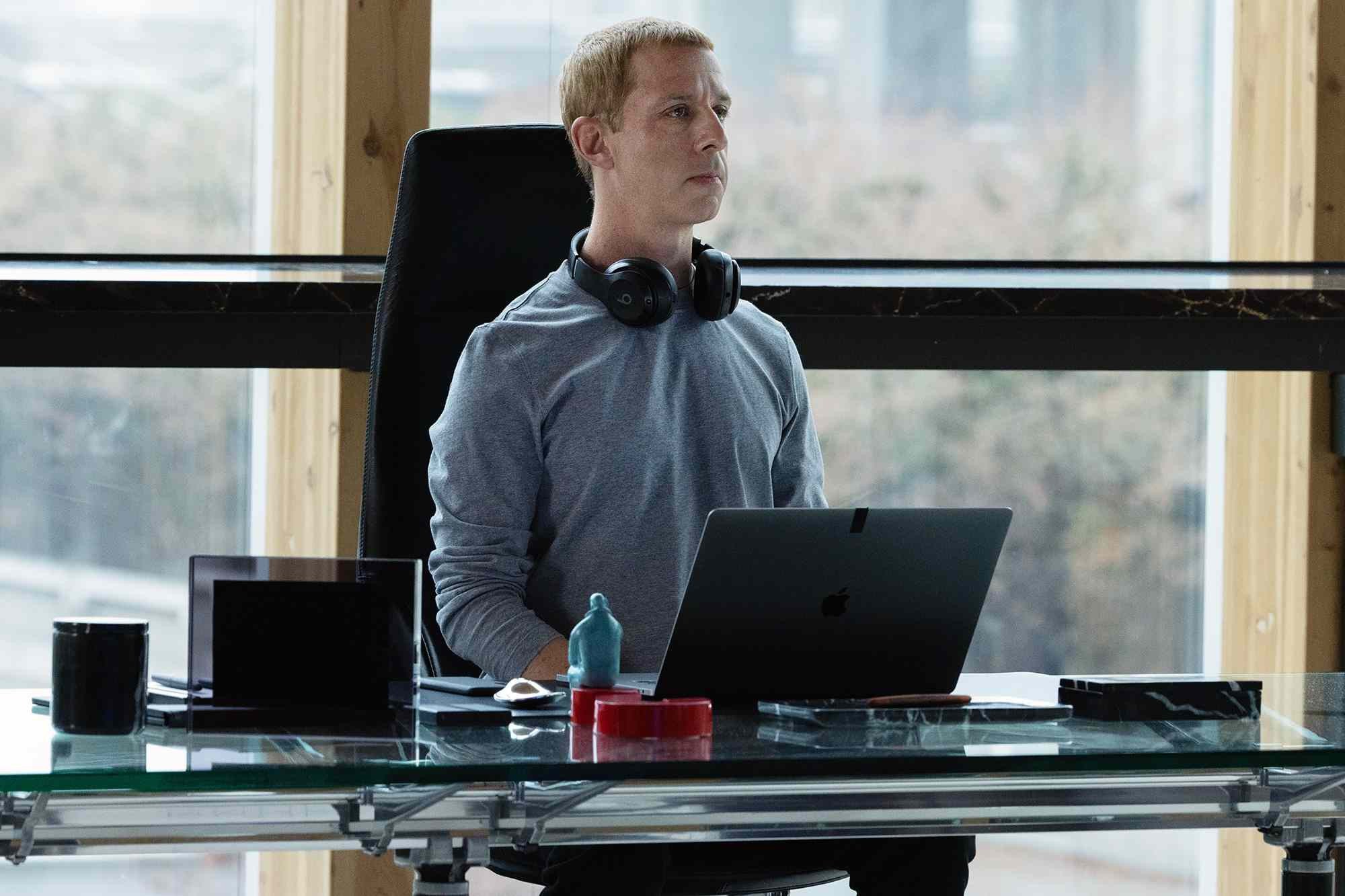
The high school's centrality to Euphoria's appeal made the prospect of a third season, in which we follow the characters out into "the real world," feel so dubious from the outset. The show had been on hiatus for so long that the characters had aged out of playing even halfway convincing high schoolers. Also, during that break, most of the cast had seen their careers explode. Because of that, the season has felt more like an obligation than a passion project, with show creator Sam Levinson trying to tap into his old cast's new fame and the actors returning to the place where they got their big break more or less as a (highly paid) favor. Season 3 is therefore one of the more piecemeal seasons of television made since they rebooted Arrested Development the first time. A season in which it is quite noticeable that certain cast members are not appearing on camera with one another, either for contractual reasons or because of shooting schedules. A season in which Levinson has eschewed the suburban LA teen soap for a tired Quentin Tarantino pastiche about strip-club gangsters, redneck drug dealers, Hollywood studios, and sex work. It is so obvious, so lazy, and so typical that you'd think it was the brainchild of a former '90s movie studio exec after four lines of blow.
My editors have at times prodded me for a blog about this season during its eight-week run, but honestly I have not been inspired to write anything, mainly out of confusion over what is happening and why. There is nothing in this season that really connects to the characters of the first two seasons. It just seems to be an endless procession of plot contrivances and images that Levinson thought would look cool. The violence is cartoonishly over the top, and the sex is third-rate-rap-video boring. Rue goes from a troubled drug addict to a Daffy Duck in Cartel Land cartoon. Cassie seems to exist here only to cater to the worst kinds of Sydney Sweeney fans, all of it performed with a phony wink so that the show can pretend it's making fun of the thing it's actually partaking in. The disinterest on Nate's face in every scene communicates more than anything that Elordi must've squeezed his shooting days in between filming other, better movies, and his mind was still back on those other sets.
Thankfully, everything finally came to an end with Sunday's finale, and it wasn't pretty. After like seven hours of bad action pastiche and Looney Tunes zaniness, Levinson had the gall to reach for uncut sentimentality. The episode opens with more drugs-and-violence shenanigans between strip-club gangsters and Nazi drug lords, then transitions to what turns out to be Rue's death dream as she overdoses on fake pain pills that turn out to be fentanyl. Mind you, despite working around drug dealers and drug addicts this whole time, we are supposed to understand that Rue had been mostly keeping clean (at least, I guess that's what we're meant to understand, since the show does not actually deal with this most of the season), until she finds herself in a lot of physical pain and relapses. In this death dream, she runs back toward her old neighborhood looking for her friend Fez (the late Angus Cloud) who has broken out of jail. When her search takes her to her old house, she instead finds her bedroom and her estranged mother reading the Bible (the Bible is a big theme of this season, exactly the same way it is in Pulp Fiction). Rue and her mom embrace, the dream ends, and Ali (Colman Domingo) finds her on his couch unresponsive, in what is meant to be deeply emotional moment. My biggest emotion came when I checked the runtime counter and saw there was still nearly an hour left in the episode.
There is a certain audience for whom Rue's death would land like a punch to the gut, even as her future death had long been the prevailing theory about where the show would go. What bothered me about it, what made it feel cheap and forced, was that after so much ironic sex and violence and goofy homages to crime thrillers—where Nate is murdered by gangsters, Jules (Schafer) is re-enacting The Girlfriend Experience, Maddy (Demie) is pimping out Cassie, and Zendaya is playing Rue's ridiculous storyline with the seriousness it deserves by essentially channeling Bugs Bunny—to then try and reach for sentimentality in the last hour feels not just unearned, but lazy and ineffective.
I hated everything that happened in this episode, not least the maudlin scenes of characters reacting to Rue's death, which, funny enough, did not include Rue's mother and sister. Instead a lot of what we get is from Rue's mentor Ali, who is so mad about her death that he goes into political speechifying about the scourge of fentanyl on the streets at an AA meeting, and then goes Rambo mode by attacking her bosses at the strip club where she worked. It all just pissed me off—not from a taste perspective but from a storytelling one. The writing was flat-out bad, and no amount of young superstars and big HBO budgets can save that shit. When I talked to my friend about her feelings about the series coming to an end, she said, "I'm glad they [the cast] are all free now." I agree. I'm glad we're all free now.