A man goes to the doctor and says, "Doctor! Doctor! It hurts when I do this." The doctor replies, "Then stop doing that." To some extent, the solution to the Atlanta Dream's recent woes is for them to play well instead of playing poorly, and head coach Karl Smesko isn't panicking. "I don't think it's anything drastic. It's just a play here, a play there, a call here, a call there," he said after Atlanta's 88-83 loss to Golden State on Saturday, his team's fifth straight loss. "I think as soon as we have one game where we shoot it the way we normally shoot it, I think then we'll be through the struggles that we're seeing right now."
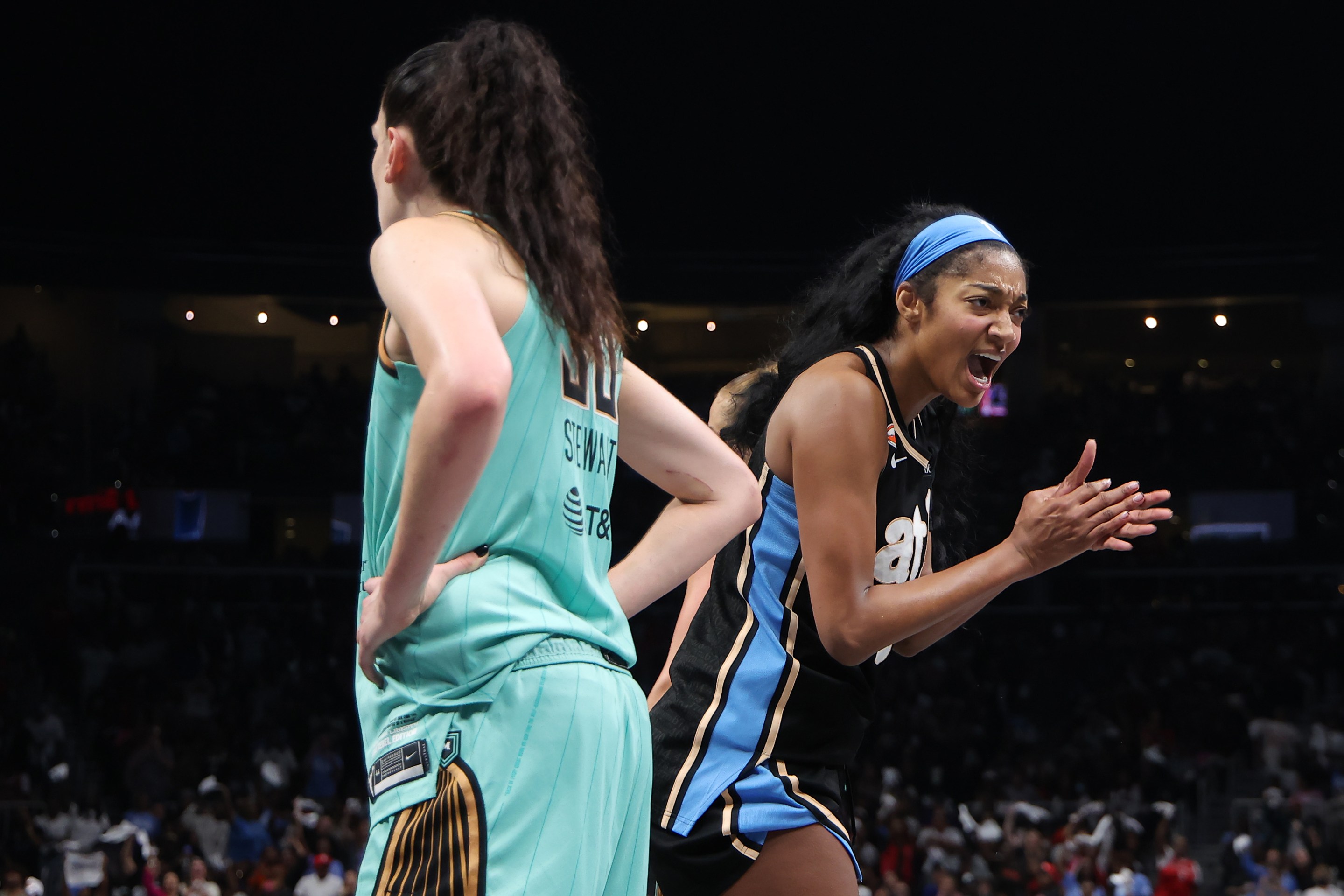
I won't pretend this circular logic is especially satisfying, but it's true that a coach can only do so much when their team is shooting the way Atlanta is right now. Across those five losses, the Dream shot 26 percent from three and just 38.4 percent from the field—not what you want. It was a bit of a surprise that the team won't have any players starting in the All-Star Game later this month, but the snub has not exactly powered the team's wing duo to greatness. Allisha Gray is shooting 16 percent from three and 35.2 percent from the field in this losing stretch. Rhyne Howard, a stout defender, found herself on the wrong end of a couple of Gabby Williams masterclasses in the past couple weeks.
Smesko might feel calm because he knows the team isn't in its fully realized form yet. Brionna Jones, expected to start at center, has been out recovering from knee surgery she had before the start of the season. We'll soon find out how much of Atlanta's problems are due to plain incompleteness: Jones was a full participant in Tuesday's Dream practice.
In the meantime, there are some other culprits to explore. Lots of WNBA fans complain about bench deployment, or lack thereof, and Dream fans would seem to have a pretty strong case there if they want to pin this on fatigue. Howard plays more than 35 minutes per game, leading all WNBA players. Gray, averaging 33.2 minutes per game, ranks sixth in the league. It's fair to wonder whether coaches are doing enough to keep their starters fresh in the league's longest-ever season. I can also understand why a coach might be hesitant to give bench players a ton of run: Three expansion drafts in the last two years effectively worked as a leaguewide extinction event for reliable bench players, and the players at the back end of the Dream rotation—backup point guard Isobel Borlase and rookie Madina Okot—have had pretty up-and-down seasons so far.
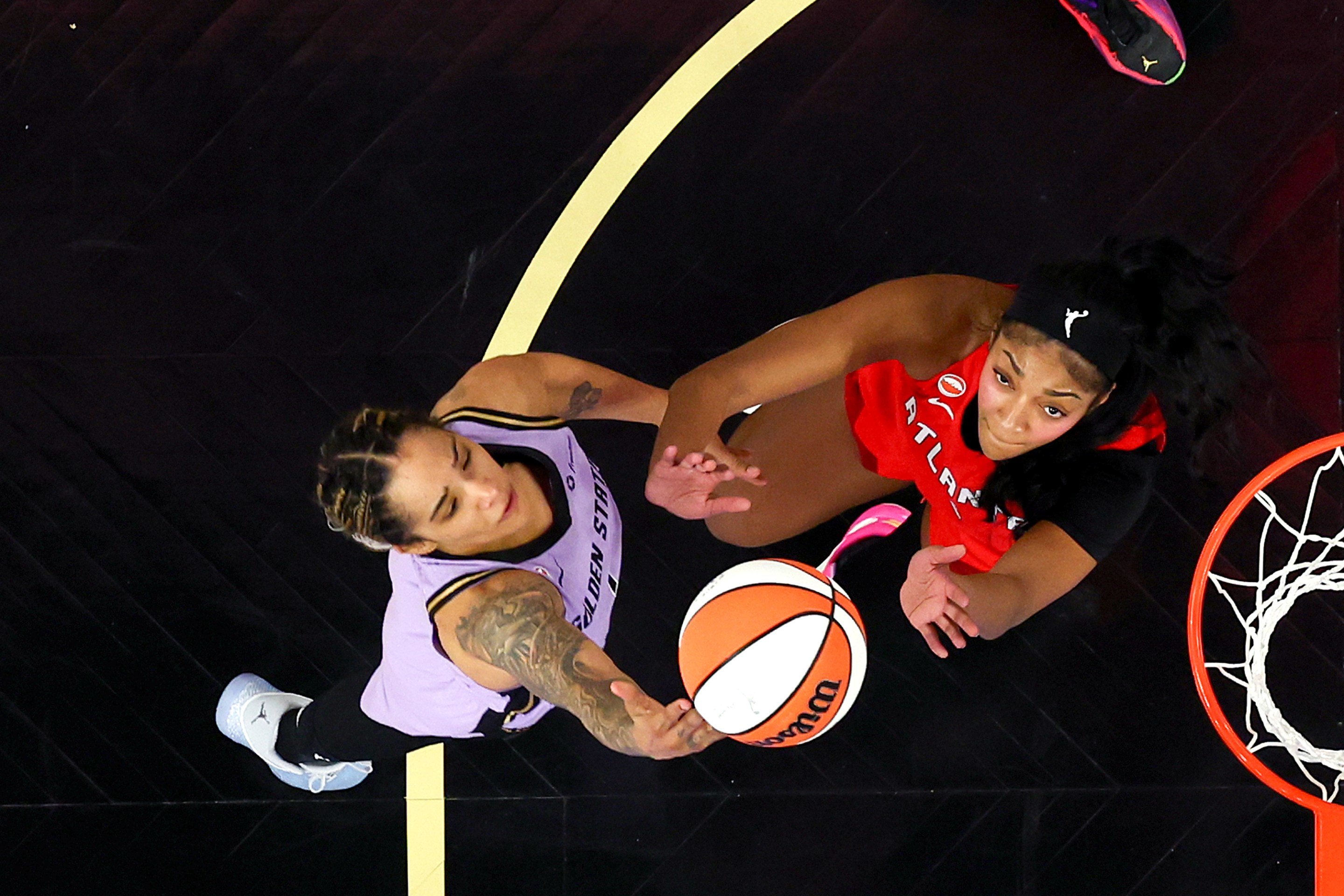
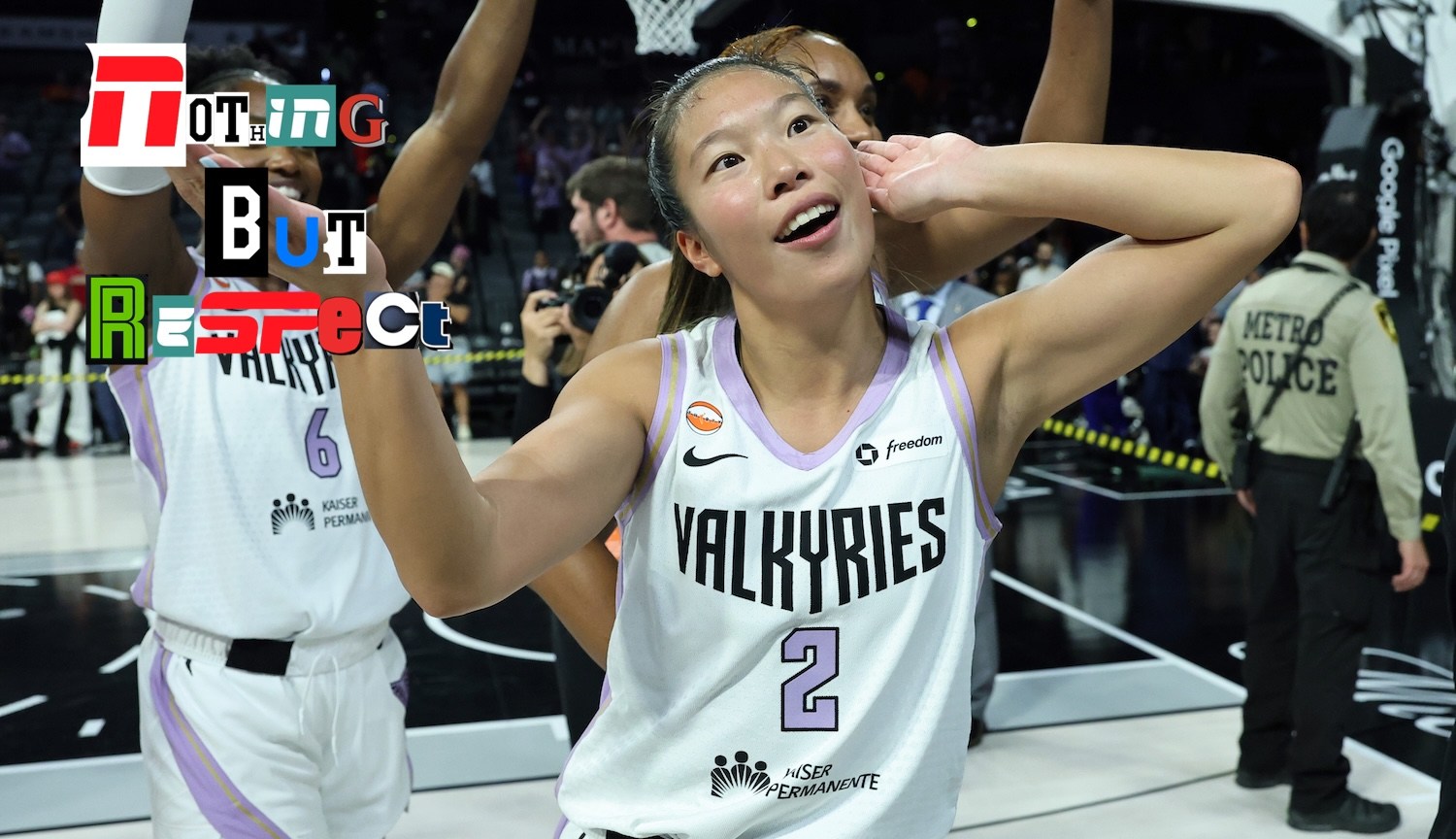
More baffling are the team's free-throw woes. The Dream are shooting 74.5 percent from the line this year, good for 13th out of the 15-team league. "Refs are trash," Gray told a sideline reporter during Saturday's game against the Valkyries, and while she wasn't wrong, exactly, it bears remembering that the Dream almost doubled up the Valkyries in free-throw attempts that game. Gray personally had 16 attempts to Golden State's 17. Atlanta just biffed too many of those opportunities, losing 88-83 (the game was 86-83 before the Dream had to intentionally foul) after finishing 23-of-33 from the line. Fluky? Maybe. Costly? Definitely, especially considering that the Dream have been in all these games before faltering in the fourth quarter.
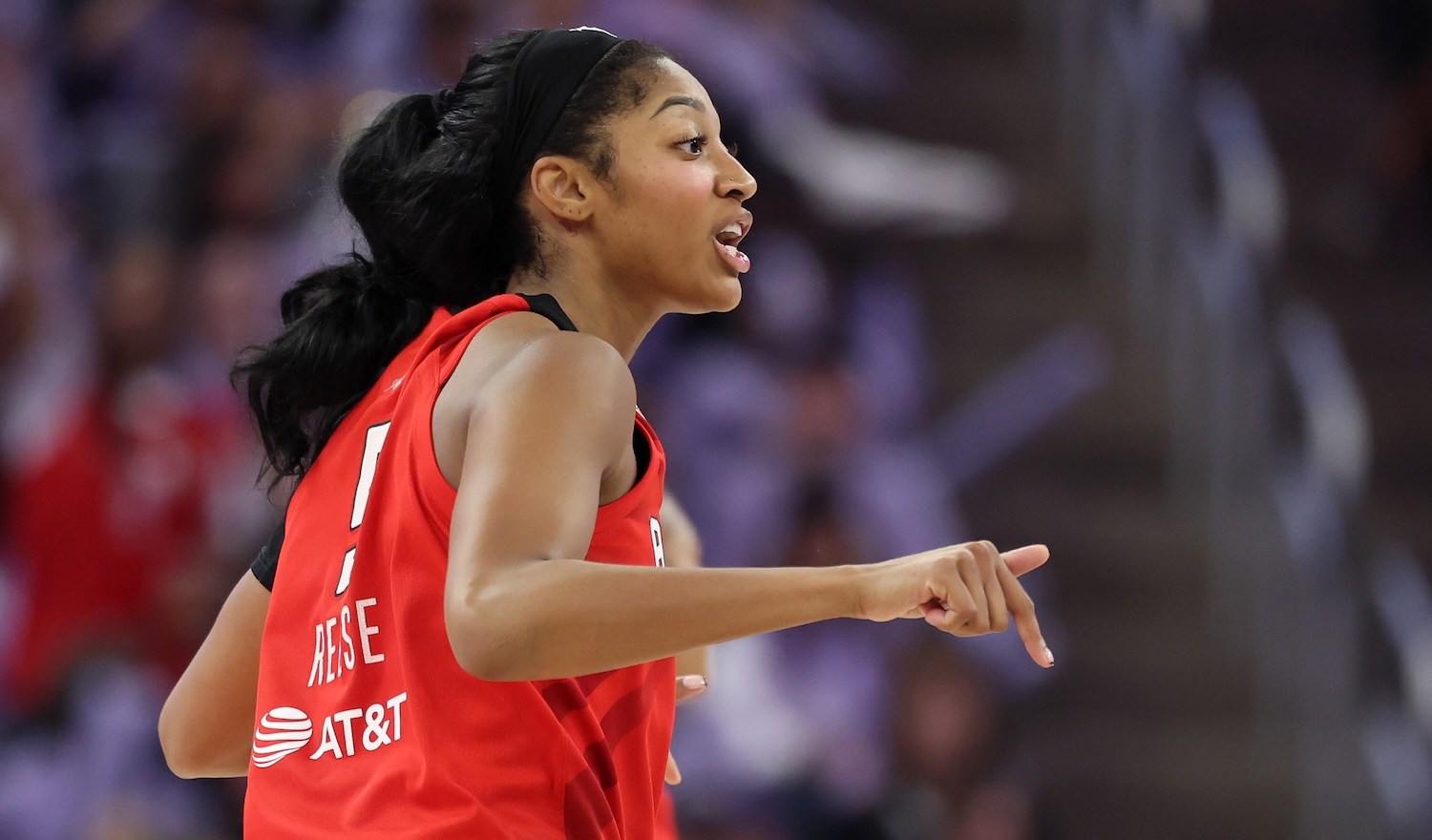
A lot of problems are theoretically solved by the return of Jones, who typically ranks among the league's most efficient players. Jones could anchor lineups so that Howard and Gray don't need to play as much, and she'd kick Angel Reese back over to her natural position so that Atlanta is better equipped to guard opposing centers. Kiah freaking Stokes, who averages 22.5 minutes a game this year but literally had not scored in double figures since May 2024, put up 13 points against the Dream when they played Golden State on June 26.
No team is as bad as its worst losing streak. In fact, merely three weeks ago, Michael Waterloo at The Next observed that closing games was something Atlanta did well. (Waterloo's article was headlined "The Atlanta Dream are dominating the fourth quarter at a historic rate.") Slump aside, though, I still worry that the Dream don't quite have their "bread and butter," a go-to action they turn to for quality, high-percentage looks in the halfcourt, which they'll want in the playoffs.
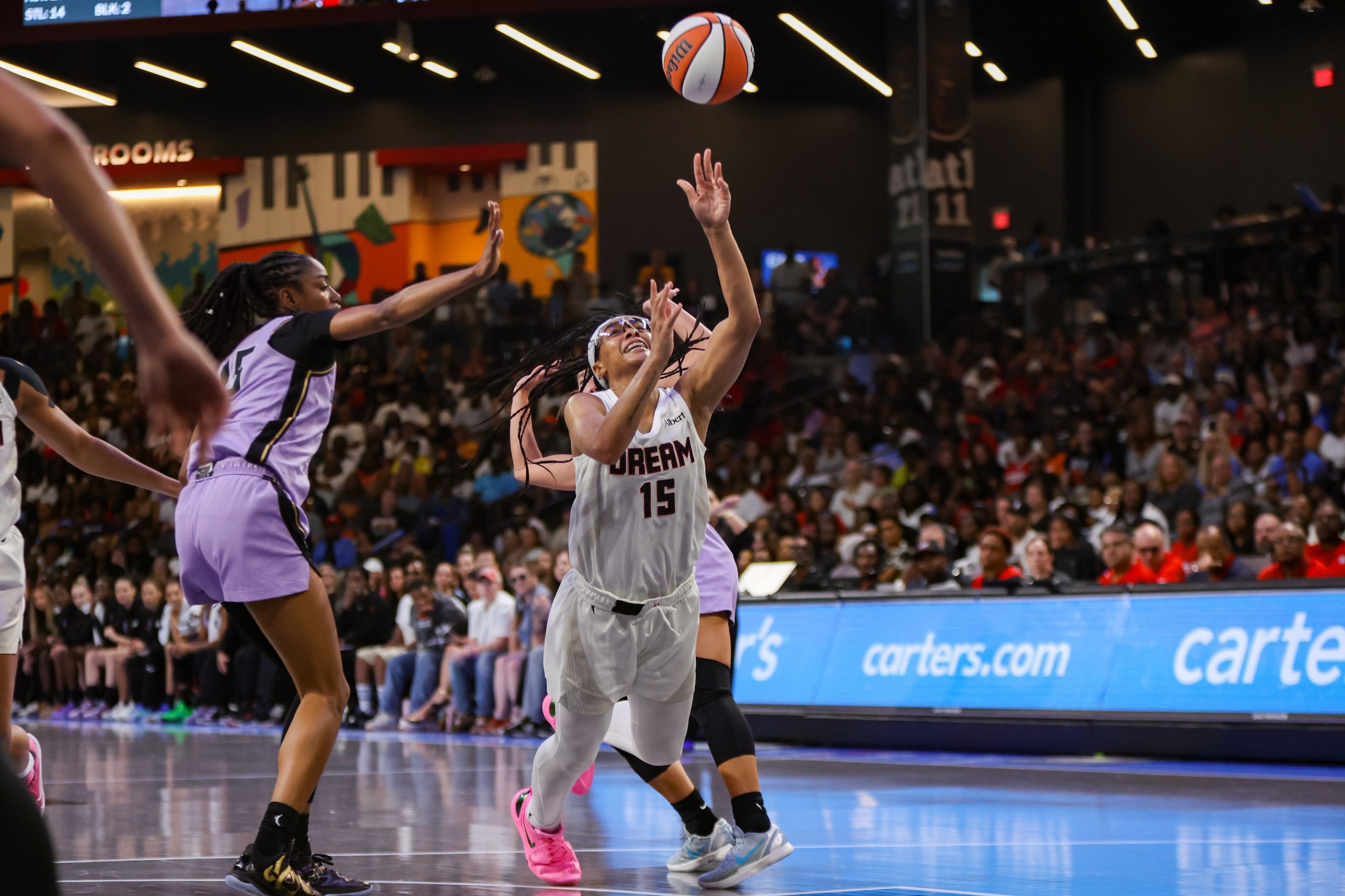
A few weeks ago, Sports Illustrated's Dan Falkenheim shared some interesting stats using play-by-play data to estimate team performance in certain scoring contexts. The Dream ranked second in transition efficiency, and that's to be expected; Gray, Howard, and starting point guard Jordin Canada are all excellent athletes. Reese, the game's best rebounder, is at her best when she can function as a transition connector, gathering defensive rebounds to set up a fast break. But in the halfcourt, the Dream ranked 13th. That is also not terribly surprising: Reese's shooting struggles are well-known, while Howard and Gray can both get tunnel-visioned as pick-and-roll ballhandlers; they don't always hit the roller when they should. It becomes easy for opposing defenses to keep the action contained outside, at which point the Dream usually lapse into uninspiring hero ball:
These were the problems that turned up for Atlanta in the playoffs last year, when they choked away a series to a shorthanded Fever team. These are also why it's still a little difficult to take the Dream seriously as a contender. In fairness, an intriguing statistic from this five-game slump does stick out: three, the number of times the Dream have played Golden State in that span. Better days may be on the horizon now that they get to stop playing the Valkyries.