


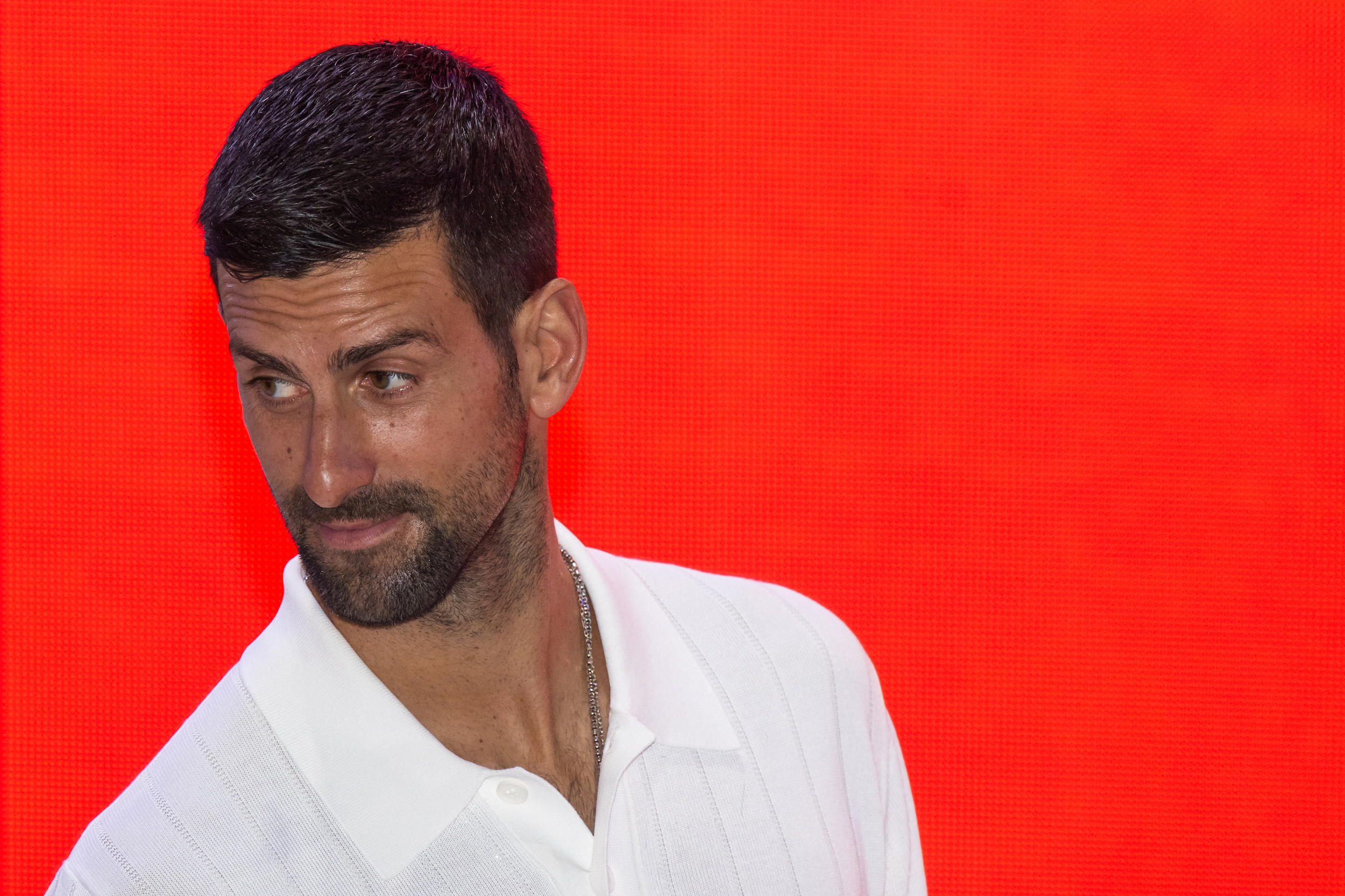
Right before the 2020 U.S. Open, Novak Djokovic co-founded a group called the Professional Tennis Players Association. The sport is governed by a handful of powerful institutions, which face little pushback due to scant labor organization. The PTPA was intended to advocate for players' interests. It is not technically a union, because tennis players are not employees, but it is the closest thing the sport has to one. Five years after that launch, with few wins to show for it, Djokovic announced on Sunday that he would "step away completely" from the PTPA. He cited concerns about "transparency, governance, and the way my voice and image have been represented." Although the PTPA theoretically addressed a real need, and Djokovic has been more vocal than any 21st-century tennis star about the plight of players with lower ranks and fewer resources, it would be difficult to argue that he achieved anything of enduring value during those five years.
Tennis players are subject to the whims of the big institutions that make up the sport: the men's tour, the women's tour, the four Grand Slams, and the International Tennis Federation. They also earn a tiny fraction of the revenue that their play generates: Most years, the prize pool for a Grand Slam is around 15 percent of revenue, compared to the roughly 50 percent of revenue sharing seen in leagues with stronger collective bargaining.
They do have places to discuss their shared concerns. The men's and women's tours have player councils, which nominally represent player interests, but these operate within the confines of tour bureaucracy. To organize outside those constraints, Djokovic, an outgoing president of the tour player council, created the PTPA, alongside fellow player Vasek Pospisil. They had a splashy photo shoot and tried to get buy-in from other players. WTA players were not included at the outset, but eventually were brought into the fold.
After a few years of minimal activity, the PTPA made its signature move in March 2025: an enormous antitrust lawsuit with four major tennis institutions listed as defendants. It's a lot to sift through, but a scan of the table of contents can give you a sense of the suit's diverse issues and strident tone. PTPA executive director Ahmad Nassar told journalist Ben Rothenberg that the goal is not to actually go to court, but to extract concessions from these institutions on behalf of the players. Those institutions lawyered up and publicly denounced the lawsuit. (In late December 2025, Tennis Australia, which runs the Australian Open, reached a settlement that will remove them from the litigation.)
When the lawsuit went public in March 2025, Djokovic distanced himself from it. He was conspicuously not one of the 12 players listed as plaintiffs in the suit. "In general, I felt I didn't need to sign the letter because I want other players to step up. I've been very active in tennis politics," he said last March. "This is a classic lawsuit, so lawyers to lawyers, type of situation. So to be quite frank with you, there are things that I agree with in the lawsuit, and then there are also things that I don't agree with."
The highest-profile advocate of the PTPA has decided that it no longer represents his interests. Whose interests does it represent? The PTPA's messaging has often been messy, and enthusiastic buy-in from the players is hard to find. Richer, higher-ranked players have different incentives than poorer, lower-ranked ones, for one. The March lawsuit also insinuated that Jannik Sinner, one of the players it presumably advocates for, got off easy in his anti-doping process because he was favored by the "cartel" that runs tennis. Carlos Alcaraz, whose public quotes were used in the lawsuit, said he was "surprised" to see them there, and did not support the suit.
Djokovic's exit is a reputational hit, but presumably the PTPA's legal fight will continue. And the players' perpetual complaints—overly taxing schedules, health issues, a general disregard for player input—are as loud as ever. If only they could figure out a way to present a unified front.




![USA's Ben Shelton celebrates his win against Spain's Carlos Alcaraz during the men's singles quarter-final tennis match on day ten of the US Open tennis tournament at the USTA Billie Jean King National Tennis Center in New York City on September 9, 2026. (Photo by Leonardo MUNOZ / AFP) / “The erroneous mention[s] appearing in the metadata of this photo by Leonardo MUNOZ has been modified in AFP systems in the following manner: [USA's Ben Shelton] instead of [Spain's Carlos Alcaraz]. Please immediately remove the erroneous mention[s] from all your online services and delete it (them) from your servers. If you have been authorized by AFP to distribute it (them) to third parties, please ensure that the same actions are carried out by them. Failure to promptly comply with these instructions will entail liability on your part for any continued or post notification usage. Therefore we thank you very much for all your attention and prompt action. We are sorry for the inconvenience this notification may cause and remain at your disposal for any further information you may require.”](https://lede-admin.defector.com/wp-content/uploads/sites/28/2026/09/GettyImages-2293730421.jpg?resize=2880%2C1920)