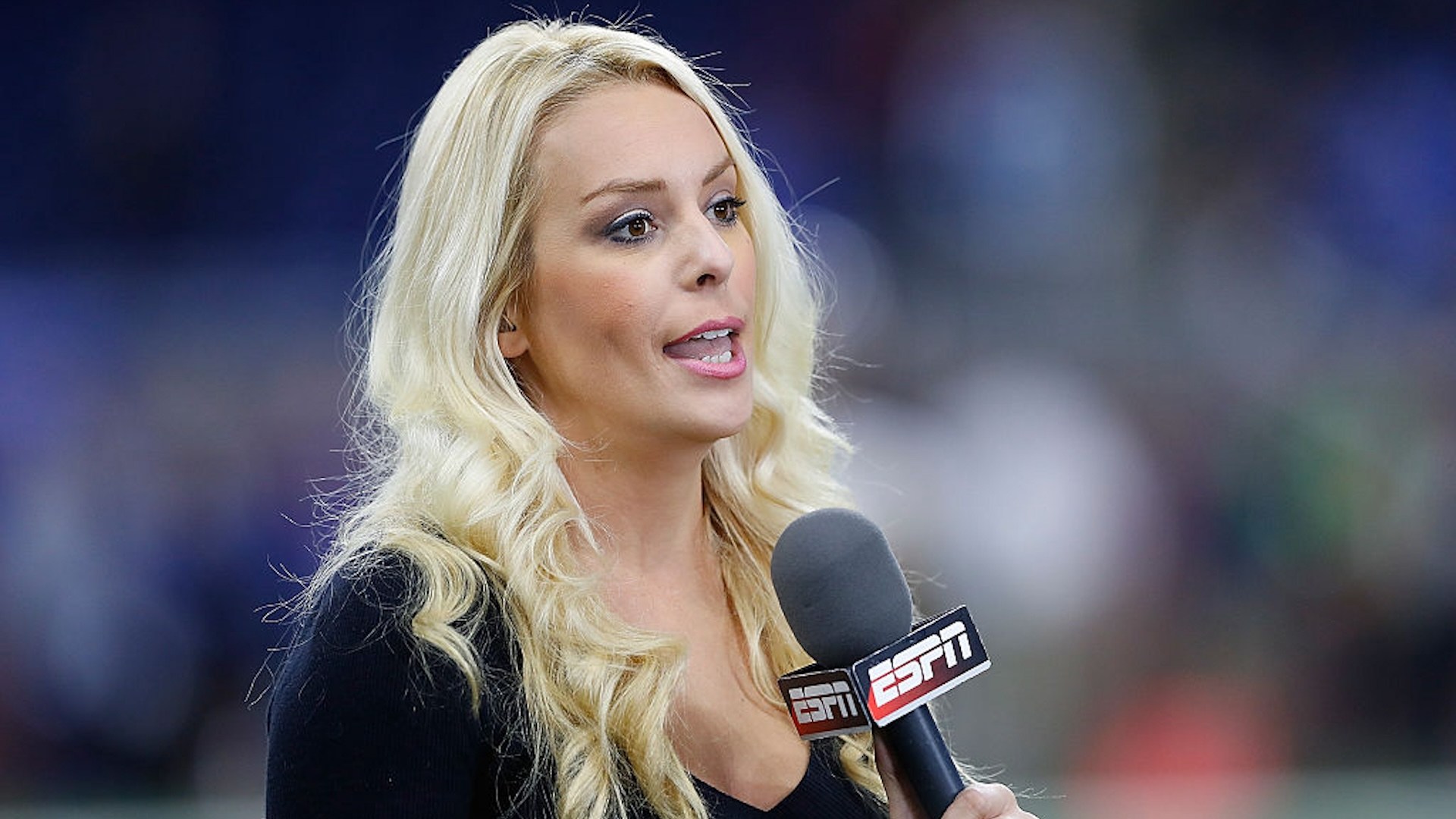


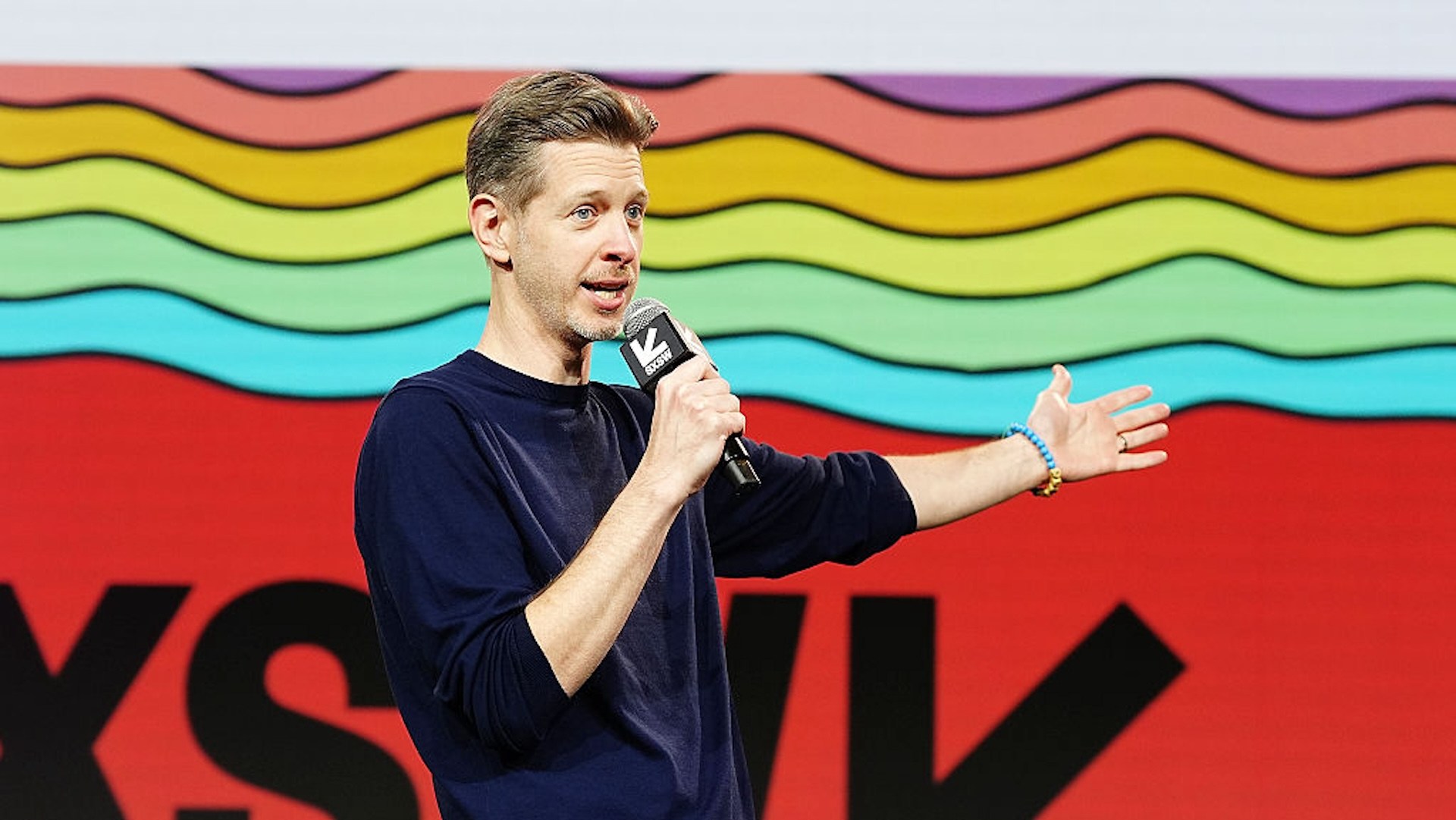
A media company launching a series of paywalled newsletters is not, on its own and on its face, a strange thing to do. AI’s ongoing cannibalization of online search is ravaging website traffic, and programmatic advertising doesn’t provide the kind of revenue it used to. If you were running a website like The Ringer, you might decide that it makes financial sense to put writing from some of your most popular staffers behind a paywall. That's exactly what has happened: Sean Fennessey, Zach Lowe, Tom Pelissero, and Bryan Curtis have all recently launched newsletters, only one of which (Curtis’s) is free. This seemingly normal business decision comes with a quirk, though, which is that the newsletters are being published on Substack. Nobody at The Ringer, or Substack, will tell you why.
This odd arrangement naturally raises a few questions: Why not just publish these writers’ work on The Ringer’s existing website? Does Spotify, which has owned The Ringer since 2020, somehow not have the technical capability to build its own paywall? If all of this valuable writing is going to live on an entirely different platform, what does that mean for the future of The Ringer’s editorial operation? Have the executives in charge of The Ringer, like seemingly everyone else, surrendered to the idea that Substack is the only place where people will actually read things anymore?
I emailed a few questions along these lines to Fennessey, a founder and executive at The Ringer, and more general questions to Lowe, Curtis, and Pelissero. None of them replied. I also reached out to Substack and Spotify, figuring that if the two companies had agreed on some sort of arrangement to produce these newsletters, their respective comms departments would be eager to trumpet their synergistic disruption of the publishing space. Neither company replied. It took reaching out to Ringer editor-in-chief Ben Glicksman to receive something resembling an official response. That came from Mallory Morehead Pritzl, part of the PR team for Spotify: "Thanks for reaching out. We are not commenting at this time."
Each of these Substack newsletters were announced with some fanfare, as they marked a return to writing for several popular figures who had previously abandoned the practice for podcasting. (The exception is Pelissero, who was most recently working as an NFL insider for ESPN before joining The Ringer in August.) Lowe hasn’t written anything for the website since being hired in March 2025; Curtis’s last article was published on Feb. 4, 2026; and Fennessey’s last byline at the site was in 2021. All three have more or less become full-time podcasters.
These days, The Ringer is primarily a video podcast company, with a greater focus on talk shows than narrative podcasts. The website rarely puts out more than a few stories per day, despite employing 25 staff writers. Now that writing is suddenly in vogue again, but very pointedly not on the website, it’s worth asking about the future of that site.
One cause for concern there is that the site is visibly decaying, not in terms of the quality of the written work that runs there, which remains high, but in terms of basic maintenance. On top of its decreasing output, a redesign in 2024 made The Ringer’s landing page look more like the Spotify app than a destination for articles. Sometimes the central piece of content on the homepage is a podcast thumbnail, the host's face taking up much of the screen—as I write this, the third slot on the main page is a link to a three-hour, 44-minute podcast about The Strokes, featuring ex-editors, now podcasters Chris Ryan and Amanda Dobbins. Author archives list videos higher on the page than articles. Freelancers appear on the site less frequently. Numerous staff writers haven't written an article in months, or, in a couple cases, years. Other writers have left or been laid off. The last time The Ringer hired somebody with the sole intention of having them write for the website is hard to pinpoint, but I don’t think it was this decade.
Upon launching his Substack, Fennessey did a Q&A with GQ, in which one quote stuck out. “I really like writing, and I missed it a lot,” he said. “I've been podcasting for about 10 years now, and I love doing it, and don't intend to stop doing it. But I find that it is sometimes an… imprecise form of media." Sound analysis, here: There are innumerable examples of a writer pivoting to podcasting and finding their usual eloquence hamstrung by the varying quality of their guests, a tendency to ramble, or the pressure to go live as soon as news breaks. Any sports fan reading this will be familiar with the sensation of listening to a podcaster fumble for the particulars of a thought, or a stat they recently read on Twitter, and failing to get it right.
But such a belated realization coming from Fennessey, a person who presumably had as much sway over the direction of The Ringer over the last 10 years as anyone, is a bit rich. He first served as the website’s EIC, then became its head of content, and is now listed on the masthead as “senior talk strategist,” possibly the first time in recorded human history a higher-up at a media company has been described as such. If podcasting is sometimes an imprecise medium, well, that might have been a helpful reckoning to have before Fennessey helped lead a push to turn a number of his site’s proven writers and editors into talkers.
Perhaps that’s expecting too much of the people in charge of charting out The Ringer’s editorial strategy, though. In the few conversations I did manage to have for this article, it immediately became apparent that internal communication is a recurring problem at the company. Executives have not made clear if, when, and how other Ringer writers should go about pitching their own newsletters. (At least one more is on the way, featuring general NBA coverage.)
Even from the outside, the way the existing Substacks have been rolled out doesn’t give the impression that much thought went into coordination. Each is priced differently: Lowe’s costs $10 per month, Fennessey’s $5 per month, and Pelissero’s $8 per month. Ringer NFL draft guru Todd McShay is for some reason publishing his newsletter on Beehiiv; that one costs $4 per month. There’s no available package deal as refuge from the ESPN Unlimited-esque price of subscribing to all of them. Curtis stressed that his newsletter was free when announcing it on a podcast, and that he knew consumers were paying a lot for other Substacks. A week later, Lowe’s launched, the most expensive of the bunch so far. A number of the introductory Substack posts also failed to mention that future posts would be paywalled, likely resulting in some disappointed readers who had grown used to all of The Ringer’s articles being free since it launched in 2016.
Was it not worth at least trying to drive traffic or subscribers to The Ringer’s website before dispatching lifeboats to Substack? Lowe's newsletter has racked up more than 24,000 subscribers in its first week of existence—surely some of them would have read him on the website, which could have helped to illuminate what remains of the site’s other writing. It feels possible that I have just now thought harder about that question than anyone calling the shots at The Ringer has.