
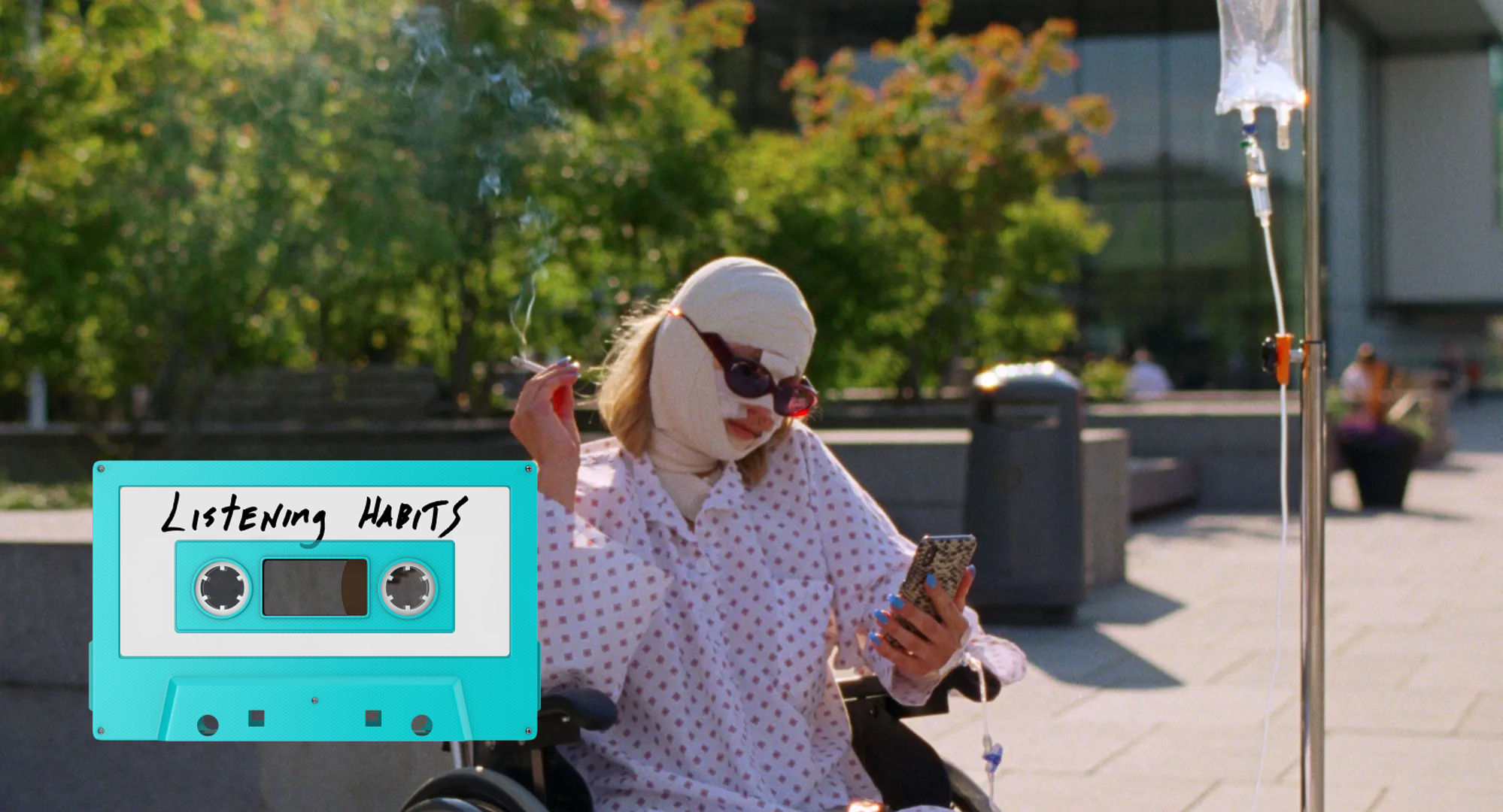
Welcome to Listening Habits, a column where I share the music I’ve been fixated on recently.
Having a severe chronic illness has made me intimately familiar with the American healthcare system and its hospitals. Hospitals here are terrifying and full of excruciatingly lengthy waiting periods, often for nothing more than the result of a blood test or X-ray. Hospitals are scary, even when you spend most of your stay doing nothing at all. It's kind of like a dream in that way. You are for all intents and purposes trapped, surrounded by people having the worst night of their lives. While passing the time, you get to luxuriate in the unique ambiance: belligerent fellow patients, some of whom are drunk or high; jaded nurses showing up whenever they can get to you; overhead lighting that is always too bright; and the dulcet beeps and blares of hospital machinery. As you might imagine, I spent most of my recent three-day excursion through the hospital system drowning myself in as much music as possible, mostly catching up on what's new and what I'm supposed to be checking for in this first quarter of 2026.
The specifics of my stay aren't that important. I have sickle cell anemia. No stay is ever easy, but some are more arduous than others. Due to an excess of patients and an overworked staff, I spent 48 hours in the emergency room alone, which is not built for extended stays. Even though I was exhausted, it's hard to fall asleep in a room full of fluorescent lights and screaming people. So, naturally, I decided to check out the new J. Cole project.
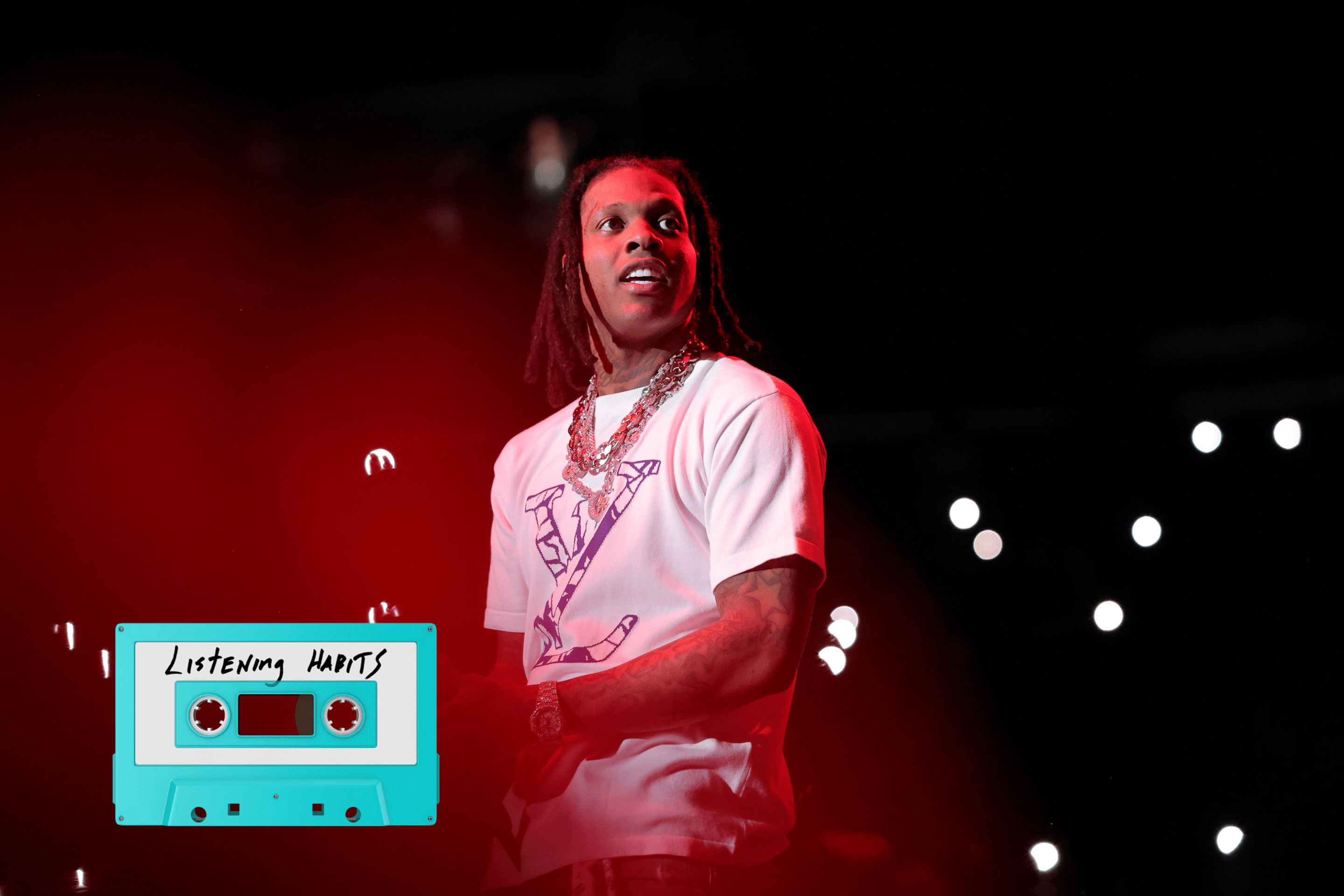
Some artists, you just can't "get." I listened religiously to Death Cab for Cutie, The Decemberists, and Iron & Wine, but I could never get into The Shins. I don't know why. It doesn't make sense, but sometimes people hit your buttons all wrong. For instance, J. Cole's stardom is completely confounding to me. He is a great rapper, but only in the most technical, least meaningful sense. I cannot take those technical talents away from him, and his early mixtapes do have their charms, but if this were 1996, you can't tell me this guy would even be on the level of a Canibus. He has no obvious mainstream records, no bangers, not even any undeniably strong songs. But somehow he has still amassed a big and loyal following based on a lot of rappity rapping and an "I'm just a regular guy who likes basketball" schtick that people are super into for some reason.
At any rate, J. Cole has released two projects this year: an exclusive tape with DJ Clue called Birthday Blizzard '26, where he raps over a bunch of Bad Boy beats, and of course The Fall-Off, his latest studio album. In both cases, the main theme seems to be his attempt to redeem himself for his very funny decision to retract his beef record against Kendrick Lamar and apologize. The album is full of subliminal shots at bloggers, podcasters and rappers who called him out for it. When he's not doing that, he's singing the same broken-home, biracial boy blues that are all over his discography. There's something so "guy who runs the Black Student Union at your college" about Cole's whole deal.
The album continues a trend of albums that are deeply concerned with not just "music as therapy," but music as "therapy." I spent much my hospital stay listening to that kind of stuff. Another example of this is Baby Keem's Casino. On the album, Keem re-litigates his dysfunctional childhood in Las Vegas—at least, that's what he's usually on about when he's not being horny on record. Keem made his life story part of Casino's rollout by releasing three documentaries made by his Aunt Connie, about the family's trials and tribulations in Vegas and its predatory casinos (good thing gambling isn't legal nationwide, amirite?). Truth be told, the documentaries are better than the album. The somber records are good and interesting, but they are mere snapshots of generic feelings. He's still a young artist and has room to grow, but right now he's much more effective at making sex jams than at interrogating his past.
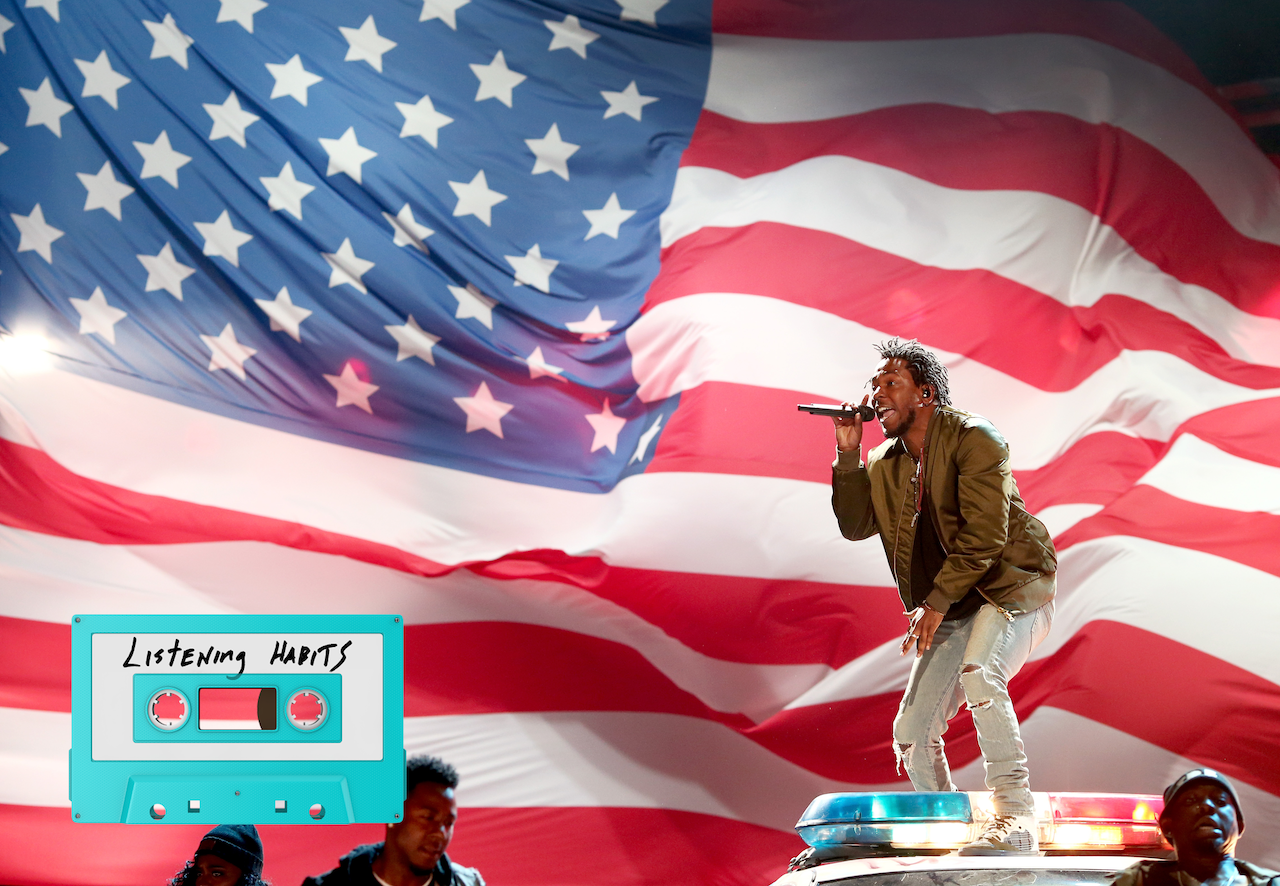
Incidentally, Casino did make me revisit a little album called Mr. Morale & the Big Steppers, by Kendrick Lamar. Maybe it was the lack of sleep or the dilaudid, but I found the album a lot more gripping this time around. There's something endearing about its naked vulnerability. Its impact on the genre is especially resonant today, the first spark of a move away from more vapid records, even if the albums of its lineage—Tyler, the Creator's last album; this new Keem one—couldn't match up. It might very well have inspired The Fall-Off, but we won't blame Kendrick for that. It's not some quiet masterpiece or anything (it has plenty of the typical Kendrick flaws of self-importance and indulgence), but I admire its nerve. And, not to make this about me, but it does feel like this album confirms what I've always believed to be the case, which is that he foolishly bought into his own Black Messiah hype around To Pimp a Butterfly and now realizes what a mistake that was.
For the most part, I still prefer my music to skip the psychoanalysis in favor of raw emotional output. The money and violence of the Babyfxce E album, the "grow up, dude"-ness of Brent Faiyaz's new album Icon, the volatile romanticism of two Valentine's Day mixtapes from Lil Tony Official and RMC Mike—that's more of what I'm looking for. And the screeching antagonism of Sk8star and Skaiwater feels very appropriate for a hospital stay, if for no other reason than it succeeds at tuning out the sound of a failing empire's collapsing (and expensive) system.
The Best Non-Rap Song Of The Moment
If you would like to contribute something or ask a question for future installments, email me at israel@defector.com.